





 Portuguese
  English
  Spanish
  5 min of reading
  0 comments


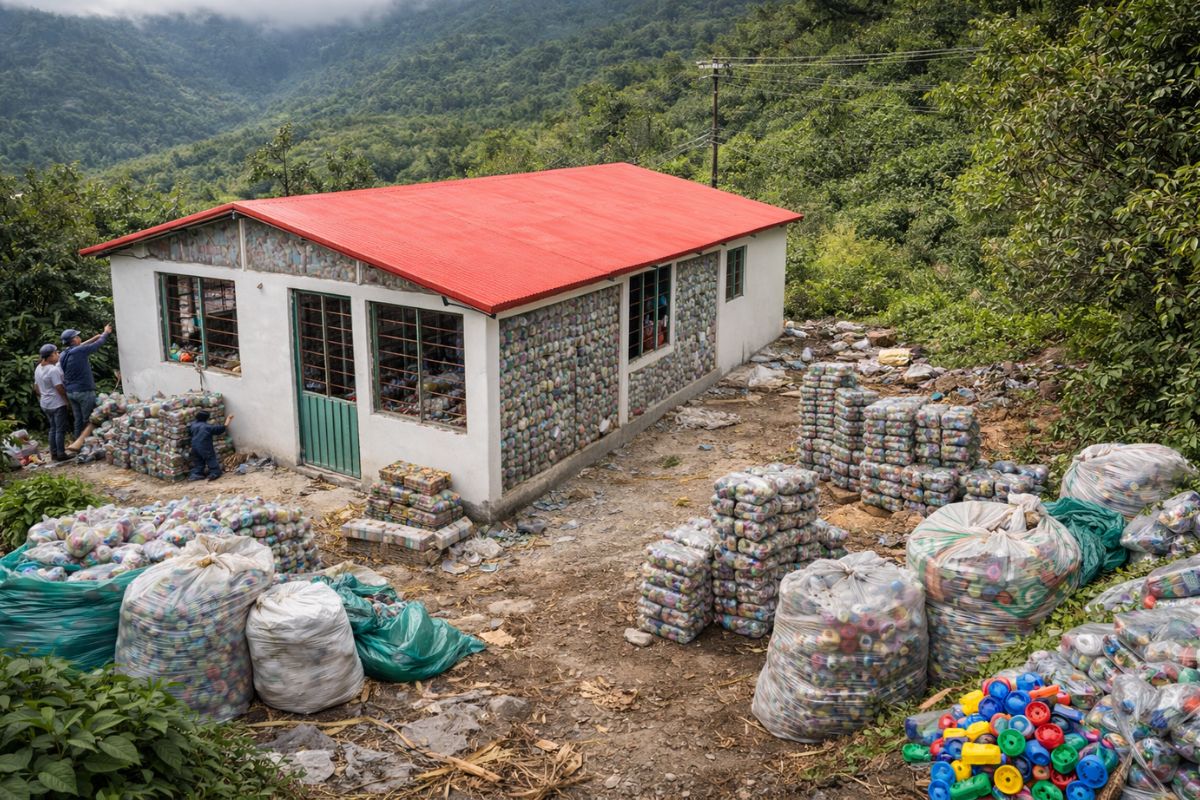
In Puebla, Mexico, EcoDomum melts empty bottles and discarded toys and transforms plastic into 80 panels that become walls and roofs. The result is affordable homes of 40 m², with two bedrooms, bathroom, living room, and kitchen, using 2 tonnes of waste, thermoacoustic and durable to the elements.
The affordable homes have become the center of an urban experiment that attempts to tackle two problems at once: housing that is hard to afford and discarded plastic without a destination. Rather than treating empty bottles and abandoned toys as an inevitable surplus of the city, a duo decided to transform this volume into construction structure.
In Puebla, Mexico, entrepreneurs Carlos Daniel Gonzalez and Nataniel created the startup EcoDomum with a straightforward proposal: to melt common plastic waste from the streets and shape large panels that function as walls and roofs, seeking to create a type of housing that comes from what almost always ends up in landfills or the sea.
When Waste Becomes a Component of Construction
The starting point is simple and, at the same time, uncomfortable: the same plastic that the city cannot collect properly can return as part of the solution to housing itself. Empty bottles and discarded toys exist in abundance, appearing on sidewalks, lots, and dumpsters, and usually circulate through confusing routes until final disposal.
-
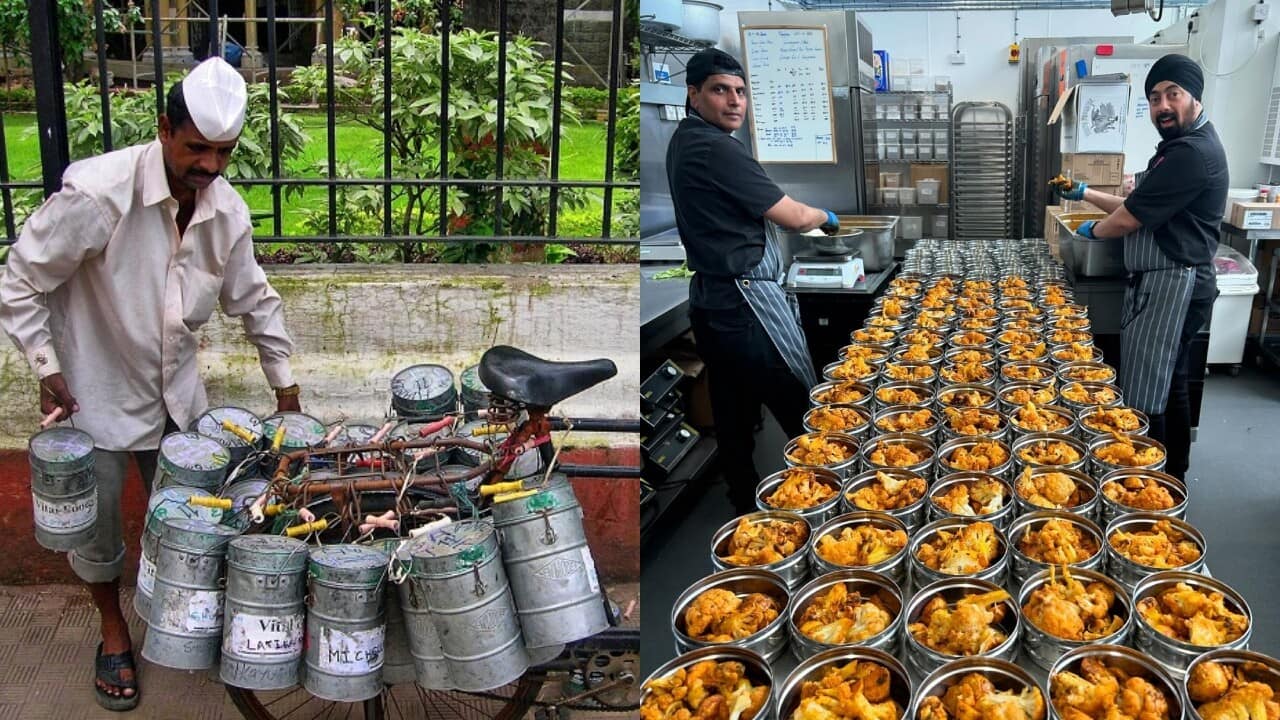
How 5,000 Indian dabbawalas manage to deliver around 200,000 lunchboxes a day in Mumbai for over 130 years using bicycles, crowded trains, and a manual system that continues to operate with impressive accuracy.
-
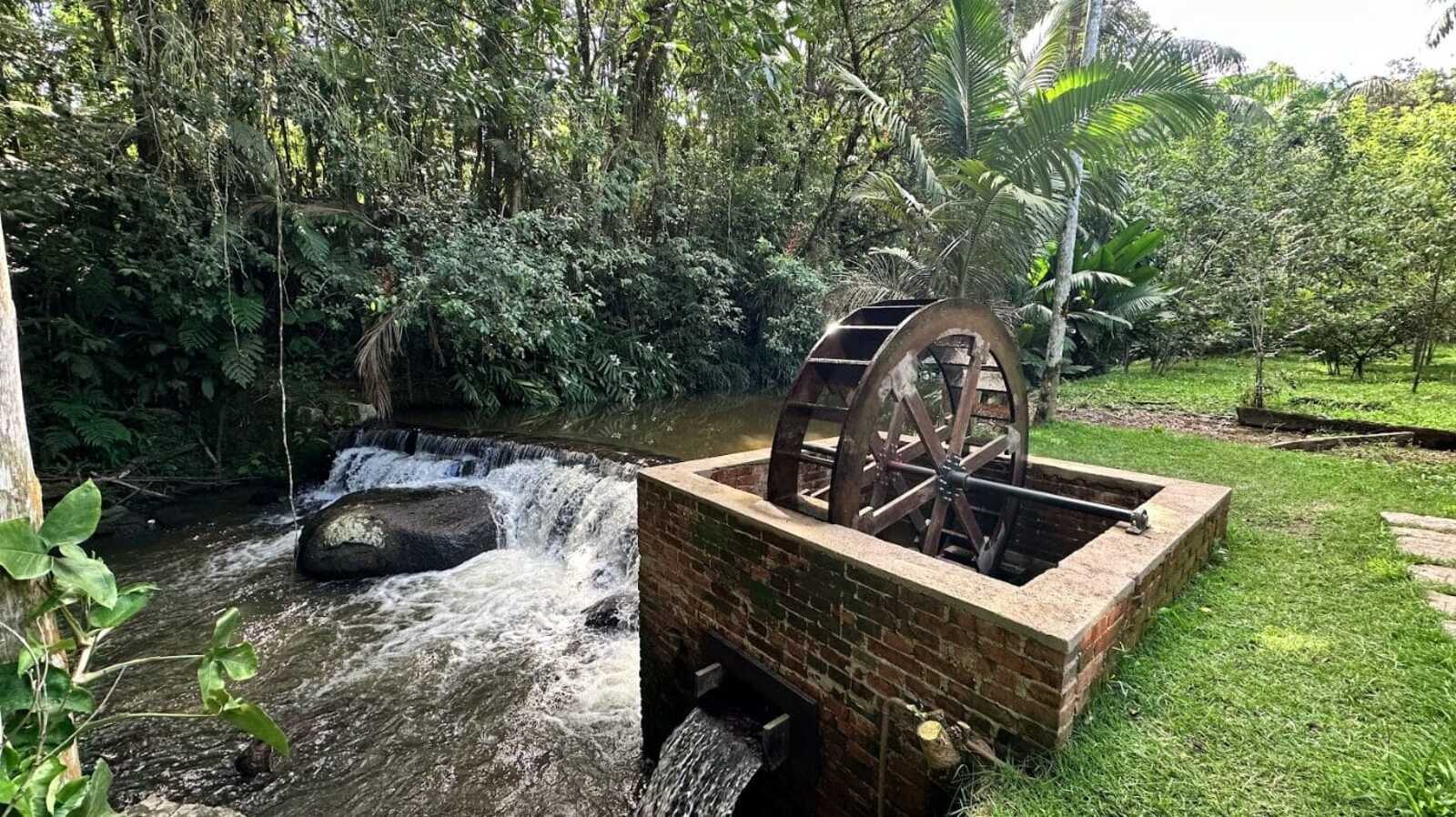
While restoring a historic mansion from 1910, a brick structure with an old turbine that generated energy from the Rio do Testo emerged, along with a hidden door and a rare floor concealed under layers of wax.
-
Italian researchers have detected what appears to be a second Sphinx buried under the sands of Egypt, and satellite scans reveal a gigantic underground megastructure hidden beneath the Giza Plateau for over 3,000 years.

-
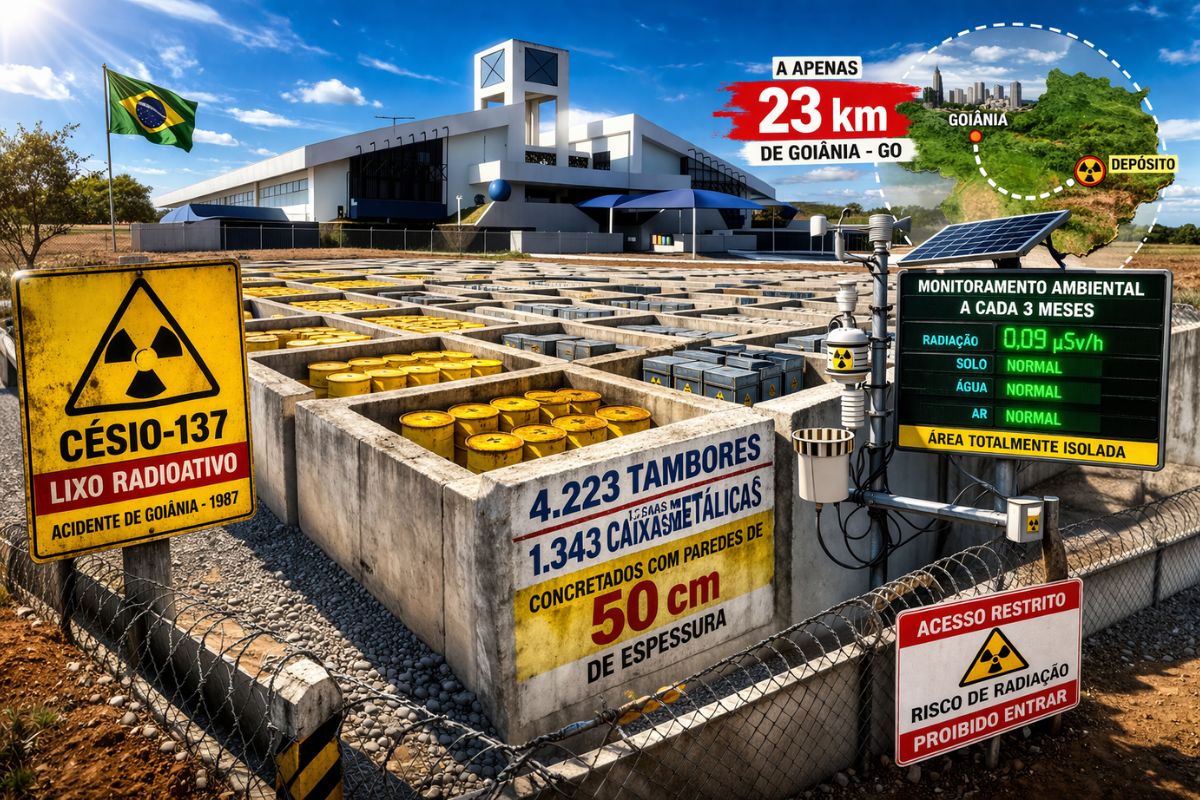
There are 4,223 drums and 1,343 metal boxes concreted with 50-centimeter walls that store the radioactive waste from Cesium-137 in the worst radiological accident in Brazil, just 23 kilometers from Goiânia, with environmental monitoring every three months.

In this scenario, affordable homes are no longer just a discussion about price per square meter and begin to involve urban logistics, consumption, and environmental responsibility.
If plastic can take around a thousand years to decompose, every decision about reuse is also a decision about time: the time of the material on the planet and the time families are waiting for a place to live.
From the Street to the Panel: What Happens to Bottles and Toys

EcoDomum uses easily obtainable plastics as raw material: bottles and toys that have lost their utility. The transformation occurs when this plastic is melted and remade into large panels, designed to perform the role that, in other techniques, would be occupied by masonry, sheets, or tiles.
The practical result is that the wall and roof stop being “assembled” piece by piece with small waste and begin to arise as larger modules.
This choice for panels changes the pace of construction, because the focus shifts from the individual brick to the assembly of surfaces, connecting structure and closure more directly.
What the 40 m² Homes Look Like Inside

Each unit has 40 square meters and is made up of 80 panels. The layout is described with a clear division: two bedrooms, one bathroom, a living room, and a kitchen, costing approximately 5,000 Mexican pesos (about R$1,500).
It’s not an “abstract prototype”; it’s a house with recognizable rooms, designed to meet basic housing needs.
The scale of reuse is impressive due to the weight: about 2,000 kilos of waste processed per residence. This helps to answer, without fanfare, the question of “how much”: how much plastic fits in a house? Enough to move from the status of dispersed waste to become organized structural mass.
Thermal Acoustic Insulation and Resistance to the Elements
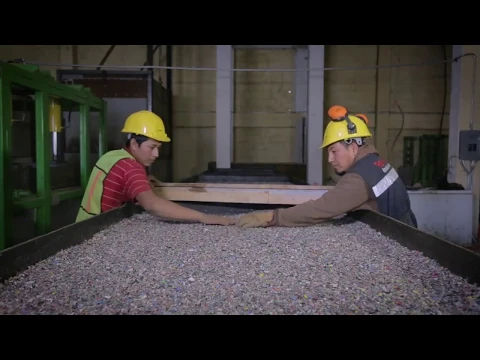

The entrepreneurs claim that the final material is durable and resistant, with acoustic and thermal insulation, in addition to enduring weather conditions.
In practice, this means trying to protect the interior of the house from noise and temperature variations, while the exterior faces sun, rain, and changing weather without degrading quickly.
For the affordable homes, these characteristics are decisive because cost cannot mean permanent discomfort. Insulation and climate resistance cease to be “extra” and become requirements, especially in urban areas where noise, heat, and humidity are part of daily life.
Why This Matters for the Sea and the City
An incalculable amount of plastic ends up in oceans and landfills, and the impact on the sea is direct: marine animals can die from ingesting this material. When waste escapes urban control, it becomes an ecological threat, and the problem grows without depending on a single source, because it comes from thousands of small disposals.
By proposing a constructive use for plastic, the idea fits into a logic of reducing harm: if the material would take centuries to disappear, it makes sense to look for ways to ensure it doesn’t reach the ocean. And, at the same time, the proposal tries to address another urgency of metropolises: the lack of affordable housing, and affordable homes enter as a possible response within this puzzle.
What to Watch Out For When a House is Born from Waste
Even with the promise of durability and performance, any construction solution needs to be observed closely when it becomes real housing. When it comes to a house, trust does not come solely from the idea, but from how it performs in everyday life, in different climates, routines, and family needs.
It is also worth looking at the urban side of the process: the proposal depends on available waste, collection, and organization of the material, because bottles and discarded toys do not arrive “ready” to become panels without some form of handling.
And this is where the topic becomes larger than just a technique: affordable homes only become scalable if the city, disposal, and transformation can communicate.
In Mexico, EcoDomum places a practical question at the center of the debate: what if part of the plastic that today clogs streets, fills landfills, and threatens the ocean could become shelter?
The response presented in Puebla is a 40 m² house assembled with 80 panels and about 2,000 kilos of processed waste, with a promise of thermal acoustic insulation and resistance to the climate.
And now I want to hear you in a very specific way: in your city, what types of plastic appear most frequently discarded that you think could be reused safely?
Would you live in one of the affordable homes made from bottles and toys and what would you need to see or test to trust this idea as real housing?







-

-

-

-

-

26 pessoas reagiram a isso.