





 Portuguese
  English
  Spanish
  3 min of reading


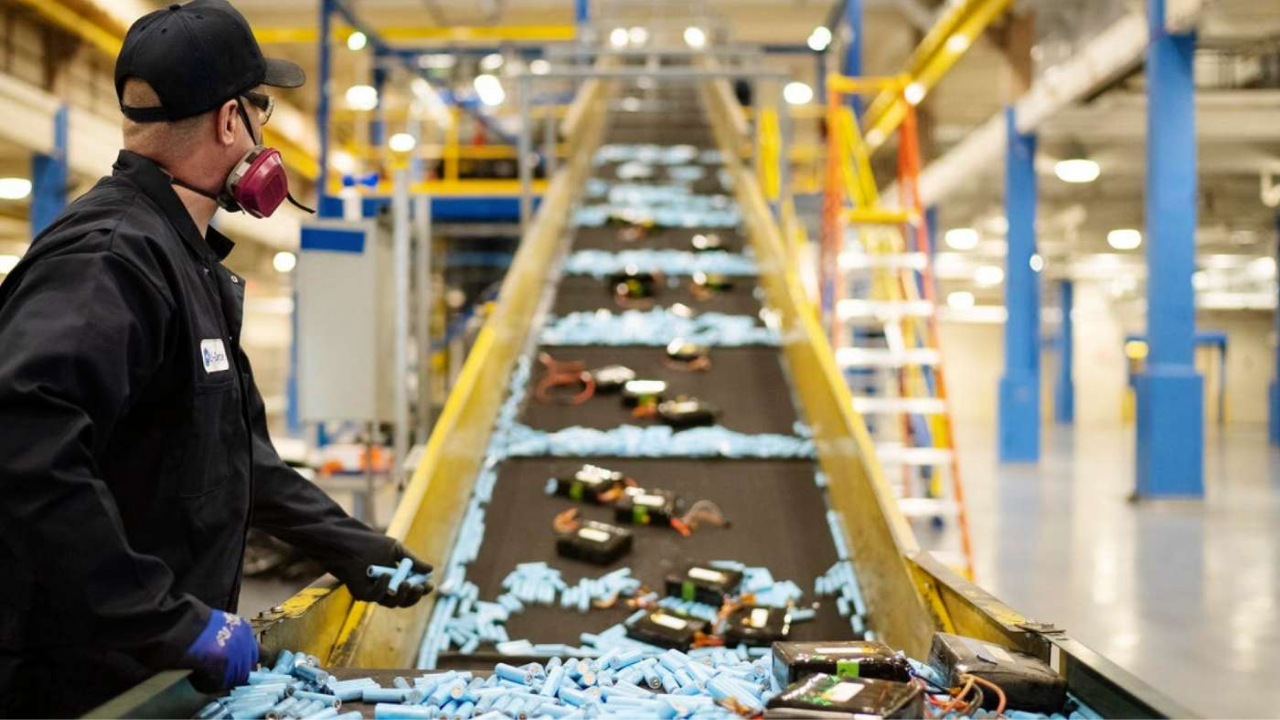
Lithium-Ion Batteries Are Everywhere, Found in Smartphones, Laptops, and Even Electric Vehicles (EVs)
Recycling factories in Canada and Rochester, New York, have the capacity to recover tens of thousands of tons of spent batteries each year, removing waste and helping to create a circular battery economy. Lithium-ion batteries are commonly used in the production of electronic products and electric vehicles.
Read Also:
The Li-Cycle is a company focused on solving the global lithium-ion battery problem at the end of their life cycle. They have created a secondary supply of essential metals for batteries to meet the growing demand while contributing to a more sustainable future for the planet. Using a method that borrows the periodic table’s call sign for lithium, the company claims that its patented recycling method “Spoke and Hub” is cost-effective, allowing battery manufacturers to actually purchase recycled material.
Corporate Video About Li-Cycle’s Recycling Technology
Lithium-ion batteries, regardless of size or shape, are broken down by a mechanical process that results in two streams of raw material from these valuable materials. The first is the cathode and anode waste line in a black powder consisting of lithium, nickel, cobalt, graphite, copper, and aluminum. The second is the scrap aluminum and copper from insulating or conductive foils.
-
Renewable energy advances over protected areas in Brazil, and a survey by the Energy Transition Observatory reveals silent impacts that challenge environmental conservation and pressure sensitive traditional territories.

-
Rio Grande do Sul accelerates energy transition: State invests in renewable technologies and consolidates decarbonization strategies and pathways to attract billions in new industrial investments.

-
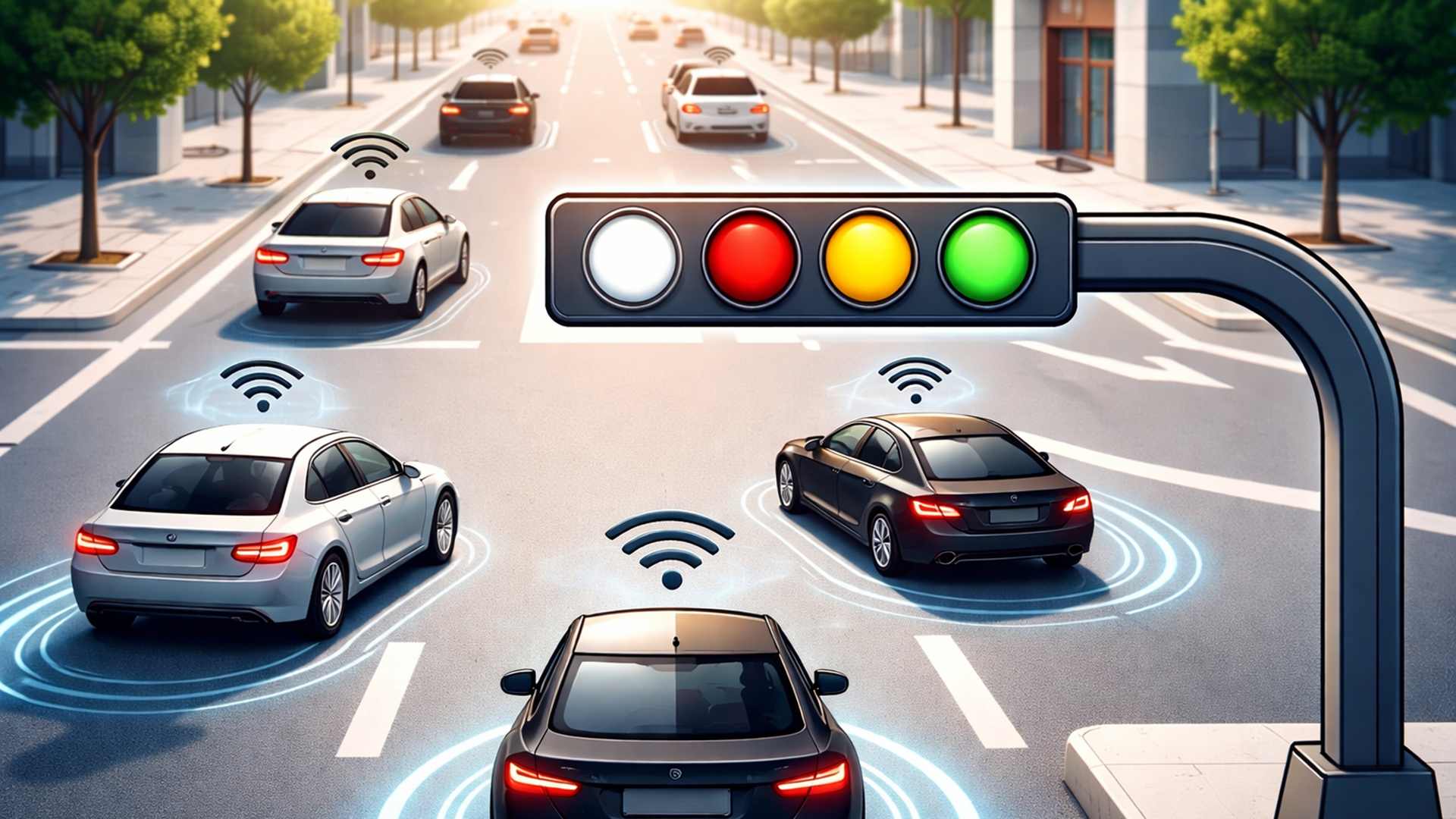
Engineers propose a fourth traffic light for intersections – the change promises to affect crossings, queues, and waiting times.
-
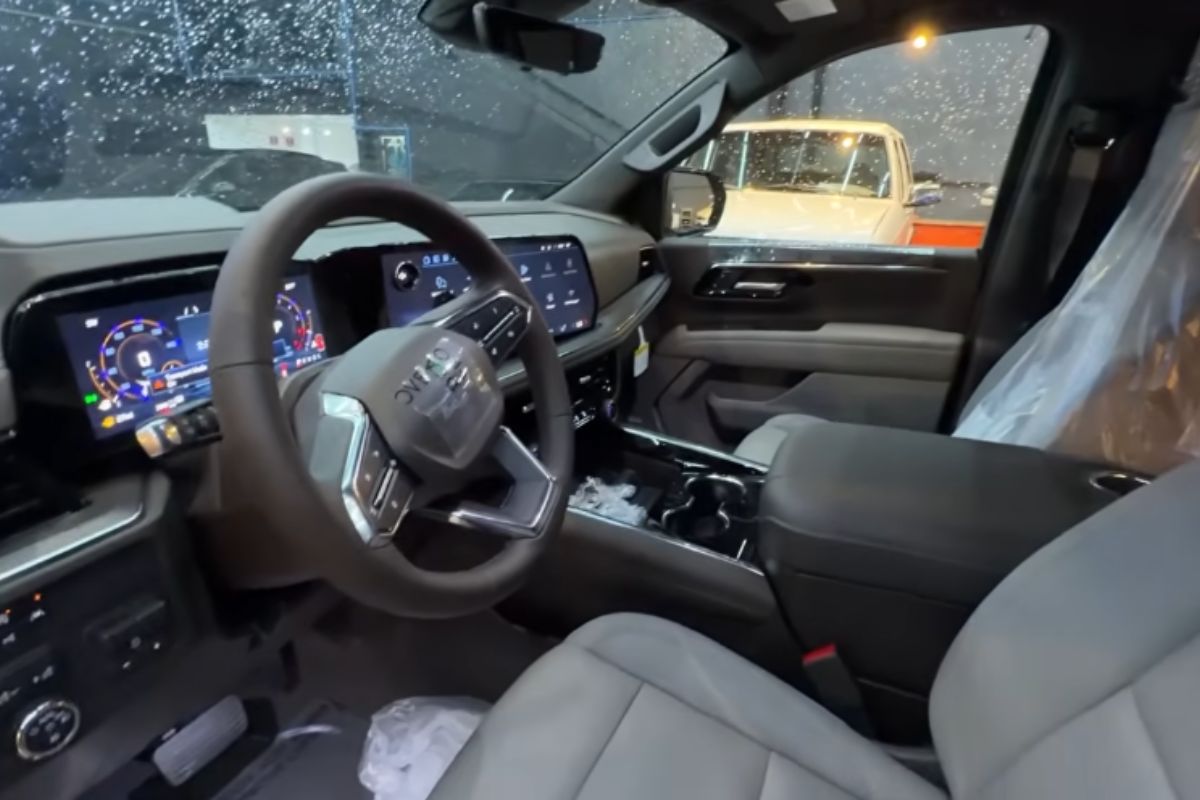
Chevrolet Suburban Z71 lands in Brazil with a V8 engine, off-road design, air suspension, seven seats, and colossal size, a rare version imported for around R$ 1.3 million with luxury and exclusivity.

The black powder waste is then sent for another recovery process, which produces high-quality lithium carbonate with the purity required to be used as a precursor and producer of cathode, effectively closing the loop on these grams of lithium. In this process, cobalt and nickel sulfates are also produced.
The “Green Battery” Technology Is What Investors Are Seeking
The company is attracting major investors, including from Canada, in search of sustainable sources of lithium and other minerals, as mining that brings them together is a significant source of emissions, sometimes deforestation, and even regional conflicts.
The device manufacturing giant LG expects to invest US$ 50 million in Li-Cycle, as well as in lithium batteries sufficient to harvest 20,000 tons of nickel in 10 years.
A few weeks earlier, it was announced that Arrival, manufacturer of buses, electric vans, and other electric vehicles, which has micro factories managed by artificial intelligence, signed an exclusive closed-loop contract with Li-Cycle to supply batteries for its vehicles, as well as to recycle them at the end of their life, in addition to supplying materials for the next generation of batteries, classifying them as some experts call a “green battery.”








Seja o primeiro a reagir!