Portuguese
  Spanish


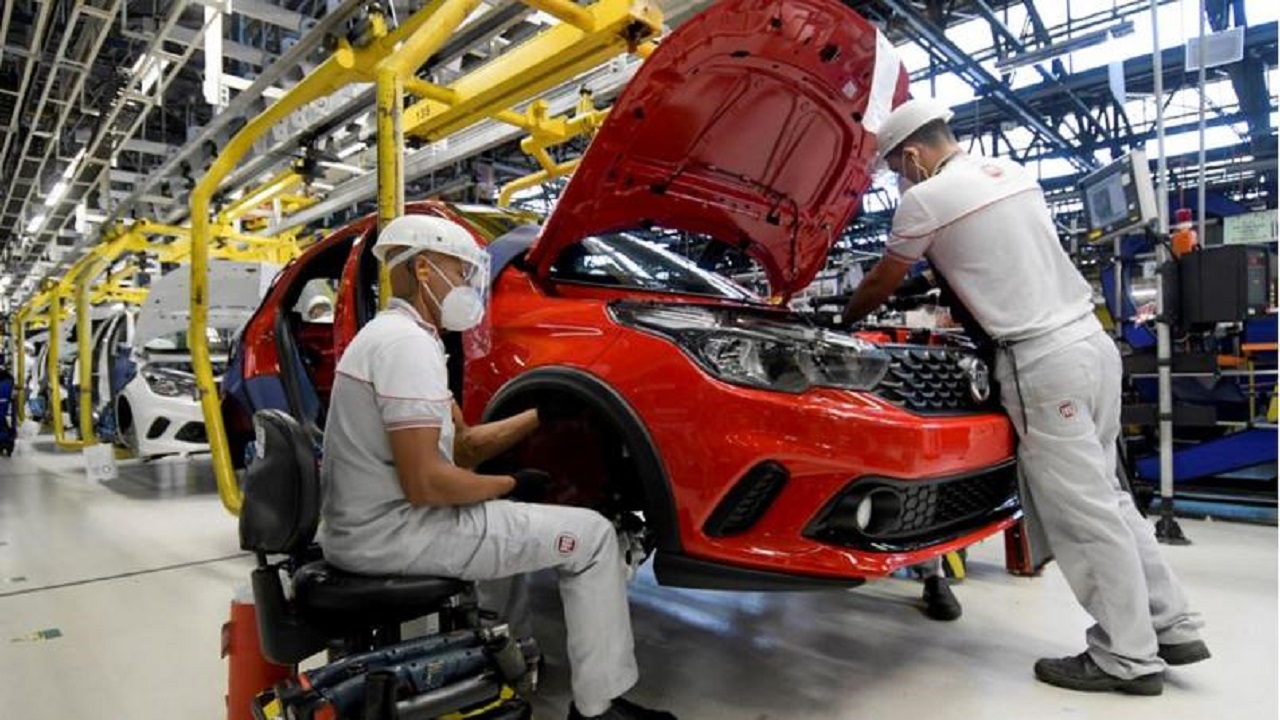

Semiconductor Chip Crisis Affects Major Automakers. Fiat, General Motors, Volkswagen, and Renault Are Temporarily Closing Their Factories
August began with more factories paralyzed by automakers due to a lack of semiconductors for production. Automakers such as Fiat, General Motors, Volkswagen, and Renault were affected. The shortage of the product, which is produced in Asia, has persisted since the end of last year and has impacted sales due to a lack of cars at dealerships.
Read Other Related News
Fiat, General Motors, Volkswagen, and Renault Suspend Their Operations
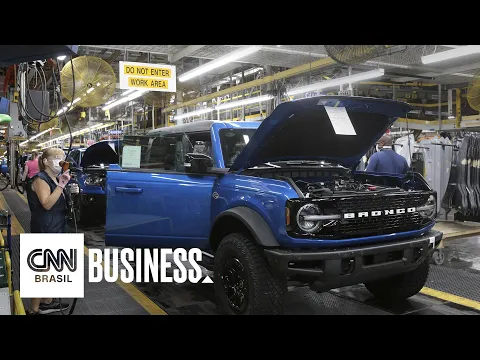

Fiat has once again suspended production for one shift at one of its lines in the Betim (MG) factory for 10 days on Monday (02). With the exception of the Toro pickup, all other models from the brand come from the factory in Minas Gerais. This action by Fiat is a strategy that has been adopted by General Motors, Volkswagen, and other automakers to prevent the entire factory from shutting down.
-
End of an era in Brazil: beloved sedan by Brazilians is discontinued despite having a 2.0 engine with 151 hp, CVT transmission, 466-liter trunk, and up to 650 km of range.

-
New Law Proposal in Brazil Could Heavily Penalize Drivers: Dangerous Overtaking May Become a Serious Offense with Fines Increased Tenfold and a 12-Month License Suspension; Update on 2026 Progress

-
Electric Revolution: Watts W125 Motorcycle Offers 160 km Range, 90 km/h Speed, and Affordable Price Starting at $3,000
-
General Motors Replaces Over a Thousand Workers with 50 Cobots at Electric Vehicle Plant, UAW Union Criticizes Move Amid Industry’s Automation Push
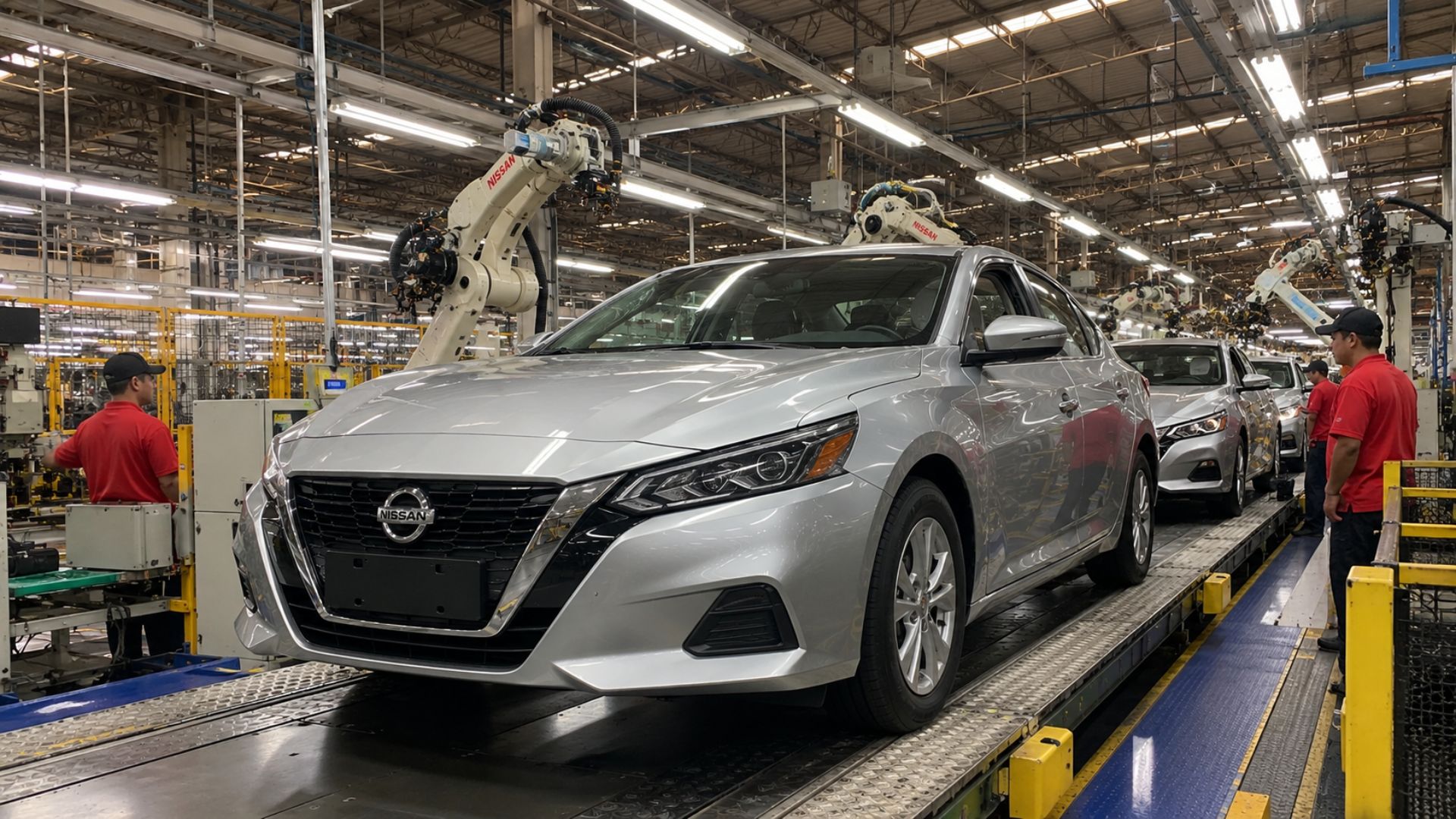


At Volkswagen, the return to work at the Taubaté (SP) unit, scheduled for last Sunday, occurred with only one shift. The São Bernardo do Campo unit has had one shift suspended since the 19th, with approximately 1,500 employees on collective vacation due to the semiconductor shortage. The return was scheduled for the 9th but has already been extended by another 20 days.
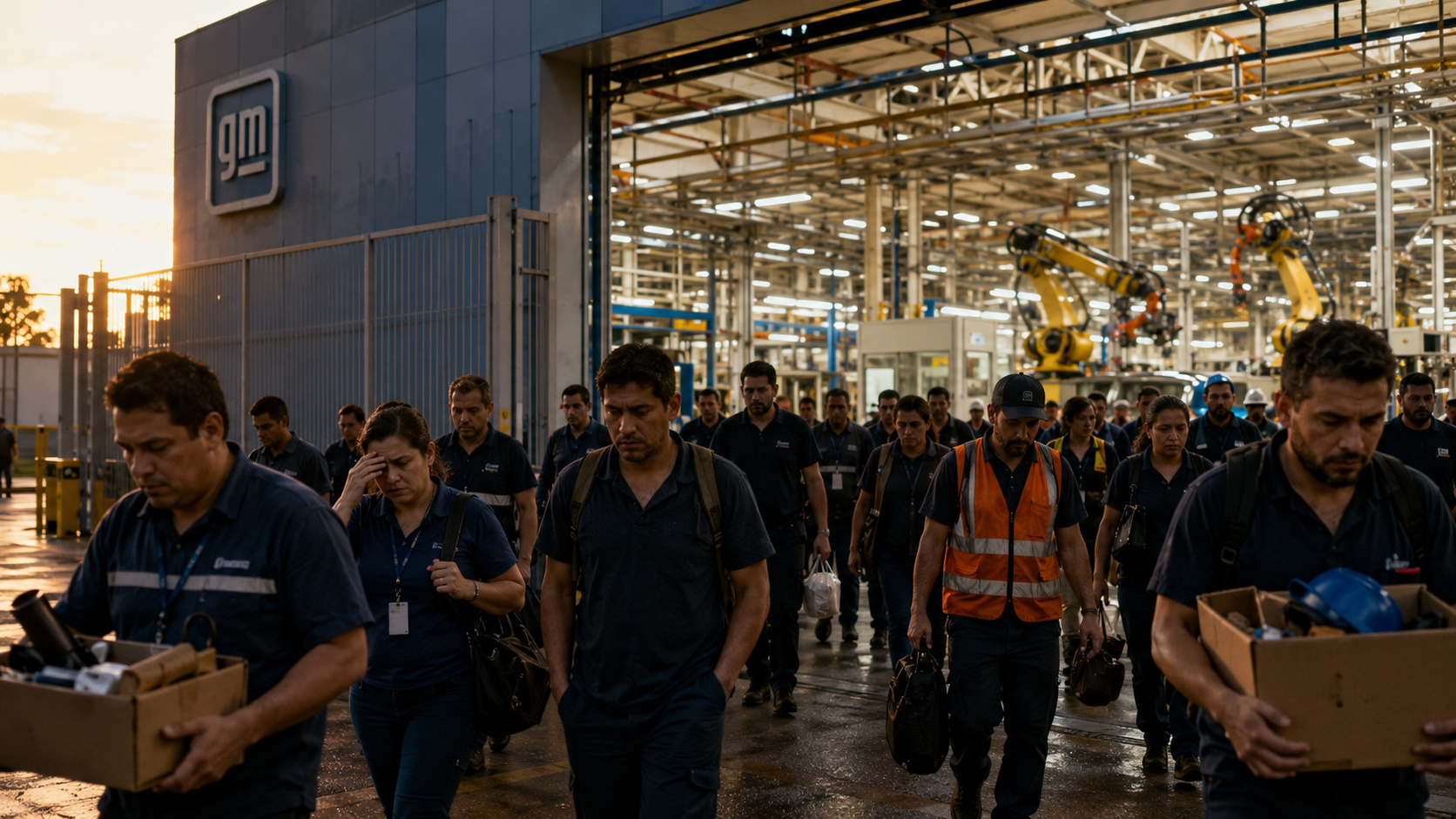
For General Motors, the production of the Chevrolet Onix, which was one of the best-selling cars at the beginning of the year, will resume on the 16th at the Gravataí (RS) plant, but only with one shift. The same will happen with the São Caetano do Sul unit, which will resume operations on the 26th, but also with only one shift. The plant in Rio Grande do Sul has been shut down for at least 5 months and still has no return date for activities.
Renault Suspends Production Due to Semiconductor Shortage
On Monday (02), Renault halted activities at its São José dos Pinhais (PR) factory. According to information, all employees will be on collective vacation. The vacations will take effect according to the production calendar.
At the Renault passenger vehicle unit, the vacations will last until 08/11. However, the brand stated that the problem with semiconductors began the previous week. Renault also emphasizes that the suspensions on 07/29 and 07/30 will be compensated on other dates.
Semiconductor Crisis May Cause Losses Until 2023 in the Automotive Industry
The crisis of one of the essential components of vehicles, semiconductor chips, may continue to impact sales for automakers and the entire automotive industry in the second half of this year and even into 2022.
According to Carlos Tavares, CEO of Stellantis, the crisis could extend into next year, and the executive believes that additional production of the product will not be sufficient and will only hinder the arrival of the product for vehicle manufacturing in Western countries.
Therefore, some brands in the group, such as Fiat, Chrysler, Jeep, and others, have been choosing to produce and deliver to dealerships only models with higher profit margins. According to Intel CEO Pat Gelsinger, the crisis will plague the market until 2023, as he estimates that the biggest challenge is the delay in stabilizing production issues, and it will take at least two years for production to return to normal.

Graduated in Journalism and Marketing, he is the author of over 20,000 articles that have reached millions of readers in Brazil and abroad. He has written for brands and media outlets such as 99, Natura, O Boticário, CPG – Click Petróleo e Gás, Agência Raccon, among others. A specialist in the Automotive Industry, Technology, Careers (employability and courses), Economy, and other topics. For contact and editorial suggestions: valdemarmedeiros4@gmail.com. We do not accept resumes!