





 Portuguese
  English
  Spanish
  5 min of reading
  2 comments


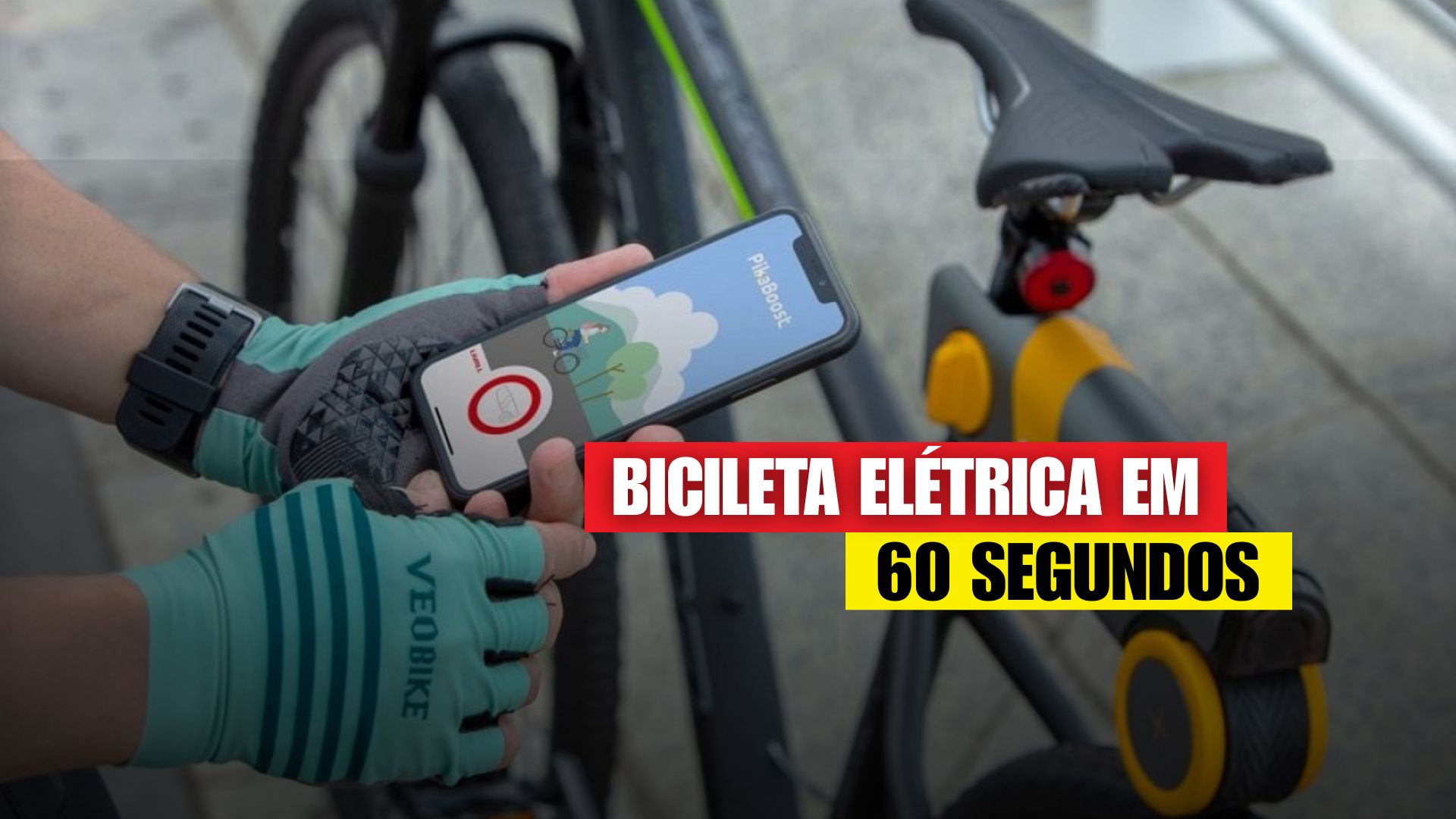


Portable Kit Promises to Transform Conventional Bicycles into Electric in Less Than a Minute, with Up to 70 Km of Autonomy and 500 W Motor, Without Tools or Permanent Modifications to the Frame.
The company LIVALL has launched a conversion kit that promises to electrify almost any bicycle in 60 seconds, providing assistance of up to 70 kilometers per charge and a peak power of 500 W.
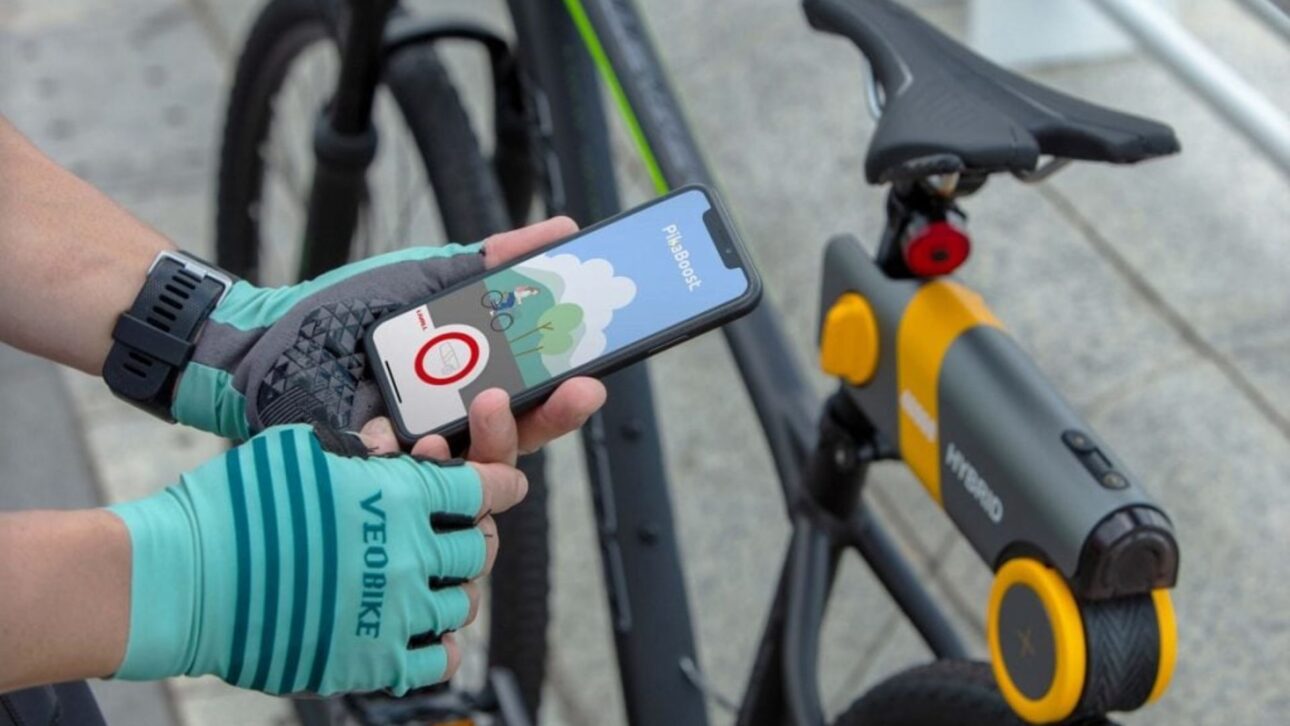
Named PikaBoost 2, the system combines motor, battery, and electronics into a single module that attaches to the seat post and transfers traction via friction roller on the rear tire.
The proposal is to lower the entry barrier for electric micromobility without altering the frame and without visible external wiring.
-
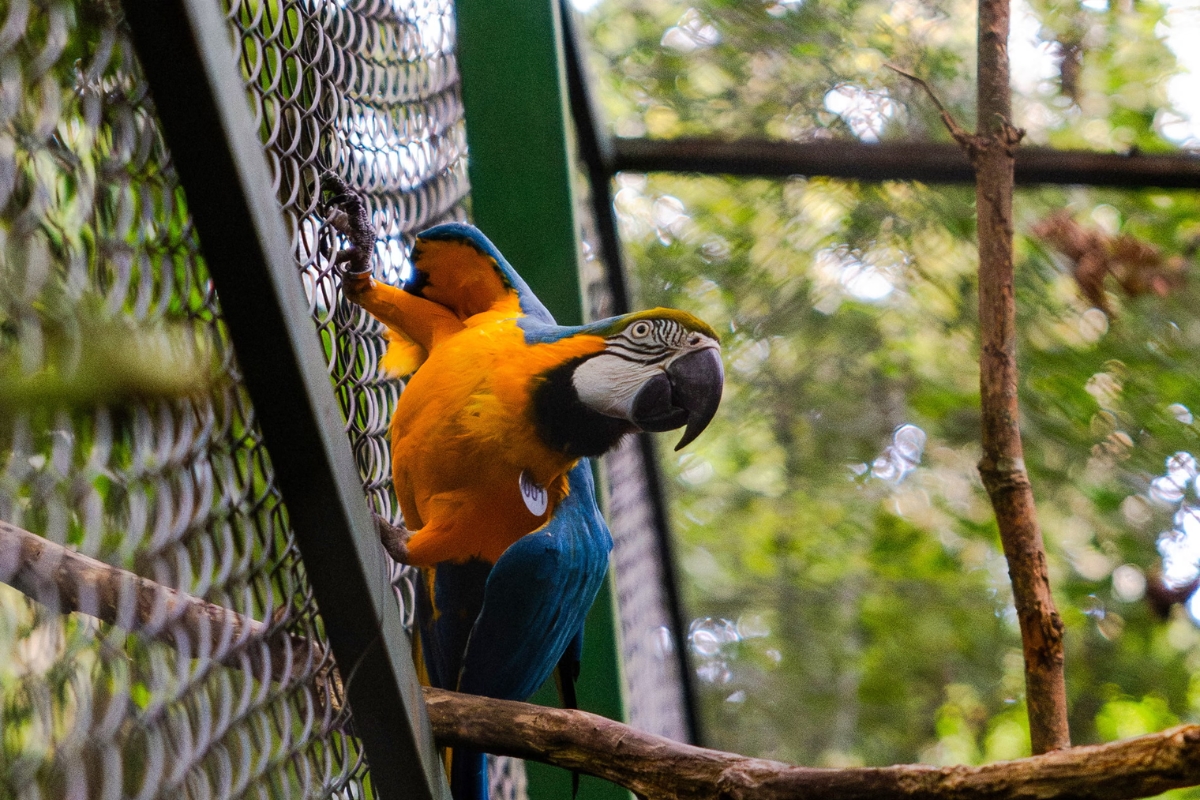
After 200 years, blue and yellow macaws return to Rio with the release of 4 birds in Tijuca Park.
-
The glaciers of the Himalayas are melting faster than any previous forecasts indicated, and scientists warn that changes in the monsoons could leave millions of people without drinking water, irrigation, and energy in India, Nepal, and Bangladesh.

-
Every day, before the sun rises, tractors go out to clear a road that the desert tries to swallow throughout the night, because in the United Arab Emirates there is a highway that cuts through the largest continuous sand sea on the planet, passing alongside dunes 300 meters high and melting the soles of any shoe that touches the asphalt in the summer.

-
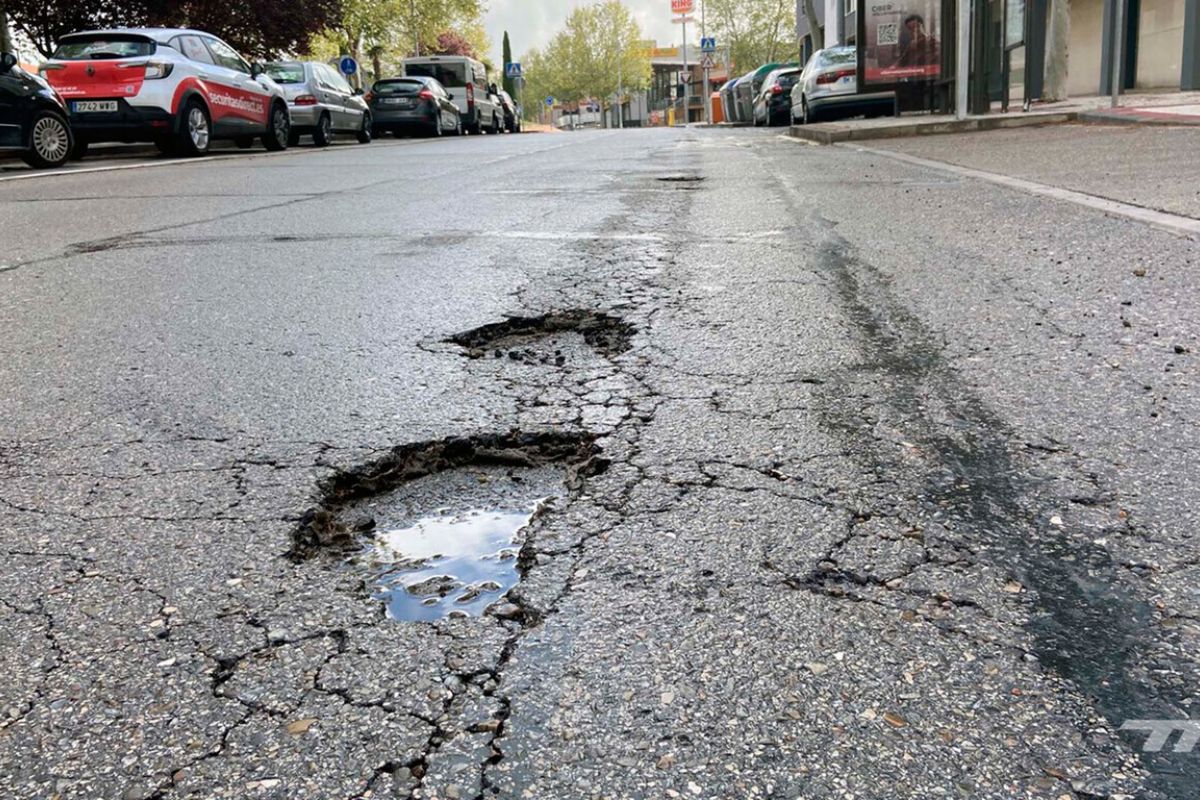
In León, potholes become craters and burst tires and suspensions, but the city hall blames the drivers, saying that the road was marked and that at 30 km/h it was possible to swerve, and they only cover at most half of the repair costs.
How the PikaBoost 2 Works
The PikaBoost 2 is a compact block that presses against the tire and activates when the bicycle is already in motion.
The assistance is automatically activated at 5 km/h, which prevents roller wear during stops.
The power control uses the proprietary algorithm AAR 2.0, which reads cadence to modulate thrust and smooth transitions of force.
In markets requiring a legal limit, the assisted speed is limited to 25 km/h.
Where regulations allow, it can be configured for up to 32 km/h.
Batteries and Autonomy of the Kit
There are two options for lithium-ion batteries.
The 158 Wh version delivers about 50 km of range in assist mode.
The 220 Wh pack elevates the autonomy to approximately 70 km.
Both are removable and interchangeable, expanding the usage radius for those who want to carry a second module in their backpack.
Recharges are done via USB-C.
With a 65 W charger, the full cycle takes about 3 hours (158 Wh) or 4 hours (220 Wh).
The manufacturer states a lifespan of 1,000 cycles with 80% of capacity preserved.
Simple Installation and Compatibility
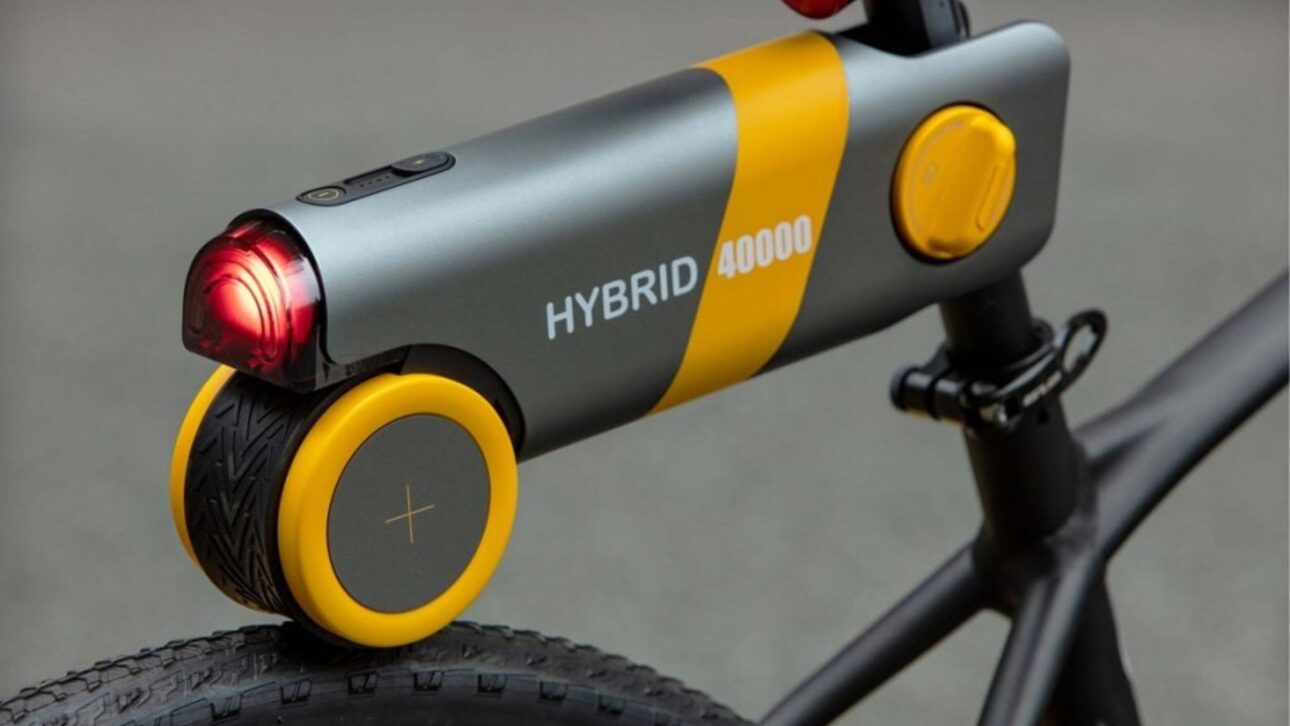
The assembly consists of securing the mount to the seat post, inserting the module, and calibrating it through the app.
The main tightening uses screws with a specific key provided in the kit, and does not require permanent modifications to the frame.
The set weighs about 3 kg, similar to a robust U-lock, and can be quickly removed for pedaling without assistance.
In terms of compatibility, the brand supports rigid bicycles with wheels ranging from 14 to 29 inches and round seat posts between 25 and 35 mm.
Carbon seat posts and frames with rear suspension are not recommended.
Use Modes and App
Four modes cater to different profiles.
In Assist, the boost matches the pedaling rhythm and facilitates urban stop-and-go.
Cruise maintains the current speed without the need to pedal, activated directly from the remote control on the handlebar.
For those looking to turn downhill sections into training, Workout adds resistance to the spin and regenerates part of the energy, with a typical gain of 1 to 3% of charge per kilometer, depending on the route.
There’s also Standby, which turns off the assistance without removing the module, useful for pushing the bike on foot sections.
The interface combines a small wireless control on the handlebar and an app for Android and iOS.
Through the app, the user adjusts the speed limit according to local legislation, selects the level of assistance, updates the firmware, and tracks usage and battery statistics.
Safety and Extra Features
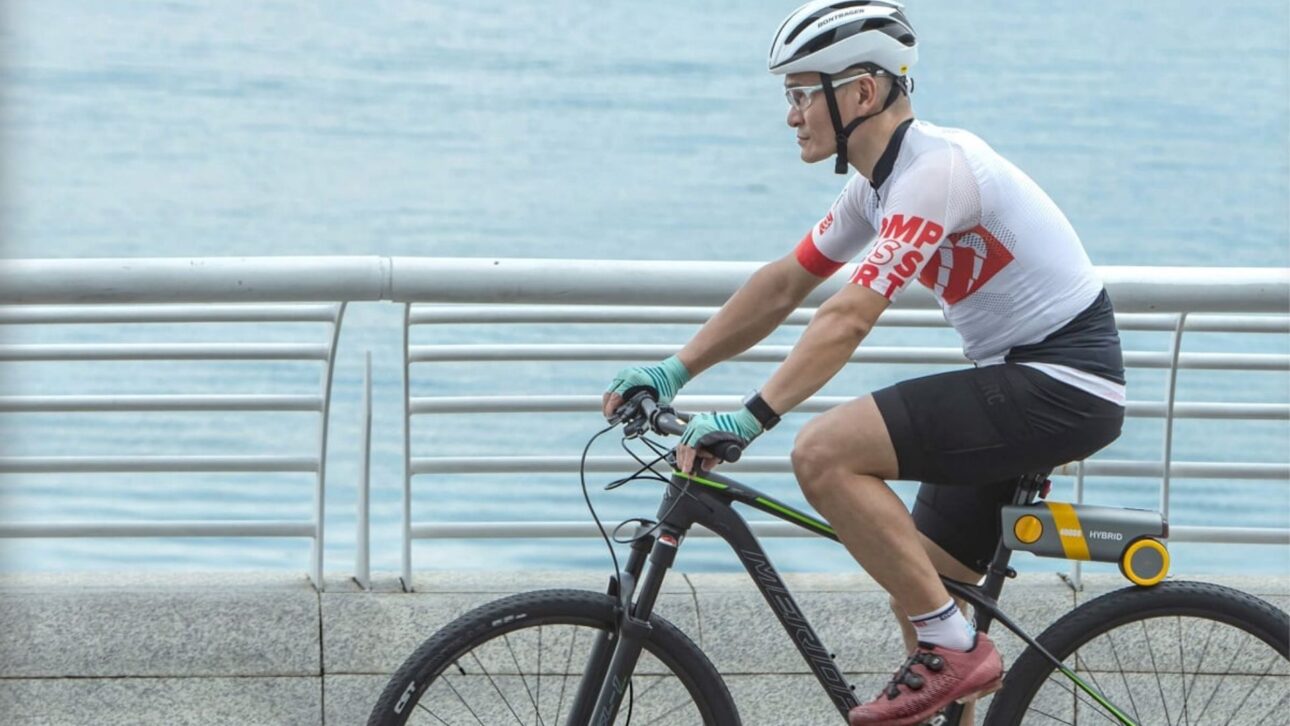
LIVALL has included electronic protection routines.
The system automatically cuts off the motor when the gyroscope detects an inclination greater than 30° and initiates an SOS protocol if the angle exceeds 60°.
There is also an intelligent e-brake: when the lever with a sensor is activated, the assistance is immediately interrupted to prevent unwanted pushes.
The module integrates a LED rear light, which functions as a brake light and can sync turn signals with the brand’s smart helmets.
The water protection is rated as IPX5 for the set.
Performance in Different Scenarios
In urban routes with moderate inclines and regular surfaces, the assistance proved sufficient to maintain a smooth pace without excessive effort from the cyclist.
However, in steep climbs or with very smooth tires, the manufacturer itself recommends caution.
As it is friction-based traction, the roller can slip on steeper inclines, especially if the tire is wet or overinflated.
Tires with a more grippy tread tend to improve traction on inclines.
Weight and Portability
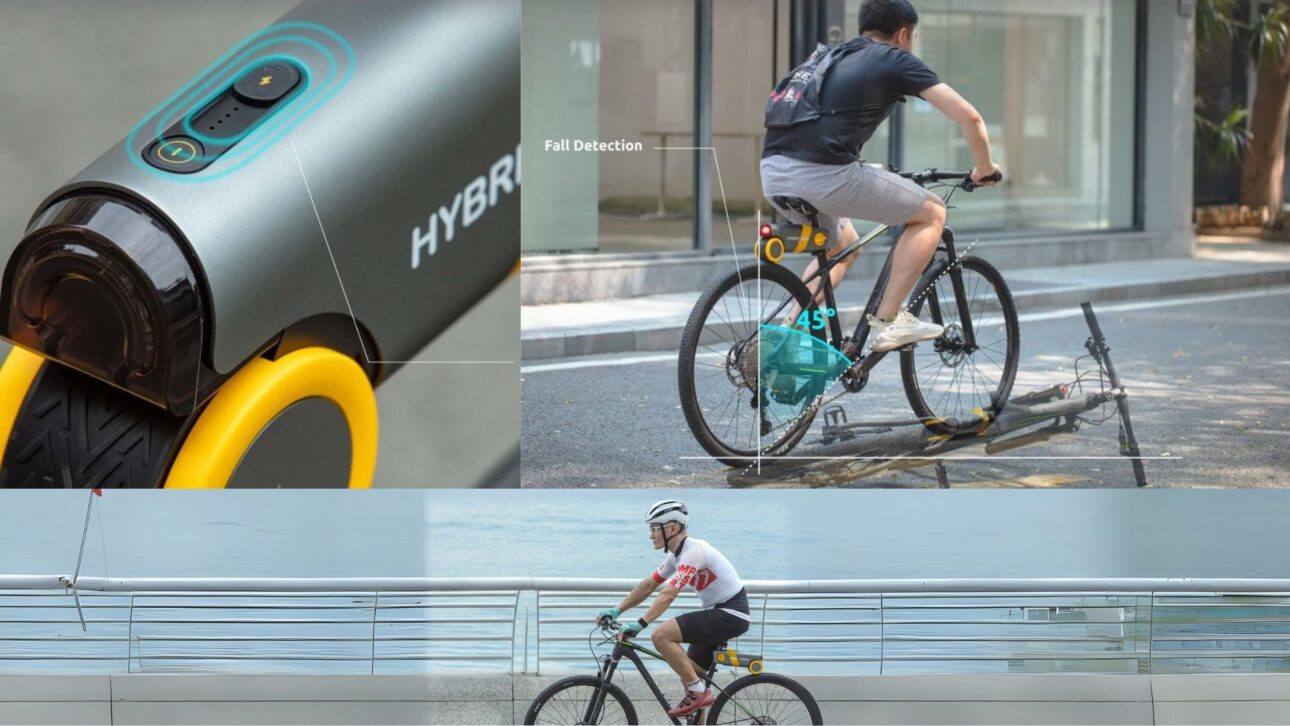
With approximately 3 kg distributed between body and battery, the PikaBoost 2 competes for space with everyday accessories.
For those who need to store the bicycle in public places, the quick removal reduces the risk of kit theft and allows switching between electric use and “muscle” pedaling as needed.
Recent Updates and Improvements
The manufacturer has been releasing updates via OTA.
Version 1.6.6, released this semester, adjusted the power delivery to make the assistance more linear during light accelerations and on false flats.
The upgrade process is done within the official app, without the need to take the product to service.
Price and International Shipping
The Powerful edition (with 220 Wh battery) is sold in the official store for US$ 369 and includes remote control, battery, and installation hardware.
The page states international shipping with immediate dispatch but does not provide details on local taxation or customs clearance times.
Converting at current exchange rates, the price is around R$ 1,800 before taxes, below the cost of many new e-bikes.

The final price to the consumer, however, depends on taxes and exchange rates at the time of purchase.
Trend and Limitations
“Plug-and-play” kits have gained traction because they preserve the existing bicycle and allow assistance to be installed only when needed.
This flexibility weighs in favor of solutions like the PikaBoost 2, especially for daily commutes in the city. Still, there are open points.
LIVALL does not disclose maximum torque in the technical specifications, an important detail for those cycling in mountainous regions.
There is also currently no public reference to long-term testing in heavy rain, a critical condition for systems with friction and exposed electronics.
No information was found regarding certification by a Brazilian metrology body, which does not prevent importation but may restrict local service.
Given a lightweight, portable kit with a promise of quick installation, the question returns to the user: for your route, does it make more sense to invest in a module that electrifies the bike at home or go straight for a complete e-bike?








Onde comprar
Muito bom. Vai baratear