Portuguese
  Spanish


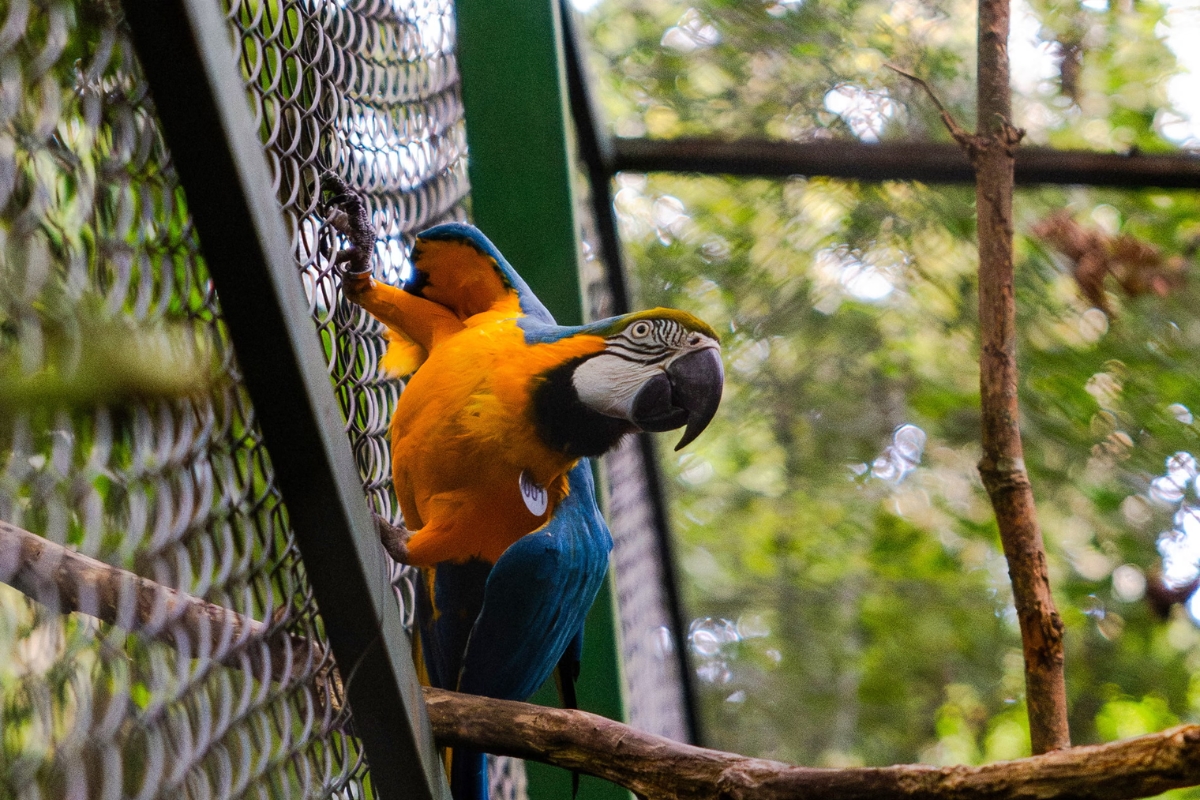

The most symbolic return of Tijuca has begun with 3 females and 1 male, reintroduction after 200 years and an ambitious goal of 50 macaws to place the species back in the Carioca sky
After 200 years, Rio has once again seen the blue and yellow macaw over the Tijuca forest. The return places a symbolic species back in the landscape and gives a new boost to the environmental recovery of the park.
In this first cycle, 4 birds underwent controlled release in the Tijuca National Park. This stage paves the way to increase the number of animals and recover functions that the forest has lost over time.
The expected effect goes beyond a beautiful image in the Carioca sky. With more species back in the forest, seed dispersal can increase and the natural regeneration of the area can gain strength.
-
How to Prevent Brown Recluse Spider Bites: Common Hiding Spots and Free Tips to Reduce Risks

-
Natto: The Unusual Japanese Superfood Gaining Popularity on Social Media and Driving Record Exports
-
Brazilian Mayor Goes Undercover as Homeless for 24 Hours to Assess Public Services

-
15-Year-Old Entrepreneur Malu Lira Publishes 20 Children’s Books on Financial Education, Earns $500,000, and Expands Her Project to the Amazon Rainforest




Tijuca National Park welcomes the species back after 200 years
The presence of the blue and yellow macaw in Rio was ancient, but it disappeared from the city after the advance of deforestation and the capture of animals. Now, the reintroduction places the species back in one of the most emblematic points of the urban forest.
The return has ecological and also emotional weight. For a city surrounded by forest and mountains, seeing these birds again high in Tijuca changes how the park is perceived by residents and visitors.

The first phase had 3 females, 1 male and a new release in September
The initial phase brought 3 females and 1 male to the park. After 15 days of release at the beginning of the year, they returned to the aviary for monitoring and are expected to be released again in September.
The plan is larger than this first stage. More 6 macaws are expected to arrive soon, and the project’s goal is to reach 50 birds in the reintroduction area throughout the process.
Rewilding began in 2010 with agoutis and has already brought back howler monkeys and yellow-footed tortoises
The work of rewilding began in 2010 with the return of the agouti, an important animal for spreading seeds throughout the forest. Later, the park also welcomed back howler monkeys and yellow-footed tortoises.
According to theguardian.org, the British journalism and international coverage site, about two-thirds of the medium and large mammals that lived in Tijuca have disappeared over time. The reintroduction aims to recover part of this ecological void.
Macaws can carry seeds for dozens of kilometers

The macaws can crack hard fruits with their beaks and help move seeds through the forest. As they can travel dozens of kilometers in a single day, they also have the potential to carry this material beyond the park’s boundaries.
This effect adds to the role of other animals already reintroduced. The agouti buries seeds, the howler monkey helps with germination, and the combination of these movements strengthens the regeneration of the forest.
The beauty of the birds has become a challenge in a park with 5 million visitors
The same appearance that turned the blue and yellow macaw into a symbol of the city also poses a risk for adaptation. The park receives about 5 million visitors per year, and excessive attention can harm the birds’ behavior.
Therefore, the team tries to reduce human contact and avoid offering food. The goal is to make the macaws recognize native fruits, regain muscle strength, and live with more autonomy.
If the project progresses as planned, Rio may once again see larger groups of macaws crossing the Tijuca forest and other nearby areas. This represents more seeds spread, more ecological balance, and a forest with greater capacity for renewal.
The return of these birds serves not only to compose a striking scene over the city. It places lost pieces of the ecosystem back in the right place and changes the relationship of Rio de Janeiro with its own forest.