





 Portuguese
  English
  Spanish
  4 min of reading
  256 comments


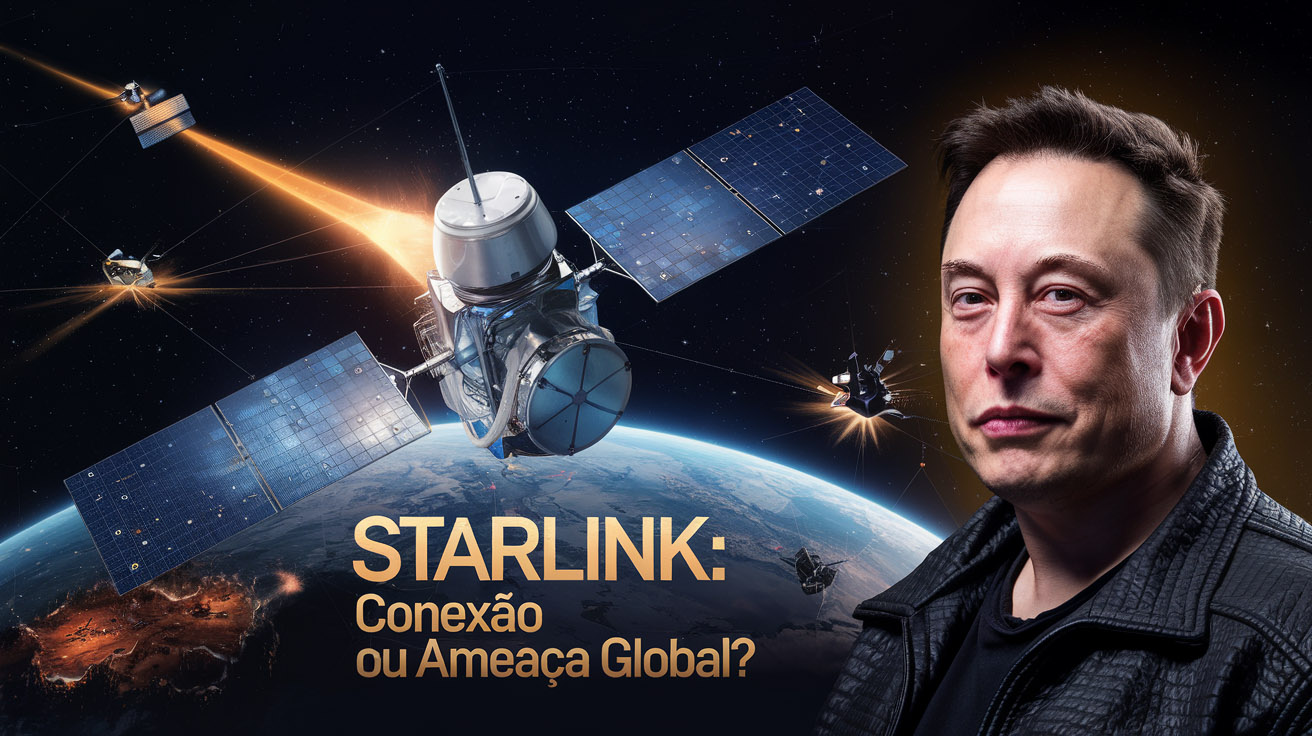


Starlink, By Elon Musk, Is At The Center Of A Crisis In India After Illegal Antennas Fell Into Dangerous Hands. Authorities Discovered Equipment Used By Criminals And Smugglers In Conflict Zones And Offshore. The Government Questions The Company, Which Still Does Not Have Authorization To Operate In The Country. Discover What Is Behind This Controversy!
Elon Musk, the billionaire behind technological innovations like Tesla’s electric cars and SpaceX’s reusable rockets, faces a global security crisis with his satellite internet company, Starlink.
Despite promising to connect the most remote areas of the world, the technology is at the center of a controversy that goes far beyond borders: smuggled antennas are being used by criminals, even in armed conflict zones.
Now, with cut signals in India and questions about how the devices have been illegally used, a warning is raised not only for local authorities but also for countries like Brazil, where Starlink technology is rapidly expanding.
-
China creates hypersonic engine that can make planes and missiles fly more than 6 times the speed of sound with less weight, more range, and without system change.

-
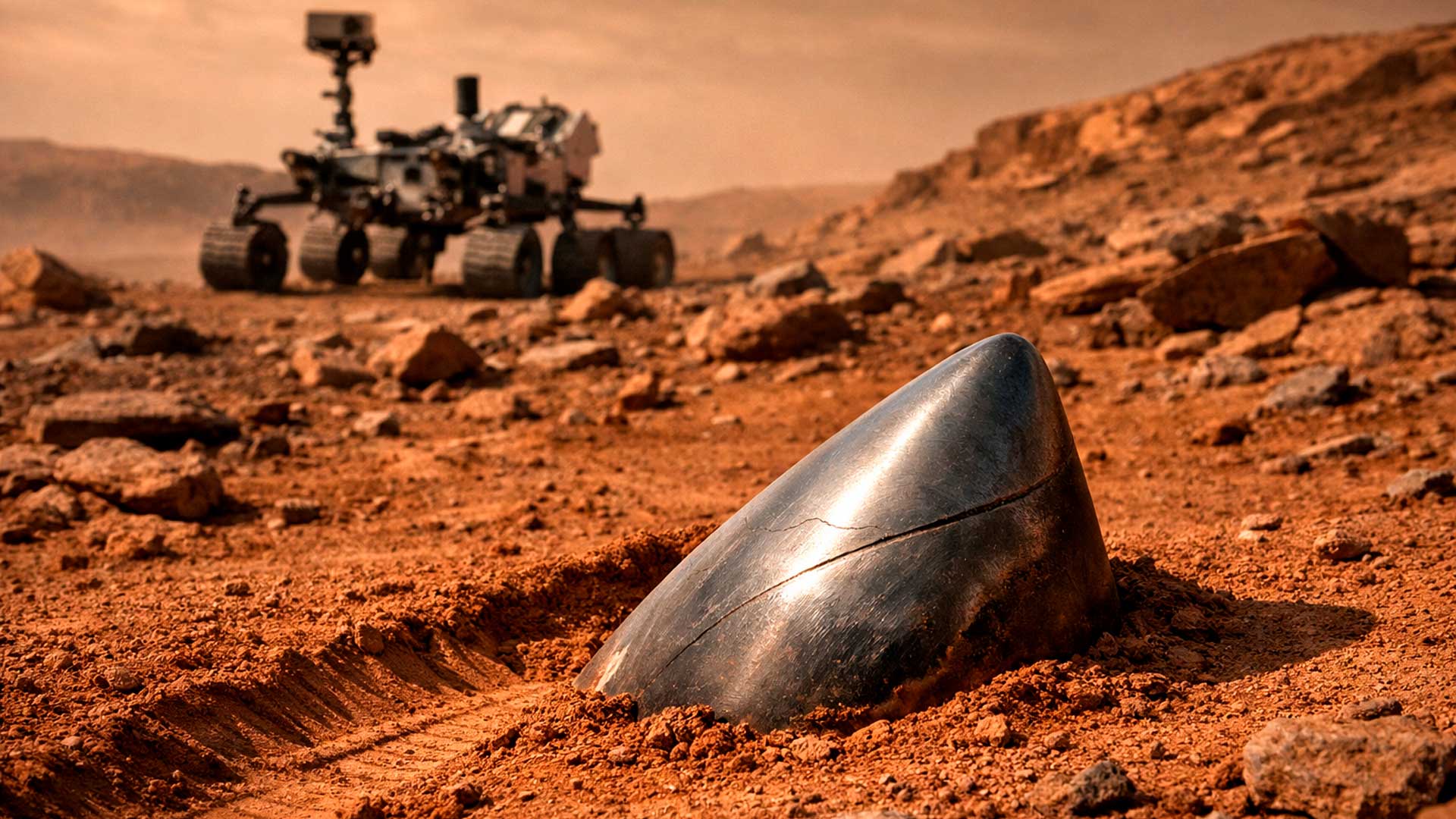
Mysterious object on Mars divides NASA and Harvard after Curiosity image reignites suspicions about what was really found on the planet.
-
Giant structures 14 meters beneath Egypt are revealed by satellites and expose a millennia-old secret buried in Buto.

-
Children have been making clay pieces for 15,000 years in Southwest Asia, and fingerprints preserved on 142 ornaments helped archaeologists prove this.


After all, how can we prevent the antennas from also being used for illicit activities in Brazilian territory?
The Case of Smuggled Antennas in India
The controversy began when Indian authorities seized two Starlink antennas during operations conducted in armed conflict regions.
According to local government, terrorist groups were using the devices to access the internet and plan attacks against the Indian government.
Investigations revealed that this equipment arrived in the country through smuggling, primarily across the border with Myanmar, a country ravaged by civil war where rebels also use the technology to organize actions against the government.
The case did not stop there. In a second operation, methamphetamine smugglers were caught offshore using Starlink antennas to navigate and coordinate drug transport.
These discoveries led the Indian government to send an official letter to Starlink with several questions about the control and security of its devices.
In light of the seizures, Elon Musk took to his social media X (formerly Twitter) to confirm that Starlink should not be operating in India.
According to the billionaire, the signal was never activated in the country due to the lack of official authorization to begin operations.
However, criminals are able to access the satellites thanks to the ease of activation of the antennas, which are functioning normally even in areas without formal coverage.
The Connection With Brazil: A Warning for Authorities
In Brazil, the expansion of Starlink has been rapid, with Elon Musk promising to connect rural schools and isolated communities through his satellite technology.
Despite the evident advantages, the India case raises concerns about the risk of illegal use of these antennas in Brazilian territory.
Remote regions in the Amazon, for example, already face serious challenges related to organized crime, including drug trafficking, illegal mining, and deforestation.
The ease of use of Starlink antennas could become a valuable tool for these groups to carry out illicit activities undetected.
Moreover, Brazil has a history of smuggling electronic equipment across its borders. Just like in India, the trafficking of antennas through illegal routes may pose a security risk and even create diplomatic difficulties.
To prevent the problem from recurring, experts suggest that the Brazilian government impose strict regulations for the use and import of these technologies, as well as monitor the application of services by Starlink.
Elon Musk and The Regulatory Issue
The crisis in India also highlights a problem faced globally by technology companies: the lack of clear regulation for services that operate internationally.
As governments try to keep up with the advancement of these innovations, companies like Starlink continue to expand rapidly, often without meeting local legal requirements.
In the Brazilian case, Musk has already partnered with the federal government to install Starlink antennas in schools and hospitals in hard-to-reach areas.
However, experts warn that, without adequate oversight, the technology could end up being diverted for illicit activities, especially in regions like the Pantanal and the Amazon.
Despite the suspension of the signal in India, unauthorized use of antennas in Myanmar continues to raise doubts about the company’s control over its devices.
Rebels and armed groups in that country have used the technology to coordinate operations, demonstrating that Starlink needs to reinforce its security policies to prevent similar cases from occurring in other regions of the world, including Brazil.
Technology: Solution or Threat?
Although Starlink is widely praised for connecting remote areas and supporting isolated communities, the crisis in India highlights the dark side of this innovation.
The ease of use of the antennas, which can benefit underserved populations, also makes them a target for criminals, who see in the technology an opportunity to act strategically and without control.
In Brazil, where the technology is still expanding, the government faces the challenge of harnessing the benefits of Starlink without allowing it to become a tool for organized crime.
The crisis in India is, therefore, an important warning for Brazilian authorities to anticipate and create mechanisms to monitor and regulate the use of these antennas more effectively.
What do you think? Is Brazil prepared to deal with the risks of this new technology? Or could the expansion of Starlink in the country end up facing similar problems as in India? Share your thoughts!







O projeto Starlink é uma inovação tecnológica extraordinária que irá transformar a comunicação de internet e celular no mundo. Evidentemente, tem muita coisa por trás das questões da Índia e até do Brasil. É pressão mesmo! Contrabando sempre existiu e continuará existindo. Falar das antenas beira as raias do absurdo! Imaginem quantos benefícios trarão às comunidades longínquas que não têm acesso à comunicação! Os benefícios serão superlativos, extraordinários! Pouco se fala sobre tráfico de pessoas, armas, drogas e até um simples celular com preço proibitivo, inacessível aqui em razão dos altos impostos! Um retrocesso restringir projeto tão importante! Lembra as sabotagens dos senhores do gás contra Thomas Edison!
Seria ótimo para localizar estelionatários, devedores, pessoas que fogem do Brasil para não pagar seus clientes.
Elon governa o mundo vamos no apocalipse
não existe almoço de graça todos sabemos disso, esse camarada (musk),quer alguma coisa com essa bondade,fiquemos de olho nisso