





 English
  Francês
  Alemão
  Italiano
  Japonês
  Norueguês
  Portuguese
  Spanish
  3 min of reading


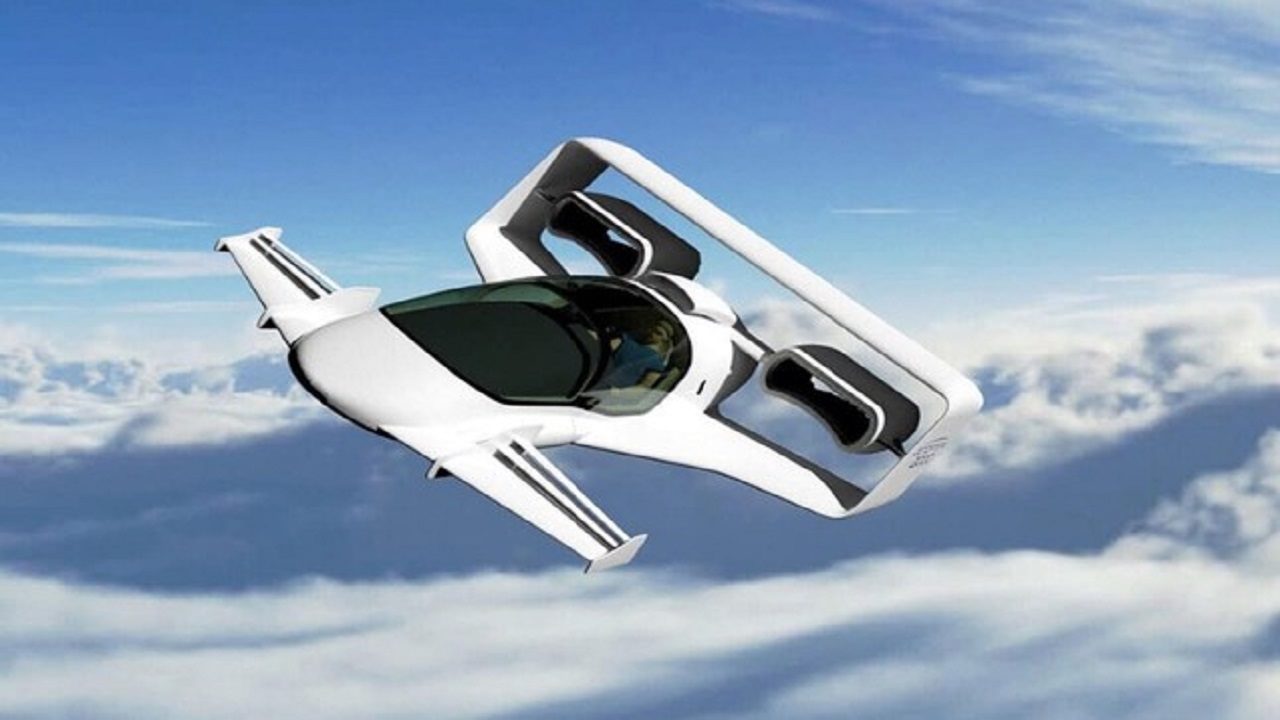
With An Innovative Idea, The Company Jetoptera Is Developing An Electric Flying Car That Does Not Use Blades And Flies With The Use Of Fluid Propulsion
Jetoptera is in the process of developing an electric car capable of flying without blades, using only fluid propulsion. The company estimates to launch the flying car within two years and aims to provide an electric air taxi. The project is named J-2000 and is a VTOL vehicle, vertical takeoff and landing aircraft, which has a lower cost than a helicopter.
Read Also
Understand How The Blade-Free Flying Car Propulsion System Works

The propulsion system of Jetoptera’s electric flying car is different from other companies, becoming a unique feature of the company. Much like the blade-less fans popularized, there are no rotating blades in Jetoptera’s fluid propulsion systems. Of course, there are other rotating blades in other parts of the flying car’s system, and both require the passage of fluids to create a small flow of compressed air and use it to suck in a much larger volume of ambient air at high speed.
-
Engineers propose a fourth traffic light for intersections – the change promises to affect crossings, queues, and waiting times.

-
Chevrolet Suburban Z71 lands in Brazil with a V8 engine, off-road design, air suspension, seven seats, and colossal size, a rare version imported for around R$ 1.3 million with luxury and exclusivity.
-
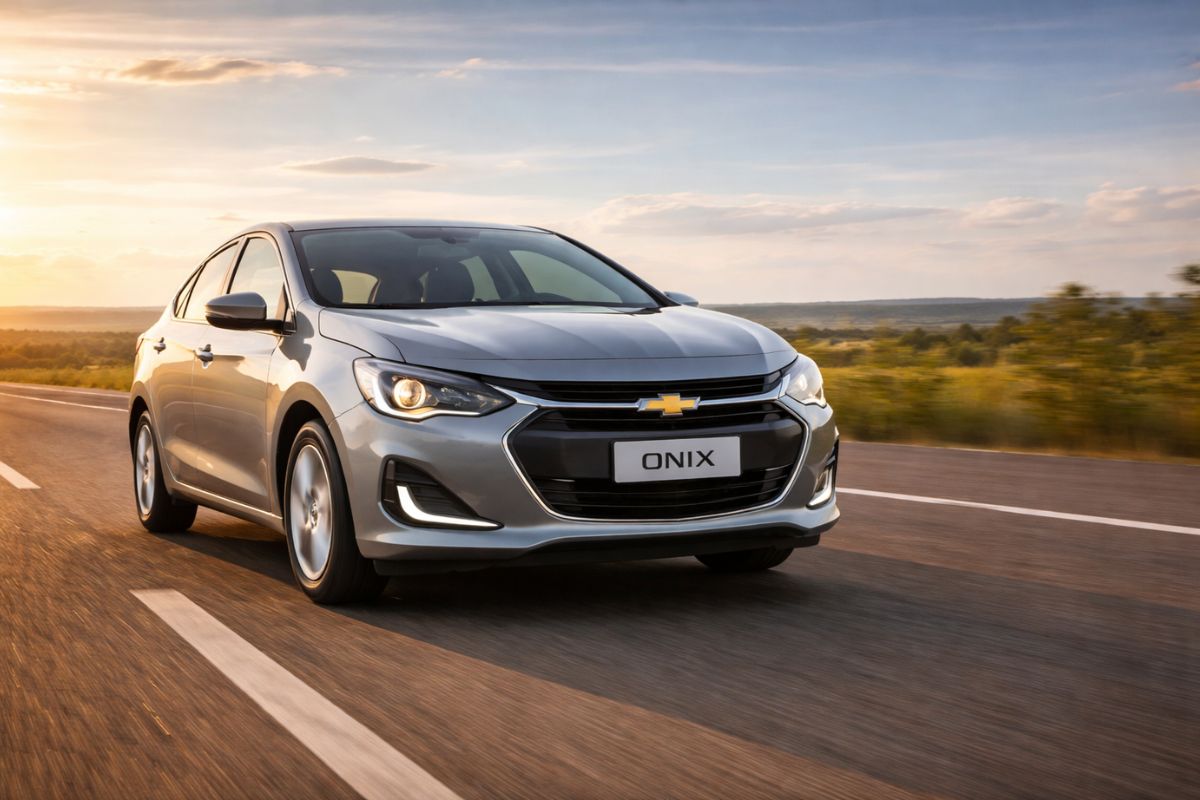
The Chevrolet Onix 1.0 turbo achieves 17.7 km per liter on the highway and ranks among the three most economical cars in Brazil in 2026, alongside two more expensive Toyota hybrids available at dealerships.
-
Little sister of the Hilux: Toyota launches Land Cruiser FJ with 4 radical versions, 2.7 engine with 166 hp and 4×4 traction with locking.
The air is forced backward over a wing-shaped surface around a ring, where a kind of negative pressure is developed that gives the flying car its lift. Additionally, the pressure differential is neutralized in areas of equal negative pressure around the ring, resulting in a low-pressure vortex in the center of the ring.

Benefits Of The Blade-Free Electric Flying Car
According to the company, this type of system improves propulsion efficiency by 10%, and also reduces fuel consumption by 50% compared to small turbojets. The propulsion system, when compared to turbofans or turbo propellers, is 30% lighter and much less complex.
The company also claims that being lightweight makes it easier to tilt, allowing for VTOL lift and hover operations, as well as fast forward cruising flight. Furthermore, unlike any other type of propulsion system for existing electric flying cars on the market, it does not require a circular shape. In addition to all these benefits, the company’s blade-free electric car has one of the quietest systems in the skies.
The company subcontracted Paragrine Systems to conduct noise tests as part of research funded by the U.S. DoD. The test found that the propulsion system is 15 dBA lower than blades powered by internal combustion engines and this is before any acoustic treatment, which according to the company, can reduce it by up to 25 dBA.
Jetoptera Plans A Family Based On The Electric Flying Car
The flying car, J-2000, received its name due to its maximum takeoff weight of 2,000 lb (907 kg), and the company already aims for a whole family of flying cars of this type, based on the design. This includes high-speed versions, aiming for around 644 km/h with a range of 644 km. Additionally, it will also create a flying car model with a range of 1930 km at a speed of 322 km/h.

Formado em Jornalismo e Marketing, é autor de mais de 20 mil artigos que já alcançaram milhões de leitores no Brasil e no exterior. Já escreveu para marcas e veículos como 99, Natura, O Boticário, CPG – Click Petróleo e Gás, Agência Raccon e outros. Especialista em Indústria Automotiva, Tecnologia, Carreiras (empregabilidade e cursos), Economia e outros temas. Contato e sugestões de pauta: valdemarmedeiros4@gmail.com. Não aceitamos currículos!







Seja o primeiro a reagir!