






 Portuguese
  Spanish


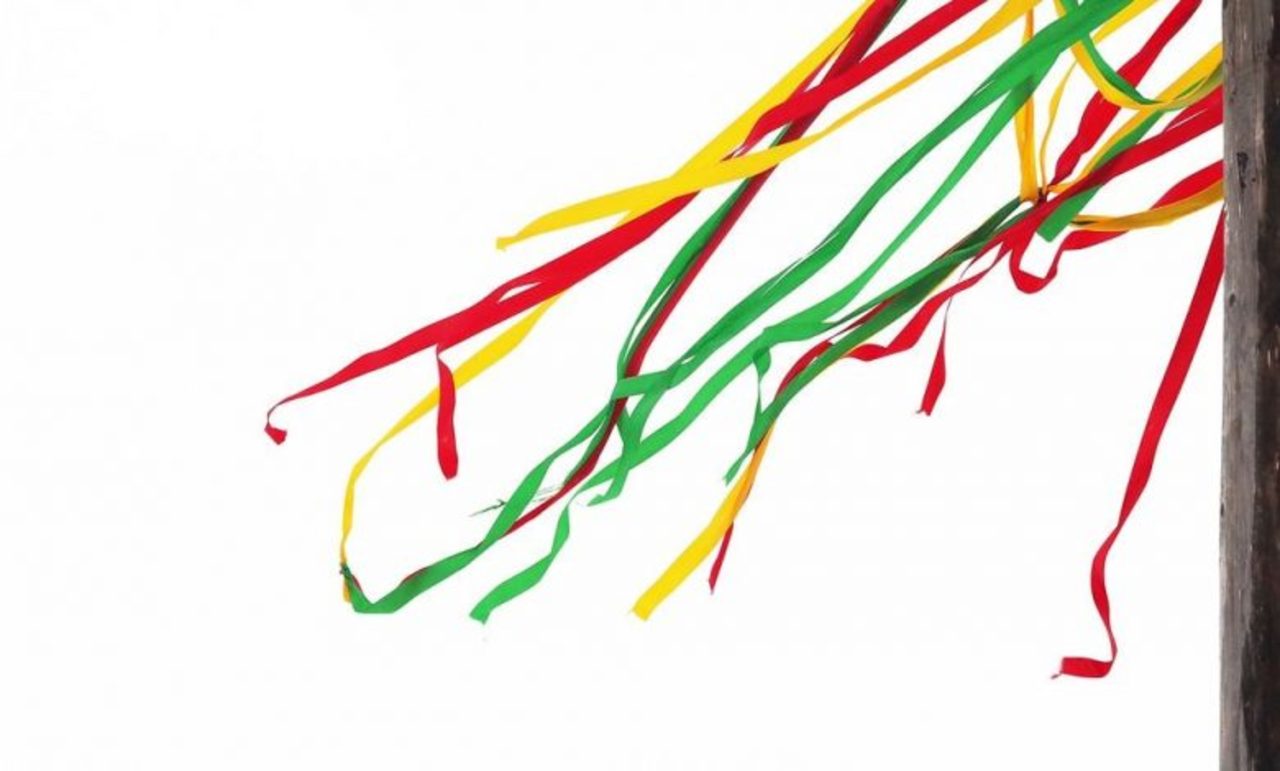

China Innovated Once Again and Is Bringing a Mini Wind Power Generator That Can Operate Without the Use of a Propeller
A team of researchers from China has developed a type of mini wind power generator capable of generating electricity using just gentle breezes and without the need for a propeller; instead, it uses ribbons.
Read Also
Scientists from China have developed a mini wind power generator capable of harvesting electricity from the breeze a person produces while walking. The device, named B-TENG, promises to revolutionize sustainable energy generation from wind. The results were detailed in a recently published article in Cell Reports Physical Science.
Understand How the Mini Wind Turbine Works
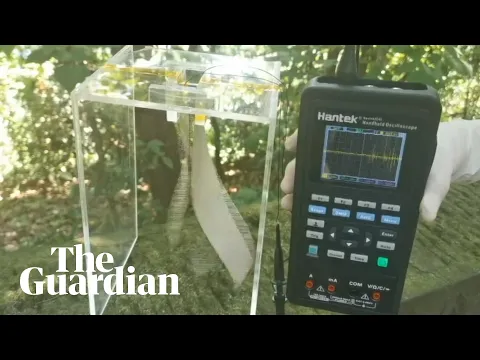

The mini wind turbine from China consists of two plastic ribbons inside a tube that vibrate or hit each other in the presence of an airflow, eliminating the need for batteries. This airflow can be generated by a simple breath – and even from the movement of a person’s arm while walking.
-
Giant Batteries Take Center Stage in Chile Auction as Company Offers 960 GWh of Solar Energy for Nighttime Use, Aiming to Stabilize Solar Power Supply

-
After a Year of Success in Switzerland, Solar Railway Attracts Italy’s Interest for Clean Energy Transformation
-
Robots Clean Solar Panels in Desert Power Plants Without Water, Preventing Energy Losses
-
Brazil’s Offshore Wind Energy Potential Worth $1 Trillion Stalled by Long-Delayed Agreement





According to the researchers from China, a gentle breeze of 1.6 meters per second is enough to power the device. However, it works best at a speed that ensures the two plastic strips vibrate in sync, when wind speed is between 4 and 8 meters per second.
“We placed our nanogenerator on a person’s arm, and the airflow from the swinging arm was enough to generate energy”, says Ya Yang. During tests, the equipment achieved an efficiency of 3.23% in wind conversion and produced enough power to light 100 LEDs or temperature sensors.


