





 Portuguese
  English
  Spanish
  3 min of reading


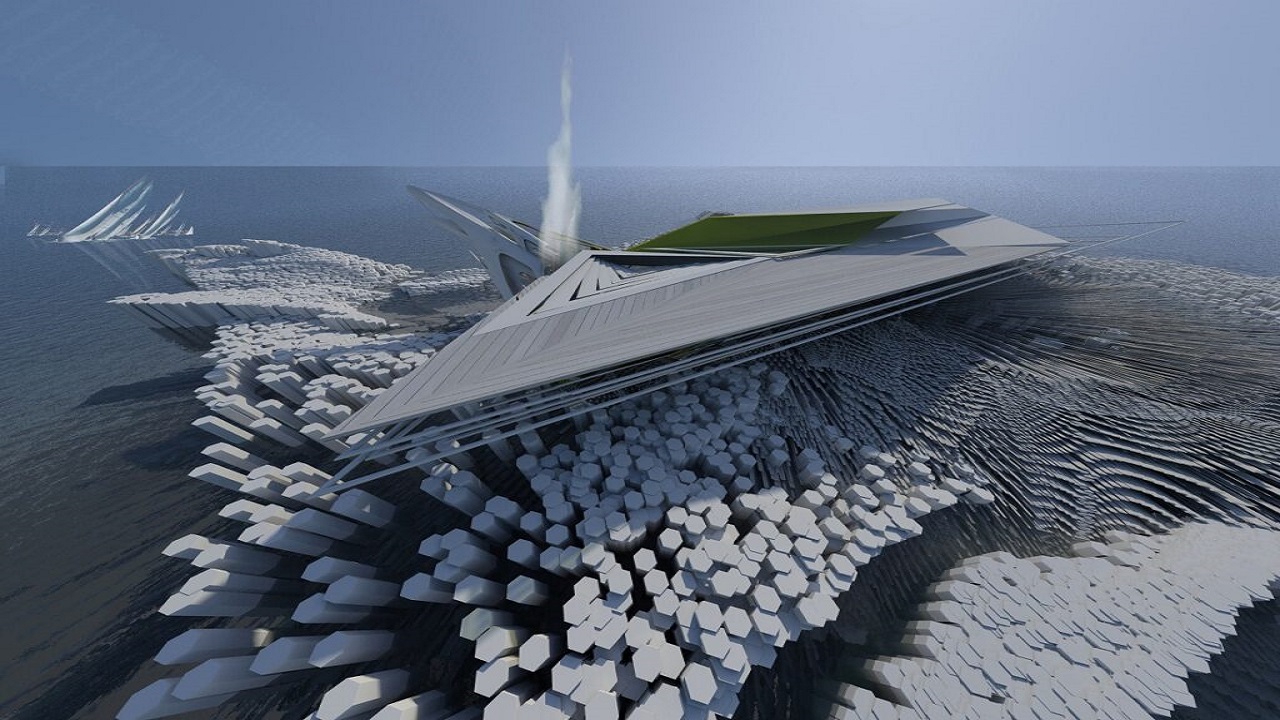
A New Concept of a Building That Generates Clean Energy. The Enterprise Uses Wave Energy and Solar Energy to Sustain Itself and Offer Several Advantages.
A futuristic resort that is simultaneously a clean energy generation plant. This is the Hydrokinetic Energy Resort project by Margot Krasojevic Architects, built on the Northwest Coast of Scotland.
The central idea is that the building combines tourism with wave energy generation. The project was developed to be structured on a floating platform, made up of clusters of hollow hexagonal columns, resembling balustrades, which are equipped with dual reversible vertical turbines that can expand the resort’s area.
Turbines Will Be Built with Marine Geopolymer Concrete
The shape of the turbines, which generate clean energy, is based on the volcanic rock coastlines of basalt, generating different levels of height and closed rocky pools, which are hollow, allowing seawater to enter as the tide rises to move the turbines and generate the famous wave energy.
-
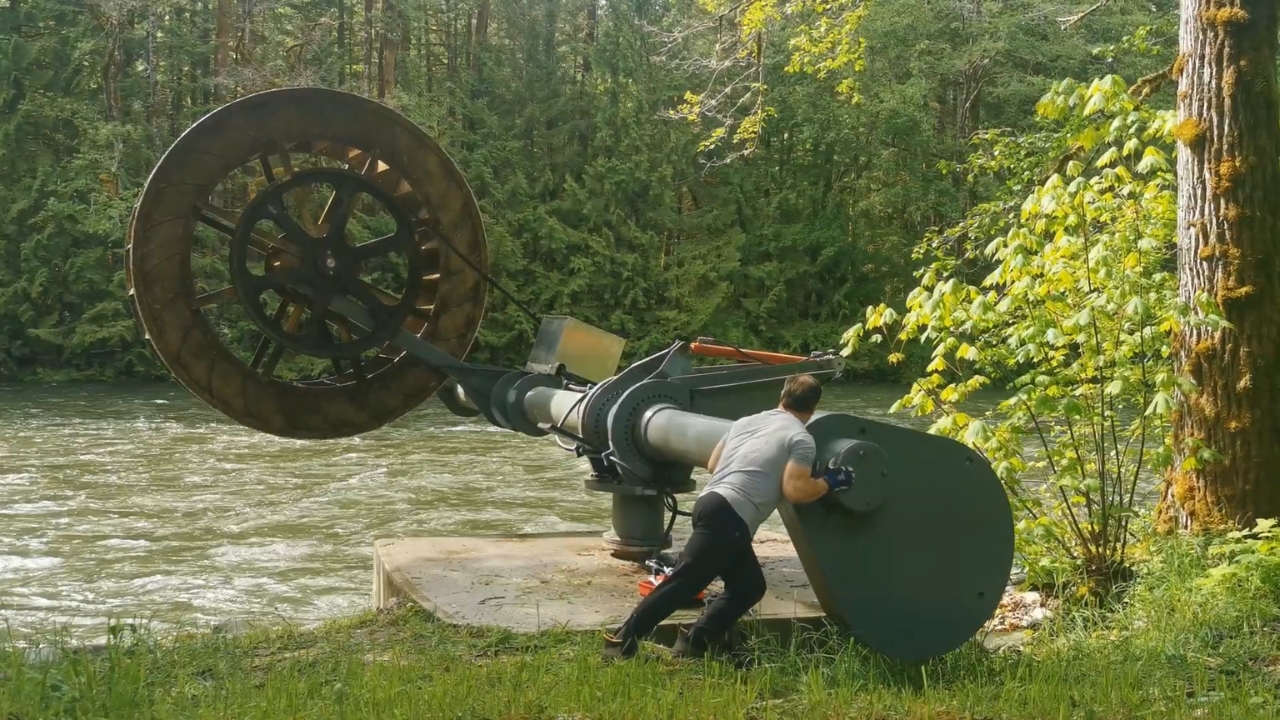
A Canadian retiree creates a hydroelectric system on a real river, generating energy continuously throughout the day and demonstrating how the power of water can supply a house with stability even in a simple structure.
-
Petrobras reaffirms its commitment to the market and ensures that it will carry out the energy transition safely to maintain national sovereignty.

-
Researchers discover a possible hydrogen deposit of up to 46 million tons beneath an ancient coal basin, and the volume could exceed half of the entire global production.

-
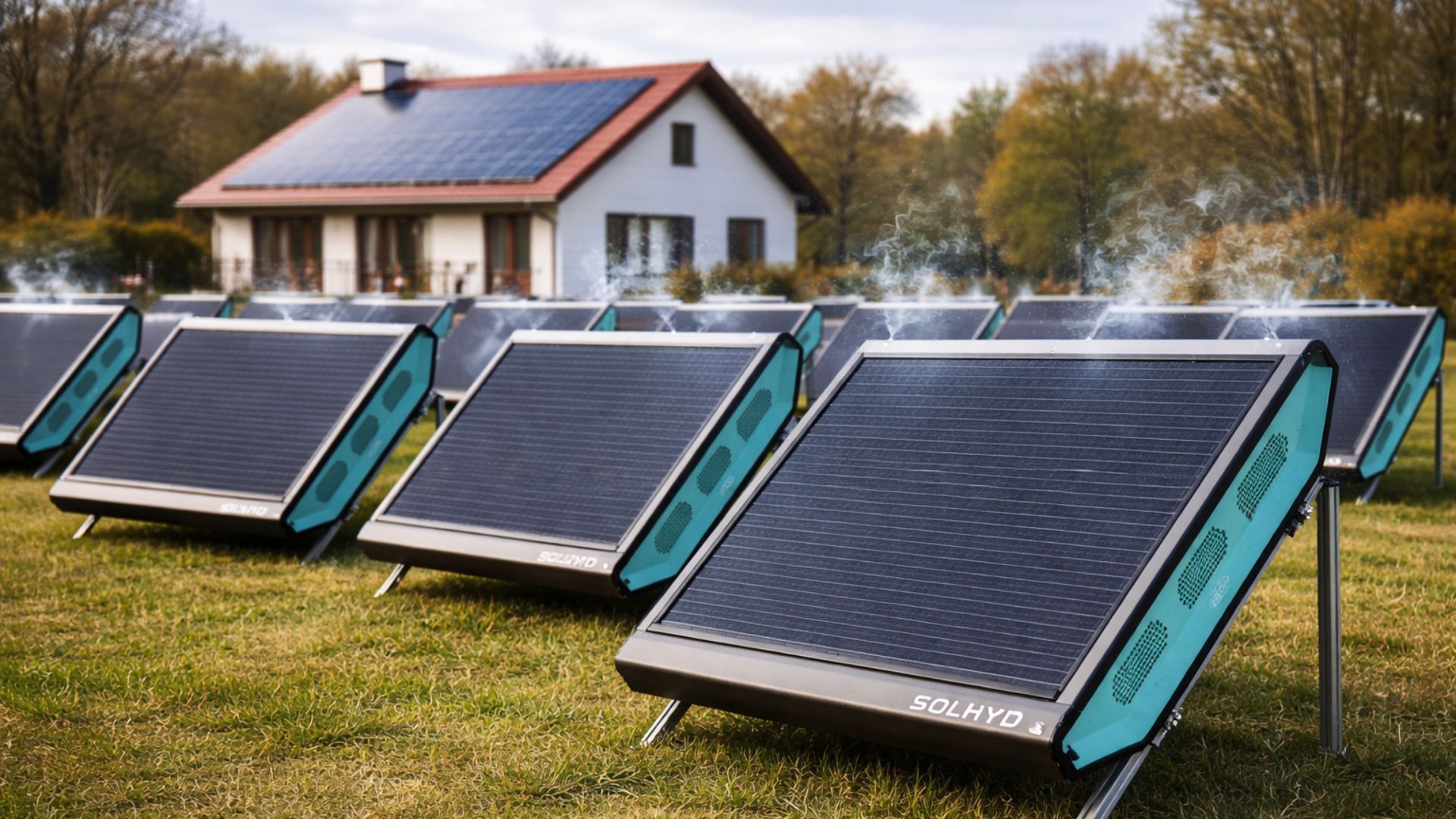
China bets on the Fishery-PV model and transforms fish farms into giant solar plants, covering ponds with panels that generate energy while utilizing the same space for large-scale aquaculture production.


The open hollow structure has the characteristics of a marine geyser. The intent is for seawater to enter, forcing the upward movement of its vertical axes, generating hydrokinetic pressure to activate the turbines.
This artificial geyser is articulated from the main structure and the landscape, adjusting to the climatic and sea conditions for maximum clean energy generation. The main objective is that the group of wave energy generation turbines be built using marine geopolymer concrete for low density mass and strength, providing movement and resilience with minimal impact to the fabric, weather conditions, or wear.
The building’s composition includes a canopied structure, developed in galvanized steel, being lightweight and rust-resistant, yet strong enough to support the polycarbonate and acrylic clad panels, as well as a truss structure that can span large areas without the need for internal columns, providing a flexible open space.
Wave Energy Building Can Generate Up to 1 MW of Power with Solar Energy
According to Margot Krasojevic Architects, the building’s typology falls within resort and plant functions to provide accessibility to the coast and recreational facilities for tourists while protecting the ecosystem and natural habitat. The wood-clad columns, for instance, offer a filtration system that protects the sea from construction pollutants.
Another essential resource installed in the building is the generation of clean energy through solar panels. With immense exposure to sunlight and reflected light, the estimate is that the wave energy building could generate 1 MW of energy for one thousand homes on the Scottish mainland, thus not only generating clean energy for its operation but also sending energy to the mainland.
Project Aims to Regenerate the Coastline
According to the architects, one of the goals of the project for the building that uses wave energy is to use architecture to protect and regenerate the coastline. For now, the project is just a concept, with no estimate for construction; however, Margot Krasojevic’s architecture has been engaged in various projects involving the inclusion of clean energy sources and technology in architecture.
Krasojevic believes that an interdisciplinary design strategy is essential for architecture that proposes new typologies, reflecting the ever-changing environment.
It is worth noting that several other projects aim to generate energy through the kinetic energy of waves, such as CorPower Ocean, a Swedish company that is a reference in the sustainability segment, which is developing a great solution to generate clean energy through ocean energy.






Seja o primeiro a reagir!