





 English
  Francês
  Alemão
  Italiano
  Japonês
  Norueguês
  Portuguese
  Spanish
  3 min of reading


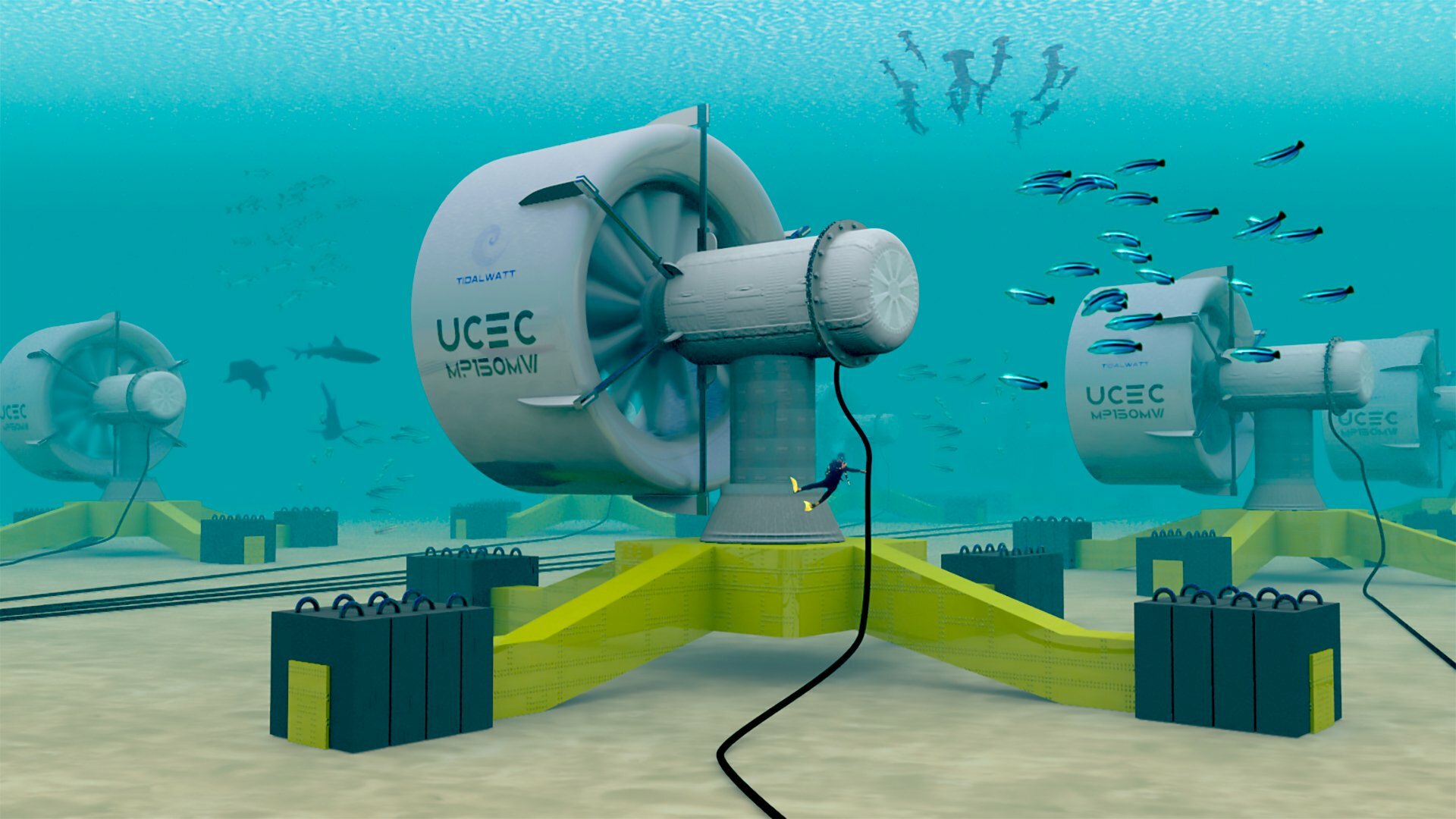
Brazilian Physicist Developed Underwater Turbines That May Be Much More Efficient Than Traditional Wind Turbines. Just One Single Turbine Can Generate Clean Energy for 22,000 Homes.
Amid the search for renewable energy generation methods, given that 80% of global energy generates polluting gases, the Brazilian Physicist may have found a way to do this. The company developed a new generation of underwater turbines that are much smaller, generate more energy than wind turbines, and were specifically designed to harness energy in the ocean.
Underwater Turbines Measure 3m and Can Generate 5 MW of Power
According to Maurício Queiroz, founder and CEO of the startup, when the energy source is predictable and constant, as is the exclusive case of the ocean, it is possible to assert that this source provides energy security.
This way, the ocean is the only source of safe clean energy. Ocean currents are already extensively mapped around the world, so we already know several positions for the installation of these underwater turbines.
-
350-year mystery may have been solved: remains of a soldier who inspired the hero of The Three Musketeers found beneath a church in the Netherlands.

-
NASA photographed a nearly perfect square with 3 km sides on Mars, 13 times larger than the Great Pyramid of Giza, but the official explanation is natural erosion; still, no one has explained why the four sides have almost identical lengths.

-
Starlink breaks the barrier of 10,000 satellites in orbit and takes its expansion to an unprecedented level, with a direct impact on global internet, technological competition, and the race for space.

-
Japan finds an alternative to oil amid rising prices by transforming ocean balance into electricity with a new technology that maintains efficiency even when the sea changes.
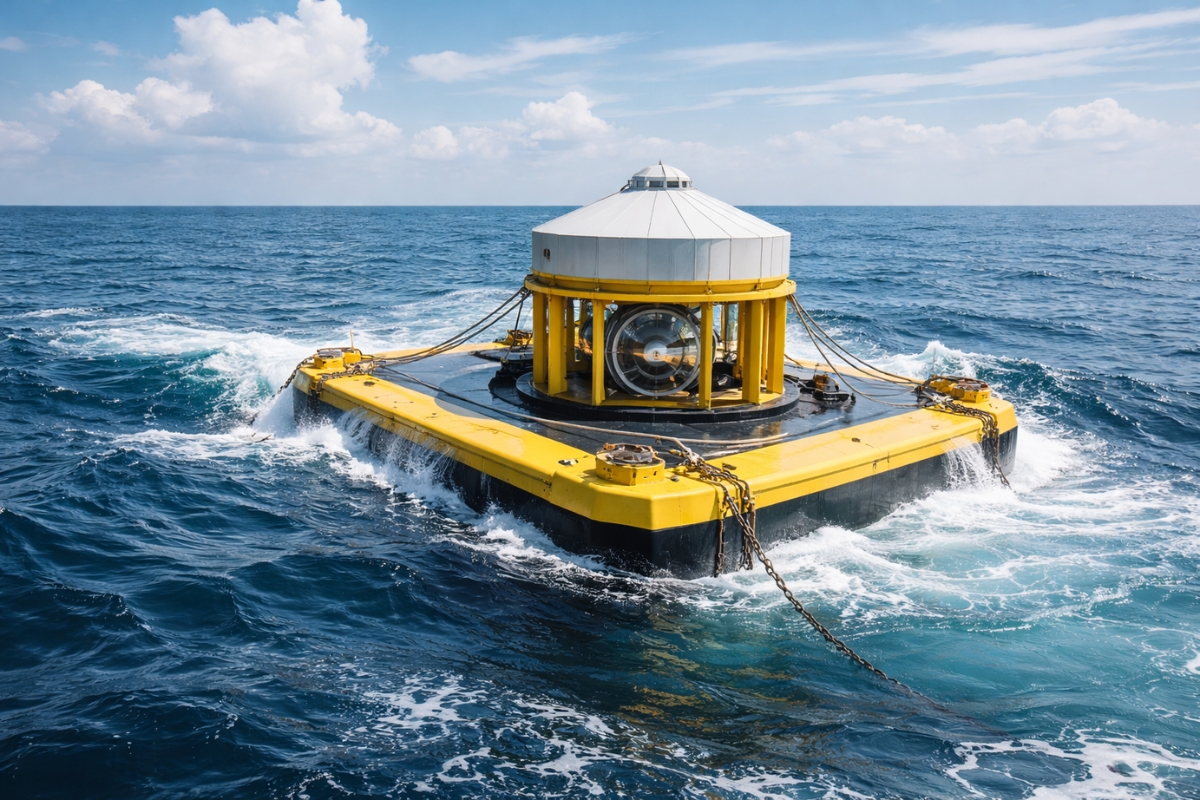
The product is designed exclusively to capture hydrokinetic energy associated with underwater currents. Unlike wind turbines, this technology is not based on wind or aerospace mechanisms, which lose energy between the blades of the wind turbine, but rather continuously captures the energy generated by upstream currents.
Queiroz explains that a 3 m diameter underwater turbine has the capacity to generate 5 MW of power at a current of 1.87 knots, practically the same power as an 180 m diameter wind turbine. Thus, the turbine with a 60 times smaller diameter generates the same power. Additionally, due to the availability of the source, a wind turbine generates energy 90% of the time, meaning it is 3,600 times smaller in coverage area, considering that the startup’s turbines can generate 3 times more energy.
Just One Underwater Turbine Can Generate Energy for 22,800 Families
The startup plans to install its turbines in locations with average current speeds above 1 knot, generating 5 MW with the turbine’s capacity ranging from 70% to 95%. Considering the average energy consumption of Brazilian households, Queiroz states that each of these turbines can serve about 22,800 families.
The executive emphasizes that when we talk about energy generation capacity, we are referring to how much energy available in nature can be converted into electricity. Regarding the ocean, it depends on the infrastructure that will be built with investments to meet the demands of various locations.
The company also focuses on protecting marine life, as the installation locations were chosen far from coral reefs to ensure that nearby ecosystems are protected, avoiding bottom trawling in the ocean. Just like the bases of some power plants with wind turbines, artificial reefs will be formed to allow various marine species to live and reproduce safely there.
Environmental Benefits
The technology of the Brazilian Physicist promises environmental and economic benefits and aligns with the SDGs 7, 13, and 14, which are clean and accessible energy, action against climate change, and life below water, respectively.
The system was developed to transform economically inactive and uninhabited ocean areas into sources of revenue without disturbing surrounding ecosystems and without generating any visual or noise pollution. The structures are much smaller than wind turbines, therefore easier to maintain, and more versatile, being able to be installed in rivers without the negative effects of hydropower.







Seja o primeiro a reagir!