





 English
  Francês
  Alemão
  Italiano
  Japonês
  Norueguês
  Portuguese
  Spanish
 3 min of reading
  0 comments


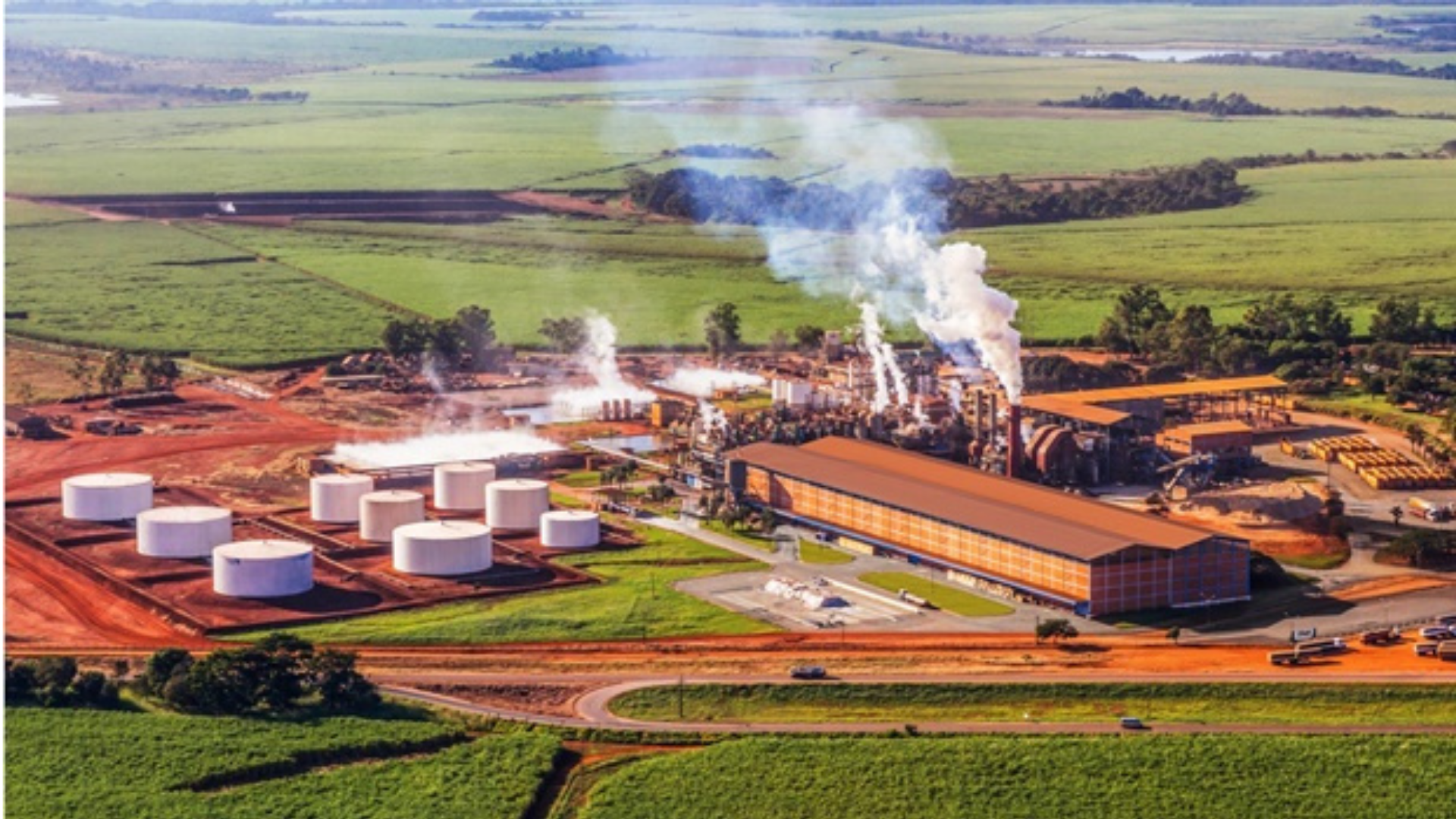
Jalles Machado Closed an Agreement with Albioma to Develop a Biogas Production Project from Vinasse, a Byproduct of Ethanol Distillation
Jalles Machado has closed a contract with Albioma related to the expansion project aimed at increasing the energy efficiency of the biomass power generation unit adjacent to the Otávio Lage Plant and for the development of a biogas production project from vinasse, a byproduct of ethanol distillation. The sugar-energy company plans to invest R$ 94 million. Read this news too: Copel and Itaipu Power Plant Launch Pioneer Project Generating Energy from Biogas in Western Paraná
- Deputy Creates Bill That Could Dismiss Over 500,000 Gas Station Attendants and End the Profession in Brazil
- Startup Launches “Portable Plant” That Eliminates Fuel Use and Can Be Recharged with Solar Energy
- U.S. Company Calls for Brazilians for Home Office Job Openings with Salary in Dollars, Without Leaving Brazil, and Various Benefits
- Niobium Batteries for Electric Trucks and Other Heavy Vehicles Will Come from Japan in a Partnership Between Volkswagen and CBMM to Boost the Vehicle Market in Brazil
- Multinational Bracell Opens the World’s Largest and Greenest Pulp Mill in Interior SP
The Biogas Production Project to Be Executed at the Otávio Lage Plant in the State of Goiás
The partnership between Jalles Machado, a reference company in the sugar-energy sector, and Albioma, an independent energy producer, includes as part of the biogas production project at the Otávio Lage Plant in Goiás, the contribution of Biomass, Vinasse, and other assets subject to a purchase option in 2033 or at the end of the relationship between the two companies.
The other part of the biogas production project from vinasse, a byproduct of ethanol distillation, aims to fulfill the obligations assumed by Albioma in the power purchase contract, with a term of 20 years starting in 2025, for a volume of 64 GWh and a guaranteed price of R$ 202.35/MWh, as adjusted for inflation, resulting from ANEEL Auction 007/2021 (A4) held on July 8, 2021.
-
Unemployment rises again to 5.8% at the beginning of 2026, raising alarms about the end of temporary positions and its impact on the Brazilian job market.

-
Document organization can cut invisible costs in small businesses, a simple step that prevents waste, rework, and losses in daily operations.

-
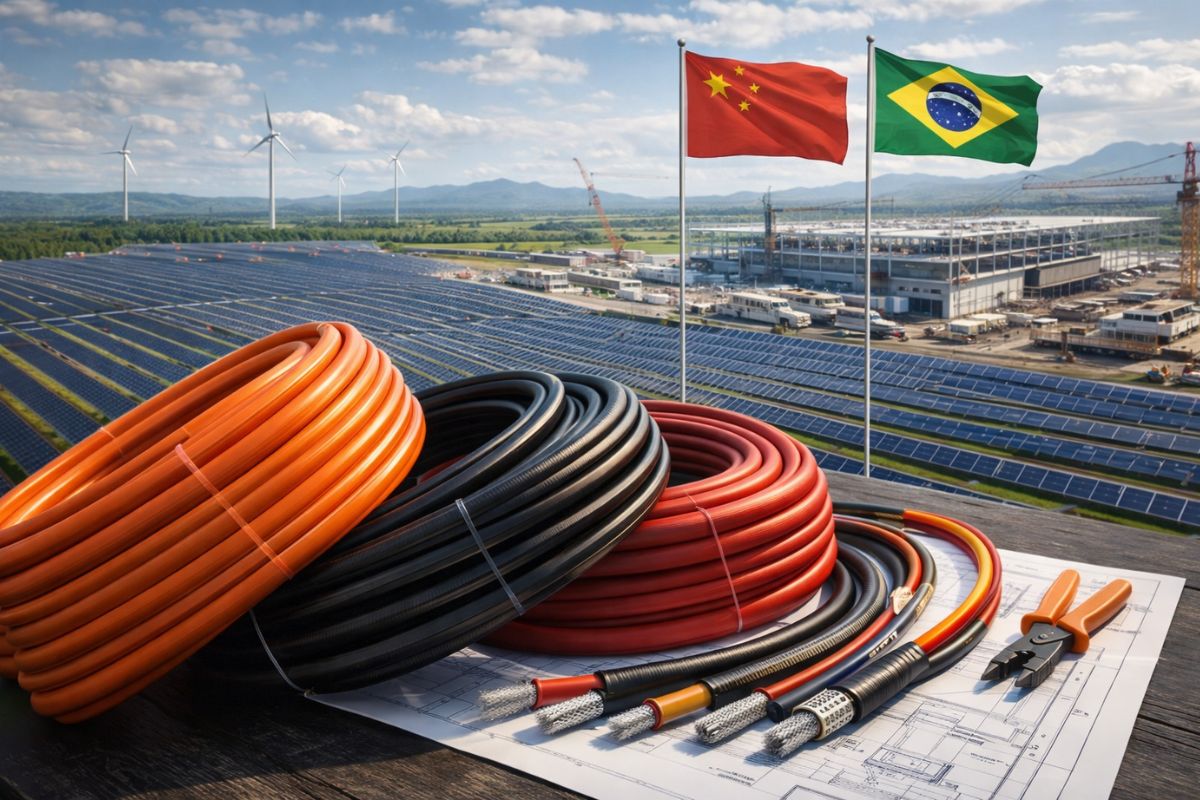
Chinese giant worth nearly R$ 4 billion that manufactures cables for electric cars, solar energy, and robotics wants to open a factory in SC.
-
Many employers do not know, but the law guarantees domestic workers a 25% increase in salary during trips, 50% for overtime, 20% for night shifts, and 17 additional benefits that can lead to labor lawsuits if not paid.

Albioma Codora Energia Recently Won the Auction Held by Aneel
Jalles Machado’s subsidiary, Albioma Codora Energia, won an auction held by Aneel for the sale of 64 gigawatt-hours (GWh) of energy. According to the document, the contract duration will be 20 years starting in 2025 at a guaranteed price of R$ 202.35/MWh, to be adjusted for inflation.
To honor the agreement, the company relies on the increased energy efficiency of the biomass energy generation unit adjacent to the Otávio Lage Plant and the development of the biogas production project. “The biogas production unit, which will feature innovative production technology, is in the development phase, with project management by Albioma,” they reported.
Check This News Too: With a Focus on Renewable Energies, Vivo Opens Its New Biogas Plant in the State of Pernambuco
Vivo, the largest telecommunications company in the country, is advancing initiatives that prioritize renewable energy sources and inaugurates in Caruaru, in the state of Pernambuco, its first biogas plant in the Northeast region. This is the second unit of this model dedicated to Vivo’s consumption in the country. The new biogas plant of the operator was built and is operated by Grupo Gera. The plant is located at the landfill in Caruaru, Pernambuco, and has the capacity to generate 18,834 MWh/year, intended to serve over 1,100 consumer units of the company located in the state, such as stores, sites, and antennas.
In the distributed generation model, the energy produced by the plants, which are located closer to the consumption points of the companies, is injected into the local distributor’s grid. Vivo’s Property Director, Caio Guimarães, reveals that renewable energy production in the distributed generation model brings economic, social, and environmental benefits, as it helps minimize losses in the system, alleviates the grid load, avoids environmental impact, and also encourages local development.







Seja o primeiro a reagir!