Portuguese
  Spanish


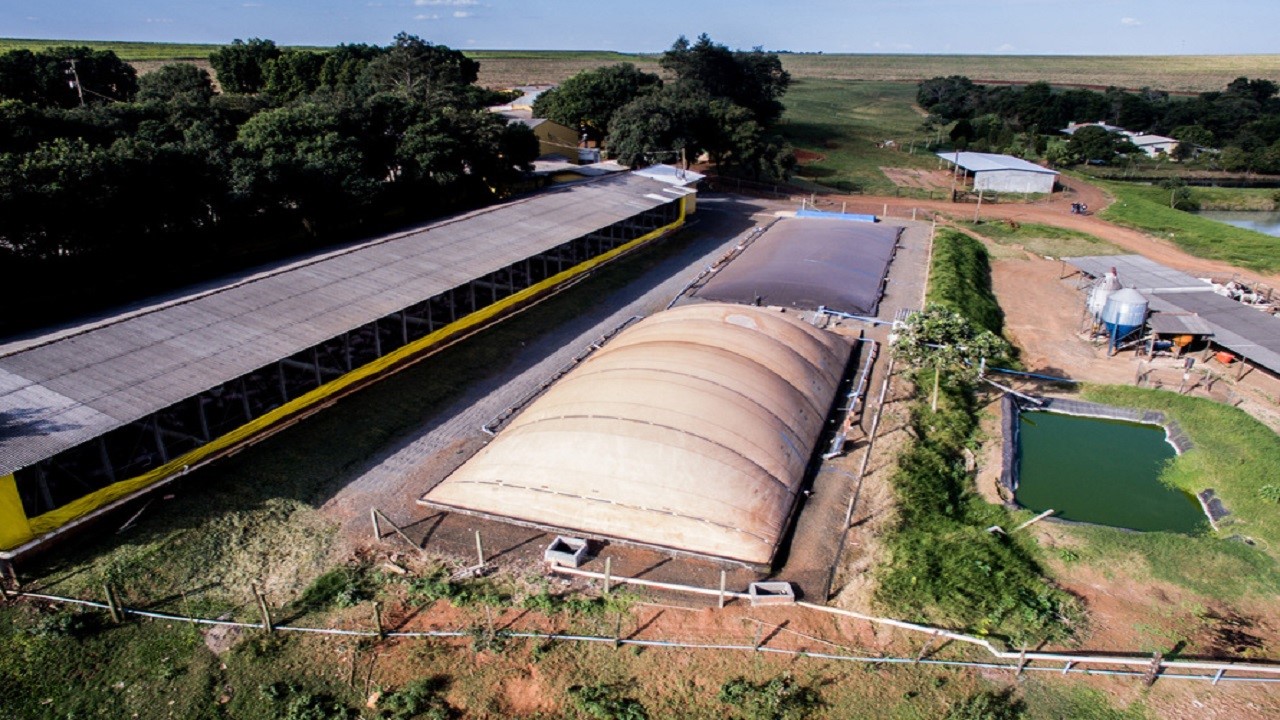

Copel and Itaipu Plant Are Promoting Sustainability by Generating Energy from Biogas from Granja Colombari, Which Will Form a Supply Microgrid. This is a Pioneer Project in Distributed Generation in Paraná and Throughout the Country
A project that generates energy using Biogas for over 15 years in Western Paraná has just taken another essential step in terms of operational and technological innovation for decentralized energy generation, known as distributed generation (DG). Through an agreement between Itaipu and Copel, which will come into effect this week, Granja Colombari, in São Miguel do Iguaçu, will form a supply microgrid for its property and other neighboring units, enhancing energy security in the region.
Read Also
Itaipu Plant and Copel Celebrate Agreement
With the implementation of the microgrid in Paraná, in the event of a failure in Copel’s energy distribution system, the generating unit will automatically isolate itself from the system and can supply energy to the area during the contingency period.
A region islanding operation test was conducted two weeks ago, as a result of three years of hard work, made possible through a memorandum of understanding between Copel and Itaipu plant in Paraná.
-
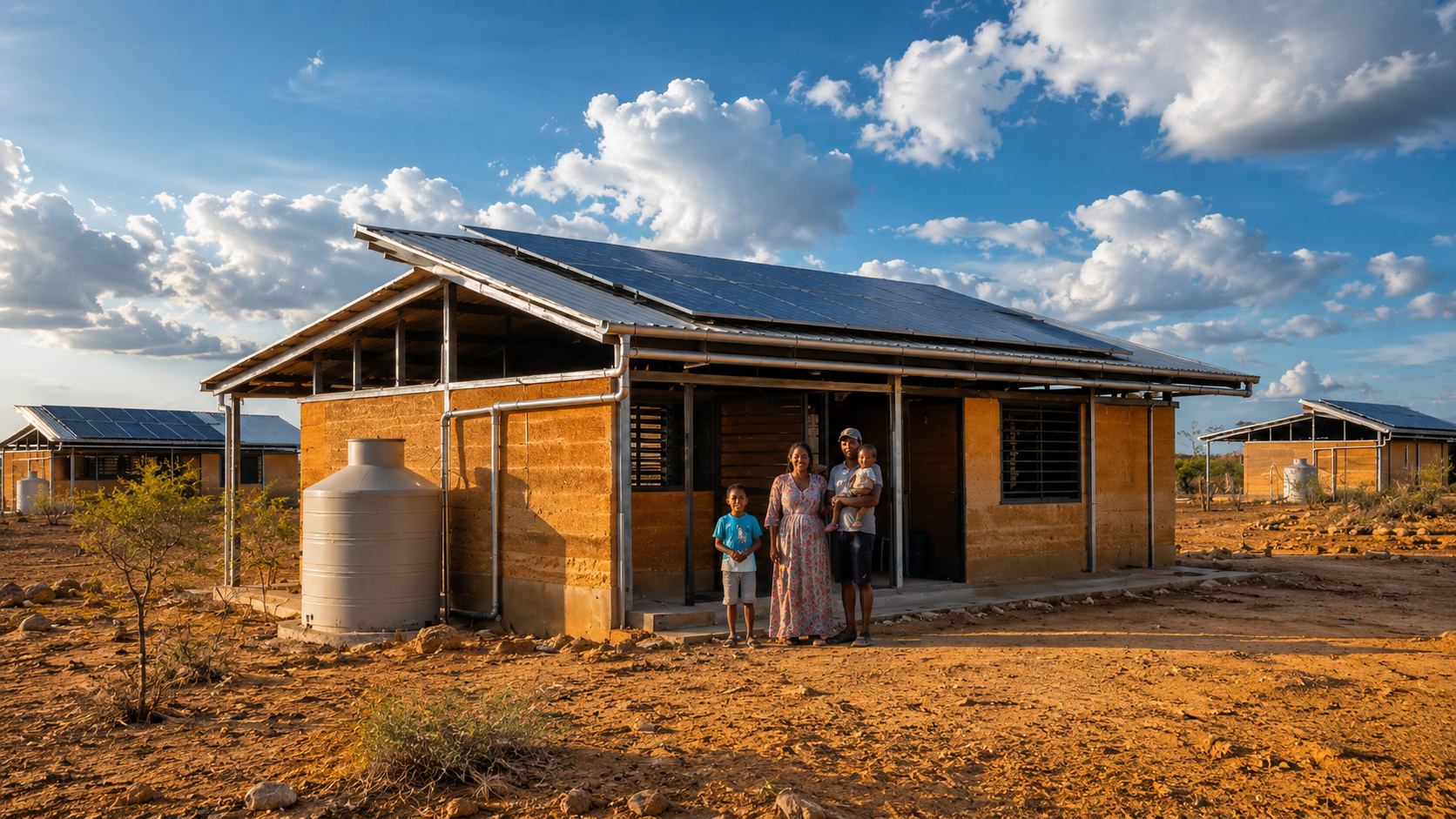
In Colombia’s desert, 30 families receive 80 m² homes with solar panels, waterless toilets, and rainwater collection systems amid water and energy shortages.

-
Engie Secures 10-Year Use of 625 MWh in Batteries to Store Excess Solar and Wind Energy in Spain by 2028
-
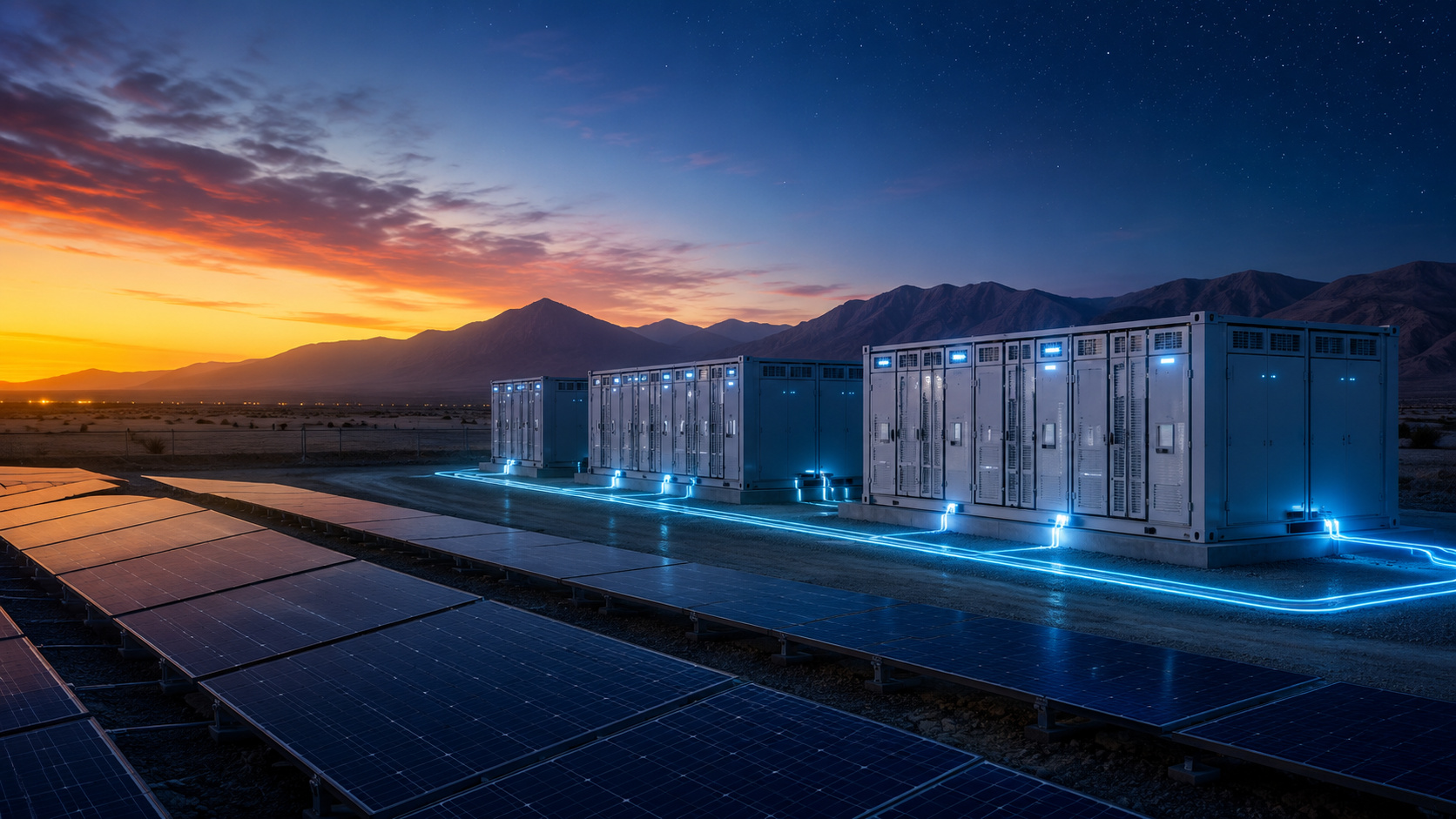
Giant Batteries Take Center Stage in Chile Auction as Company Offers 960 GWh of Solar Energy for Nighttime Use, Aiming to Stabilize Solar Power Supply
-
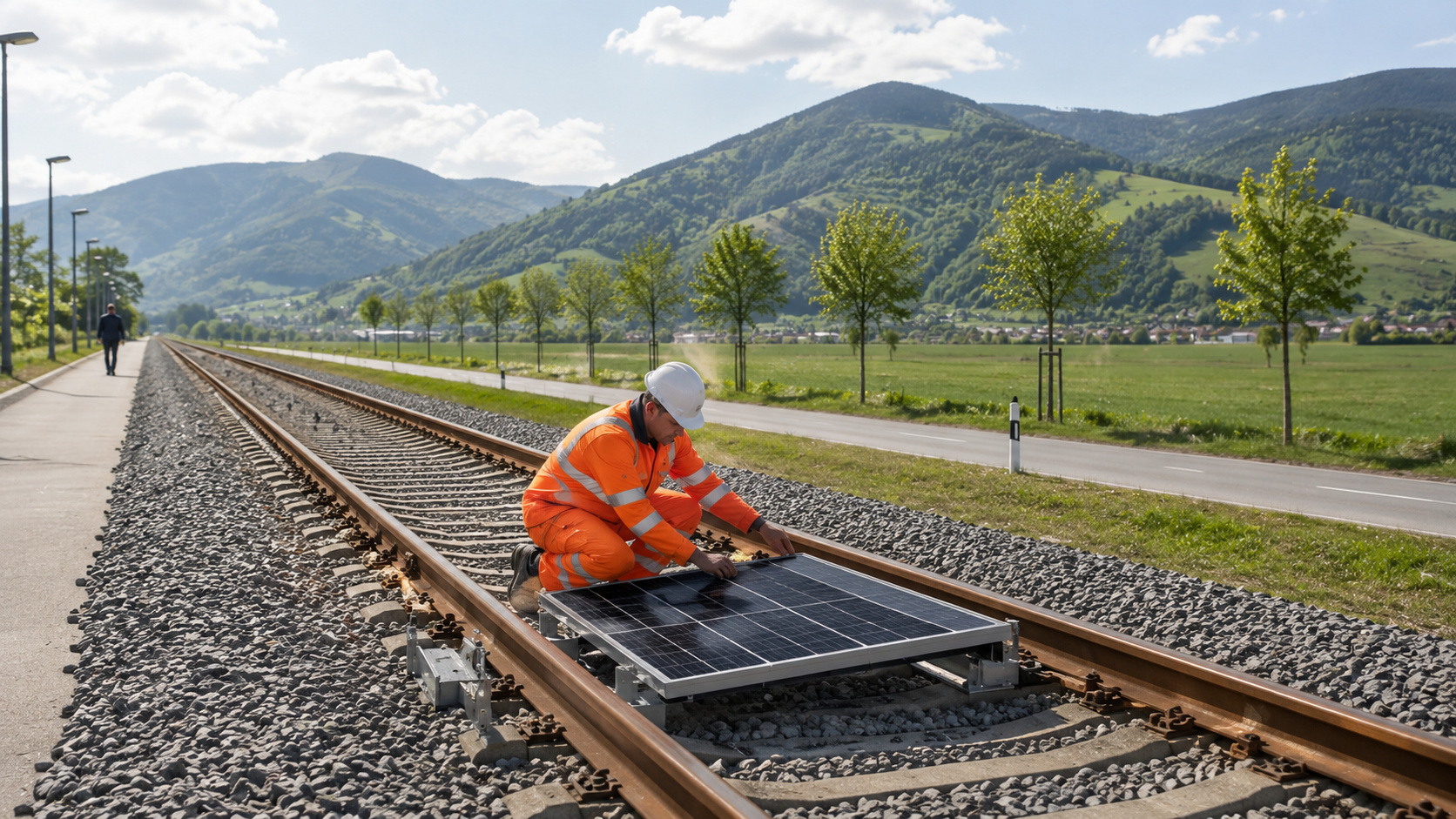
After a Year of Success in Switzerland, Solar Railway Attracts Italy’s Interest for Clean Energy Transformation

The Itaipu Technological Park and Copel Celebrate an Operation Agreement, Aimed at Establishing Operating Procedures and Ensuring Safety. It is noteworthy that CIBiogás is also a partner in this initiative in Paraná.
Executives from Copel and Itaipu Discuss Partnership and Investments in the Biogas Market
According to Julio Omori, Superintendent of Smart Grid and Special Projects at Copel, this is an energy project being treated with great attention in collaboration with the Itaipu plant, as it is a chance to maximize distributed generation, especially in rural areas.
Julio stated that this is just the beginning of a system that can operate at various power levels, with multiple energy-generating sources, besides Biogas, and may expand throughout Copel’s concession area and even across Brazil.
According to General Luiz Felipe Carbonell, Coordination Director at Itaipu, the plant sought, through the project in Paraná, to meet its strategic missions, which are: preserving the water resources of the region, which are used for energy generation, and increasing the use of renewable energy sources, such as Biogas, aiming to reduce environmental pollution.
New Biogas Project Can Reduce Pollutant Gas Emissions by 90%
The project in Paraná reuses the pig waste from the property. The feces and urine from the pigs go into a tank, where they undergo treatment for about a month to stop being pollutants, reducing the emission of 90% of the gases that contribute to the greenhouse effect.
At the end of the process, two products are generated: biogas, aimed at energy generation, and biofertilizer, used as fertilizer for crops. The property’s livestock consists of approximately 5,000 pigs and 350 cattle, where the waste has the capacity to feed a mini plant with an installed capacity of 75 kW.