





 Portuguese
  English
  Spanish
  3 min of reading
  78 comments


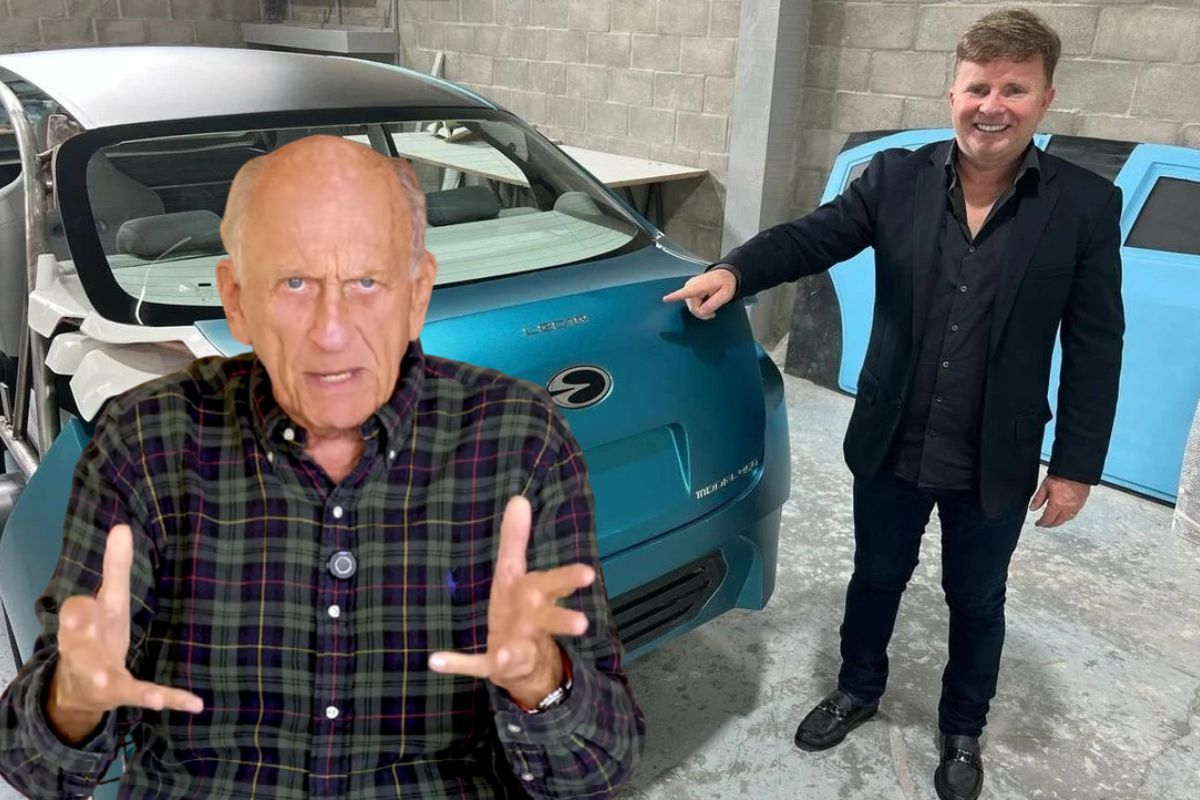


The Lecar Project, From Entrepreneur Flávio Assis, Still Does Not Have a Running Car or a Built Factory, But Is Already Asking for Customer Reservations and Investment in Dealerships — a Situation That Led the Public Prosecutor to Investigate Possible Irregular Collection of Savings.
The entrepreneur from Espírito Santo Flávio Assis, who calls himself the “Brazilian Elon Musk”, has been attracting attention in the automotive sector with bold promises. His project, named Lecar, talks about producing 120,000 vehicles per year, including a sedan, a pickup truck in the style of Fiat Strada, and even an SUV.
The problem, according to automotive journalist Boris Feldman, is that there is no factory built, nor any car undergoing tests.
While the speech aims at numbers from already consolidated multinational companies, the reality is that it is an endeavor still on paper.
-
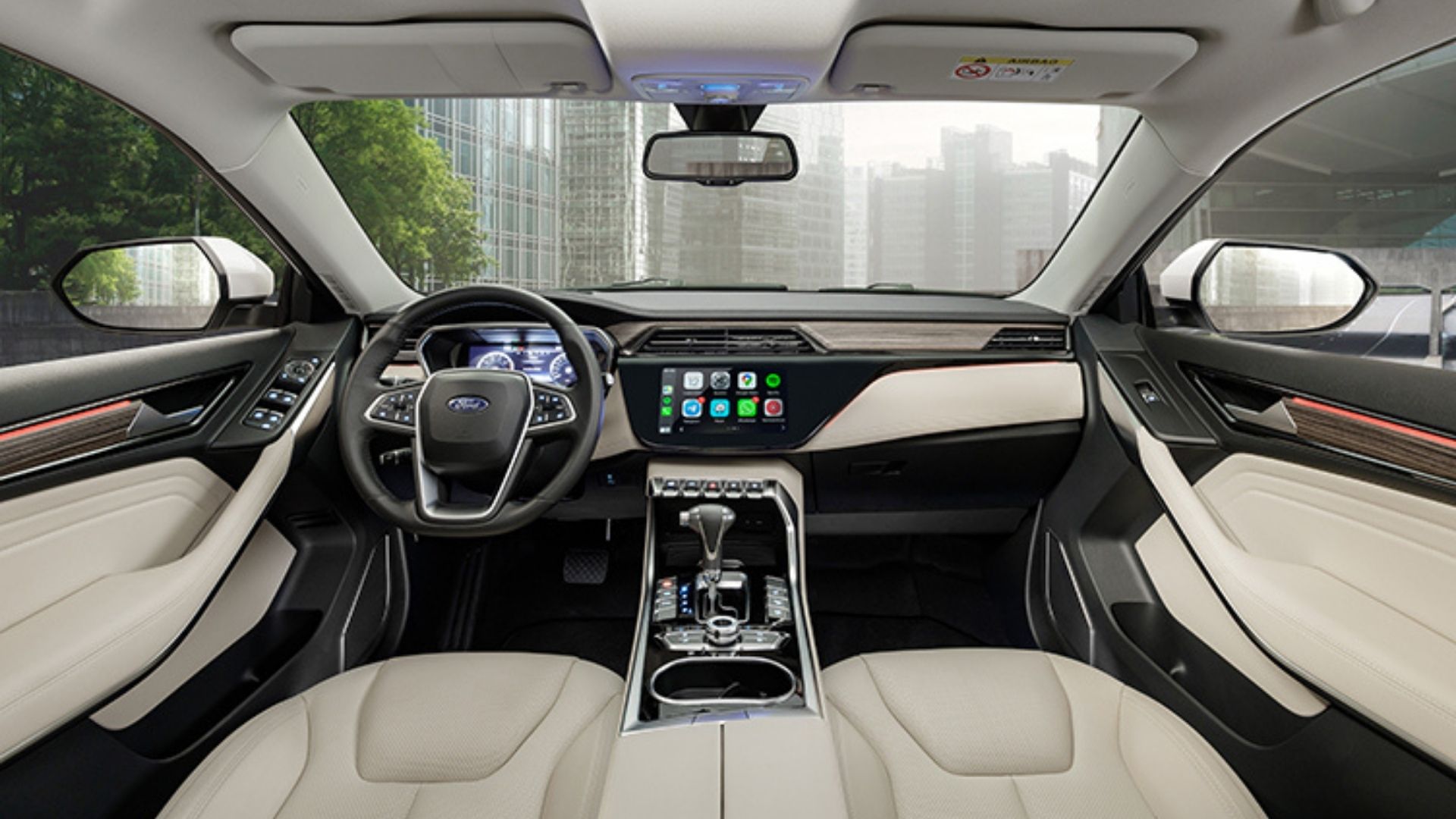
Around R$ 24,000: 4 used Ford SUVs with up to 253 hp, V6 engine, all-wheel drive, 7 airbags, panoramic sunroof, and a complete package that surprises with its price and performance in Brazil.
-
A brand new car starts at around R$ 75,000 in Brazil, but what stands out the most is seeing streets filled with SUVs and expensive sedans in a country where millions remain in debt.

-
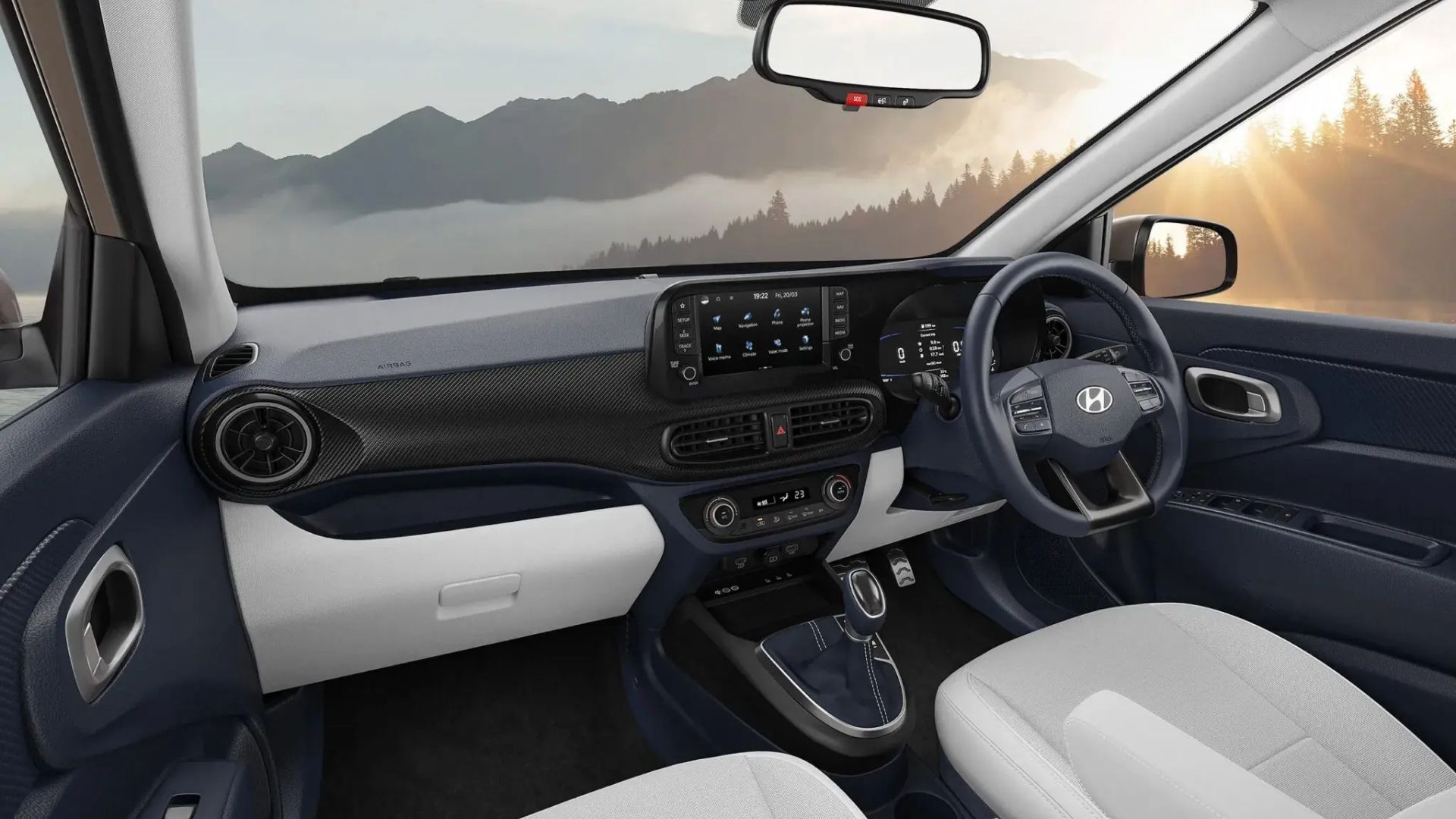
For R$ 32,000, a brand new Hyundai car is a rival to the Kwid with a 1.2 engine producing 82 hp, 6 airbags as standard, multimedia with wireless Android Auto, up to 391 liters in the trunk, and a refreshed look for 2026 in India.
-
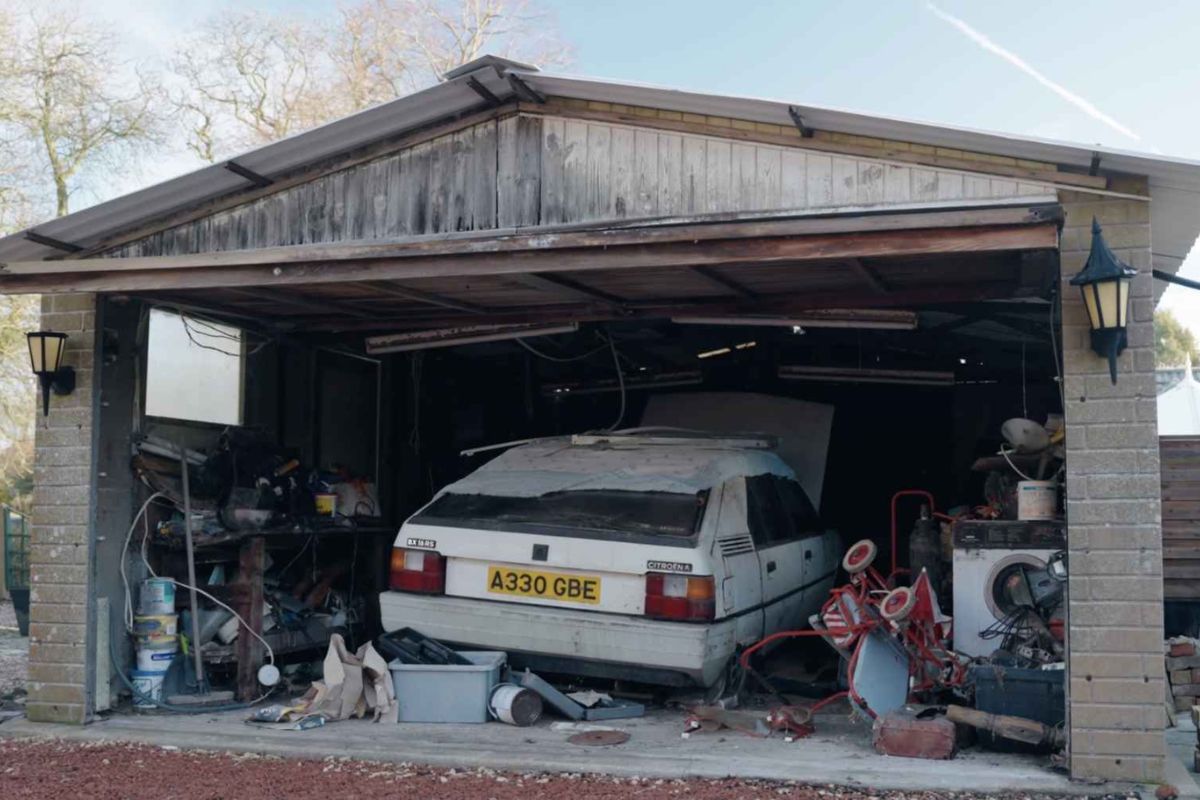
He bought a new car in 1983, locked it in the barn in 1988, and no one opened the door for 38 years until the family discovered what was stored inside and realized it looked like something out of a movie.

The lack of structure and the search for customer reservations and investors led the Public Prosecutor’s Office to open a preliminary investigation to ascertain possible irregular collection of savings.
The History of Promises and Course Changes From the ‘Brazilian Elon Musk’
The Lecar project has gone through several announcements regarding the location of its factory.
First, the plan was to set up the plant in Rio Grande do Sul, then in Espírito Santo, later in China, and again in Espírito Santo.
Assis also attempted to acquire the Ford factory in Camaçari (BA), but the deal was closed with the Chinese BYD.
More recently, he mentioned negotiations to use the unit in Jacareí (SP), which belonged to Caoa Chery, but the Chinese automaker itself is considering reclaiming the space.
This back-and-forth of plans increases suspicion about the actual execution capacity of the project.
The Difficult Mission of an Independent Manufacturer
According to Boris Feldman, Brazil has witnessed several failures of independent manufacturers.
IBAP in the 1960s, Obvio! in the 2000s, Engesa, and even Gurgel, which managed to produce more than 20,000 vehicles, did not withstand the lack of scale and capital.
In the global scenario, even giants like Ford, GM, and Volkswagen face difficulties in financing their electrification plans.
The technology chosen by Lecar, series hybrid, has already been used in the BMW i3 and today is seen in models like the Nissan Kicks e-Power, but still faces performance and acceptance barriers in large territorial markets such as Brazil.
Pre-Sale and Risk of Irregularities
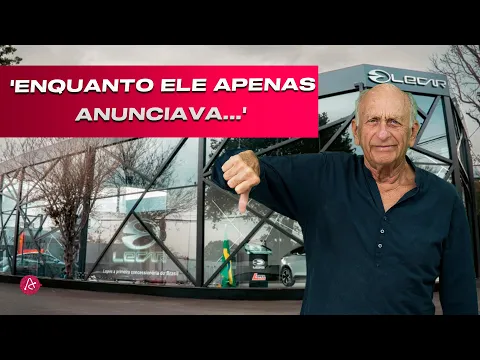

Assis even asked for a 1% down payment of the car’s value (around R$ 15,5 thousand) for those who wanted to reserve one of the first units. The uptake was low.
Later, he launched the “Lecar dealership” model, where interested parties would spend R$ 15,000 for marketing materials and take on monthly payments, with the car only delivered after the settlement of half of the financing within up to 60 months.
This practice, according to specialists cited by Boris Feldman, may constitute irregular collection of savings, as it involves raising funds without an approved product or formal guarantees.
The case has caught the attention of the Public Prosecutor’s Office, which is evaluating whether there has been a violation of financial legislation.
What Is at Stake With the “Brazilian Elon Musk”
While promising to compete with multinationals and attract billion-dollar investments, the Lecar project remains without concrete evidence of viability.
For Feldman, the initiative repeats known mistakes of other national manufacturers and may generate frustration among customers and investors.
The trajectory of Flávio Assis raises doubts not only about industrial execution but also about the transparency of fundraising.
Until the first cars are on the road and the factory leaves the paper, the title of “Brazilian Elon Musk” seems more like a slogan than a reflection of reality.
And you, do you believe that projects like Lecar have a future in Brazil or are they just unviable promises against the large global automakers? Leave your opinion in the comments — we want to hear from those who live this in practice.





Precisa tomar cuidado com o que esse Bóris diz. Ele fala bobagens demais. É um engenheiro desatualizado com vontade de ser um jornalista. No fundo, já deveria ter se aposentado.
Em vez de apoiar e ajudar a viabilizar a fabricação dis carros da Lecar, no Brasil, o governo cria dificuldades para que o investidor e empresário brasileiro não consiga recursos para ter as instalações da Fábrica, para que comece a produzir os carros necessários para a divulgação e confirmação que os carros que serão produzidos, serão o que realmente ele anuncia.
Fizeram isso com o Gurgel e outras empresários brasileiros que se aventuraram na produção de carros nacionais.
Falta de apoio ao produto nacional dos governos anteriores e atual.
Infelizmente o empresário nacional se quiser tem que batalhar sozinho, só ajudam os que já estão estruturados.
É fácil criticar.
Apoiar que é bom ninguém.
Acho ótima ideia.
Mas ele precisa fazer uns 10 carros completos prontos e colocar pra rodar.
Depois as vendas seriam questão de tempo.
Um sonho ter uma marca brasileira
Se esse projeto sair com certeza comprarei um desses.
Mas só na propaganda fica difícil