





 Portuguese
  English
  Spanish
  3 min of reading
  0 comments


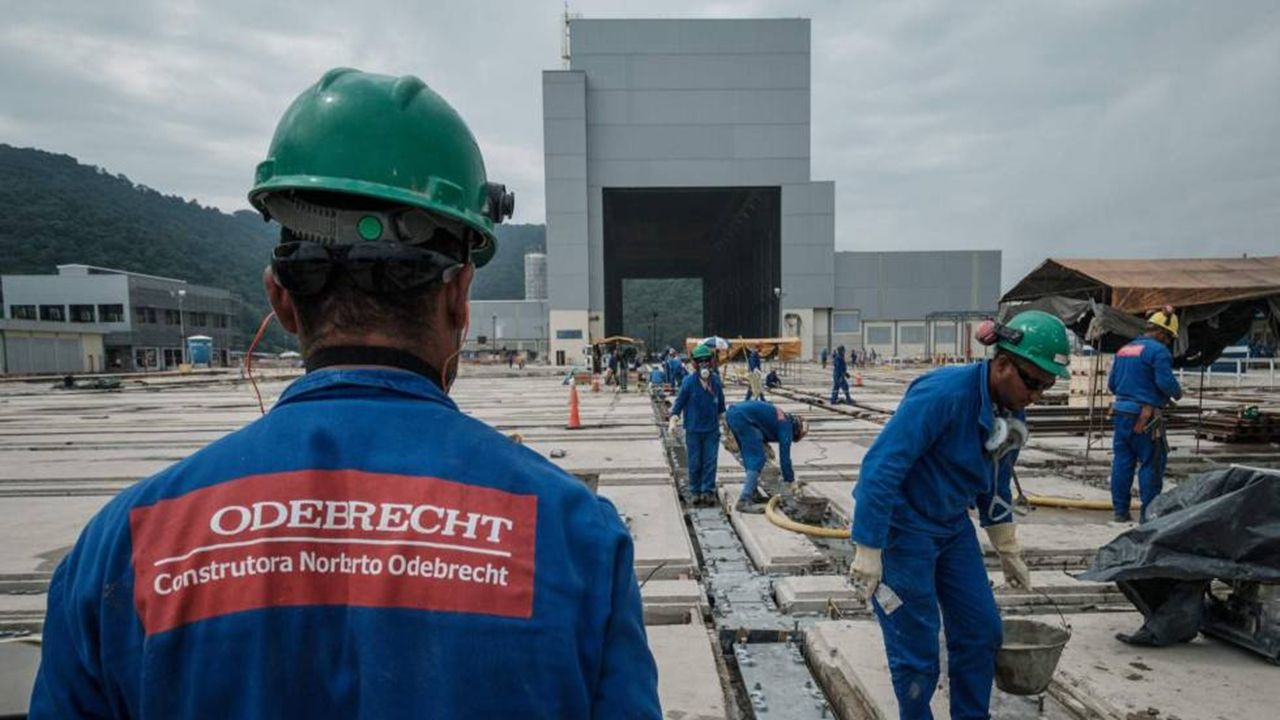
BNDES Ensured Payments to Construction Firms, but Caracas Left R$ 8 Billion Unpaid for Projects like Subways and Bridges
The default by Venezuela to BNDES, which totals R$ 8 billion in subway, bridge, and steel plant projects, has raised a recurring question: what happens to the Brazilian companies that executed these million-dollar projects and did not receive payment from the foreign country? The answer lies in the financing structure itself: national construction firms do not incur losses because the contracts include guarantees from the Brazilian government.
How Financing Works
BNDES does not send money directly abroad. Instead, it releases funds in reais to Brazilian engineering companies as the projects progress. This way, the company typically gets paid for the services provided in Caracas, Los Teques, or any other location.
The responsibility for reimbursing the financing lies with the foreign contracting government, which must pay Brazil in foreign currency. When this does not happen, the Export Credit Insurance (SCE) comes into play, backed by the Export Guarantee Fund (FGE).
-
The largest food company on the planet, JBS, has just opened a 4,000 square meter laboratory in Florianópolis to develop customized proteins that modulate muscle mass gain, immune response, and metabolic performance.

-
After nearly 30 bids and competition among industry giants, a Spanish company purchases one of the largest airports in Brazil for almost R$ 3 billion and takes over the management of Galeão in a concession that will last until 2039.

-
The Federal Revenue Service now automatically cross-references everything you declare with data from banks, credit cards, brokerage firms, and insurance companies, and any discrepancy between your income and your expenses triggers an alert in seconds.

-
Amid global tensions, Brazil blocks the United States’ proposal at the WTO and paves the way for a trade crisis and possible retaliations.


This mechanism ensures that the Brazilian construction company does not suffer losses. If Venezuela fails to pay, the Treasury covers the difference via the FGE, and the debt is then accounted for directly against the defaulting country.
The Case of Venezuela
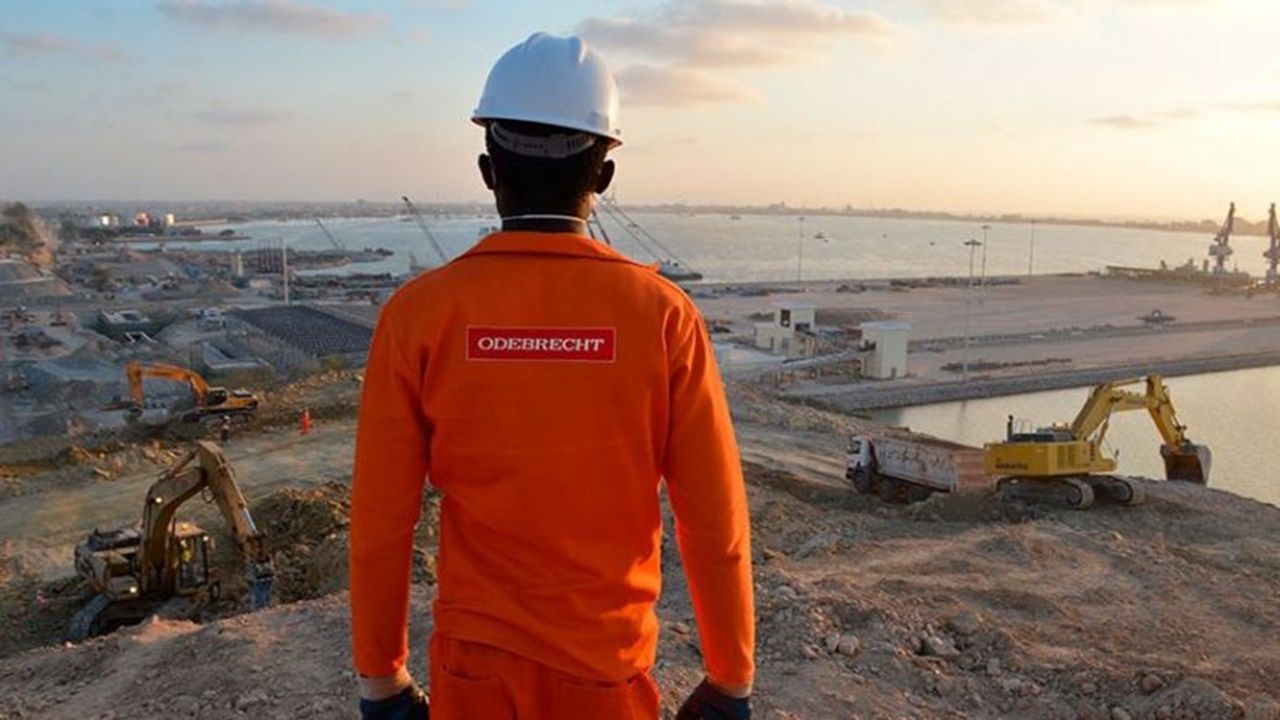
Between 1998 and 2017, BNDES financed about R$ 3.9 billion for the Caracas and Los Teques Metro, R$ 1.6 billion for the bridge over the Orinoco River, and other projects such as a steel plant and shipyard. All the Brazilian construction companies involved received their payments as scheduled, based on the disbursements made by the bank in reais.
The problem arose in the next phase: Venezuela did not reimburse Brazil. Today, official data shows a total default of R$ 8 billion. This means that although Brazilian companies emerged unscathed, the default fell on the Brazilian state, which now has to wait for a renegotiation or future payment to recover the amounts.
Who Pays the Bill?
In practice, the one who pays the bill is the Brazilian taxpayer. The FGE, funded with public resources, compensates the exporting companies and maintains a surplus balance — currently over R$ 4.5 billion, according to BNDES. However, this surplus does not eliminate the fact that the debt remains unpaid and that, thus far, not a single cent has returned from Venezuelan coffers.
While national companies secure revenue and jobs with these international projects, Brazil assumes the risk of default. In the case of Venezuela, this risk materialized and turned into one of the largest defaults in the bank’s history.
The Outstanding Debt
Officially, the debt of R$ 8 billion from Venezuela to BNDES remains recorded and being collected. Until it is paid, it stands as a liability that weighs on Brazilian accounts and on diplomatic relations between the two countries.
For national companies, however, the impact has been null: they received their payments in full in reais, within the project’s execution schedule. The big loser, for now, is Brazil.







-

-

-

4 pessoas reagiram a isso.