





 Portuguese
  English
  Spanish
  5 min of reading
  0 comments



European Energy Is Going Through a Moment of Paradoxes. Even After Years of Commitment to Green Targets, Some Large Companies in the Sector Recently Announced a Significant Return to the Use of Fossil Fuels, Such as Natural Gas.
As Reported by InfoMoney, TotalEnergies Will Invest €5.1 Billion to Acquire Gas Plants in Europe, Reinforcing Its Bet on Fossil Fuels to Balance Its Portfolio.
This Move Is Not Coincidental. While Climate Pressures for Decarbonization Are Growing, the Reality of Steady Energy Demand and Supply Security Imposes Itself, Especially in Regions Where the Intermittency of Renewables Still Challenges Stability. Many of These Companies Argue That It Is Impossible to Achieve a 100% Renewable System in the Short Term Without Support from More Stable Sources.
A Historical Retrieval of the European Energy Transition
For Decades, Europe Has Led Debates on Clean Energies, with Ambitious Goals and Policies Like the European Green Deal, Launched by the European Commission to Achieve Zero Emissions by 2050. Wikipedia On the Other Hand, the Use of Natural Gas Has Always Been Seen as a Sustainable Bridge Between Traditional Coal and Renewable Sources.
-
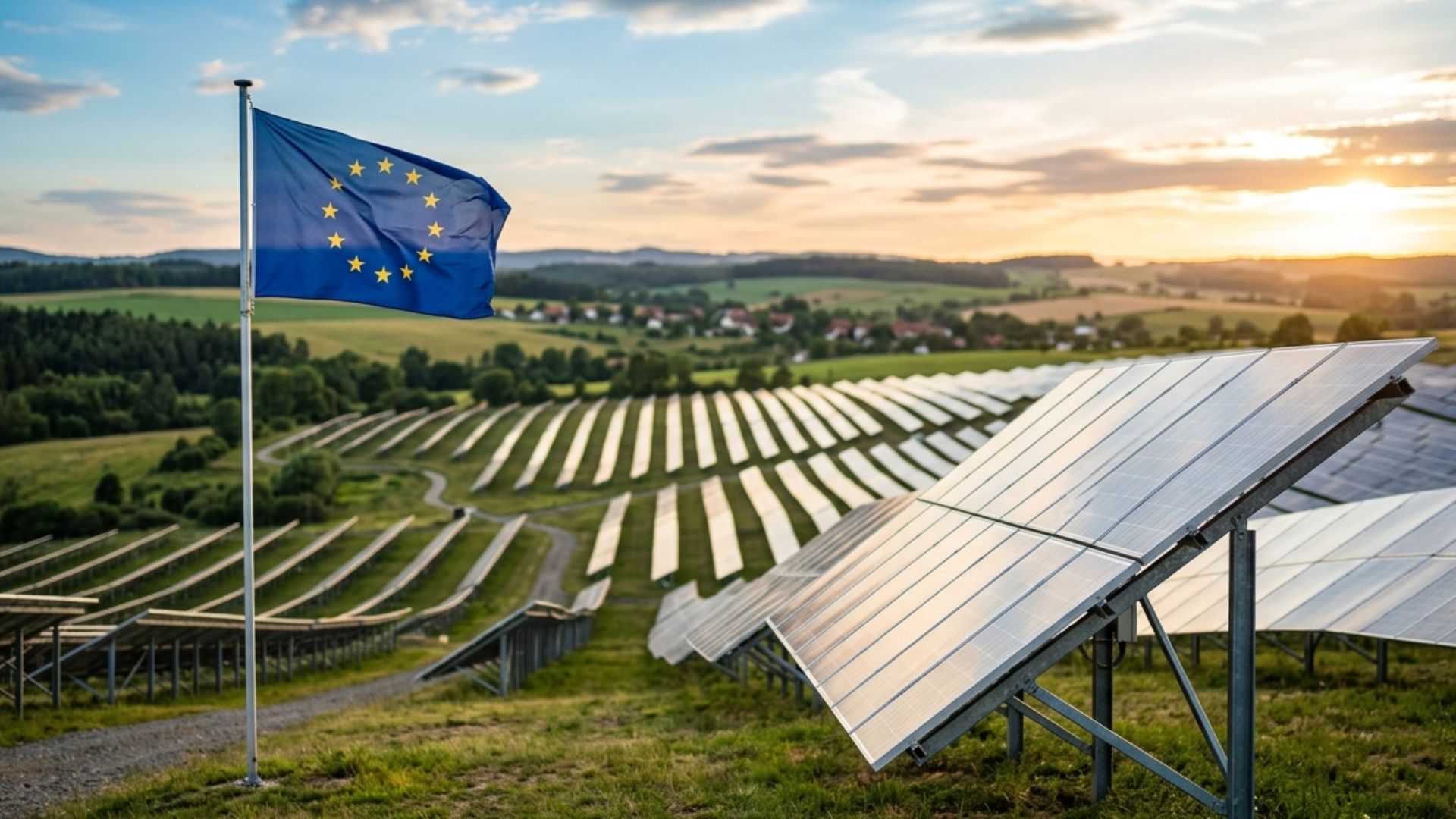
Europe records strong euro economy with solar energy in March and sparks curiosity about which country leads growth that redefines the energy market and reduces costs.
-
Piauí reaches a historic milestone in energy transition: State records nearly 160,000 households powered by solar energy and leads growth in the Northeast.

-
Argentina debuts its first 100% solar-powered highway and transforms an entire road into a showcase of clean energy.

-
Minas Gerais reaches a historic record and surpasses the power of Itaipu, but network costs generate debate: Understand why solar energy in MG impacts the electricity bill of those without panels.

With Energy Shocks and the Climate Crisis, Some Energy Companies Committed to Carbon Neutrality. However, the Financial and Operational Reality Has Proven More Complex Than It Seemed. Now, Several Market Players Are Returning to Investments in Gas and Oil, Reflecting a Historical Dilemma: How to Balance Climate Ambition and Economic Viability.
At the Same Time, the So-Called “Green Paradox” Gains Strength. This Concept, Proposed by Economists Like Hans-Werner Sinn, Argues That Strict Environmental Policies Can Encourage Fossil Fuel Holders to Accelerate Their Exploration Before These Assets Lose Value.
Why Climate Pressure Is Forcing a Return to Fossils
According to InfoMoney, TotalEnergies Justifies Its Investment in Gas Plants as a Way to Ensure “Steady” Electricity for Customers Who Demand Stable Energy, Such as Data Centers and Industries. The Company Claims That Renewable Sources — Such as Solar and Wind — Are Not Sufficient to Meet All Demand Without Backup Sources.
Moreover, Analysts Point Out That Rapid Decarbonization Has Proven to Be More Difficult in Practice Than on Paper.
Luke Parker, Vice President of Research at Consulting Firm Wood Mackenzie, Told InfoMoney That Many Companies
“Have Abandoned the Idea of Leading the Transition Alone.”
They Prefer a More Pragmatic Model: 50% Renewables and 50% Fossils, According to Executives from TotalEnergies.
BP, In Turn, Faces a Similar Dilemma. According to a Report by UOL / AFP, the British Company Decided to Reinforce Its Investments in Oil and Gas After a Period of Aggressive Carbon Reduction Promises. This Strategy Reflects Not Only the Financial Appeal of These Sources but Also the Need to Ensure Profits in a Transitioning Sector.
What Are the Implications for the Climate and the Future of Energy?
This Return to Fossils Raises Several Concerns. First, It May Delay Global Decarbonization: Europe, a Symbol of Climate Ambition, May Not Reduce Its Emissions as Quickly If Companies Continue Investing in Gas.
Second, There Is a Reputational Risk: Investors and Citizens Who Support the Energy Transition May View These Moves as a Strategic Setback. BP, for Example, Admits That Its New Focus on Hydrocarbons Is Justified by Higher Margins and Demand for Steady Energy.
There Is Also an Energy Security Issue: Many European Countries, After Reducing Russian Imports, Want to Become More Self-Sufficient in Gas. Some Analysts Argue That This Return to Fossils, Paradoxically, Improves Short-Term Electrical Security, Even If It Compromises Long-Term Goals.
Finally, Continuous Use of Fossil Fuels May Increase Global Emissions. Experts Point Out That Despite Advances in Renewables, CO₂ Emissions from Fossil Sources Recently Hit a Record High, According to the Global Carbon Project.
Understand the Reactions of the Market and Society
The Financial Market Has Already Reacted to This Shift by Companies. Investors, Pressured by ESG (Environmental, Social, and Governance) Goals, Are Concerned About the Strategic Direction Adopted by Companies Like TotalEnergies and BP. They Wonder Whether This Bet on Fossils Is a Short-Term Strategy or a New Corporate Philosophy.
At the Same Time, Civil Society and Climate Activists Are Not Satisfied. For Them, This Return Is a Sign That Green Promises Often Clash with Real Profitability. Organizations Advocate for Stricter Public Policies and Efficient Regulation to Prevent the Discourse of Energy Transition from Getting Lost Amidst Business Pragmatism.
There Are Also Voices Within the Energy Sector That View This Change as Inevitable. Given the Variability of Renewables, Many Executives Argue That It Makes No Sense to Have an “All-Green” Infrastructure If It Cannot Ensure Supply.
What Historical Lessons Will We Take from This Current Transition?
The History of Energy Has Always Been Marked by Cycles: Coal, Oil, Gas, Renewables. Each Technological Change Required Investment, Regulation, and Risk. Now, We Are Experiencing Another Turn: The Energy Transition.
But This Return to Fossil Fuels Shows That Not Everything Is Linear. Companies Have Learned from Past Lessons: Ignoring Profitability or Energy Reliability Can Be Dangerous. For This Reason, Many Prefer a More Balanced Model Between Renewables and Fossils, Rather than a Radical and Rapid Transition.
Moreover, the Concept of the “Green Paradox” Reinforces That Effective Environmental Policies Need to Consider Incentives for Fossil Producers. Without This, Investors May Accelerate Exploration Before New Regulations Come into Effect.


See What the Path to a Solid Energy Future Will Be
To Reconcile Sustainability and Security, a Coordinated Effort Between Companies, Governments, and Regulators Will Be Necessary. Energy Companies Must Evolve Their Business Models, Integrating Renewables and Fossils in a Strategic and Transparent Manner.
Governments, In Turn, Should Support Policies That Encourage the Gradual Reduction of Fossils, Without Compromising Energy Stability. This May Mean Transitional Subsidies, Clear Regulations, and Tax Incentives for Renewables.
Furthermore, Society and Investors Need to Maintain Constant Pressure. Transparency, Ambitious Goals, and Accountability Are Essential to Prevent the Return to Fossil Fuels from Signifying a Climate Setback.








Seja o primeiro a reagir!