





 English
  Francês
  Alemão
  Italiano
  Japonês
  Norueguês
  Portuguese
  Spanish
  2 min of reading



IHS Markit, A Company That Assigns Identification Numbers to Various Sectors, Reported That Oil Companies Can Save Up to 18% by Investing in Digitization, Logistics, and Energy Efficiency
IHS Markit, a company that assigns IMO identification numbers for companies in various sectors, showed in an analysis that oil companies still have room for cost reduction, which can be achieved through investments in the resumption of operations, data analysis, energy efficiency, and optimization of the logistics chain. According to the British consulting firm, deep-water operations could save up to 18%.
Check Out Other News:
- Four More Biodiesel Plants Join the Decarbonization Program of RenovaBio
- Fuels – Dollar Rise Has Greater Influence on Prices than Oil Value
- Aneel Reports That Power Bill Increase Is Expected to Be the Largest Since 2018
The consulting firm pointed out a series of measures that oil companies can take to reduce operational costs: the first type of action pertains to remote operations. Utilizing advanced technologies in sensor technology, communication networks, control, and IT infrastructure, for example.
“This change goes beyond the basic surveillance tasks that have been ongoing for years, moving towards more complex activities, such as complete asset control, true exception visit, facility inspection, and remote maintenance support,” says IHS.
-
Brazilian giant expands borders in the Southeast: Petrobras confirms new oil discovery in ultra-deep waters in the pre-salt of the Campos Basin.

-
Alert in the global energy market: Severe tropical cyclone hits the coast and disrupts gas production at major plants in Australia, threatening global supply.

-
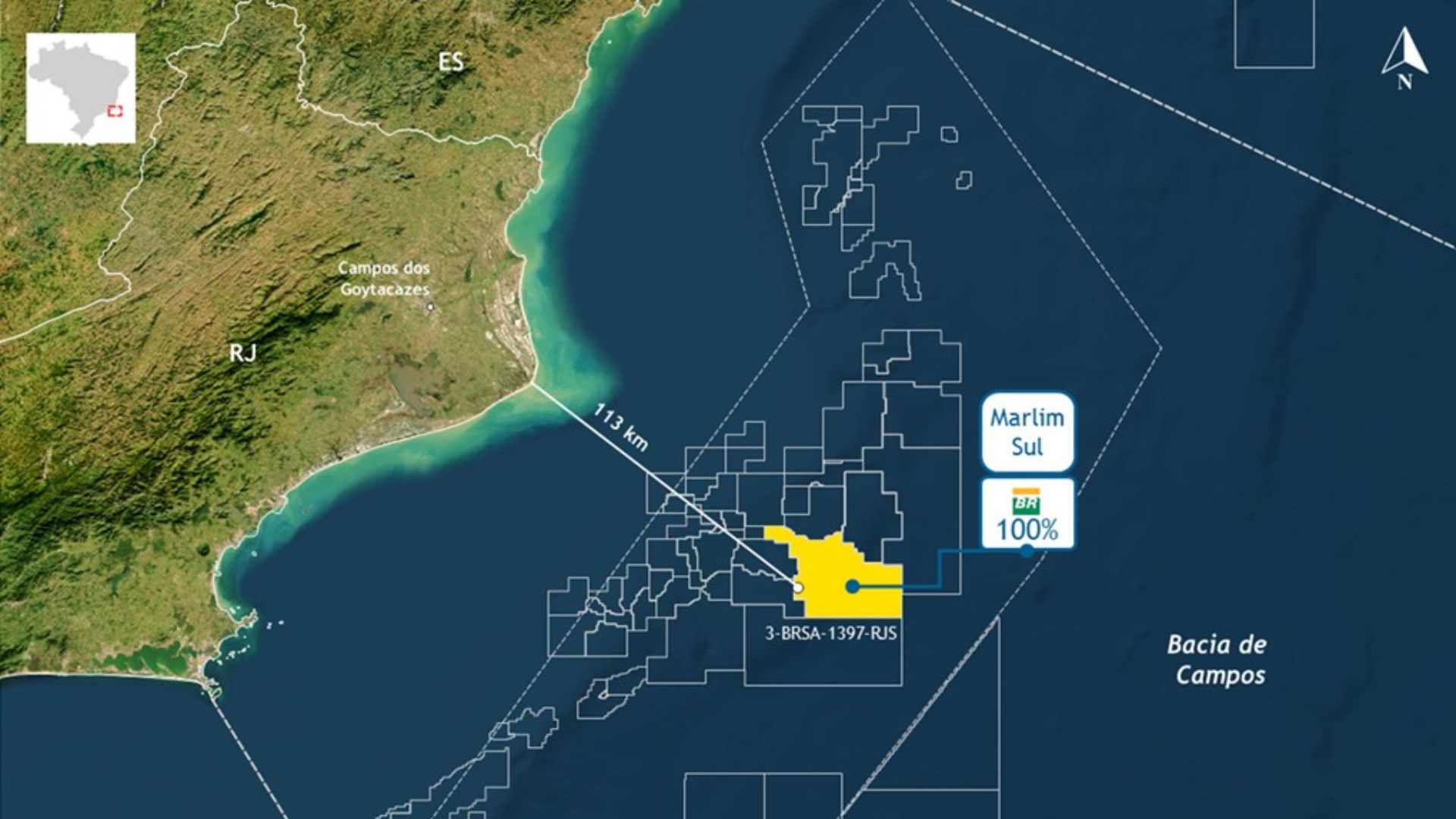
Petrobras finds high-quality oil in the pre-salt at 113 km from RJ and reignites expectations about strategic reserves in the Campos Basin.

-
Ocyan opens registrations for startups focused on innovation in the oil and gas sector and will select projects for Innovation Day with the support of Nexio.


Cost Reduction and Carbon Emissions:
IHS Markit also stated that reducing costs and cutting emissions are not opposites. Instead, the consulting firm found that there is a close connection between the most efficient operators and those who best reduce carbon intensity in their assets.
The consultancy concluded by saying that “Supply chain and logistics optimization, along with remote operations, minimize the number of trips made and the number of kilometers traveled to perform the necessary work. The potential for efficiency improvement of 20% to 40% documented by IHS Markit would be accompanied by a similar reduction in vehicle emissions.”








Seja o primeiro a reagir!