





 Portuguese
  English
  Spanish
  3 min of reading



Companies of the So-Called Millionaire Lobby Against the Use of Solar Energy Had Their Decisions Suspended at the TCU by Minister Aroldo Cedraz
On Wednesday (14), the effects of the TCU’s own decision, which harmed the solar energy system in the distributed generation modality, making solar micro and mini-generators in homes and businesses unfeasible, were suspended by Minister Aroldo Cedraz. Thus, Aneel is unable to annul policies for renewable solar energy generation, secured since 2014.
Read Also
Giving in to the pressure from the distributing companies, which charge abusively even for the poles and wires of other mini-generators that invested in solar energy, would be a major setback for the country’s renewable development.
Understand More About the Millionaire Lobby of the Companies That Voted Against the Use of Solar Energy
As mentioned in another article here on CPG, the Millionaire Lobby of companies against solar energy consists of energy distribution companies that have teamed up with NGOs, and even consumer defense NGOs, to pressure other mini-generators to end the use of solar energy in Brazil, harming thousands of people, municipalities, courts of accounts, businesses, and even the STJ, which have been attracted by licenses from Aneel.
-
China bets on the Fishery-PV model and transforms fish farms into giant solar plants, covering ponds with panels that generate energy while utilizing the same space for large-scale aquaculture production.

-
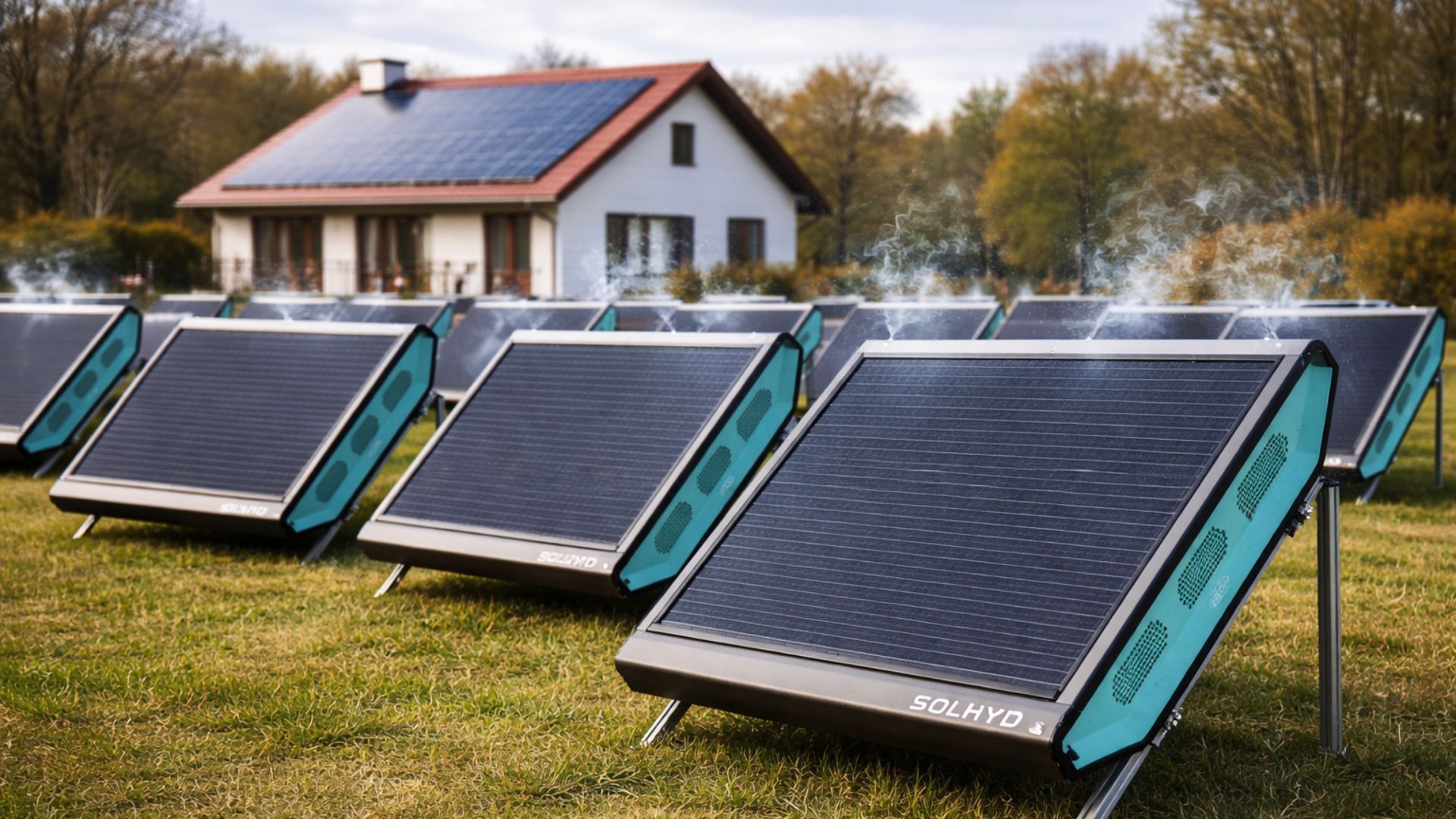
Green hydrogen at home: Belgium launches new technology that makes solar panels produce fuel from the moisture in the air, which could boost the energy transition.
-
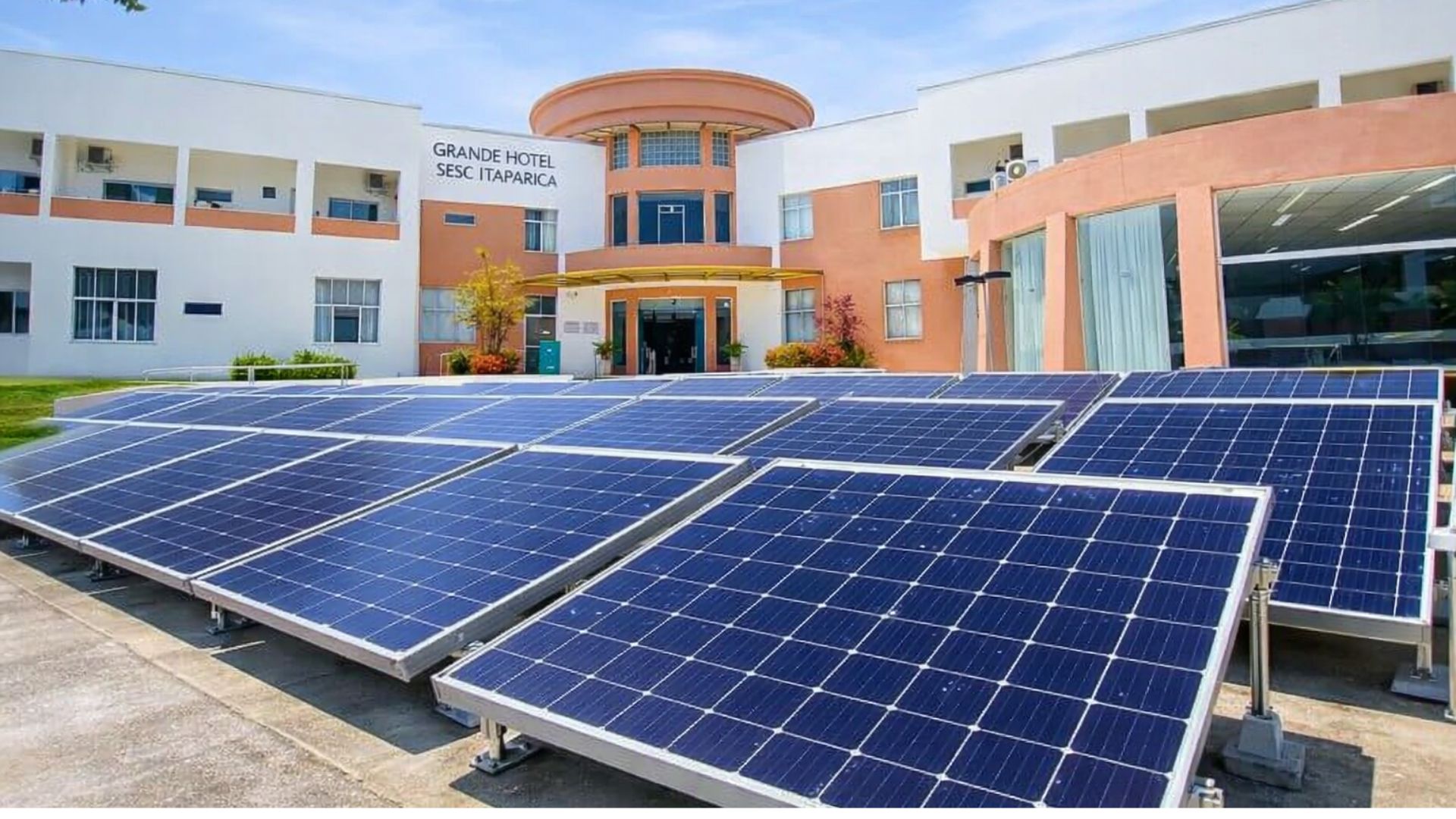
Sesc-BA bets on renewable energy with the support of EDP and drives the energy transition with a direct impact on cost reduction and the sustainability of its operations in Bahia.
-
Technology giant breaks global sustainability records: How Amazon’s leadership in renewable energy procurement transformed the global energy market in the past year.


The companies invested in contracts with lobbyists, at a cost borne by consumers, in their electricity bills. The Lobby was expected to leave around 247 thousand people unemployed. Considering that, at the end of last year, the unemployment rate in the country was 14.1%, or 14 million people, and that in 2021, solar energy generated over 147 thousand new jobs.
Expectation for the Solar Energy Market This Year


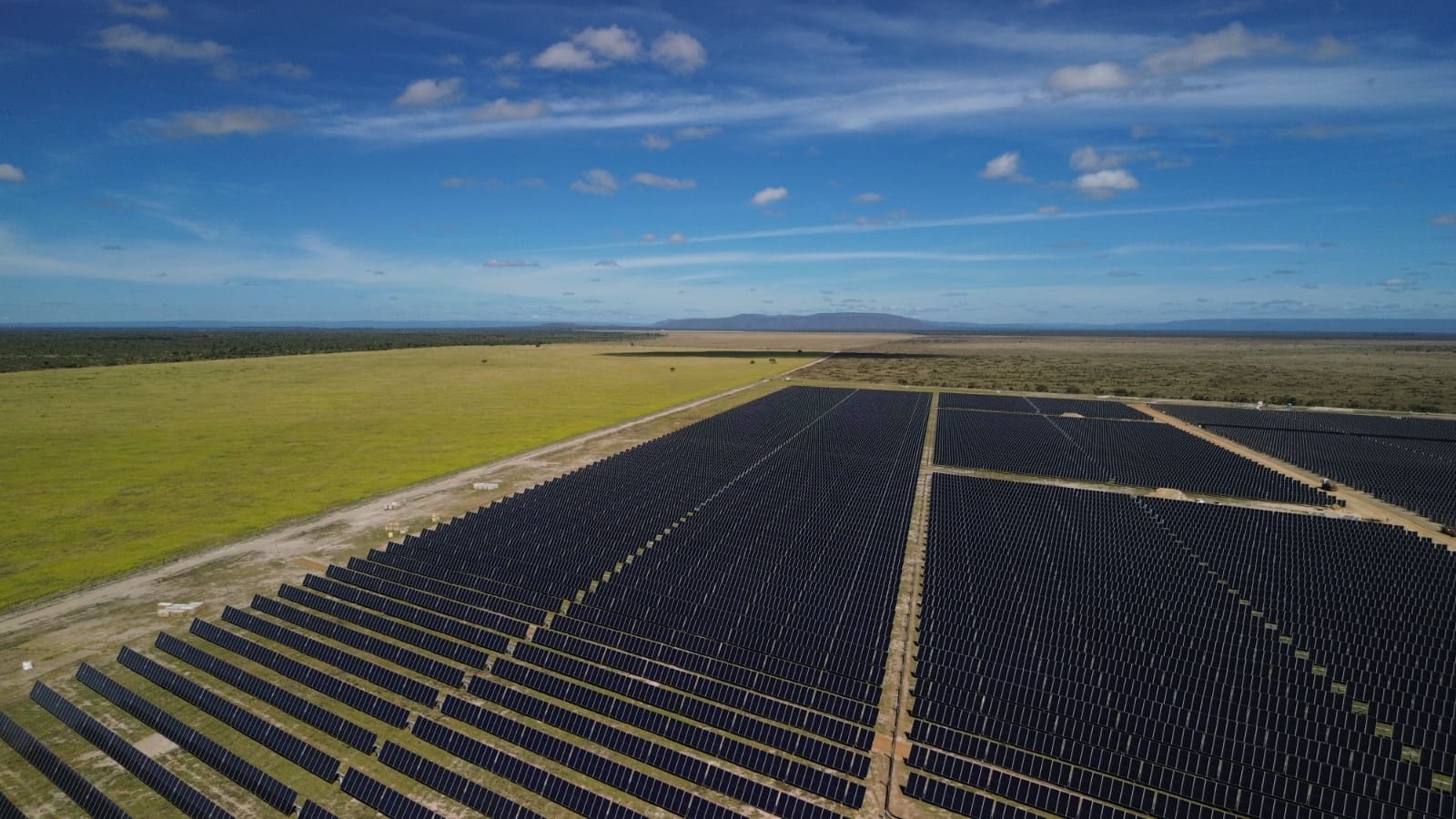
The year 2021 is expected to bring an increase of approximately 5.09 GW in installed capacity in Brazil’s solar energy, which represents an increase of 68% compared to the total until the end of last year, according to estimates by the Brazilian Solar Photovoltaic Energy Association (ABSOLAR).
Distributed generation, which consists of 5MW systems located close to or adjacent to the consuming unit, is expected to be the fastest-growing segment, with a projected growth rate of 90%, increasing from 4.4 GW to 8.3 GW. Centralized generation, consisting of large plants, is expected to grow by approximately 37%, from 3.1 GW to 4.2 GW.
Growing environmental concerns, such as greenhouse gas emissions, coupled with increased energy consumption, are driving industries toward more sustainable and cost-effective energy resources. These factors are likely to positively impact the growth of the solar energy market.
The increase in demand for alternative energy sources and supportive government policies for solar panel installations on rooftops are driving the global solar energy market’s growth. However, increases in government tariff plans complicate market growth. On the other hand, the growth of investments in R&D for high-efficiency third-generation solar modules opens opportunities in the coming years.
About the TCU
Almost as old as the Republic of Brazil itself, the TCU was created two years after its proclamation, in 1891, with the main function of monitoring the budgetary and financial execution of the country. This TCU role is performed at the federal level.
An important fact about the TCU is that, like the Public Ministry, it is not subordinate to any of the three branches of government, although it is linked to the Legislative branch.









Seja o primeiro a reagir!