





 Portuguese
  English
  Spanish
  5 min of reading
  0 comments


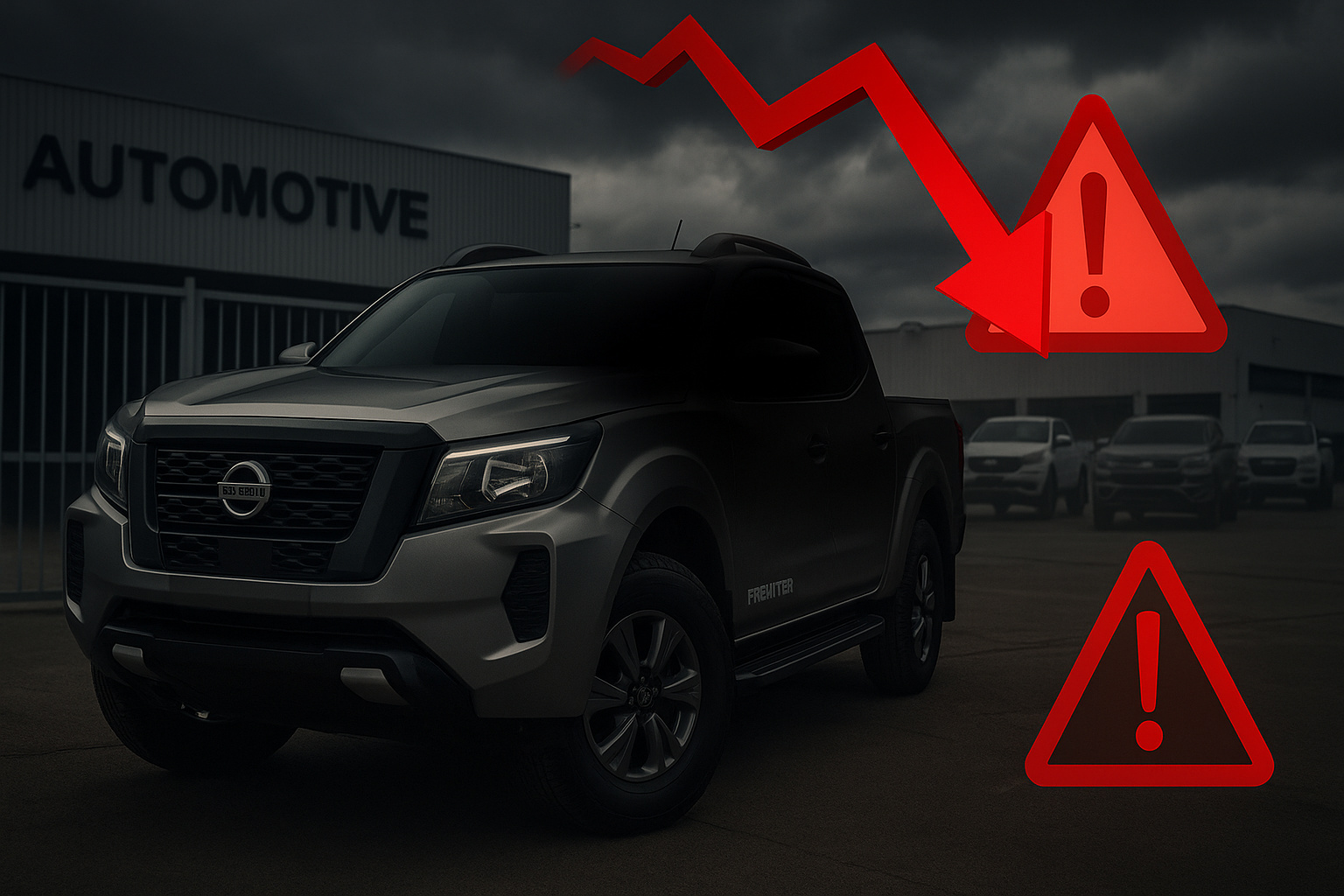
Nissan Announces End of Nissan Frontier Production in Two Factories, Raising Questions About the Future of the Nissan Pickup Amid Strong Competition From Hilux, S10, and Ranger
Nissan has confirmed that it will end production of the Nissan Frontier in Argentina by October 9, 2025, transferring manufacturing to Mexico as part of a global reorganization. The pickup, which is in fierce competition with the Toyota Hilux, Chevrolet S10, and Ford Ranger, will have a new facelift version launched in 2026, featuring an updated design and advanced driving assistance technologies.
End of Nissan Frontier in Argentina and Production Concentrated in Mexico
The announcement marks the end of the Nissan Frontier at the Córdoba (Santa Isabel) plant, which has been supplying markets such as Brazil, Chile, and Colombia since 2018. Production will be concentrated at the Mexican plant of CIVAC in Morelos until January 2026.
However, the CIVAC complex itself will also be deactivated by March 2026. Manufacturing will then move to Aguascalientes, a more modern and efficient facility, which will allow the brand to reduce logistical costs and optimize production processes.
-
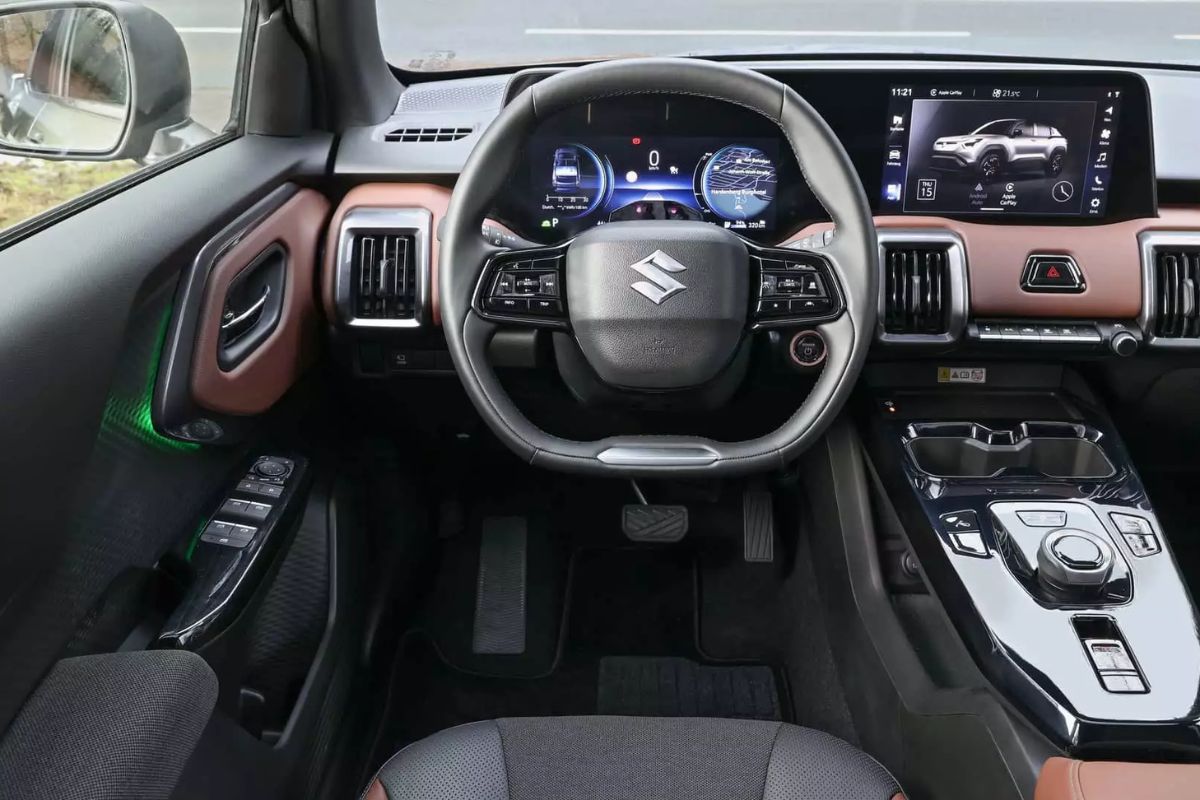
The 2026 electric Vitara arrives in Brazil and proves that Suzuki is not leaving: 4×4 traction, 184 hp, 61 kWh LFP battery, 293 km range, R$ 259,000, and a trunk capacity of 224 L.
-
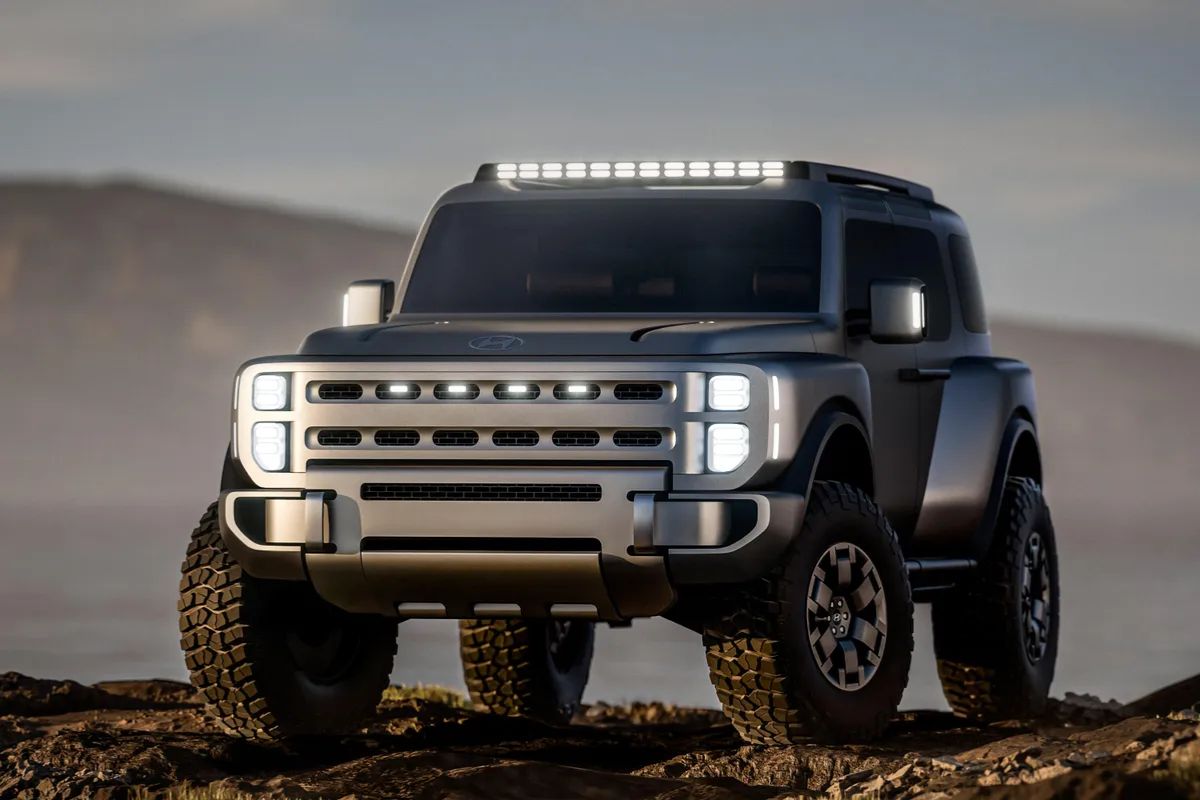
Hyundai has unveiled the Boulder, a square SUV with a body-on-frame design, 37-inch mud tires, and carriage-style doors that seems to be made to take on the Ford Bronco and the Scout Traveller in the United States.
-
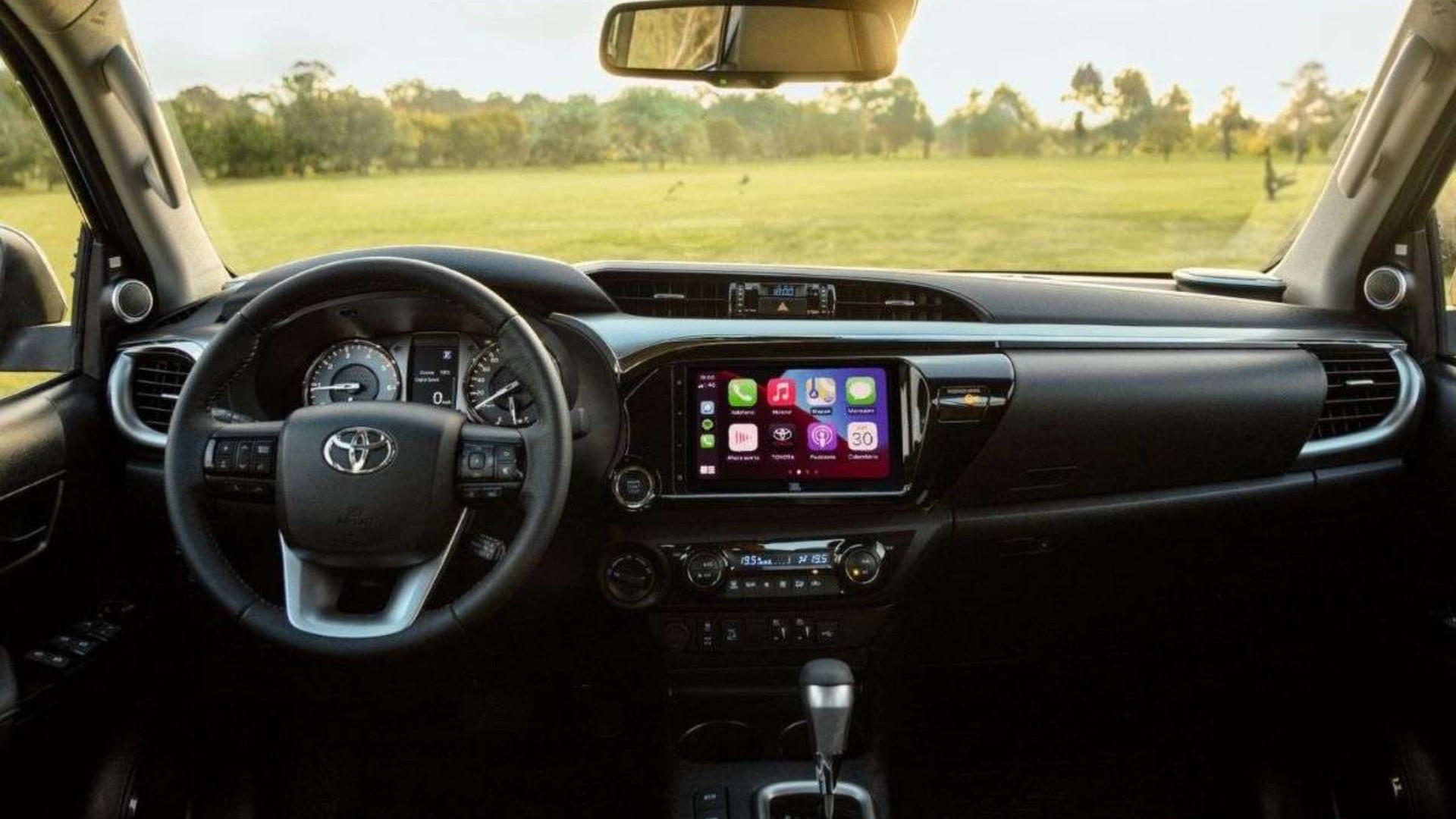
The Toyota Hilux is R$ 75.5 thousand cheaper and bets on the 2.8 turbodiesel engine with up to 204 hp and 50.9 kgfm to catch up with the VW Saveiro, which leads with 4,472 sales.
-
The new Renault Koleos has a screen exclusively for the passenger that is invisible to the driver, heated rear seats, and 29 assistance systems, but its Chinese competitors cost R$ 40,000 less and deliver more power.
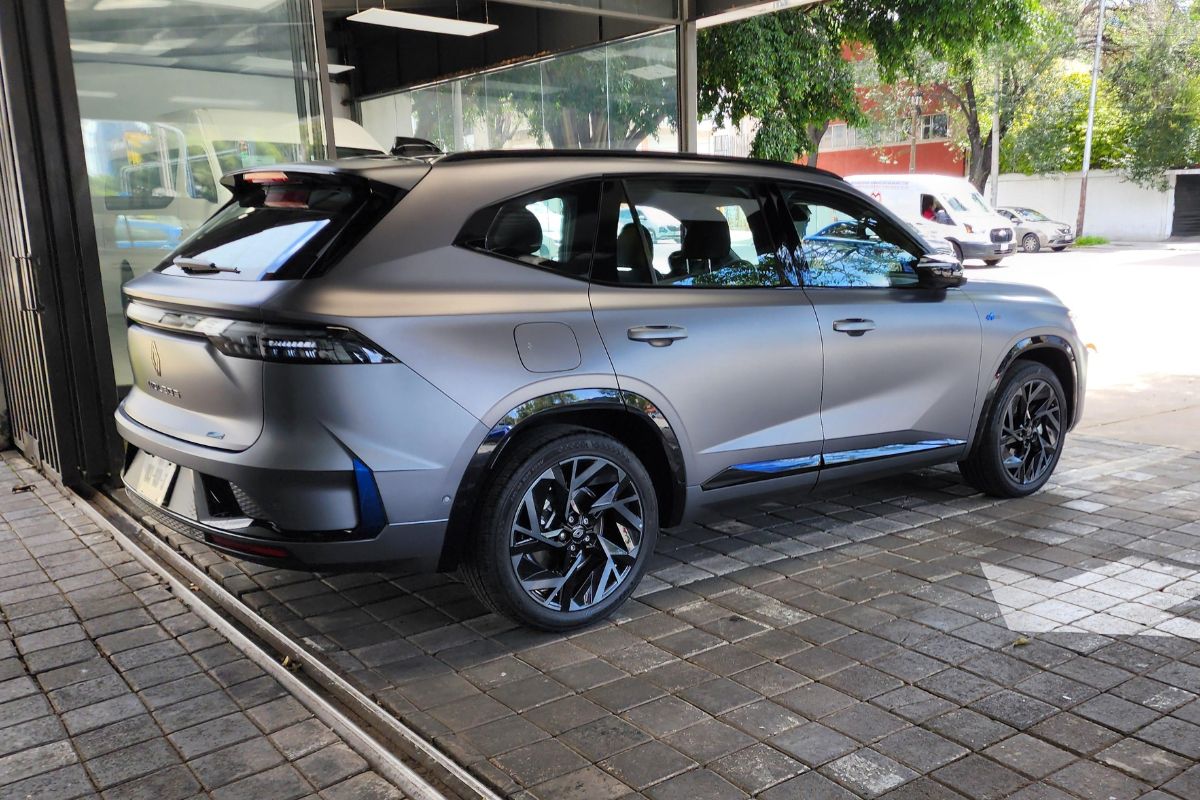

This restructuring aligns with the global plan Re:Nissan, which aims to reduce annual production capacity from 3.5 million to 2.5 million vehicles, in addition to centralizing strategic operations to increase profitability and the sustainability of the supply chain.
Impacts for Brazil and Latin America With the Change of the Nissan Pickup
The decision has immediate effects on three main fronts:
- Argentina: Nissan will maintain a presence in the country only with commercial and after-sales operations. Part of the capacity of the Santa Isabel plant may be absorbed by Renault, which is expected to start producing the Niagara pickup at the site.
- Mexico: The country strengthens as an industrial hub, concentrating Frontier production to supply Latin American and North American markets. The transition to Aguascalientes will bring efficiency gains.
- Brazil: The Nissan pickup will be imported exclusively from Mexico, which may change prices and versions offered in the national market. The Resende (RJ) factory will continue to focus on the production of other models, such as the Nissan Versa.
New Nissan Frontier 2026 for the Brazilian Market
Although retaining the same platform as the current generation, the Nissan Frontier 2026 will undergo a deep facelift. Confirmed changes include:
- Updated Exterior Design: Redesigned front, new LED headlights, enlarged grille, and more robust lines on the bumpers, bringing the look closer to models sold in Asia and Oceania.
- Modernized Interior: Dashboard featuring a new larger multimedia center, digital instrument cluster, and interior finishes with better quality materials.
- Embedded Technology: Adaptive cruise control, lane-keeping assist, emergency autonomous braking, and 360° cameras, raising the standard of active safety.
- Engine: Retains the 2.3 bi-turbo diesel engine with approximately 190 hp, recognized for its durability and moderate consumption, but still less powerful than rivals such as Ranger and Amarok V6.
This strategy aims to balance cost and modernization, keeping the project competitive until the arrival of a new generation, which is expected to be developed jointly with the Mitsubishi Triton in the coming years.
Competition of the Nissan Pickup Against Hilux, S10, and Ranger
The medium pickup market in Brazil is dominated by Toyota Hilux, Chevrolet S10, and Ford Ranger, which offer a broad dealership network, diversified versions, and more powerful engines.


The Nissan pickup focuses on comfort, safety, and mechanical reliability as differentiators, but the update, speculated for 2026, will be essential to narrow the technological gap with competitors.
Features such as 360° cameras, descent control, and structural reinforcements in the cargo bed are expected to enhance the Frontier’s appeal to consumers seeking a versatile pickup for both urban and rural use.
Reasons for the Change in Nissan Frontier Production
The repositioning of production is the result of multiple factors:
- Industrial Efficiency – Centralizing production in Aguascalientes will reduce operational costs, better leveraging production scale and proximity to strategic suppliers.
- Global Market – With global demand for pickups concentrated in specific regions, Nissan chose to optimize logistics and prioritize more modern plants.
- Partnerships – Proximity to Mitsubishi, which also produces medium pickups, is expected to generate development synergies and reduce future costs.
These decisions are part of a broader movement in the automotive industry, which has been prioritizing plants with greater flexibility, lower operating costs, and the ability to adapt to new environmental regulations.
The Future of the Nissan Pickup in Brazil and the World
Starting in 2026, the Brazilian market will receive the facelifted Frontier directly from Mexico. While retaining the mechanical base, the design and technology update will be crucial to maintain competitiveness.
In the long term, Nissan is preparing a new generation in conjunction with Mitsubishi, which should lead to deeper changes in the platform, powertrain, and engine offerings, possibly including hybrid versions to meet global emission reduction targets.
Industry experts point out that the restructuring is a necessary step to keep the brand relevant in a segment that demands constant investments in technology, safety, and efficiency.
Impact on Consumers With the End of the Nissan Frontier in Argentina
For those who already own or intend to buy the Frontier, the end of production in Argentina does not mean a shortage of parts or an immediate loss of value. Importation from Mexico should keep supply stable, although exchange rate variations may influence final pricing.
Furthermore, the arrival of the 2026 version with new technological features is likely to enhance the lineup, providing more competitiveness against rivals. For clients prioritizing safety, comfort, and robustness, the facelift should be seen as a significant advancement.
A New Cycle for the Nissan Frontier in the Brazilian Market
The end of the Nissan Frontier produced in Argentina symbolizes not only the closing of an industrial chapter but also a long-term strategic repositioning.
By centralizing production in Mexico and preparing a facelift for 2026, the brand seeks to strengthen its presence in the segment and face the pressure from competitors.
This transition reaffirms the importance of constant adaptation in the automotive market and illustrates how global decisions directly impact the availability and profile of vehicles in Brazil. For consumers, it is a moment of transformation that could redefine the image of the Nissan pickup in the coming years.








-

-

-

-

-

-

125 pessoas reagiram a isso.