





 Portuguese
  English
  Spanish
  5 min of reading
  0 comments


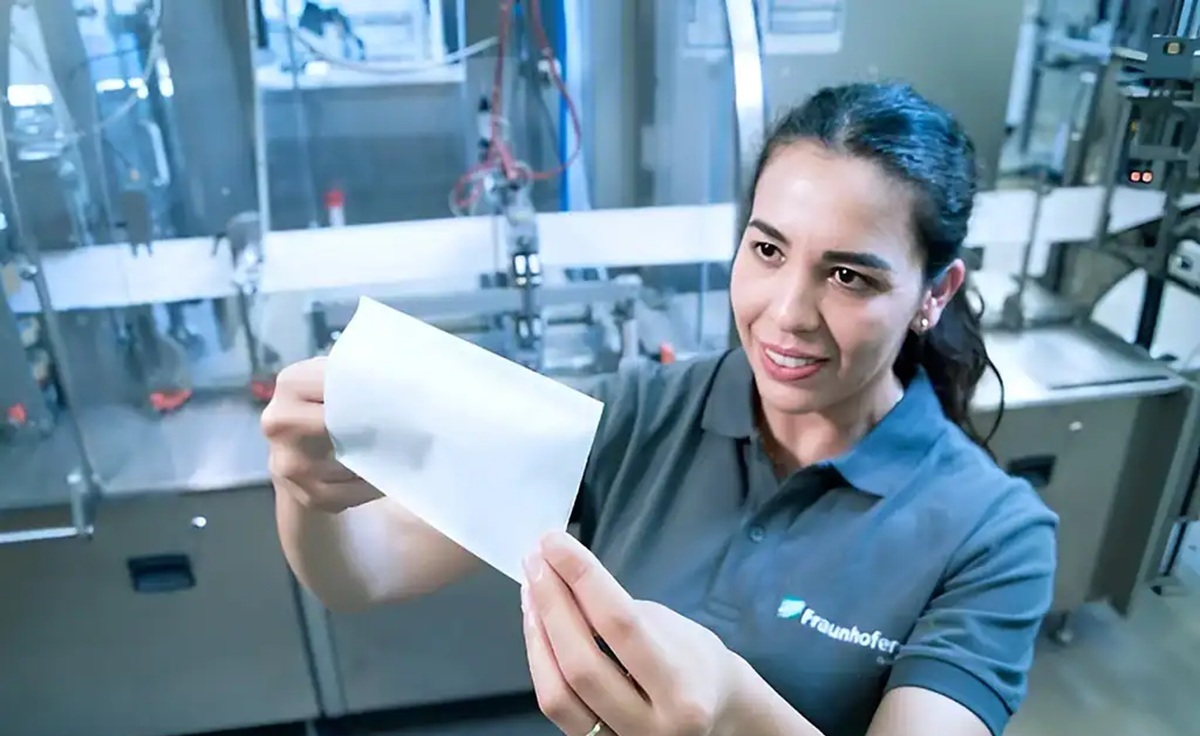
The technology developed in Germany uses laser to transform the surface of paper into sealing material, eliminates synthetic adhesives that harm recycling, has been tested on about three dozen types of paper and is already advancing with a pilot line in Dresden until 2026
The use of paper in packaging is often presented as a more sustainable response to plastic, but this solution carries a less visible problem: the dependence on synthetic glues and adhesives in seams. Now, researchers in Germany have developed an alternative that uses laser to transform the paper itself into a bonding material, eliminating the need for external adhesives.
The proposal aims to correct a limitation that affects the recycling of paper packaging. Although the material is natural and recyclable, the adhesives used in the joints act as contaminants and, in some cases, end up pushing the paper towards lower reuse applications or even disposal.
The research is part of the PAPURE project, conducted by various institutes linked to the Fraunhofer Society, a research organization in Germany.
-
In Antarctica, scientists from Cambridge propose to install a tube on the bottom of the Amundsen Sea to release billions of bubbles and block the warm water that melts the Thwaites Glacier, an unprecedented attempt to contain ocean currents that could raise sea levels by meters, but which is still considered a scientific unknown.

-
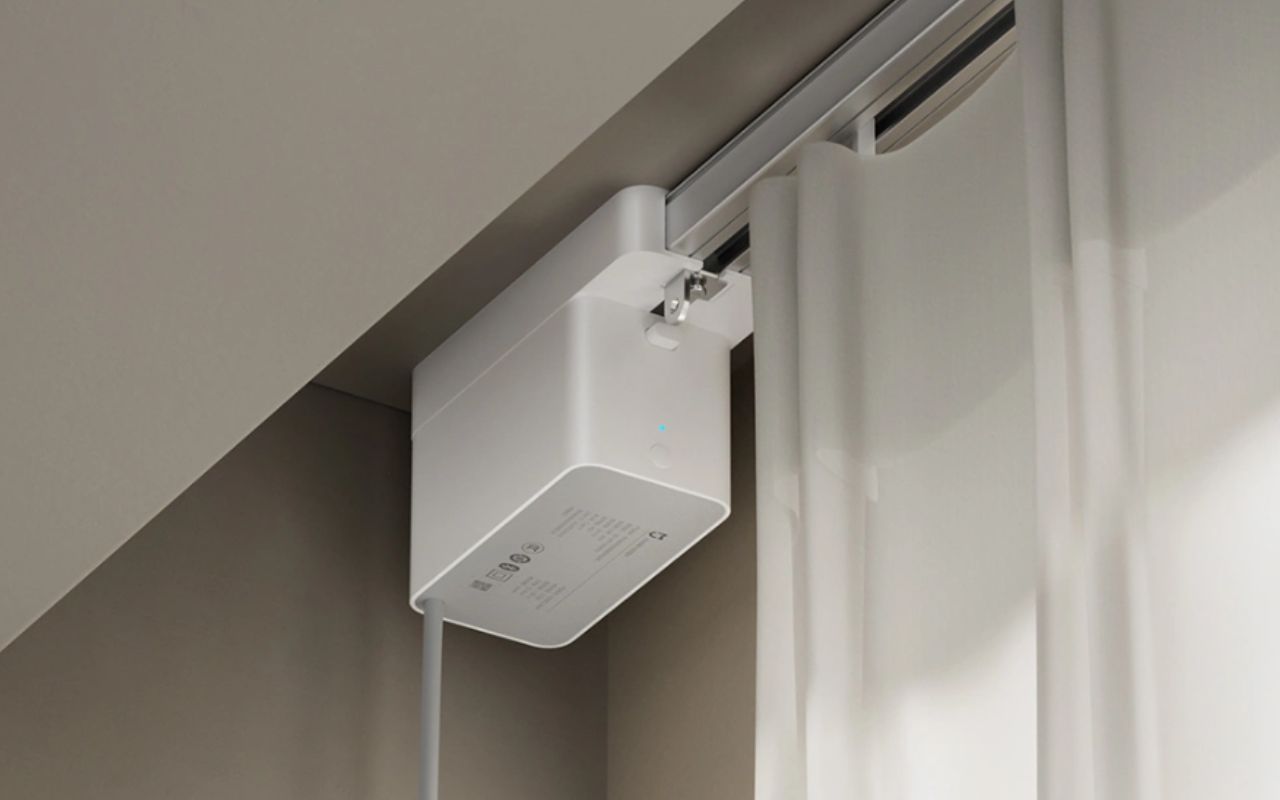
New dual motor technology from Xiaomi features silent operation and voice control: meet the Mijia Smart Curtain 3 Pro.
-
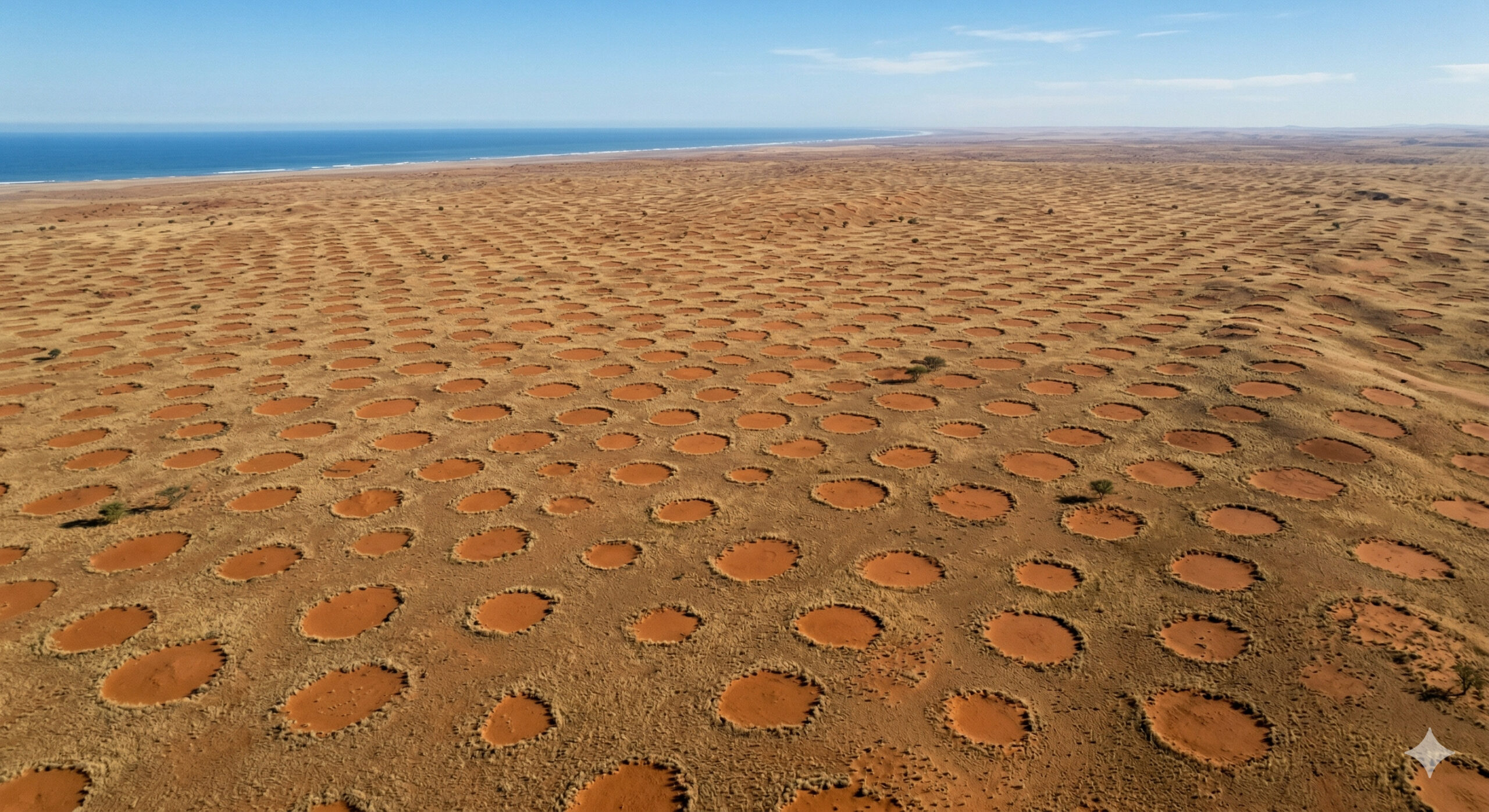
In the Namib Desert, the “fairy circles” form more than 10 million perfect rings, ranging from 2 to 15 meters in diameter, distributed over a stretch of up to 2,000 km along the coast, organized in hexagonal patterns visible from space.
-
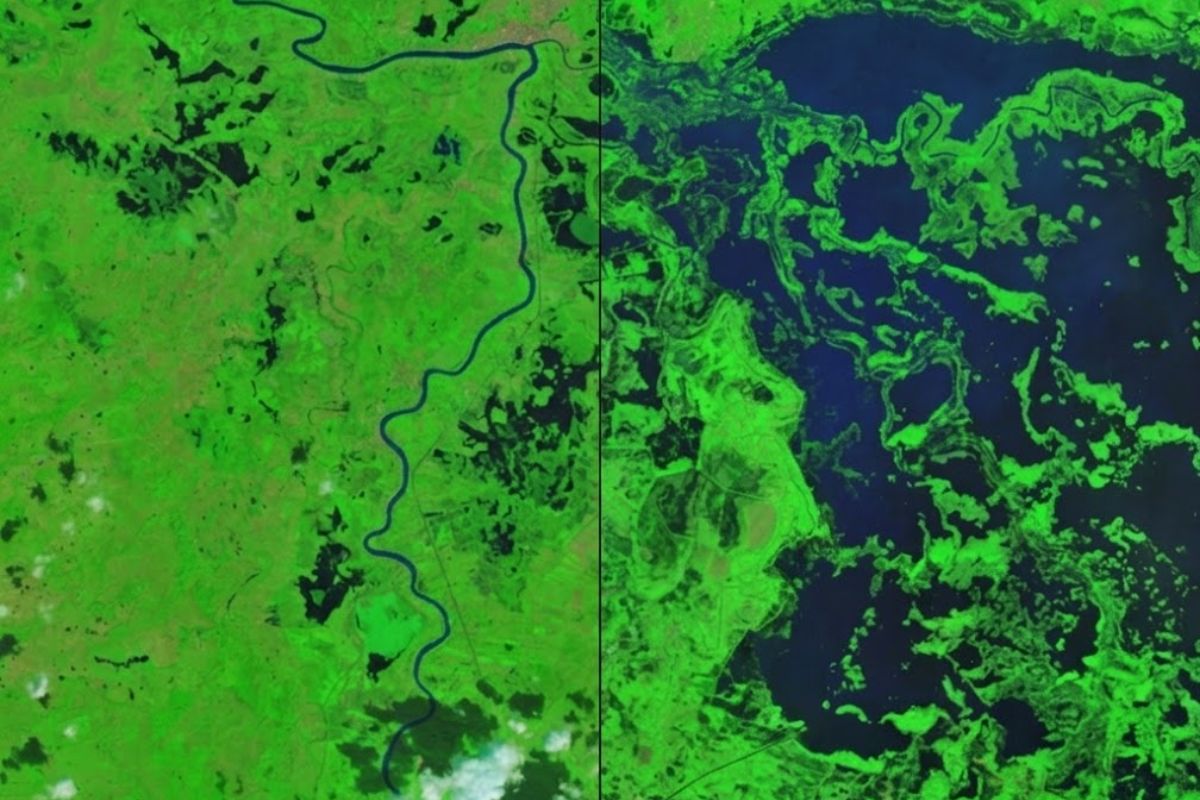
February was supposed to be the driest month of the year, but such intense rains hit Córdoba in Colombia that 80% of the department was underwater, and NASA satellites recorded a giant lake from space where farms and pastures used to be.
Instead of looking for a new type of glue, the team decided to investigate the paper’s own components to understand if they could fulfill this function.
The composition of paper and the obstacle of adhesives
The starting point was the structure of the paper, which is far from uniform. The material consists of natural polymers, such as cellulose, hemicellulose, and lignin, as well as fillers like talc and calcium carbonate, whose presence varies according to the manufacturing process.
This difference in composition proved decisive for adhesion capacity. Some formulations can form strong bonds when treated appropriately, while others exhibit flaws and lower resistance at the time of bonding.
To map this behavior, researchers analyzed about three dozen types of paper. The work combined high-resolution imaging and chemical techniques to identify both the structure and the chemical composition of each sample.
As testing progressed, a clear pattern emerged. Papers with a large amount of inorganic filler materials had difficulty forming strong seals, while thicker papers with a balanced mix of natural components showed superior performance.
Robert Protz, a researcher and scientist at Fraunhofer, summarized this result by stating that an excessive proportion of inorganic compounds, such as talc and calcium carbonate, harms the adhesive properties and the strength of the joints. He also highlighted that thicker papers are more suitable for sealing without a binder.
How the laser transforms paper into its own glue
After identifying the most promising types of paper, the team turned to an unusual tool for the packaging sector: a carbon monoxide laser, or CO. Instead of cutting or engraving the material, the beam is applied in a controlled manner to alter the chemical composition of the paper’s surface.
The process occurs briefly and precisely. The laser heats the surface and breaks down cellulose, hemicellulose, and lignin into smaller molecules, which remain in the paper as “fusible cleavage products.”
These compounds begin to act as a kind of glue created from the material itself. When two layers of laser-treated paper are pressed together with heat and pressure, these molecules melt and fuse, joining the surfaces without the addition of any external adhesive.
In this system, the sealing element ceases to be a material applied to the paper and becomes extracted from it. The solution changes the conventional logic of packaging, as the paper does not receive a gluing substance: it begins to generate its own bond from its composition.
Resistance tests and pilot line in Dresden
The next step was to verify if the technology worked outside the theoretical concept. The seals obtained with the laser were subjected to mechanical resistance tests, with tension and elongation, to show at what point the joints could fail.
The results indicated performance above what the researchers expected. From there, the project advanced to a phase closer to industrial conditions, with the construction of a pilot production unit in the city of Dresden.
The facility was designed to simulate a real production line, not just a controlled laboratory environment. In this system, rolls of paper continuously pass through a laser module that activates the surface before the bonding stage.
After that, a second layer of paper is added to the process. The two layers are then sealed with heat and pressure and subsequently cut to form the finished bags.
The pilot line also incorporates sensors to monitor the quality of the sealing in real-time. When necessary, the system automatically adjusts the process to maintain sealing performance.
Challenges to expand laser paper technology
The elimination of adhesives can solve one of the most discreet yet important points of sustainable packaging. Without glue, paper tends to be easier to recycle, and the quality of recycled fibers can improve, bringing the material closer to a more circular model.
Even so, large-scale application still faces technical and economic obstacles. One of the main challenges lies in the strong dependence on the exact composition of the paper, which is not standardized across the industry.
Another decisive point will be to expand the use of the laser without raising the costs of the process. For the solution to be adopted in factories, the system will need to adapt to existing lines and operate at a scale compatible with industrial production.
The researchers are already working to overcome these limitations. The goal is to achieve a production speed of about ten packages per minute by September 2026, in addition to reducing the size of the equipment and facilitating its integration into factories.
If this goal is achieved, paper could leave behind one of its most persistent contradictions. In this scenario, the laser would not only bond packaging without adhesive but would also help make the paper itself more compatible with the sustainability promise that accompanies its use.






Seja o primeiro a reagir!