





 Portuguese
  English
  Spanish
  4 min of reading
  0 comments


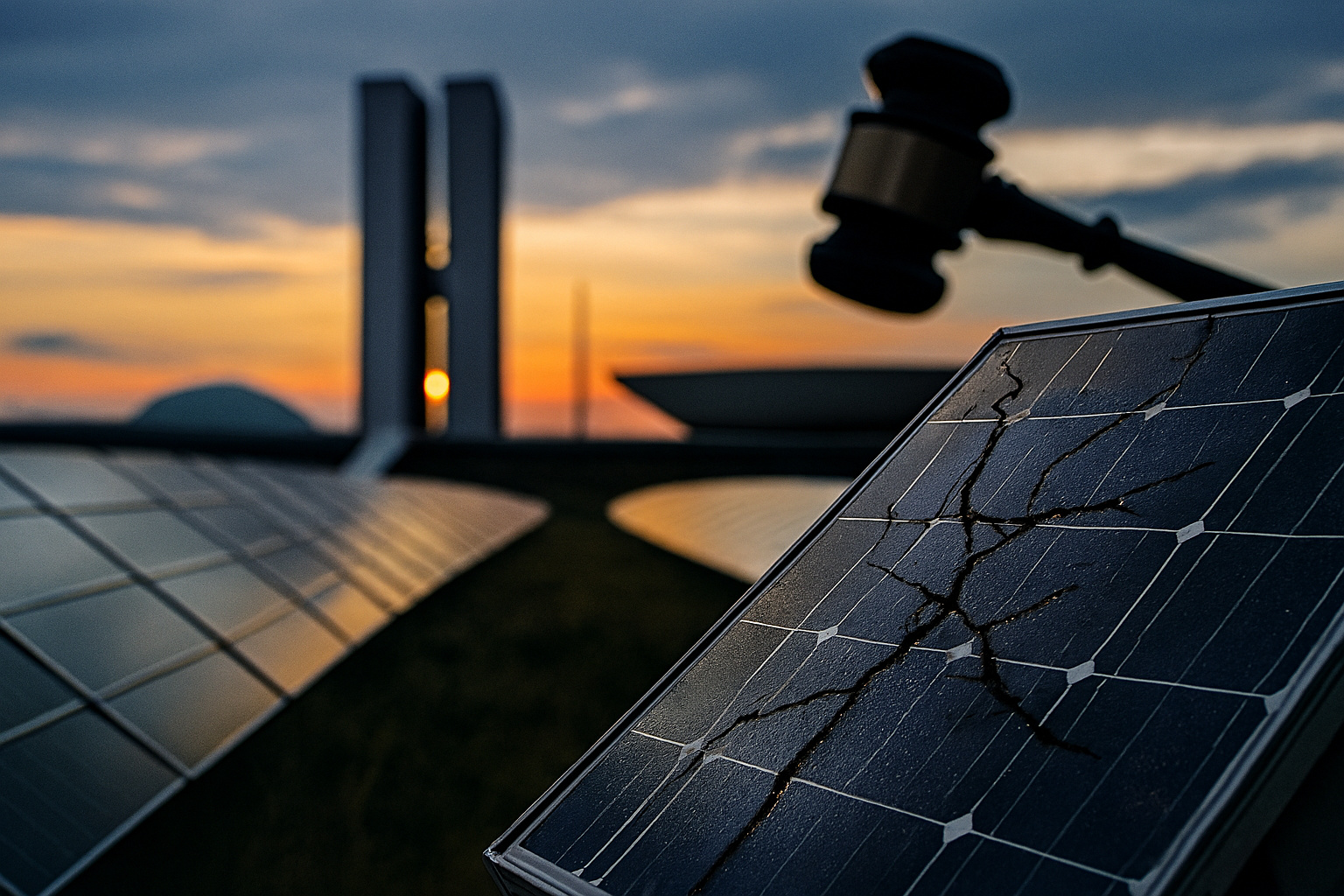
Provisional Measure No. 1,300 Changes the Legal Framework of the Electric Sector, Reduces Solar Energy Compensation, and Generates Strong Reactions from Parliamentarians, Rural Producers, and Consumers Who Invested in the Model.
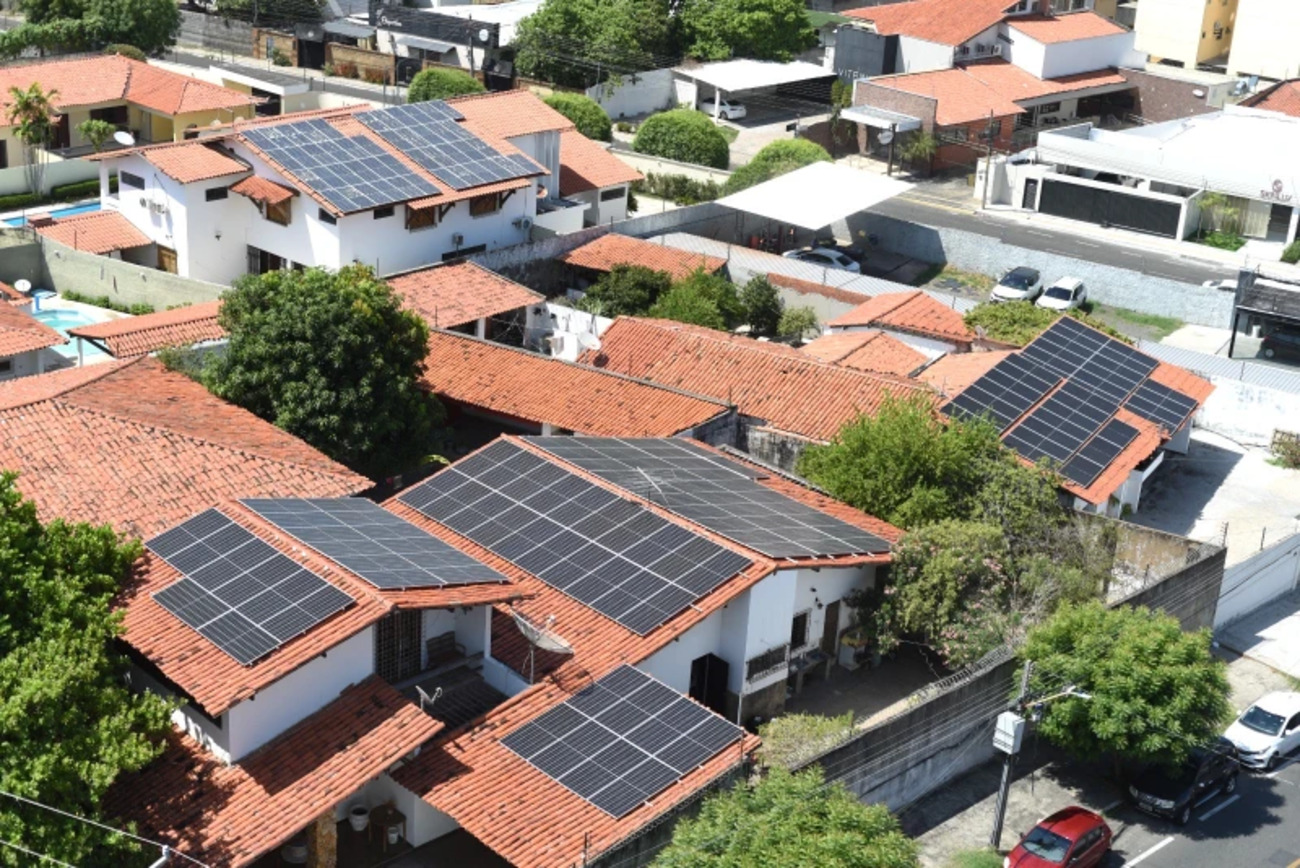
Brazil is experiencing one of the most tense moments in its energy transition. The publication of Provisional Measure No. 1,300/25, on May 21, by the federal government, caused a shock in the renewable energy sector. The proposal, presented as part of the “modernization of the Brazilian electric sector,” has been dubbed by critics as the “end of solar panels,” as it threatens the economic viability of distributed generation — a model in which consumers produce their own energy through photovoltaic panels.
What Changes with the New PM
Until now, every real injected into the grid by solar systems was fully compensated on the energy bill. However, under the new rule, the compensation would drop to R$ 0.36 for every R$ 1.00 produced, causing consumers to lose R$ 0.64 for each unit of energy generated.
In practice, this represents a reduction of up to 80% in the economic attractiveness of solar energy, risking the halt of investments, causing layoffs in the sector, and jeopardizing projects of small rural producers and families who invested in the energy transition.
-
Seagri’s headquarters invests in solar energy with Neoenergia Coelba and promises to cut electricity costs, highlighting a strategic advance in sustainability and energy efficiency within state public administration.
-
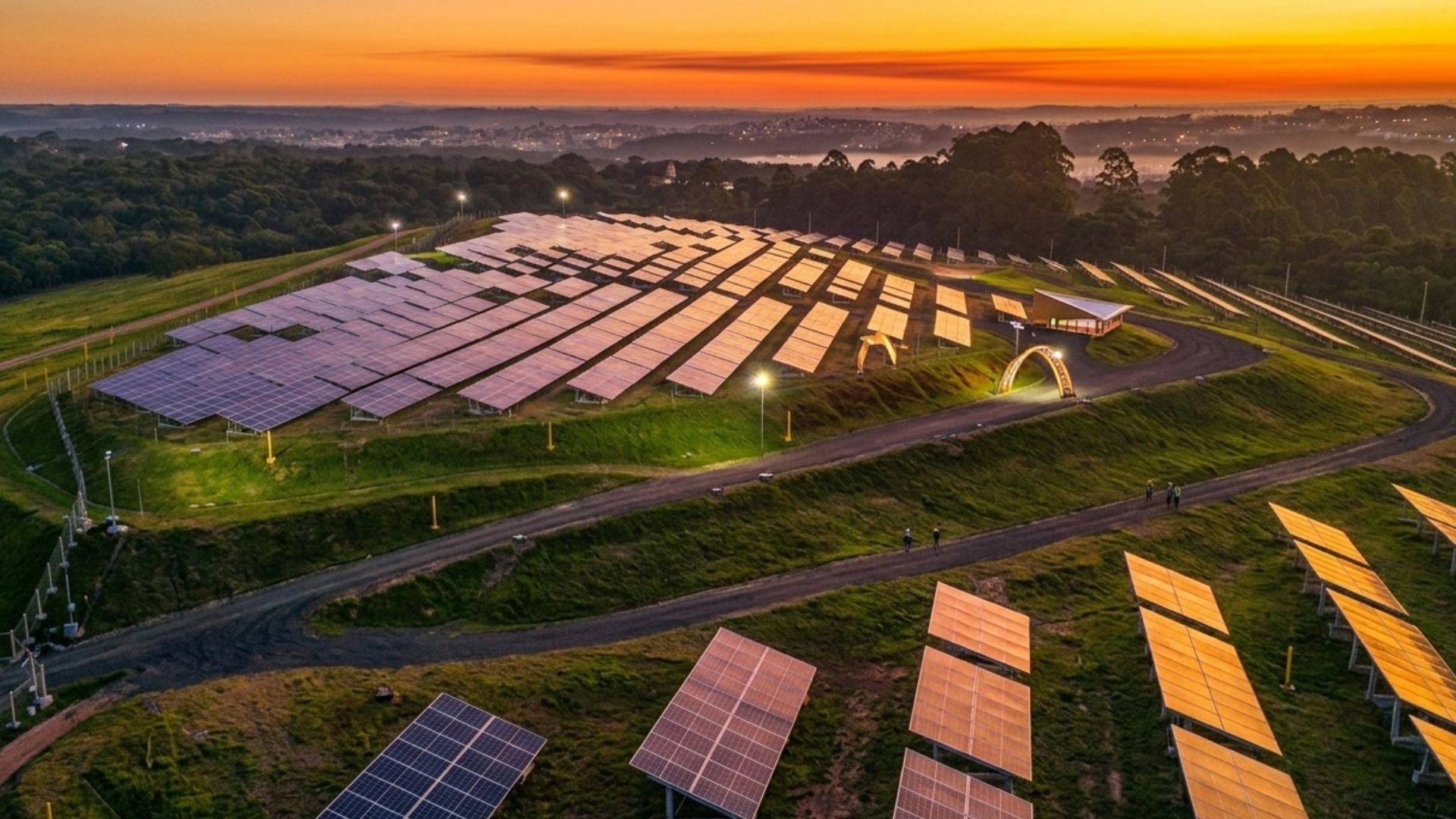
Solar Pyramid draws attention by converting solar energy into million-dollar savings and repositioning the City Hall of Curitiba as an example of innovation, sustainability, and intelligent use of public resources.
-
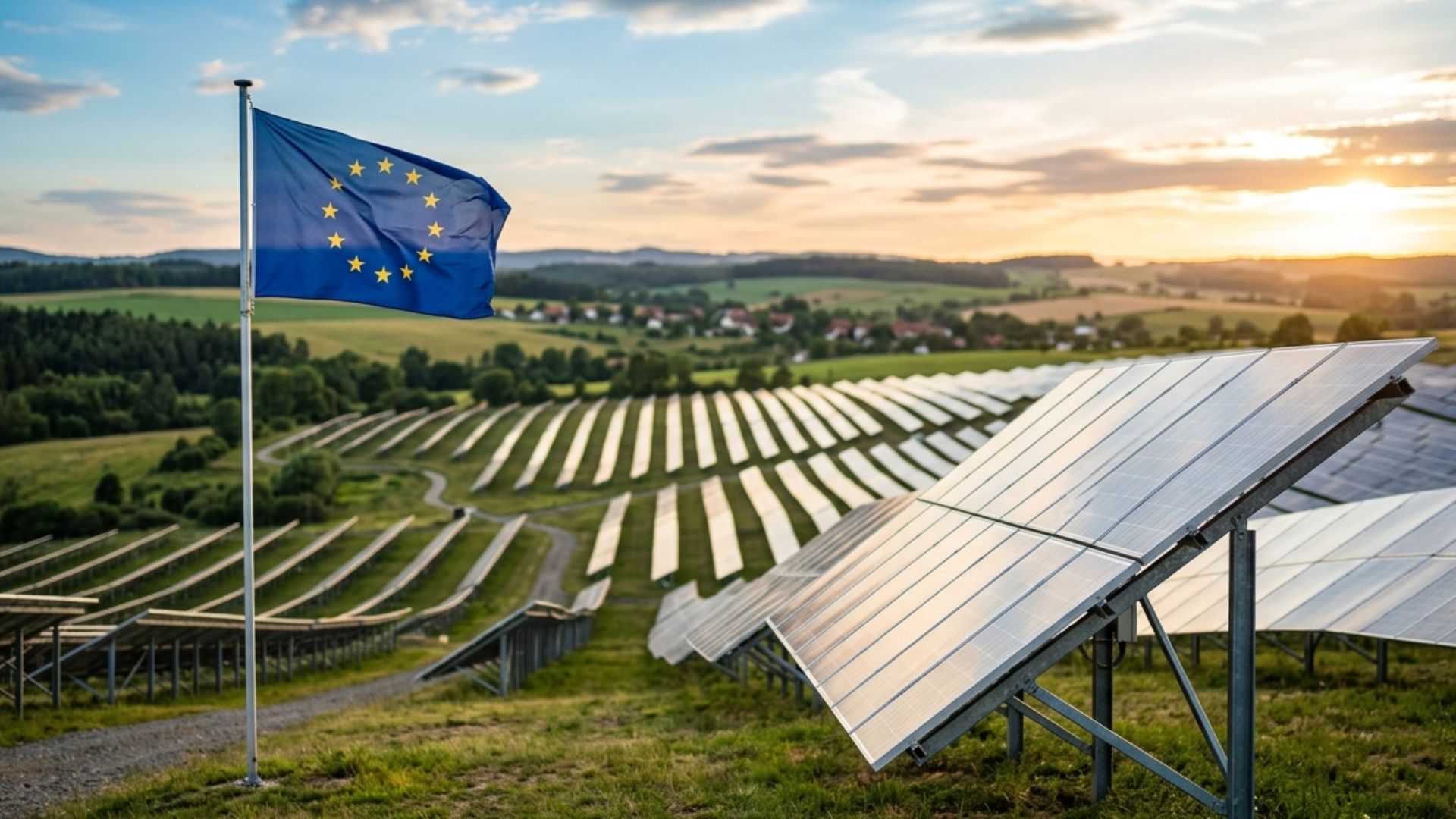
Europe records strong euro economy with solar energy in March and sparks curiosity about which country leads growth that redefines the energy market and reduces costs.
-
Piauí reaches a historic milestone in energy transition: State records nearly 160,000 households powered by solar energy and leads growth in the Northeast.


Reactions in Congress and the Productive Sector
The topic quickly took over the Chamber’s plenary. Deputy Lúcio Mosquini (MDB-RO) was one of the most critical:
“The proposed reform of the electric sector that is being voted on could jeopardize the future of solar energy in Brazil. (…) We cannot accept setbacks! Clean and renewable energy is the path to energy independence and a sustainable future.”
According to opposition and government coalition parliamentarians, regulatory insecurity harms those who have already invested in the sector, believing in stability, and may compromise the expansion of solar energy throughout the country.
Arguments from the Federal Government
In its exposé of reasons, the Ministry of Mines and Energy defended the PM on three pillars:
- Reduction of Energy Inequality: expansion of the Social Tariff, ensuring free access for families registered with CadÚnico that consume up to 80 kWh/month and partial exemption for those who consume up to 120 kWh/month;
- Consumer Choice Freedom: gradual opening of the free energy market, allowing households and businesses to choose their suppliers by 2027;
- Correction of Distortions: adjustments in the allocation of sectoral charges to balance costs among consumers connected to the grid.
According to the government, changes should benefit 115 million Brazilians in vulnerable situations, financed by the Energy Development Account (CDE).
Opening of the Market and New Regulatory Roles
Another central point of the PM is the opening of the free energy market for low-tension consumers. Starting in August 2026, industries and businesses will be able to choose their suppliers, and in December 2027, it will be the turn of residential consumers.

To avoid supply shortages, the text creates the Last Instance Supplier (SUI), which will serve customers in emergency situations. Distributors will only act as service providers for delivering contracted energy.
The Uncertainty of the Future of Solar Energy
PM No. 1,300/25 is already in effect but needs approval from Congress to avoid expiration. The mixed commission has not yet concluded the analysis of the text, and the session on September 16 ended without deliberation, delaying the decision.
In the meantime, the solar sector is pressuring deputies and senators to reconsider the most critical points. Rural producers warn that the measure threatens family agriculture, as many invested in solar panels to reduce costs in the field. Electric sector companies speak of setbacks for one of the segments that generates the most jobs in the country.
Economic and Social Impacts
- Loss of Competitiveness: decrease in the adoption of new solar systems and the halt of planned investments;
- Unemployment: risk of mass layoffs in companies that install and maintain solar panels;
- Family Agriculture: small producers may lose the primary alternative to reduce energy costs;
- Energy Inequality: while vulnerable families benefit from the social tariff, part of the middle class and the productive sector bears greater costs.
The text promises to ignite debates in Congress, as it involves the interests of parliamentarians, companies, rural producers, and consumers. For critics, it constitutes a “setback PM.” For the government, a “necessary modernization.”
Whatever the outcome, the future of solar energy in Brazil is at stake — and with it, the trust of millions of Brazilians in the energy transition.









-

2 pessoas reagiram a isso.