





 Portuguese
  English
  Spanish
  5 min of reading
  13 comments


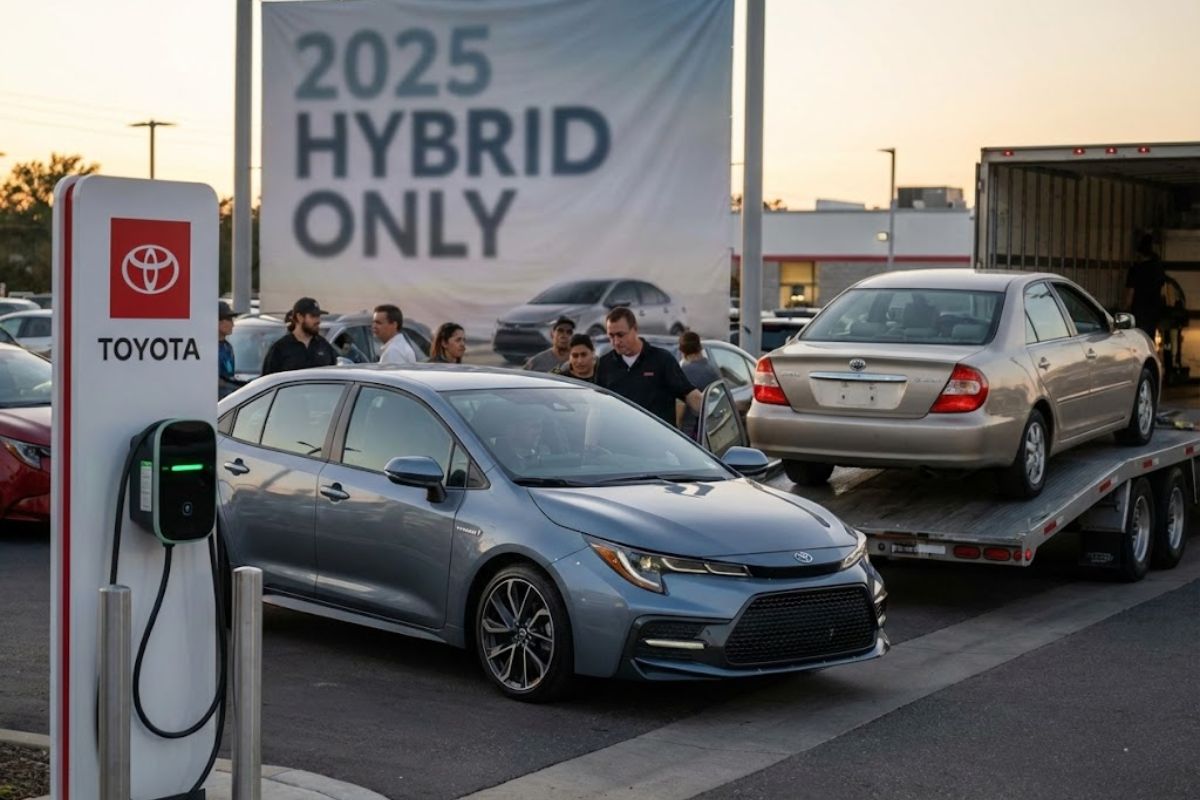


With The End of The Gasoline Corolla, Japan Will Only Receive The 2025 Corolla Hybrid With Self-Charging Hybrid Technology Starting In 2025. Toyota Claims The Transition Aims To Reduce Emissions Without Losing Efficiency, Reliability, And Operating Costs, While Maintaining Adequate Performance For Urban And Highway Use
Toyota has confirmed in Japan The End of The Gasoline Corolla: starting in 2025, the sedan will no longer offer exclusively combustion versions and will only be sold as the 2025 Corolla Hybrid in a transition announced to reduce emissions.
The change combines electrification and practical use. By making hybrid technology standard in Japan, the brand claims it wants to reduce emissions without compromising efficiency, reliability, and operating costs, keeping the 2025 Corolla Hybrid as a high-volume option with simple operation.
Toyota Confirmation And What Changes Starting In 2025

The End of The Gasoline Corolla in Japan means that the model will no longer have exclusively combustion versions in the Japanese market in 2025.
-
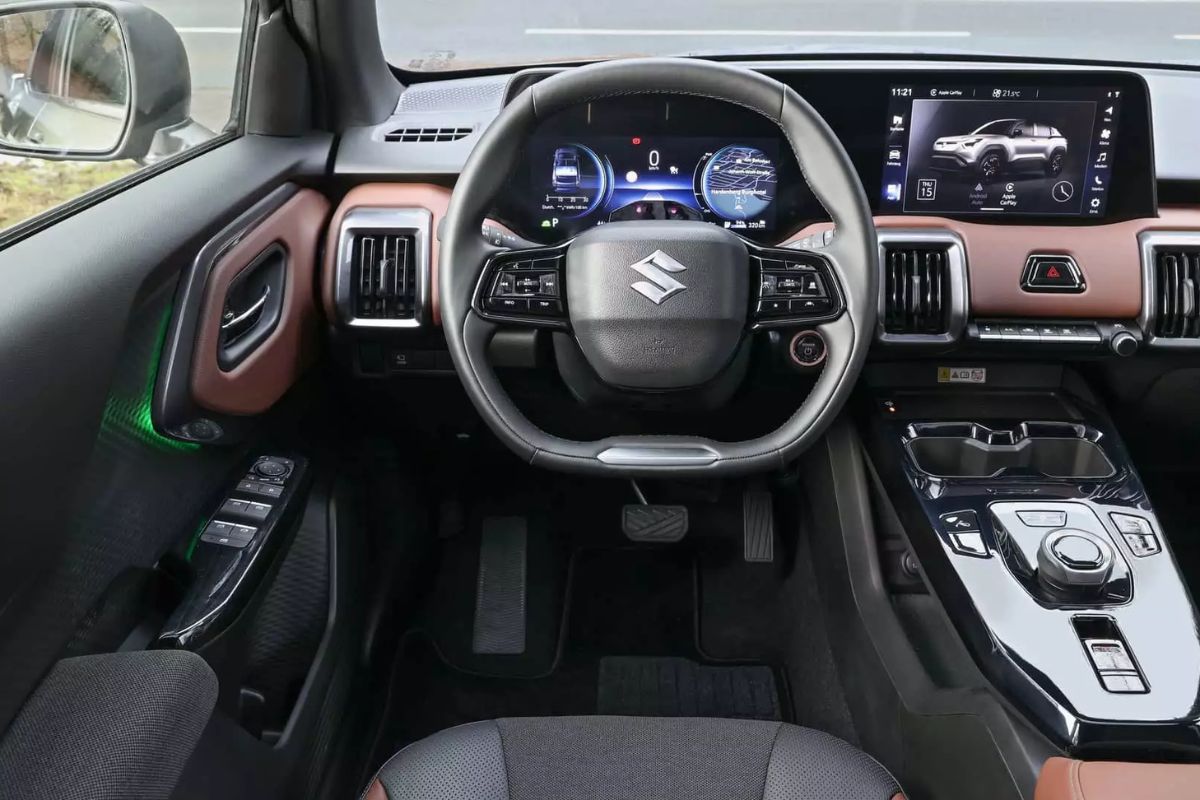
The 2026 electric Vitara arrives in Brazil and proves that Suzuki is not leaving: 4×4 traction, 184 hp, 61 kWh LFP battery, 293 km range, R$ 259,000, and a trunk capacity of 224 L.
-
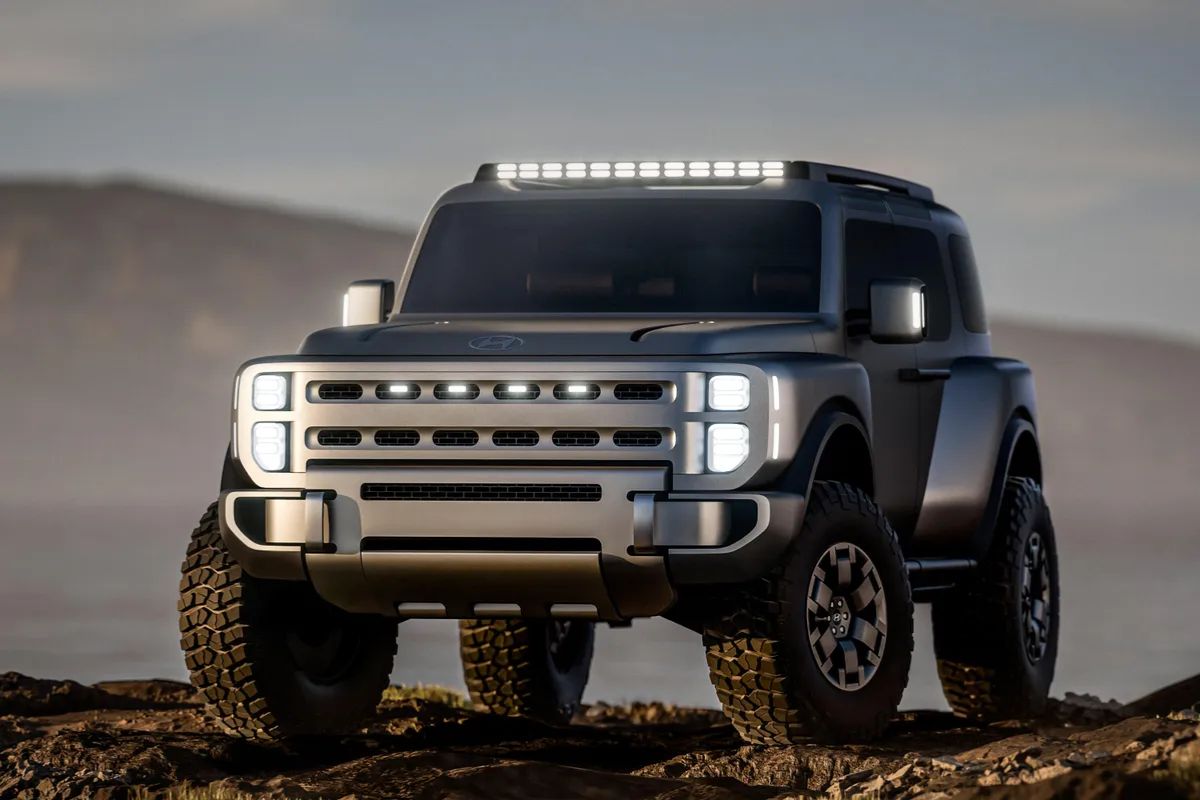
Hyundai has unveiled the Boulder, a square SUV with a body-on-frame design, 37-inch mud tires, and carriage-style doors that seems to be made to take on the Ford Bronco and the Scout Traveller in the United States.
-
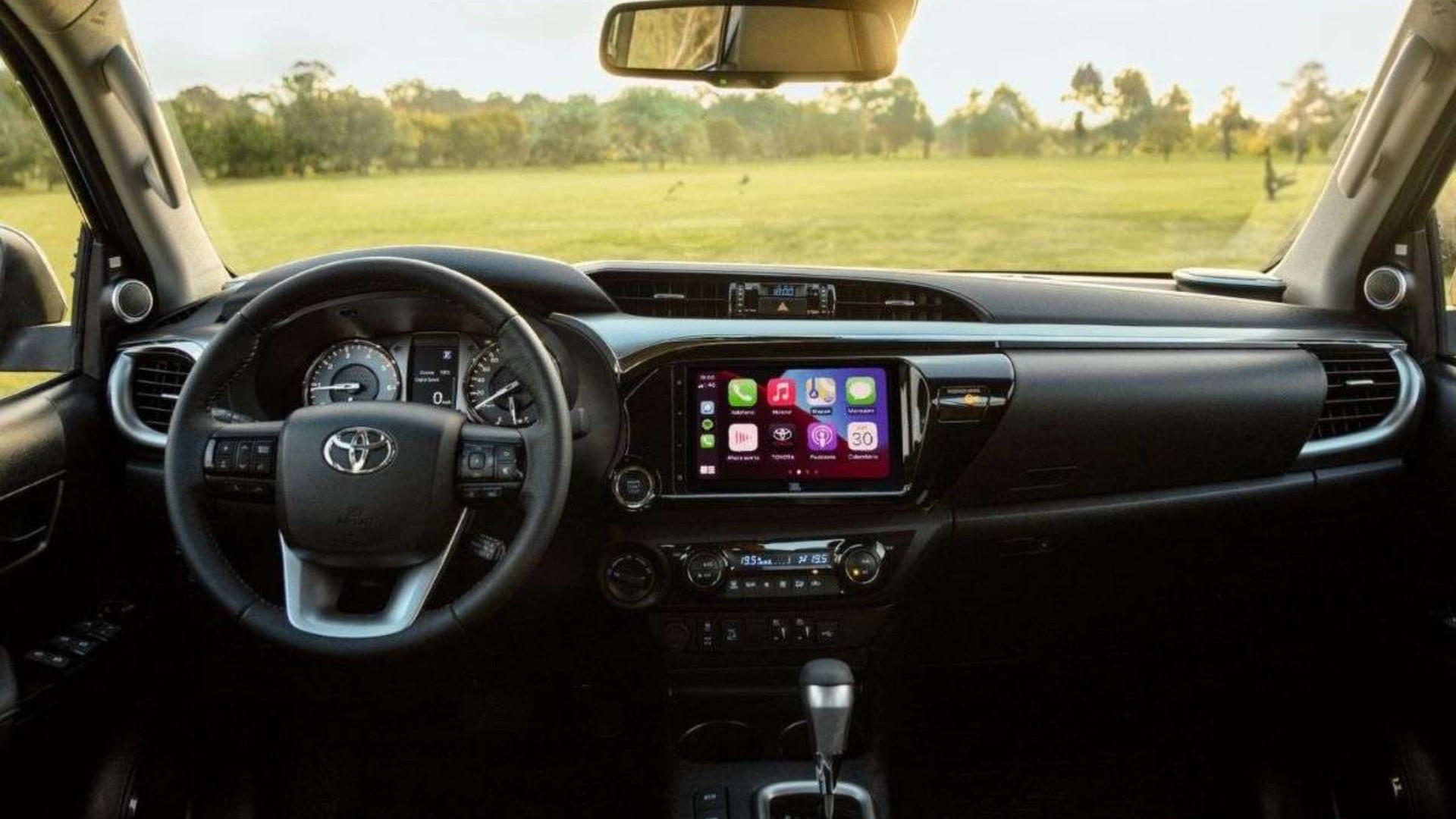
The Toyota Hilux is R$ 75.5 thousand cheaper and bets on the 2.8 turbodiesel engine with up to 204 hp and 50.9 kgfm to catch up with the VW Saveiro, which leads with 4,472 sales.
-
The new Renault Koleos has a screen exclusively for the passenger that is invisible to the driver, heated rear seats, and 29 assistance systems, but its Chinese competitors cost R$ 40,000 less and deliver more power.
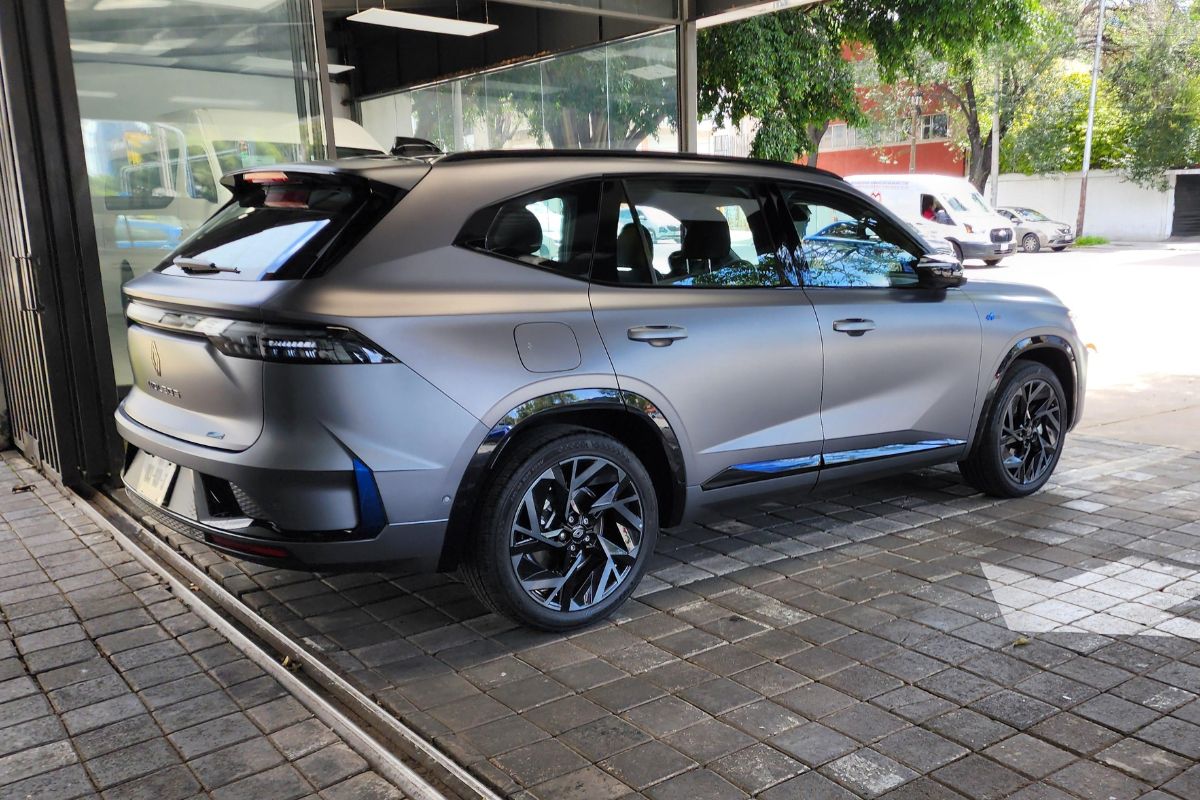

Toyota frames the decision as part of local electrification and the attempt to reduce emissions without sacrificing efficiency, reliability, and controlled costs.
In practice, the 2025 Corolla Hybrid will be the only format for selling the sedan in Japan, replacing the offering of gasoline-only versions.
The transition repositions the Corolla as a showcase for electrification in a high-volume segment, without changing the promise of predictable everyday use.
How The 2025 Corolla Hybrid Works And Why It Doesn’t Need A Plug
The 2025 Corolla Hybrid combines a combustion engine and electric motors that operate intelligently according to driving conditions.
The proposal prioritizes electric use at low speeds and during smooth starts, supporting energy efficiency in urban traffic while maintaining adequate performance for urban and highway use.
At the heart of the package is the self-charging hybrid system.
The battery recharge occurs through regenerative braking and the gasoline engine itself, which eliminates the need for a plug-in connection.
This architecture is presented as a way to reduce emissions in Japan without increasing complexity of use.
Hybrid System Numbers In Japan: Engines, Power, And E-Four Traction
In the mechanical package of the 2025 Corolla Hybrid sold in Japan, the combustion engine is a 1.8-liter gasoline engine with approximately 97 hp.
The front electric motor has a power of about 94 hp and operates during starts and at low speeds, reducing consumption and emissions.
There is also an option for a rear electric motor of 40 hp, associated with the E-Four all-wheel drive system, focusing on stability on slippery surfaces.
The combined power of the system reaches about 140 hp, in a setup that prioritizes efficiency over sportiness, aligned with hybrid technology and the goal of reducing emissions.
Safety And Connectivity In The 2025 Corolla Hybrid
In terms of safety, the 2025 Corolla Hybrid brings a driving assistance package with autonomous emergency braking, lane departure warning, and adaptive cruise control, described as suitable for daily use in dense cities and busy highways in Japan.
For connectivity, the model offers smartphone integration, software updates, and automation functions.
The text also mentions connected services in some markets, such as maintenance alerts, vehicle location, and remote interaction via app, reinforcing the focus on controlled operating costs without losing convenience.
Cited Versions: G And X As An Example Of A Rational Proposal
In the design of versions, the report highlights the G with 16-inch alloy wheels and LED fog lights.
The X version appears with 15-inch steel wheels and a simpler, more rational proposal, preserving the logic of efficiency and costs.
Even with differences in finishes, the common axis remains the same: hybrid technology as standard in Japan and the goal of reducing emissions without compromising reliability, now with The End of The Gasoline Corolla as a hallmark of offering.
Impact On The Japanese Market And The Emissions Debate
By making the hybrid system exclusive to the Japanese Corolla, Toyota describes a significant step in the country’s energy transition, increasing the presence of electrified vehicles in a high-volume segment.
This is likely to influence consumers and competitors, while keeping the 2025 Corolla Hybrid as a technological showcase.
The text also states that the change may position the sedan as a potential beneficiary of tax and tariff incentives.
For consumers, the cited benefits include energy efficiency, lower emissions, quieter driving in urban use, and greater stability with the E-Four traction, linking the product to the goal of reducing emissions in Japan.
What The End Of The Gasoline Corolla Signals For Other Markets
The transition in Japan occurs in a context where the Corolla is already offered with hybrid versions in several countries, coexisting with only combustion options.
The declared trend by the industry is to increase the share of conventional hybrids, plug-in hybrids, and battery electric vehicles, aligning the model with carbon neutrality goals.
In the coming years, new generations of the Corolla are expected to bring advances in connectivity, performance, and efficiency, with more compact batteries, more efficient electric motors, and smarter electronic control units.
In this trajectory, Toyota aims to maintain its reputation for reliability while advancing to reduce emissions, keeping hybrid technology as a bridge between costs and stricter regulatory requirements.
The End of The Gasoline Corolla in Japan, confirmed on 01/05/2026, solidifies the sale of the 2025 Corolla Hybrid as the only option in 2025 and places hybrid technology at the heart of the strategy to reduce emissions while maintaining efficiency, reliability, and operating costs.
To monitor the real impact of this transition, it is worth observing how the Japanese market reacts, whether tax and tariff incentives gain traction, and how the hybrid offering of the Corolla evolves in other countries under emissions and efficiency targets.
In your opinion, does The End Of The Gasoline Corolla in Japan accelerate the adoption of the 2025 Corolla Hybrid outside the country, or will hybrid technology remain limited by local rules to reduce emissions?









Esse modelo híbrido 1.8 do corolla e do cross é péssimo de andar ! Tem que botar um turbo se não passa vergonha na estrada !
Sim . Híbrido e elétricos é a tendência do futuro. Eu só não comprei ainda porque o valor esta bem alto.
Tenho um Corolla Hidrido, para ficar perfeito é só colocar um motor turbo no Corolla Hidrido, aí fica o bicho heim!
Concordo.