





 Portuguese
  English
  Spanish
  4 min of reading
  0 comments


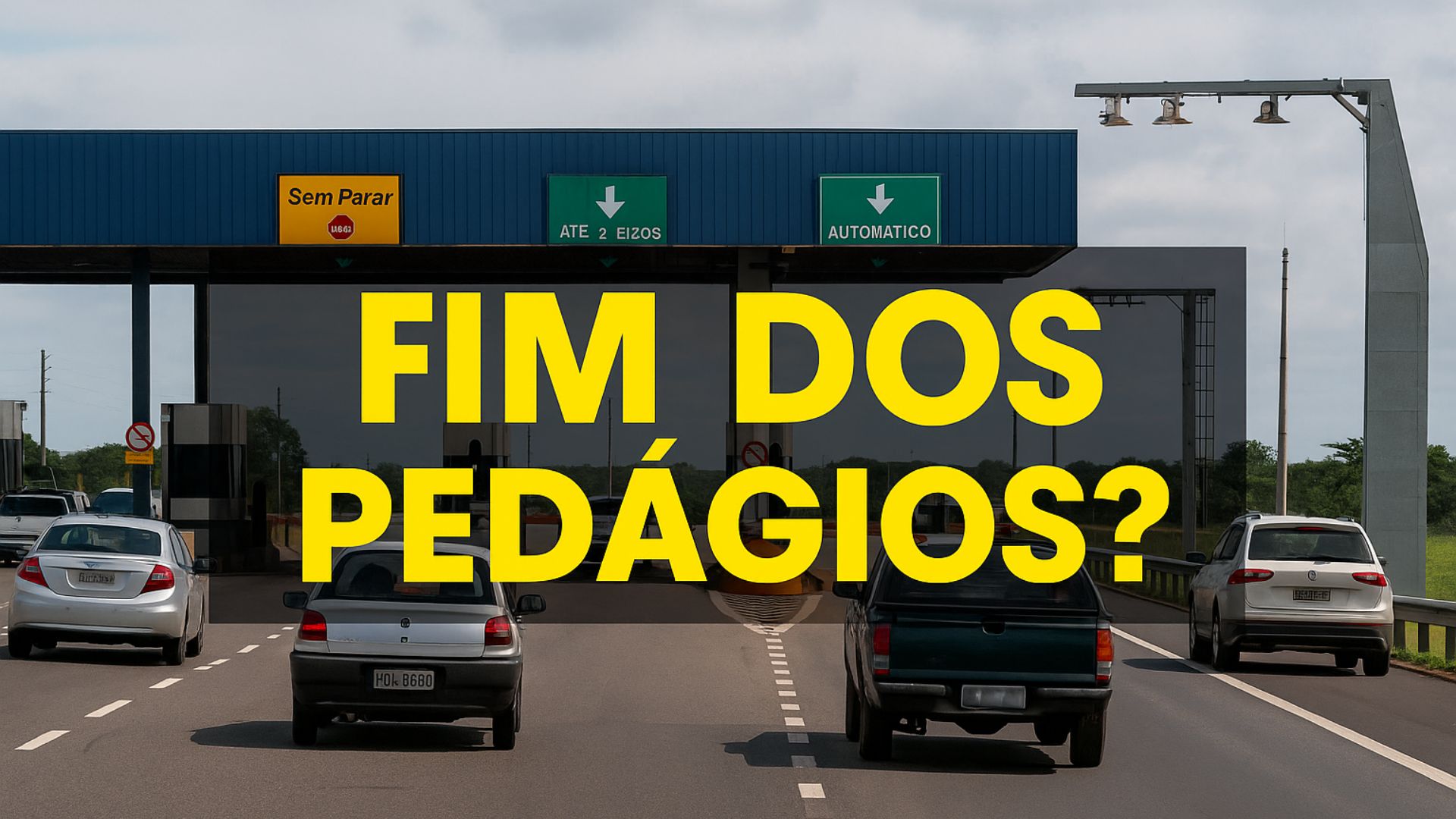
Bill Aims to Ban Electronic Tolling Without Barriers on Privately Held Highways and Revives Debate on Transparency, Oversight, and Automatic Fee Collection on Brazilian Roads.
A bill currently under consideration in the Chamber of Deputies aims to prohibit the free-flow toll system, known as free flow, on the country’s privatized highways.
Introduced on February 26, 2025, by Congressman Pastor Gil (PL-MA), the PL 687/2025 is under review by the Commission of Transportation and Transit (CVT) and follows the process of conclusive assessment — meaning, if approved in committees, it can go directly to the Senate without passing through the plenary.
The proposal affects concessions that already use or plan to adopt electronic portals with automatic or delayed billing.
-
Petrobras sends a message to Brazilian truck drivers after fuel collapse and reveals plan to have 100% domestic diesel.

-
Mothers and daughters come together, create an ‘express’ beauty salon and turn the idea into a network with 21 units, revenue of R$ 16.7 million and 12,000 subscribers.

-
End of the 6×1 schedule: how the reduction of hours can affect service companies, industry, and agribusiness.

-
Brazil Ignores Trump’s threats to BRICS, Buys 42 tons of gold and reduces the Dollar’s share by 6.45% in international reserves.

What the Bill Proposes
The text defines free flow as the toll model that records vehicle passages using electronic technology, without stopping, and associates the format with possible improper charges resulting from technical failures.
In the justification, the author mentions user reports regarding difficulties in contesting charges and advocates for greater tariff transparency and protection of personal data.
The bill provides for administrative sanctions against operators in case of non-compliance, under the oversight of the National Agency for Land Transportation (ANTT).
According to the congressman, the goal is to ensure clarity in fees and accessible contestation mechanisms.
The text, however, does not present transition rules for already installed equipment nor defines how existing concession contracts would be affected.
How the System is Currently Regulated
Currently, free flow has national regulation.
The Contran Resolution No. 1,013, dated October 14, 2024, establishes the rules for the implementation and operation of the system on urban roads and highways at all levels.
The regulation stipulates how vehicle identification must occur, the signage requirements, the storage of images, and data interoperability with the federal executive traffic agency.
The resolution also conditions the operation to approval by the National Traffic Secretariat (Senatran) and links non-payment of the toll to the Article 209-A of the Brazilian Traffic Code, which addresses toll evasion infractions.
Ordinance Details Approval Rules
The Ordinance No. 442, published by Senatran on June 12, 2025, details the process of approval and system integration.
The text makes approval mandatory for operation, determines the submission of registration and technical information to the government, defines tariff models and payment channels, and requires preliminary testing before fee collection begins.
The regulation also establishes that during the transition period, actions taken under previous rules remain valid.
After the deadline set in Resolution 1,013/2024, unapproved systems cannot be used as a basis for infractions related to Article 209-A.
Payment Methods and Penalties
In the operational model, drivers can pay automatically using an electronic tag or similar technology, or individually after passing.
If the amount is not settled within 30 days, the user is subject to a fine of R$ 195.23 and a penalty of five points on the National Driver’s License, according to guidance from ANTT.
The agency clarifies that, in addition to the fine, there is the debt with the concessionaire and recommends that drivers check their payment status through the official channels available.
Impacts if the Bill is Approved
If PL 687/2025 is passed, the use of free flow would be banned on privatized highways, which would halt the expansion of this model in federal and state concessions.
Transportation Regulation Experts note that the bill may affect existing contracts and investments already made by concessionaires, but emphasize that any changes would depend on transition rules, which are not yet outlined in the text.
According to the version available in the Chamber, the proposal delegates to ANTT and other competent authorities the responsibility for overseeing and applying penalties to companies that maintain the system.
Debate on Technology and User Safety
The discussion pits two regulatory paths against each other.
On one side, there is the ongoing implementation process, with technical guidelines and deadlines set by Senatran.
On the other side, the legislative project seeks to suspend the model in concessions, arguing that it may result in billing failures and compromise drivers’ privacy.
The Ministry of Transportation, through Senatran, states that national standardization and integration into the digital government aim to reduce failures, ensure transparency, and enhance user control over their passage history.
The department highlights that the system provides for mechanisms to correct technical errors and service channels for contestation.
Progress and Next Steps
The bill’s progress is of interest to drivers, carriers, electronic tag companies, and concessionaires.
Since the text is subject to conclusive assessment, the decision may occur directly in the Chamber’s committees.
Currently, the PL awaits review in the CVT and will subsequently be analyzed by the Commission of Constitution, Justice, and Citizenship (CCJC).
After this stage, it may be approved, archived, or have a motion presented for a vote in the plenary.
So far, there is no expected date for deliberation.
What is Valid Thus Far on the Roads
While the legislative debate continues, the rules of Resolution 1,013/2024 and Ordinance 442/2025 remain valid.
This means that sections with electronic tolls must have informative signage, approval by Senatran, and data integration with the national traffic system.
These regulations also stipulate that drivers must be informed about the deadlines and payment methods, in addition to the legal consequences for non-payment of the toll.
In light of this scenario, the discussion raises a central question for the sector: is it more appropriate to restrict free-flow tolling in concessions or to improve oversight and transparency of the existing system?









-

Uma pessoa reagiu a isso.