





 Portuguese
  English
  Spanish
  3 min of reading


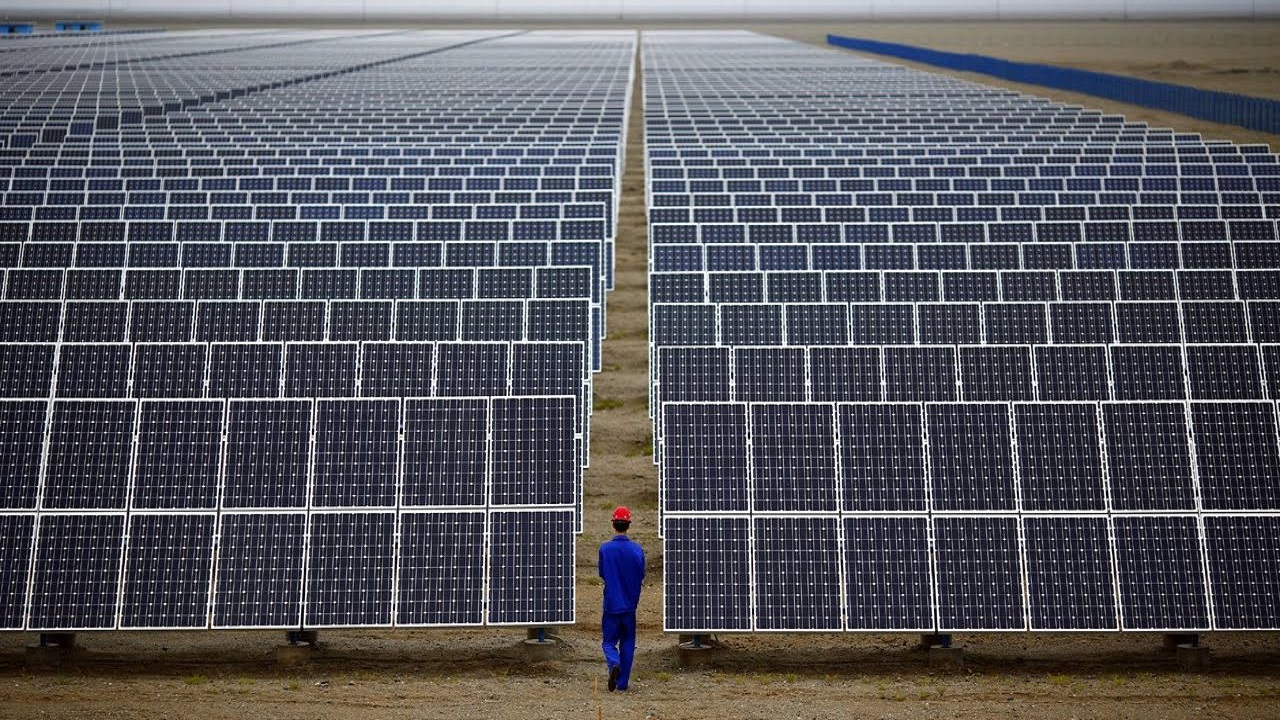
Enel X and Ferrari Plan to Build One of the Largest Solar Photovoltaic Plants in the World. The Project Will Be Responsible for Providing Clean Energy to the Manufacturer’s Factories, Reducing CO₂ Emissions by Tons Per Year.
Enel X, an innovative business line of the Enel Group, recently signed a critical agreement with Ferrari, one of the leading brands in the global luxury sector, for the development of a solar photovoltaic plant located at the historic headquarters of the Prancing Horse in Maranello, Italy. The unit will have a total maximum capacity of 1,535 kWp and approximately 3,800 solar panels.
Ferrari’s Solar Photovoltaic Plant Will Feature 20 kWh Batteries
The Enel X and Ferrari system will meet part of the consumption demands of various units at Ferrari’s headquarters. In addition, it will deliver an innovative project in terms of design and technology, custom-made for Ferrari: a fully off-grid park that allows for energy generation through a 5.5 kWp photovoltaic system, with dual-sided solar panels and a 20 kWh battery storage system.
The system will allow the company’s electric and hybrid cars to be charged through the solar plant built by Enel X.
-
The Brazilian state accelerates industrial competitiveness with a focus on the extraction of strategic minerals to boost the energy transition in Goiás.

-
Seagri’s headquarters invests in solar energy with Neoenergia Coelba and promises to cut electricity costs, highlighting a strategic advance in sustainability and energy efficiency within state public administration.
-
A Canadian retiree creates a hydroelectric system on a real river, generating energy continuously throughout the day and demonstrating how the power of water can supply a house with stability even in a simple structure.

-
Solar Pyramid draws attention by converting solar energy into million-dollar savings and repositioning the City Hall of Curitiba as an example of innovation, sustainability, and intelligent use of public resources.
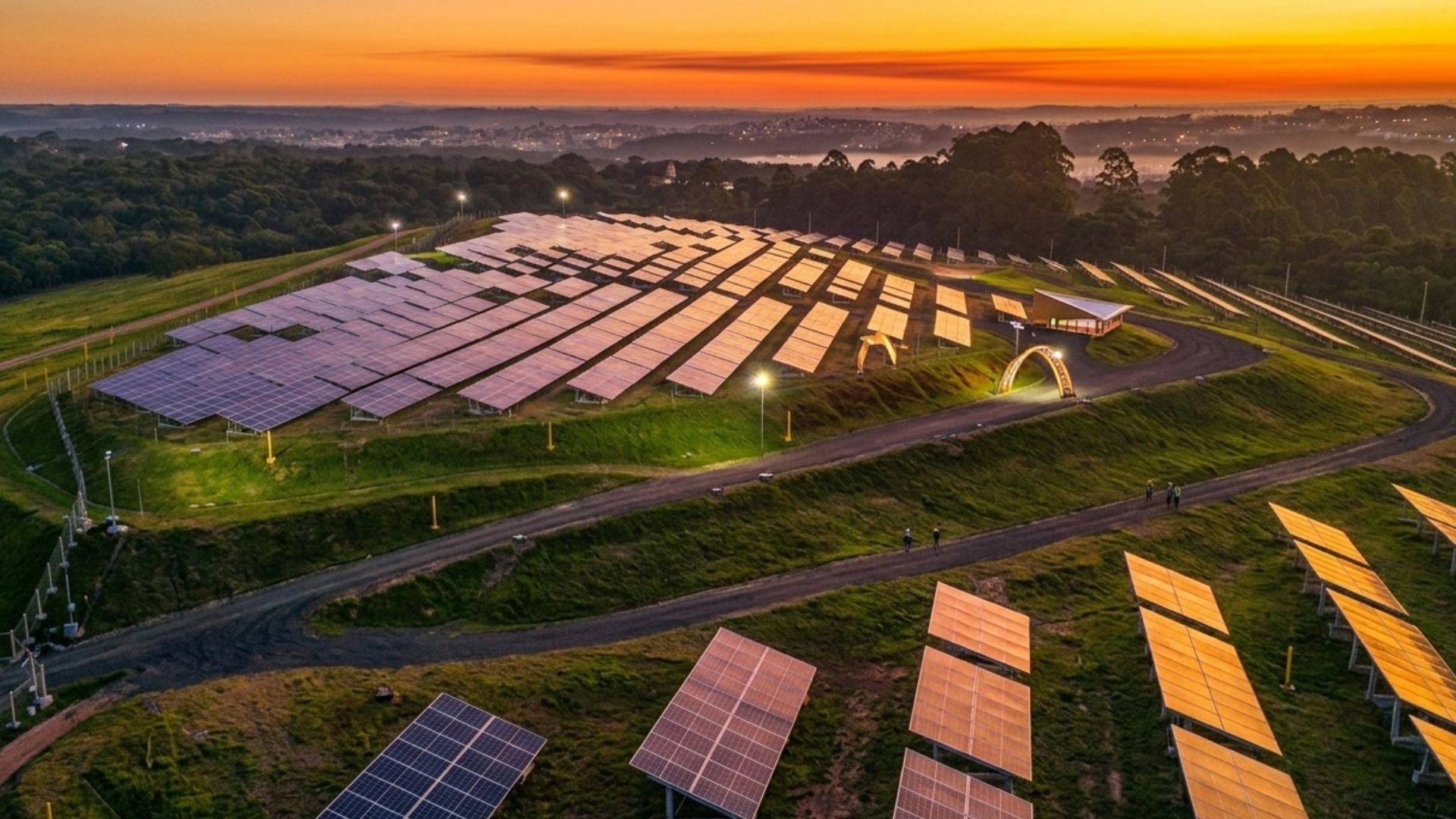

The performance will be monitored by Enel X’s Energy Management System, which will display real-time data on an LCD screen integrated into the infrastructure. According to Francesco Venturini, CEO of Enel X, the company is proud to have signed an agreement with Ferrari, an Italian excellence company and one of the most prestigious brands in the world, that chose Enel X’s technological solutions to make its headquarters in Maranello a legendary place for all enthusiasts of more sustainable engines.
Solar Plant with Over 3 Thousand Solar Panels Will Reduce Over 18.5 Million Tons of CO₂ Over 25 Years
According to the Enel X executive, a custom energy self-production system will be delivered to Ferrari that will significantly contribute to reducing CO₂ emissions, mitigating the company’s energy consumption.
The project of the solar photovoltaic plant with over 3 thousand solar panels strengthens Enel’s position as a leader in developing and installing projects that drive energy transition and enable its partners to achieve their own challenging decarbonization goals.
The solar photovoltaic plant project developed for Ferrari consists of four different plant sections, with the construction of the first already underway on the roof of one of the headquarters buildings.
When fully operational, the entire project will result in the reduction of over 18.5 million tons of CO₂ over 25 years, equivalent to about 740 thousand tons saved annually.
Enel X’s New Strategy
The project will allow the company to self-produce 1,626,802 kWh/year. This project confirms Enel X’s strategic approach to energy use in line with the principles of energy transition, enabled by an ecosystem of integrated solutions for energy efficiency in production and auxiliary processes, distributed generation, consumption electrification, and flexibility programs to contribute to the stability of the power grid while generating additional benefits for companies.
The portfolio of products and services is uniquely developed for each client based on preliminary analysis, implementation, priorities, and measuring the impact of projects on the company’s carbon footprint and specific products.
All of this is based on the strategic goal of transforming the impacts of energy production into an economic and environmental opportunity.










Seja o primeiro a reagir!