Portuguese
  Spanish


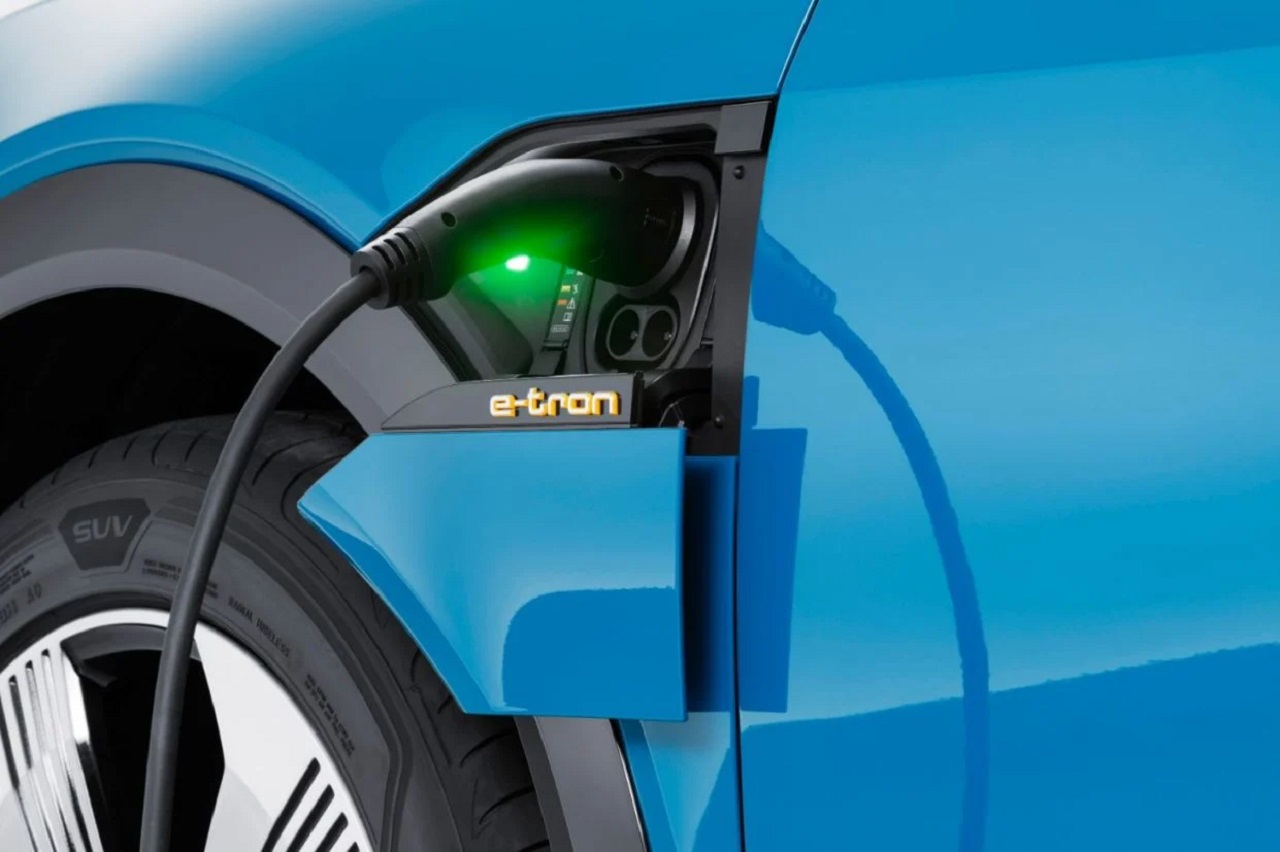

If approved, the bill that promises to exempt import tax on electric and hybrid cars will take effect very soon. The PL will not need to go to the Senate plenary if the Economic Affairs Committee approves it first, going directly to the Chamber of Deputies
An authoritative bill by Senator Irajá (PSD-TO) provides for the exemption from import tax on electric and hybrid cars that are manufactured within Brazilian territory. This benefit would be valid until December 31, 2025. The Federal Government has minimized or eliminated the tax since 2016 as a way to encourage Brazilian consumers to buy electric cars.
PL Provides for Tax Exemption on Electric and Hybrid Cars
However, the tax exemption – which was valid until 2025 – has ceased to be in effect since January 2022. According to Irajá, about 80% of the energy matrix of Brazil comes from renewable sources, such as hydropower, solar photovoltaic energy, wind energy, and biomass. Therefore, it makes no sense not to encourage the use of electric and hybrid cars in the country.
The senator also argued that the country relies on imports of specific parts for assembling electric or hybrid cars. According to Irajá, as we still do not have a well-established industry in the country for manufacturing supplies, components, and essential equipment for assembling these electric and hybrid cars.
-
End of an era in Brazil: beloved sedan by Brazilians is discontinued despite having a 2.0 engine with 151 hp, CVT transmission, 466-liter trunk, and up to 650 km of range.

-
New Law Proposal in Brazil Could Heavily Penalize Drivers: Dangerous Overtaking May Become a Serious Offense with Fines Increased Tenfold and a 12-Month License Suspension; Update on 2026 Progress

-
Electric Revolution: Watts W125 Motorcycle Offers 160 km Range, 90 km/h Speed, and Affordable Price Starting at $3,000
-
General Motors Replaces Over a Thousand Workers with 50 Cobots at Electric Vehicle Plant, UAW Union Criticizes Move Amid Industry’s Automation Push
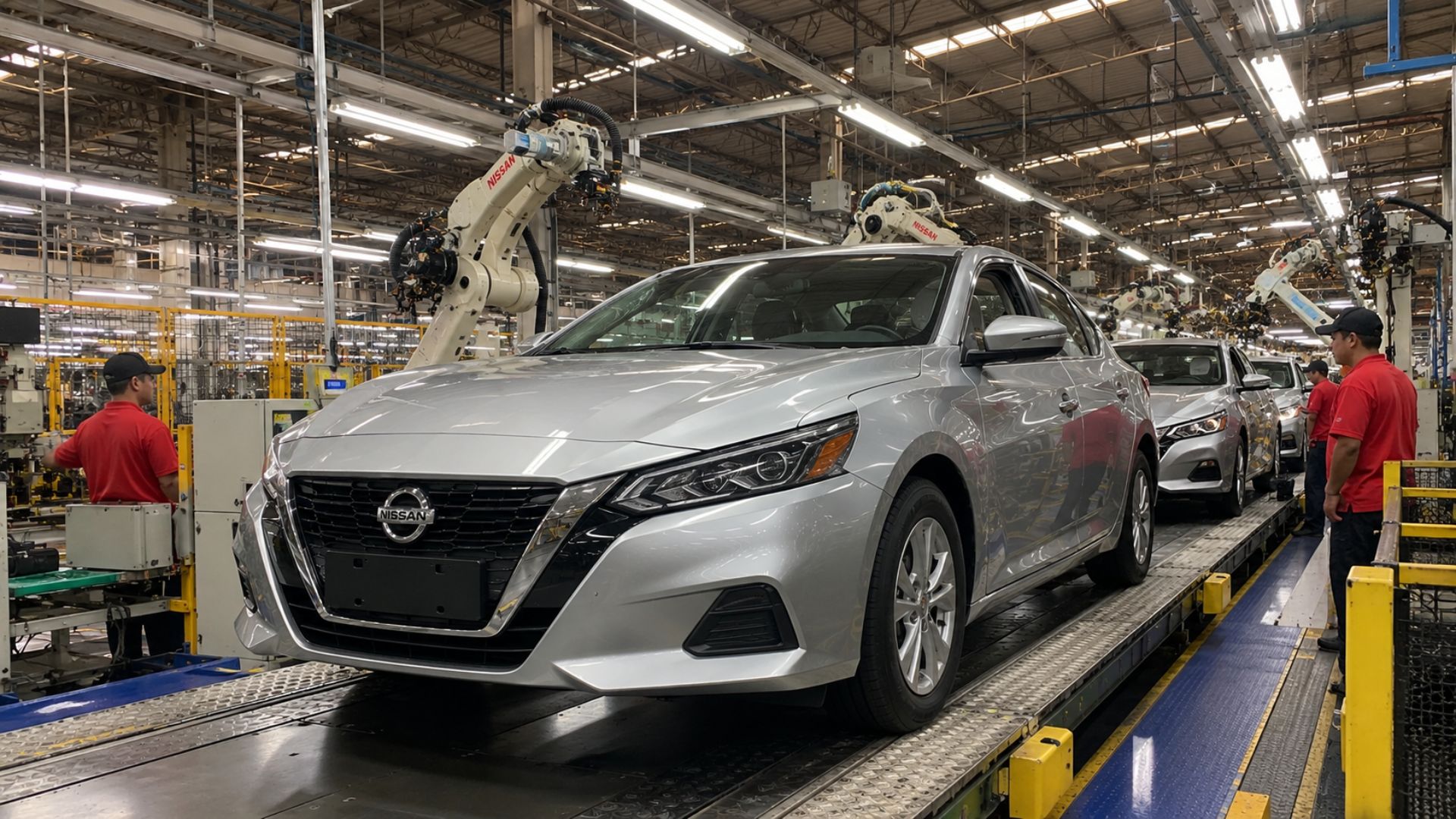



A large part of the equipment used in assembling electric cars comes from Asia and also from Europe. For the senator, it would be of great importance to create, within the next three years, a law that exempts the tax on the import of this equipment.
Therefore, the PL created serves to restore what had already been implemented a few years ago. The impact of this is a 35% tax that is severely charged on all these products sold here.
Import Tax Exemption, According to What Is Provided in the PL, May Reduce the Final Import Value
According to an analysis by Senator Irajá, applying the exemption from the import tax, which is currently at 35%, a considerable reduction may be seen in the final price.
The senator also stated that the impact on the final cost could reduce the price of these electric cars and hybrid models for the final Brazilian consumer by around 10 to 20%. This is precisely because there is still a significant gap, which is still quite large, between the economic viability of conventional car models, since the fleet is still powered by fossil fuel, in addition to being infinitely lower in price compared to, for example, these electric or even hybrid vehicle models.
Ban on Combustion-Powered Fleets, Including Hybrid Models, in Part of Europe Starting in 2035
The European Commission has banned the manufacture of new cars powered by combustion engines, including hybrid vehicle models, starting in 2035. In some U.S. states, this radical measure has also been adopted.
If approved by the committee responsible for making economic decisions, the bill that exempts the import tax on electric and hybrid car models, as well as other electrified models, will go directly to the Chamber of Deputies, without even needing to pass through the plenary of the Senate.