





 Portuguese
  English
  Spanish
  3 min of reading
  1 comment




Electricity Returns to Pressure the IPCA in September, Pushing Inflation and Triggering an Important Alert for the Brazilian Economy.
Electricity Surges and Pressures IPCA in Brazil
The IPCA recorded an increase of 0.48% in September and surprised analysts by coming in below projections of 0.52%.
Even with the index coming in slightly better than expected, electricity returned to being the main villain of inflation in Brazil, directly pressuring the economy and family budgets.
The survey by the IBGE, released this Thursday (9), shows that the residential electricity tariff jumped 10.31% in the month, contributing alone with 0.41 percentage points to the IPCA.
-
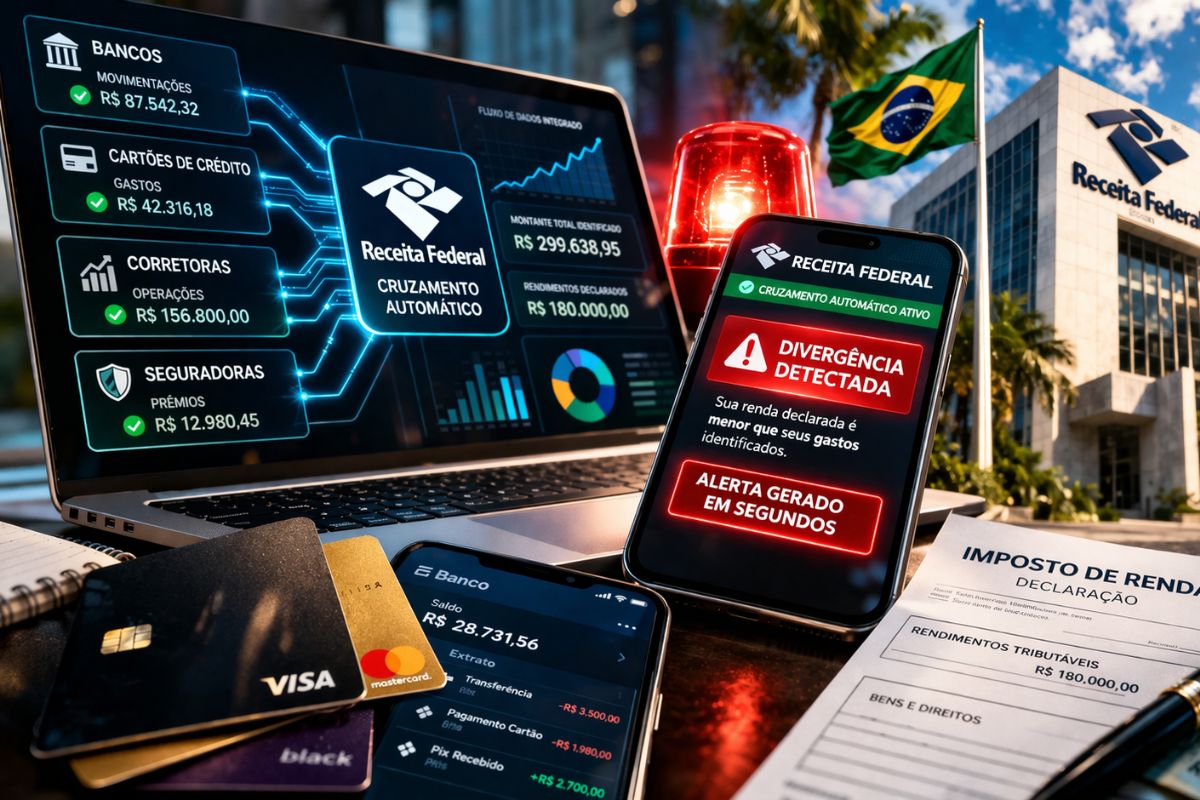
The Federal Revenue Service now automatically cross-references everything you declare with data from banks, credit cards, brokerage firms, and insurance companies, and any discrepancy between your income and your expenses triggers an alert in seconds.
-
Amid global tensions, Brazil blocks the United States’ proposal at the WTO and paves the way for a trade crisis and possible retaliations.

-
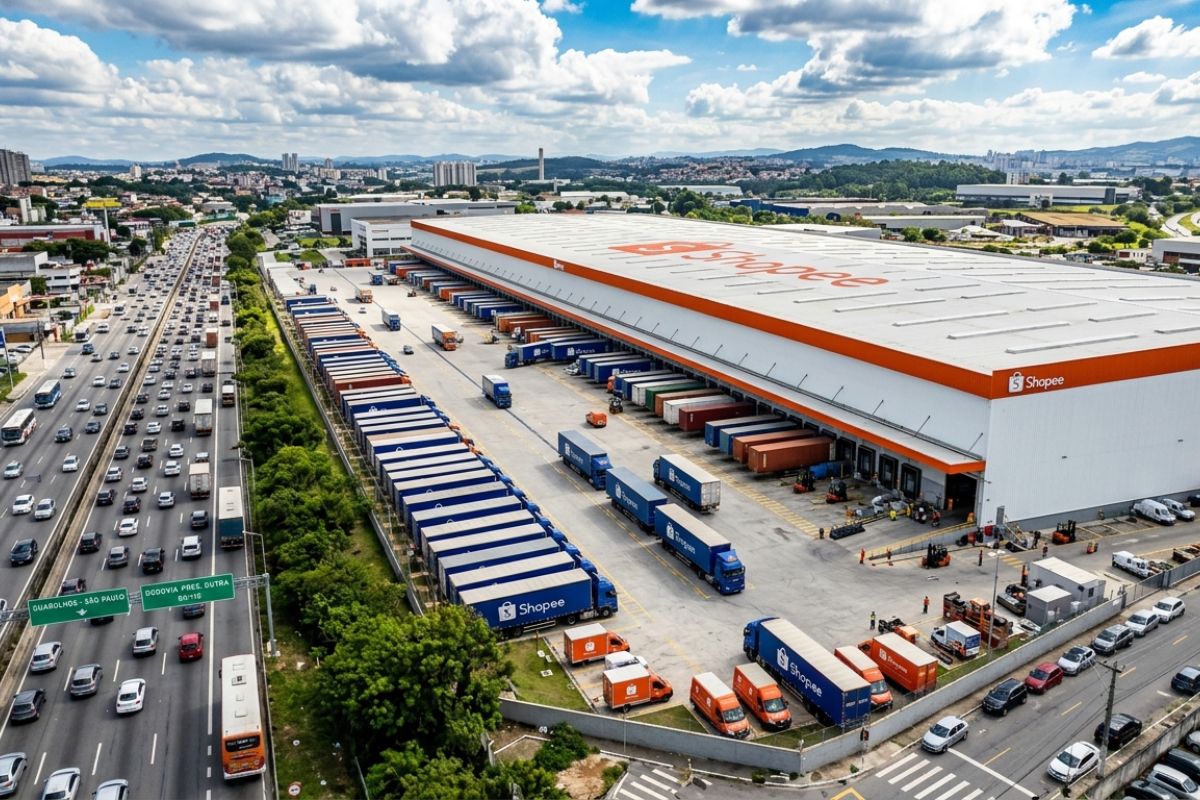
Shopee opens the largest logistics warehouse in Brazil in Guarulhos: 220,000 m² on Dutra, contract signed before construction, pays R$ 45/m² and accelerates deliveries at scale, putting pressure on Mercado Livre and Amazon.
-
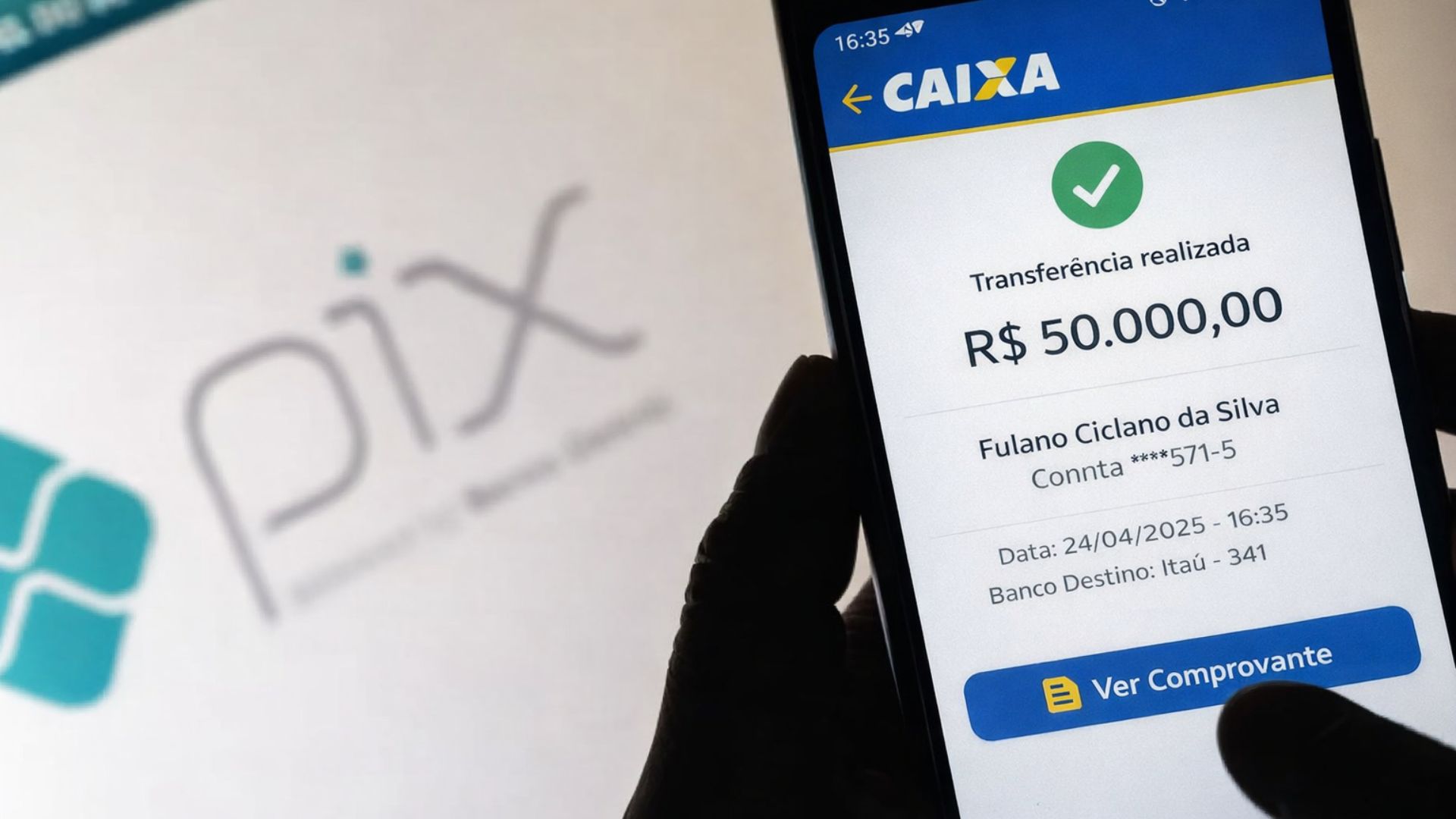
After mistakenly transferring R$ 50,000 via Pix, a man will receive the amount back along with R$ 10,000 for moral damages from the recipient.

This surge occurred due to the end of the Itaipu Bonus, which had reduced bills in August, and the maintenance of the red flag level 2, which adds R$ 7.87 for every 100 kWh consumed.
Inflation Rising: Electricity Leads the Impact
The Housing group recorded a rise of 2.97%, the largest increase among the nine groups analyzed by the IBGE and the strongest for a month of September since 1995. The impact was 0.45 percentage points on the overall price index.
Electricity, alone, accumulates a rise of 16.42% for the year and 10.64% over 12 months, highlighting its growing weight on inflation in Brazil. According to the IBGE, if electricity prices were excluded from the calculation, inflation for September would have been only 0.08%.
On the other hand, other sectors helped contain the pressure. Personal expenses rose 0.51%, influenced by tourist packages (2.87%) and leisure activities, such as cinema and theater (2.75%).
The Transport group showed a slight variation of 0.01%, with increases in fuels — ethanol (2.25%) and gasoline (0.75%) — following previous declines.
Food Prices Decrease and Help Alleviate Part of Inflation
While electricity pressures the IPCA, food and beverages showed a decrease of 0.26%, marking the fourth consecutive deflation in the sector. The main contributors were tomato (-11.52%), onion (-10.16%), garlic (-8.70%), and rice (-2.14%).
Dining out also slowed, dropping from 0.50% in August to 0.11% in September.
Moreover, the Communication (-0.17%) and Household Articles (-0.40%) groups experienced deflation, helping to offset part of the inflationary pressure. Clothing (0.63%) and Health and personal care (0.17%) had moderate increases.
IPCA and Inflation Show Regional Disparity
Inflation also displayed distinct behaviors across the country. São Luís led with an increase of 1.02%, driven by a strong rise of 27.30% in electricity.
In contrast, Salvador recorded the lowest index (0.17%), benefiting from the drop in tomato prices and vehicle insurance.
The INPC, which measures inflation for low-income families, advanced 0.52% in the month and accumulates 5.10% over 12 months. The increase was mainly driven by non-food products, which rose 0.80% in September.
Electricity Remains a Challenge for the Economy
The result reinforces that electricity remains one of the main drivers of inflation in Brazil, with a direct impact on families and businesses.
The ongoing increase in tariffs raises the cost of living and pressures consumption, broadly affecting the economy.
For specialists, this behavior of the IPCA indicates that controlling inflation still depends on structural factors, especially in the energy sector.
The maintenance of the red flag and the lack of sufficient rainfall to alleviate the electrical system keeps the outlook for high prices.
Inflation Under Control… But With an Alert On
Although the increase in the IPCA came in below expectations, the scenario still requires attention. The inflation accumulated over 12 months reached 5.17%, just below the projection of 5.22%.
With the weight of electricity on the index, the government and the Central Bank must watch the coming months carefully.
Therefore, if the energy pressure continues, the Brazilian economy may face new difficulties in stabilizing prices.









Uma coisa que me intriga muito no jornalismo brasileiro são as chamadas . Do jeito que fizeram a chamada parecia algo ruim quando na verdade a inflação está caindo e quase atingindo a meta.
Desnecessário.