





 Portuguese
  English
  Spanish
  2 min of reading
  0 comments


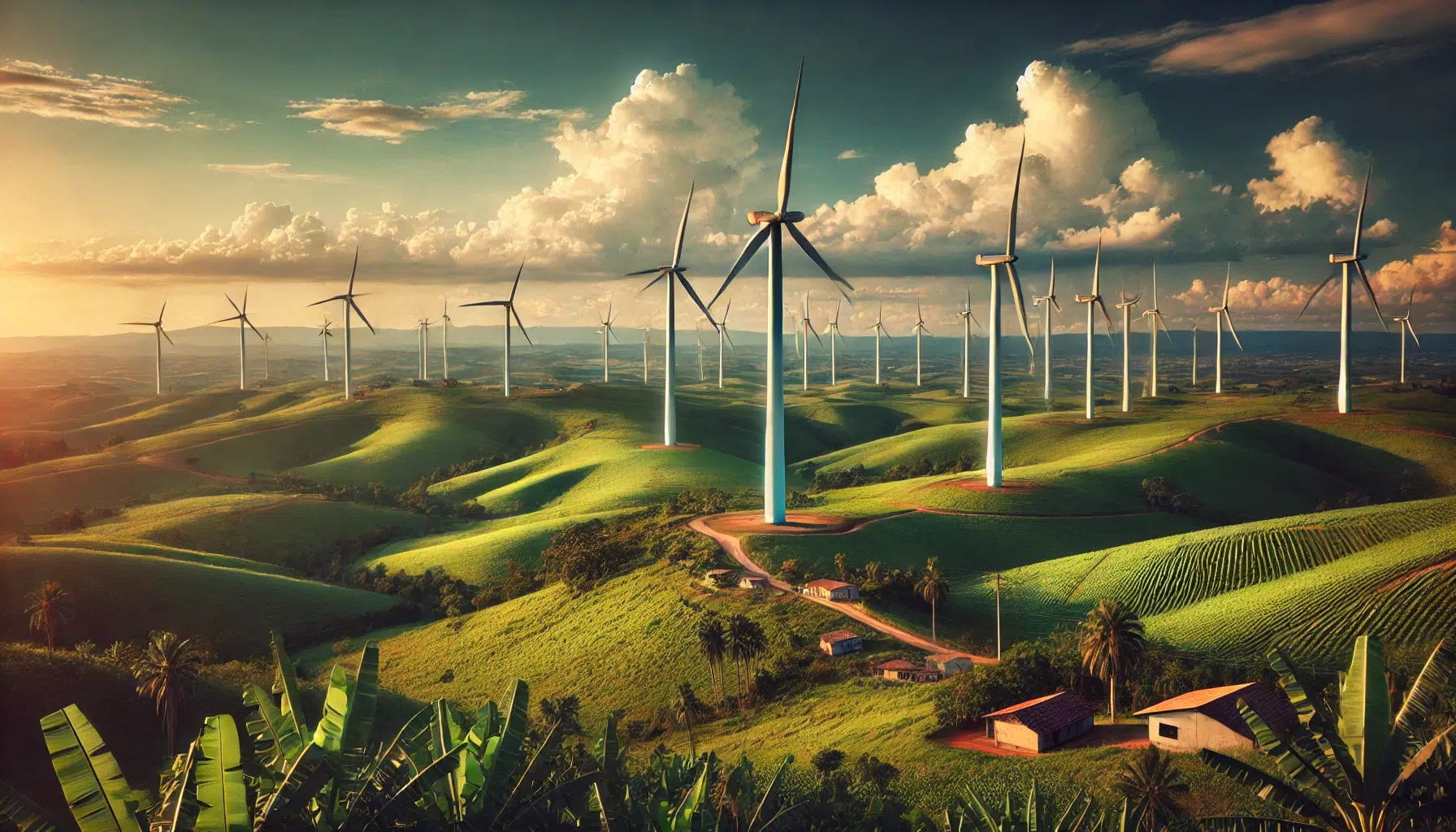
Currently, Wind Energy Faces a Historic Decline in 2024. However, Experts Predict a Strong Recovery Beginning in 2027.
Therefore, in this article, you will understand the reasons for the slowdown, as well as the impact of the energy oversupply and, moreover, the growth of solar energy in the country.
Additionally, we explore the prospects for offshore energy and, consequently, the factors that will drive the sector in the coming years.
Decline of Wind Energy and Its Impacts on the Sector
Wind Energy in Brazil: Decline in 2024 and Expectations for Recovery in 2027
Undoubtedly, the installation of wind farms in Brazil dropped significantly in 2024. Thus, the total was 3.3 GW of installed capacity, which represents a reduction of 31.25% compared to the previous year.
-
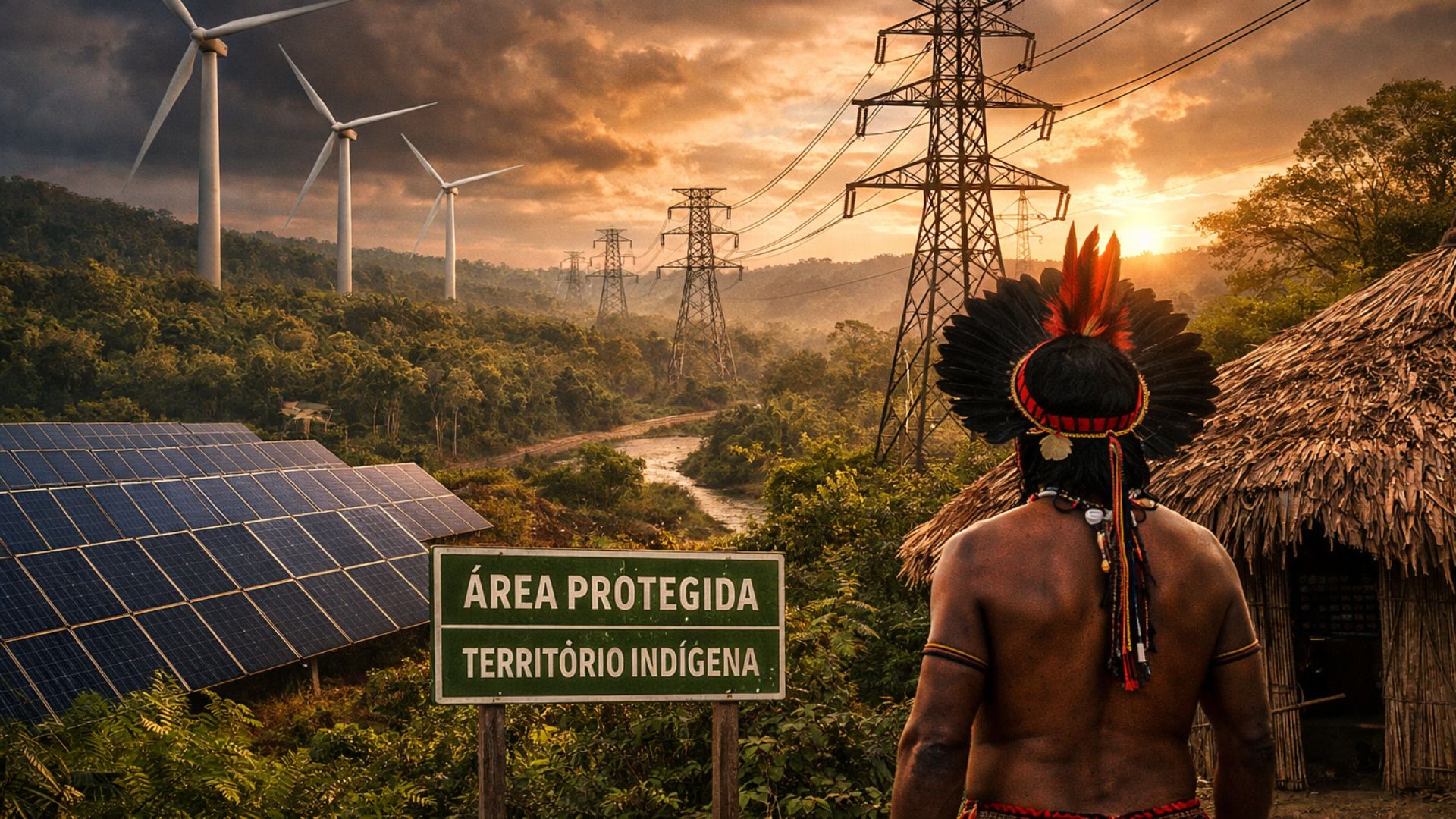
Renewable energy advances over protected areas in Brazil, and a survey by the Energy Transition Observatory reveals silent impacts that challenge environmental conservation and pressure sensitive traditional territories.
-
Rio Grande do Sul accelerates energy transition: State invests in renewable technologies and consolidates decarbonization strategies and pathways to attract billions in new industrial investments.

-
With 160,000 m² of collectors, an area larger than 20 football fields, Silkeborg, in Denmark, hosts a solar thermal plant that heats 19,500 homes and could become the largest solar heating plant in the world.

-
A study reveals the expansion of renewable energy procurement in Brazil and shows how companies are taking advantage of opportunities to reduce expenses, ensure energy efficiency, and strengthen strategic environmental commitments.


In this way, this setback occurs amid an energy demand crisis, resulting from the oversupply of energy in the country and, at the same time, from the slowdown in new investments in the sector.
The Brazilian Wind Energy Association (ABEEólica) forecasts that the unfavorable scenario will persist until 2026.
However, experts estimate a resumption of growth starting in 2027, driven by the increase in energy load, economic growth, and, above all, new demand factors, such as the expansion of data centers and green hydrogen.
Reasons for the Decline of Wind Energy in Brazil
The main factors that led to the reduction in the installation of wind farms include:
- Oversupply of energy, which consequently reduces the need for new ventures.
- High costs, thus hindering the viability of new projects.
- Reduction in government incentives, which impacts the expansion of renewable energy.
- Crises in the wind turbine industry, directly influenced by the increase in international costs.
The Advancement of Solar Energy and the Expansion of the Renewable Matrix
On the other hand, while wind energy slows down, solar energy grows rapidly.
In 2024, the electric matrix received 14.3 GW of solar capacity. As a result, there was a growth of 37.8% compared to the previous year.
Distributed generation, which includes small systems installed on rooftops and facades, accounted for 8.7 GW of this total, while 5.7 GW came from centralized solar plants.
This growth, in turn, causes changes in the power grid and in the management of the National Electric System Operator (ONS).
The Role of Offshore Energy in the Sustainable Future
Starting in 2027, the wind energy market is expected to heat up again. This is because new projects and increased energy consumption will drive demand.
Additionally, the approval of the regulatory framework for offshore wind energy represents a positive factor for the sector.
Thus, the forecast is that auctions for the use of marine areas will occur starting in 2025.







Seja o primeiro a reagir!