





 Portuguese
  English
  Spanish
  4 min of reading
  0 comments


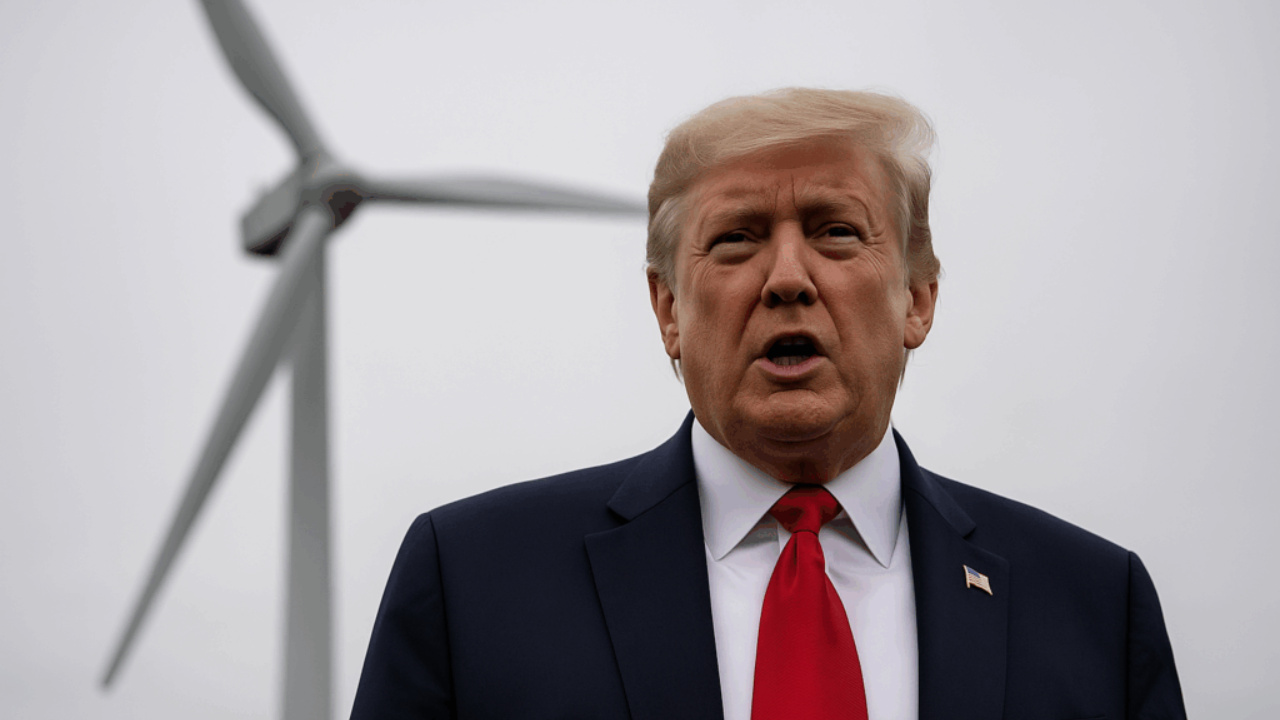
Judicial Decision in The United States Considers Illegal Donald Trump’s Order That Suspended Wind Energy Projects, Reigniting Discussions About Climate, Economy, and Legal Security.
The wind energy sector has once again taken center stage in the public debate in the United States following a judicial decision that represents a setback for President Donald Trump.
An order signed at the beginning of his second term, which suspended new wind projects in the country, was deemed illegal by a federal judge. The case involves disputes over energy policy, climate change, state autonomy, and legal security for billion-dollar investments.
Presidential Order Suspended Projects On Land and At Sea
The directive signed by Trump on January 20, just hours after his return to the White House, mandated the halt of authorizations for wind energy projects across the United States.
-
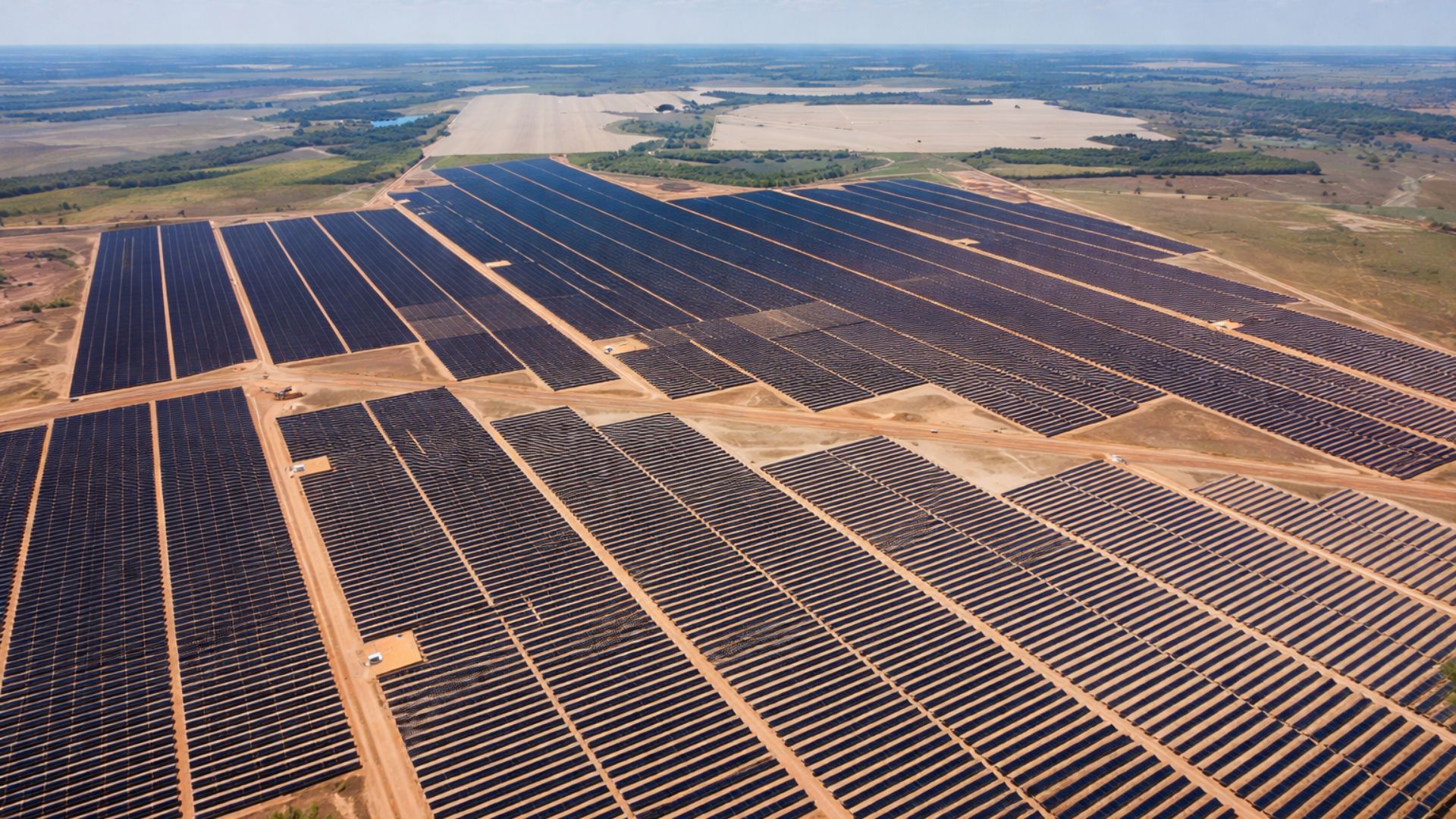
Solar energy gains strength with the Barro Alto solar complex, which increases renewable energy production in Brazil, creates jobs, strengthens the clean matrix, and transforms the electric sector with innovation and sustainability.
-
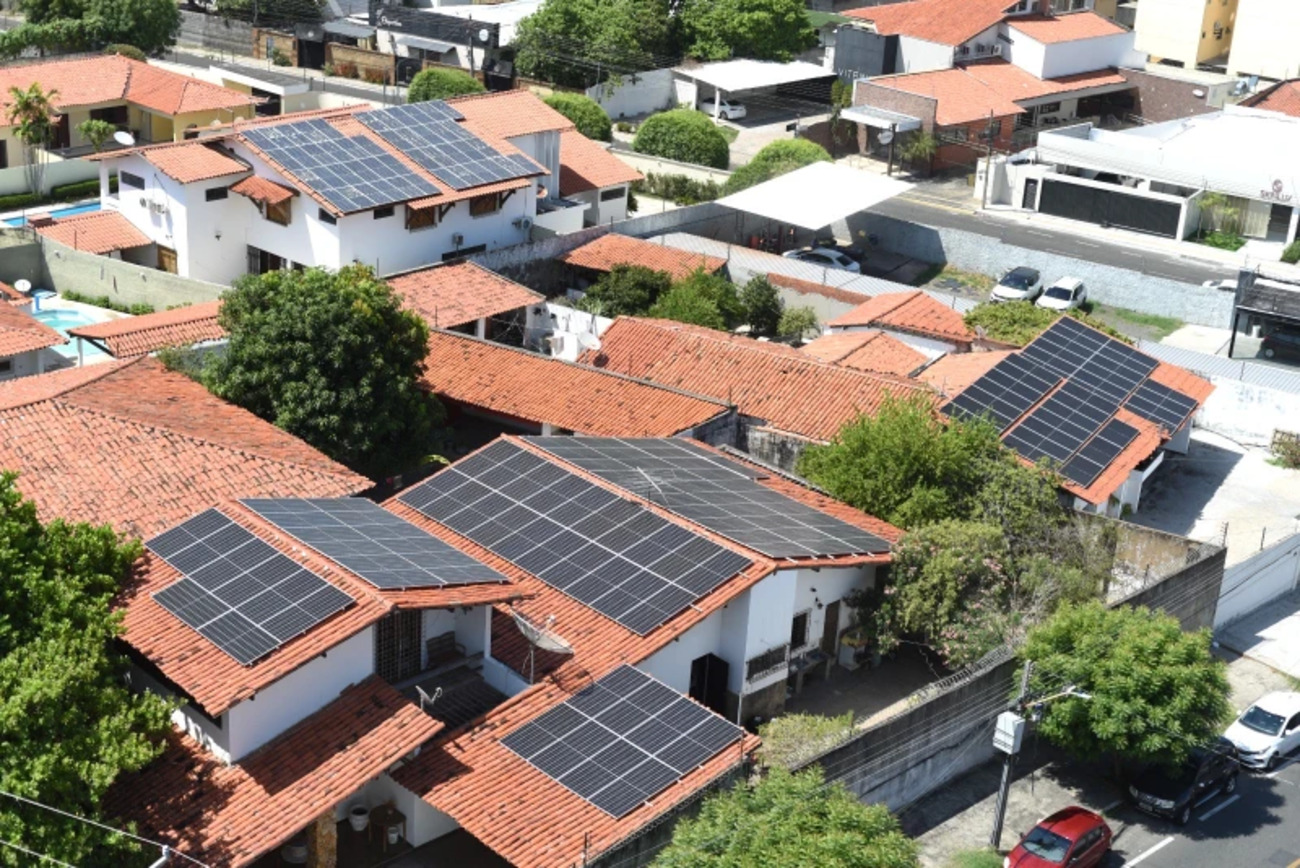
Seagri’s headquarters invests in solar energy with Neoenergia Coelba and promises to cut electricity costs, highlighting a strategic advance in sustainability and energy efficiency within state public administration.

-
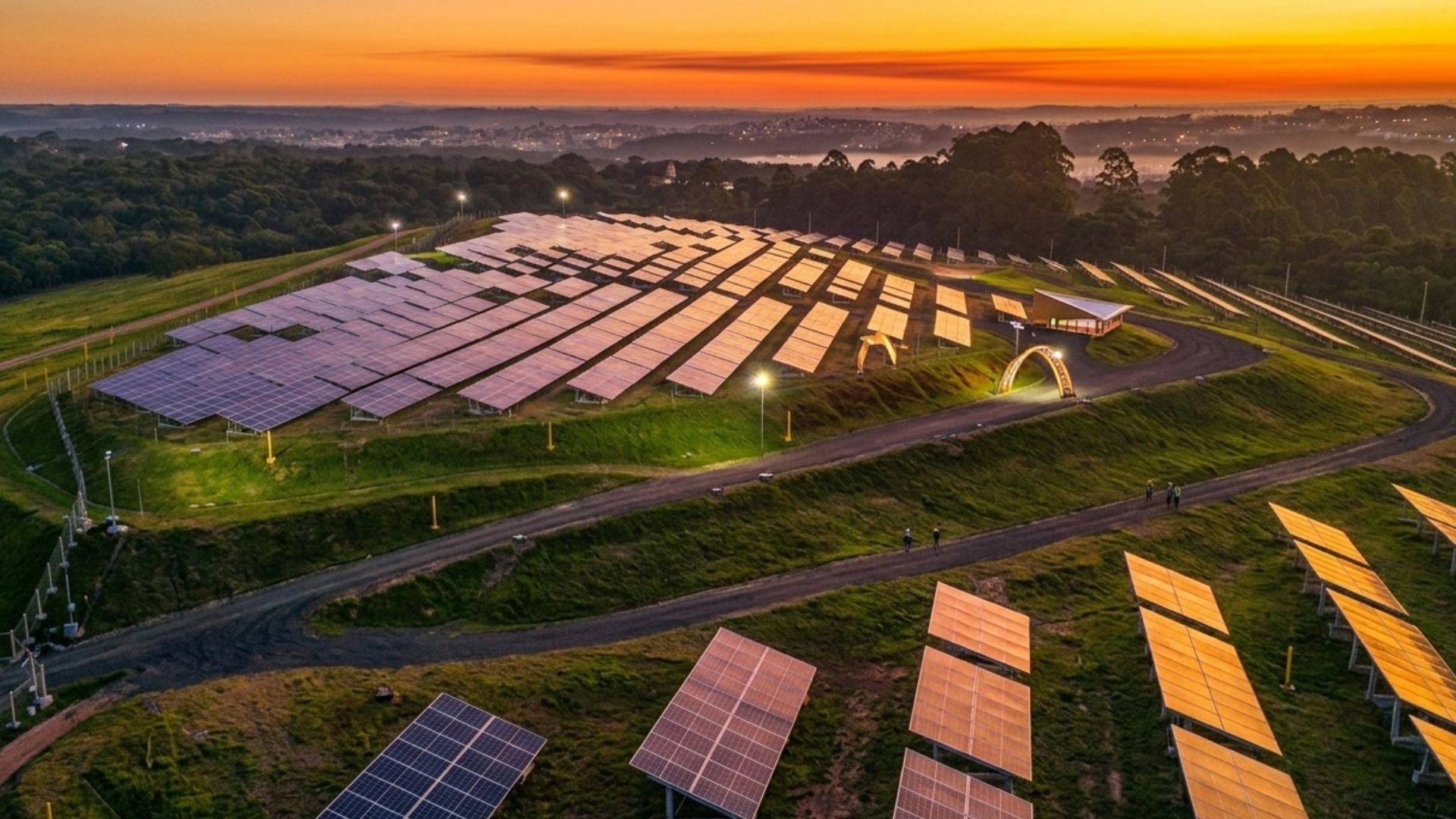
Solar Pyramid draws attention by converting solar energy into million-dollar savings and repositioning the City Hall of Curitiba as an example of innovation, sustainability, and intelligent use of public resources.
-
Europe records strong euro economy with solar energy in March and sparks curiosity about which country leads growth that redefines the energy market and reduces costs.

The measure impacted both onshore ventures and offshore parks, which relied on federal permits to proceed.
While awaiting a review conducted by the federal government, dozens of projects were frozen. Among them were large complexes planned for the East Coast of the United States.
Developers in the sector have since warned of the risk of losing thousands of jobs and the blockage of investments estimated in billions of dollars, as highlighted by Bloomberg.
Judge Points Out Legal Flaws and Lack of Technical Justification
The decision that overturned the order came from District Judge Patti Saris, of the U.S. District Court for the District of Massachusetts. Appointed by former President Bill Clinton, she concluded that the suspension imposed on wind energy was “arbitrary, capricious, and contrary to law.”
According to the judge, the Interior Department failed to provide a “reasoned explanation” for halting approvals, as required by the Administrative Procedure Act.
As detailed by The New York Times, the judge was direct in stating that “the agency defendants openly admit that the only factor considered in deciding to halt the issuance of permits was the President’s order to do so.”
States Unite Against Ban and Advocate Energy Transition
The lawsuit was filed by a coalition of 17 U.S. states, along with the District of Columbia. The group was led by New York Attorney General Letitia James, according to the Associated Press.
The legal offensive reflected the states’ concerns about the economic and environmental impacts of the suspension of wind energy projects.
After the decision, Letitia James publicly celebrated the outcome. In a social media post, she referred to the judicial ruling as “a major victory in our fight to continue combating the climate crisis,” as reported by Reuters.
The statement reinforces the climate dimension of the conflict, going beyond legal compliance.
Trump Administration Criticizes Previous Incentive For Offshore Wind
On the other hand, the White House’s reaction indicated that the topic remains politically sensitive. When asked about the decision, spokesperson Taylor Rogers stated via email that the Joe Biden administration had given offshore wind energy projects “unfair preferential treatment, while the rest of the energy sector was harmed by burdensome regulations.”
According to her, had the order remained in effect, federal agencies would have had more time to assess whether offshore wind farms were raising energy costs for American consumers.
This argument had been used by supporters of the measure as a way to justify the broad review of renewable policies.
The decision by Judge Patti Saris received widespread coverage in international and specialized media. Outlets such as Axios, POLITICO, Investing.com, Energy Watch, ABC, CNBC, and Financial Times also reported on the judicial block to Trump’s order.
The coverage particularly emphasized the effects on the wind energy market, which had been attracting large volumes of capital and establishing itself as one of the pillars of the energy transition in the United States.
Legal Security Is A Key Factor For The Wind Sector
The episode reinforces the importance of regulatory predictability for the advancement of wind energy. Investors and developers depend on clear rules to enable long-term projects, especially those involving complex and costly offshore infrastructure.
Moreover, the judicial decision reignites the debate about the role of the judiciary in containing measures considered ideological or disconnected from technical criteria.
At the same time, it highlights how energy policies are increasingly intertwined with climate, economic, and electoral disputes, both at the federal and state levels.







Seja o primeiro a reagir!