





 Portuguese
  English
  Spanish
  5 min of reading
  0 comments


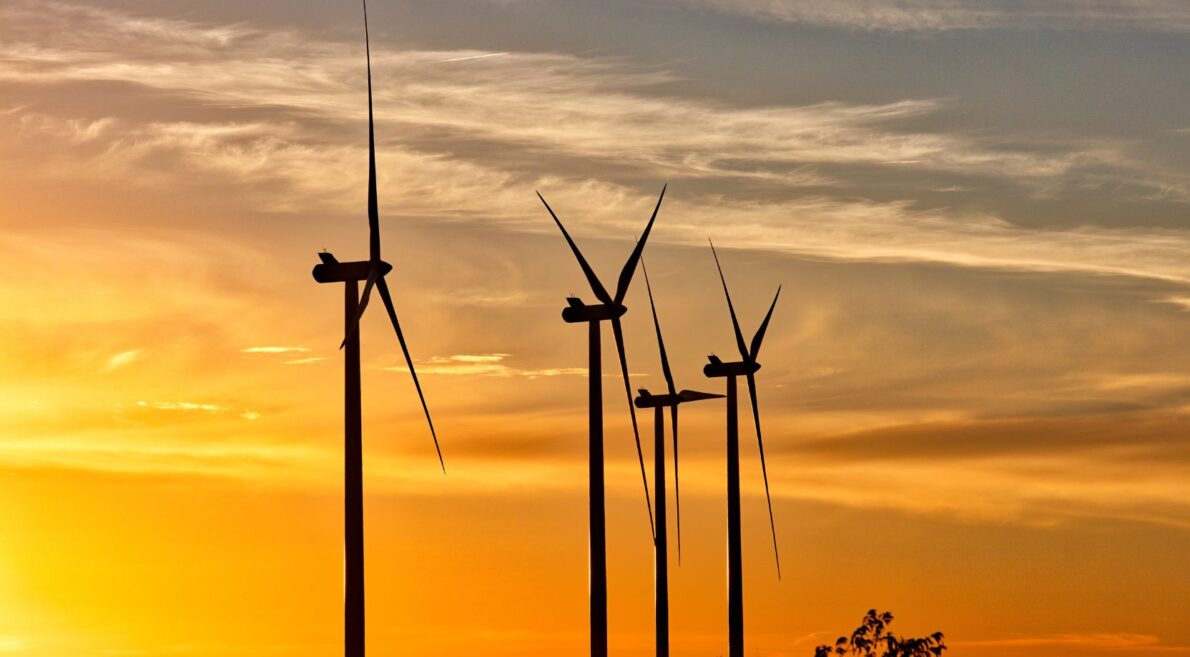
Explore The Benefits And Advantages Of Clean Energy For A Sustainable Future, With Positive Impacts On The Environment, The Economy, And Society.
Clean energy is essential for a sustainable future and for reducing the environmental impacts caused by traditional energy sources. Among the various options available, solar energy stands out for its efficiency and accessibility.
Companies like BYD have significantly invested in innovative technologies that facilitate the adoption of renewable energy, contributing to a healthier and more economical planet.
In addition to preserving natural resources, these technologies help reduce pollution and promote environmental awareness.
-
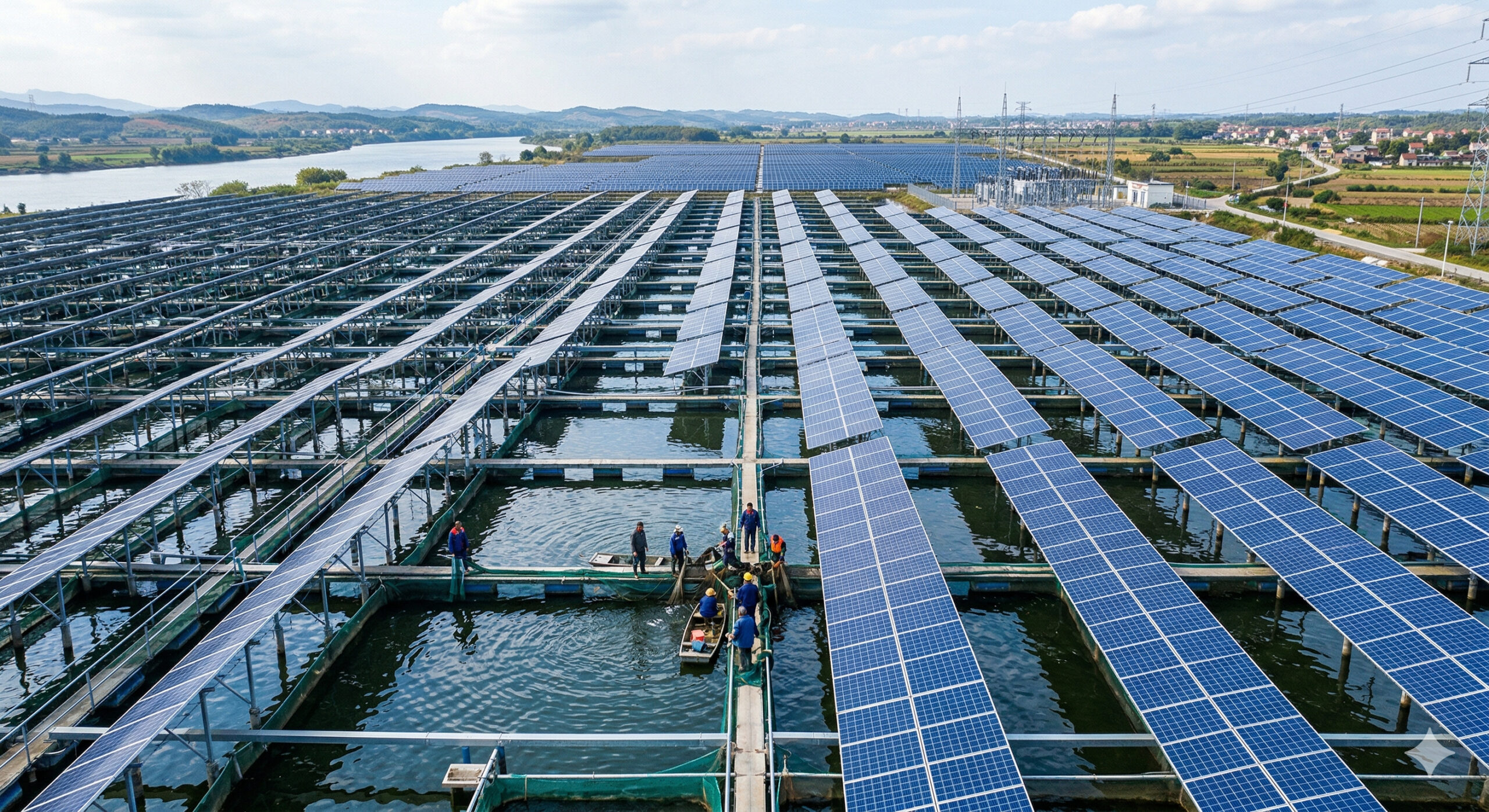
China bets on the Fishery-PV model and transforms fish farms into giant solar plants, covering ponds with panels that generate energy while utilizing the same space for large-scale aquaculture production.
-
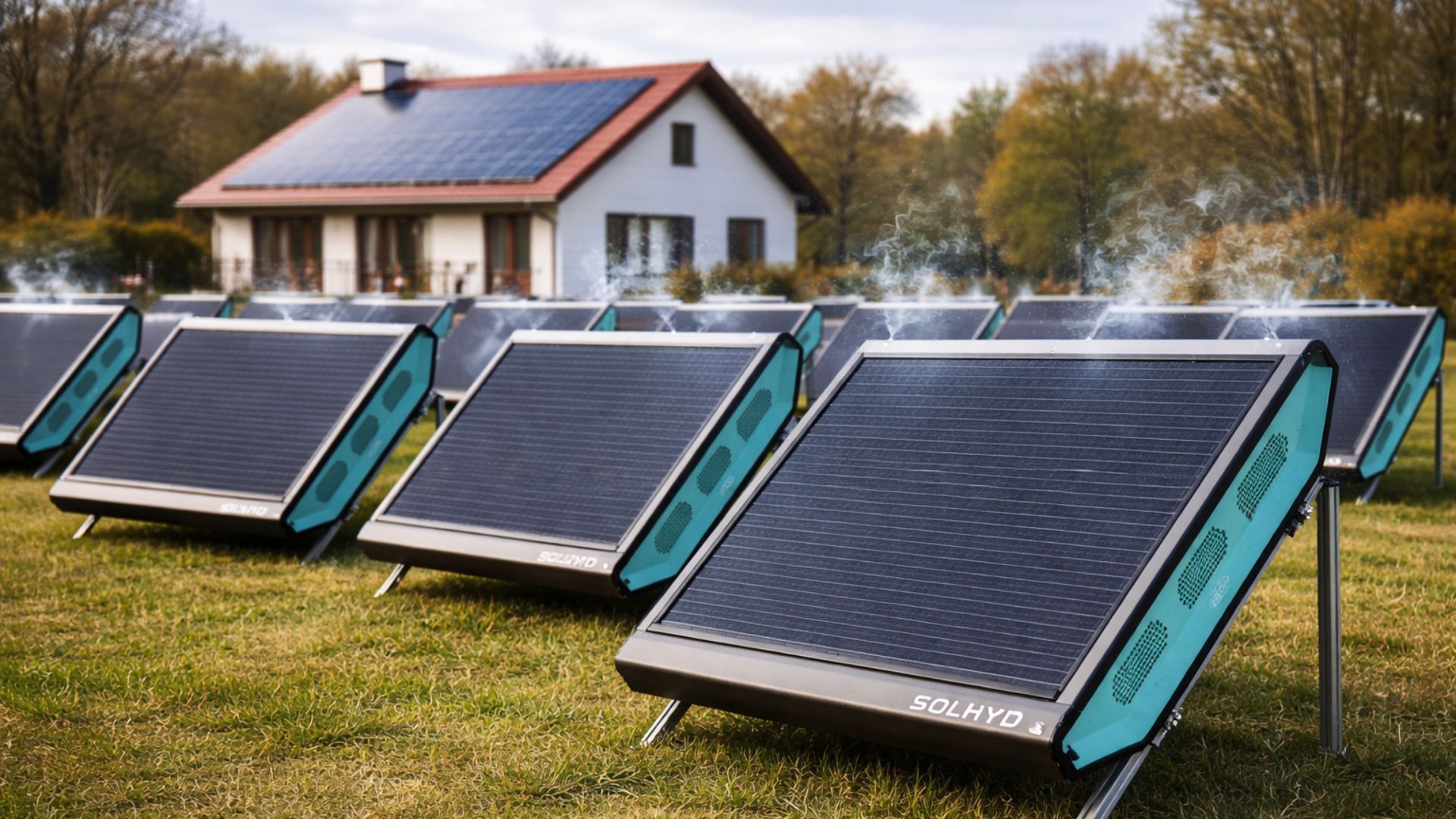
Green hydrogen at home: Belgium launches new technology that makes solar panels produce fuel from the moisture in the air, which could boost the energy transition.
-
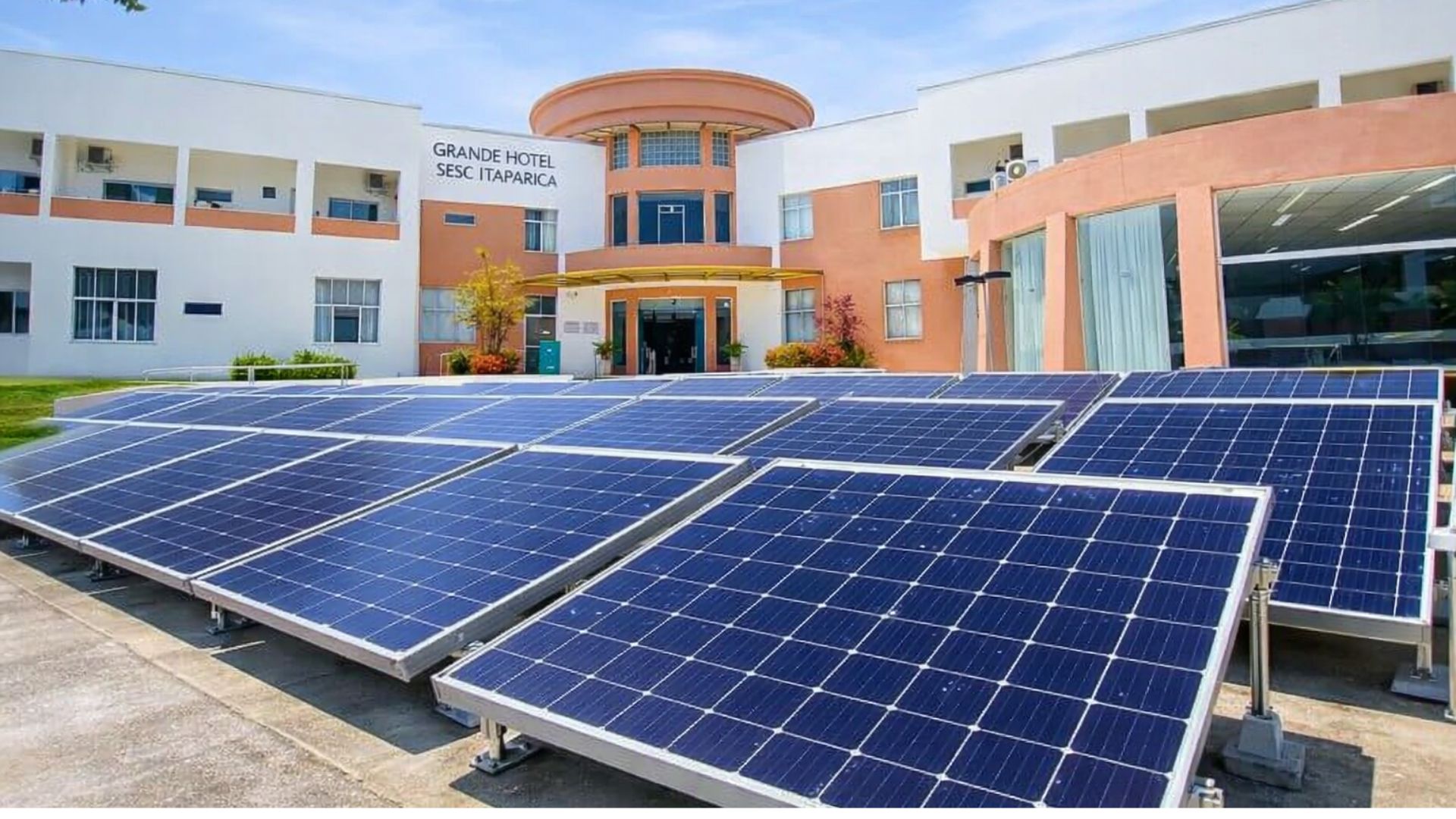
Sesc-BA bets on renewable energy with the support of EDP and drives the energy transition with a direct impact on cost reduction and the sustainability of its operations in Bahia.
-
Technology giant breaks global sustainability records: How Amazon’s leadership in renewable energy procurement transformed the global energy market in the past year.

By adopting renewable sources, we not only protect the environment but also stimulate economic and social development, creating a virtuous cycle of benefits for everyone.
Types Of Clean Energy
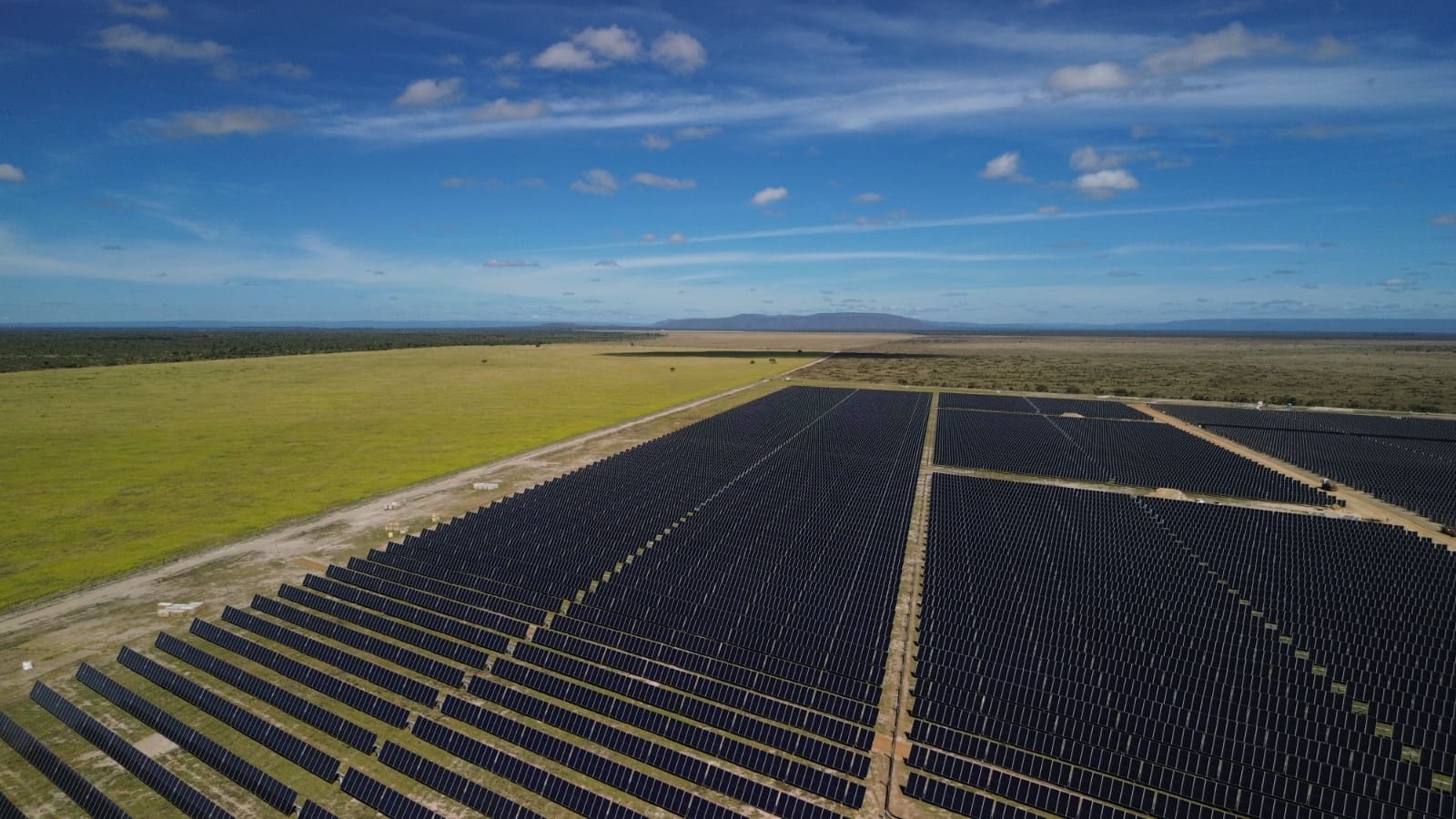
Solar energy uses sunlight to generate electricity through photovoltaic panels. These panels capture solar radiation and convert it into electrical energy, providing a clean and abundant energy source.
Wind energy, in turn, takes advantage of the force of the winds to move turbines that generate electricity. Wind turbines, installed in areas with constant winds, represent an efficient and sustainable solution.
Hydroelectric energy uses the force of moving water, typically from rivers and waterfalls, to generate electricity. Hydroelectric plants harness the kinetic energy of water to move turbines and produce electricity in a continuous and reliable manner.
Geothermal energy, on the other hand, harnesses heat from within the Earth. This heat can be used to warm water and generate steam that moves turbines to produce electricity.
Finally, biomass uses organic matter, such as agricultural and forestry waste, to generate energy. The burning or decomposition of these materials releases heat, which can be used to generate electricity or heat directly.
Each of these sources contributes to a more sustainable future and less dependence on fossil fuels.
Environmental Benefits
Clean energy offers numerous environmental benefits that make its adoption essential for a sustainable future. Firstly, it reduces greenhouse gas emissions, such as carbon dioxide and methane, which contribute to global warming.
By replacing fossil fuels, such as coal and oil, with renewable sources, the amount of pollutants released into the atmosphere is significantly reduced. Additionally, renewable energy preserves natural resources.
Sources like solar, wind, and hydroelectric utilize abundant and renewable resources, avoiding the excessive exploitation of fossil fuels, whose extraction can cause significant environmental damage.
This contributes to the conservation of ecosystems and biodiversity. Another important benefit involves reducing air and water pollution.
The burning of fossil fuels releases harmful substances, such as sulfur and nitrogen oxides, that pollute the air and can cause health problems. Renewable sources, on the other hand, do not produce these pollutants.
Additionally, they prevent the contamination of water bodies, as they do not generate toxic waste or require polluting industrial processes.
Therefore, by adopting renewable energy, we promote a healthier and more balanced environment, ensuring quality of life for future generations.
Economic Advantages
Clean energy brings several economic advantages that encourage its large-scale adoption. Firstly, it reduces energy costs in the long run.
Although the initial installation of systems like solar panels or wind turbines may be high, operational and maintenance costs are significantly lower compared to traditional energy sources.
This results in financial savings for consumers and businesses over time.
Furthermore, renewable energy generates jobs in the renewable energy sector. The construction, installation, and maintenance of infrastructures like solar plants, wind farms, and biomass facilities require a specialized workforce.
This creates job opportunities at various levels, from technicians to engineers and scientists, boosting the local economy.
Governments around the world also offer incentives and subsidies to promote the adoption of renewable sources. These incentives can include tax exemptions, low-interest financing, and research and development support programs.
Such measures make the transition to renewable energy more accessible and appealing to businesses and individuals.
Therefore, by investing in renewable energy, we not only contribute to environmental sustainability but also boost economic growth and create a more robust and diverse job market.
Clean Energy: Social Impact
Clean energy has a significant social impact, improving the quality of life in communities.
By reducing air and water pollution, it promotes a healthier environment, decreasing the incidence of respiratory diseases and other pollution-related conditions. This results in a healthier and more productive population.


Additionally, renewable energy facilitates access to electricity in remote areas. Many locations, especially in developing countries, still lack adequate electrical infrastructure.
Renewable sources, such as decentralized solar systems, offer a viable and economical solution for providing power to these areas, improving living conditions and enabling local economic development.
The promotion of renewable energy also elevates environmental awareness.
Renewable energy projects often include educational programs that inform communities about the importance of sustainability and responsible use of natural resources.
This education fosters a culture of respect for the environment, preparing future generations to face ecological challenges.
Therefore, by adopting sustainable energy, we not only protect the environment but also promote social well-being, ensuring that more people have access to essential resources and live in a healthier and more sustainable environment.
Challenges And Future Perspectives
Implementing clean energy faces various challenges, but future prospects show a promising path. Technological barriers still exist, such as the need to improve the efficiency of solar panels and wind turbines.
Investing in research and development can overcome these limitations and make technologies more accessible and effective.
Moreover, economic issues represent another obstacle. The initial cost of installing renewable energy systems can be high, discouraging some investors.
However, public policies and regulations can help mitigate these costs. Governments that offer tax incentives and subsidies make the transition to sustainable energy more feasible and attractive for businesses and consumers.
The renewable energy sector also sees continuous innovations. Emerging technologies, such as energy storage batteries and smart grids, promise to increase the efficiency and reliability of renewable sources.
These innovations facilitate the integration of these sources into the existing energy system, ensuring a stable and continuous supply.
Therefore, despite the challenges, sustainable energy presents optimistic future prospects. With technological advances, government support, and continuous innovation, we can overcome current barriers and build a more sustainable and efficient energy future.
Transition To Clean Energy Offers Environmental, Economic, And Social Benefits
The transition to clean energy offers significant environmental, economic, and social benefits. Reducing greenhouse gas emissions, preserving natural resources, and decreasing pollution are just some of the positive impacts on the environment.
Economically, renewable sources reduce costs in the long term, generate jobs, and receive government support. Socially, they improve quality of life, provide electricity access in remote areas, and promote environmental awareness.
Despite technological and economic challenges, the future outlook for clean energy is promising. Continuous innovations and favorable public policies can overcome current barriers, making renewable technologies more efficient and accessible.
By investing in sustainable energy, we ensure a more sustainable, healthier, and prosperous future for the next generations. Change is necessary and possible, and the benefits are clear and comprehensive.









Seja o primeiro a reagir!