





 Portuguese
  English
  Spanish
  3 min of reading
  0 comments


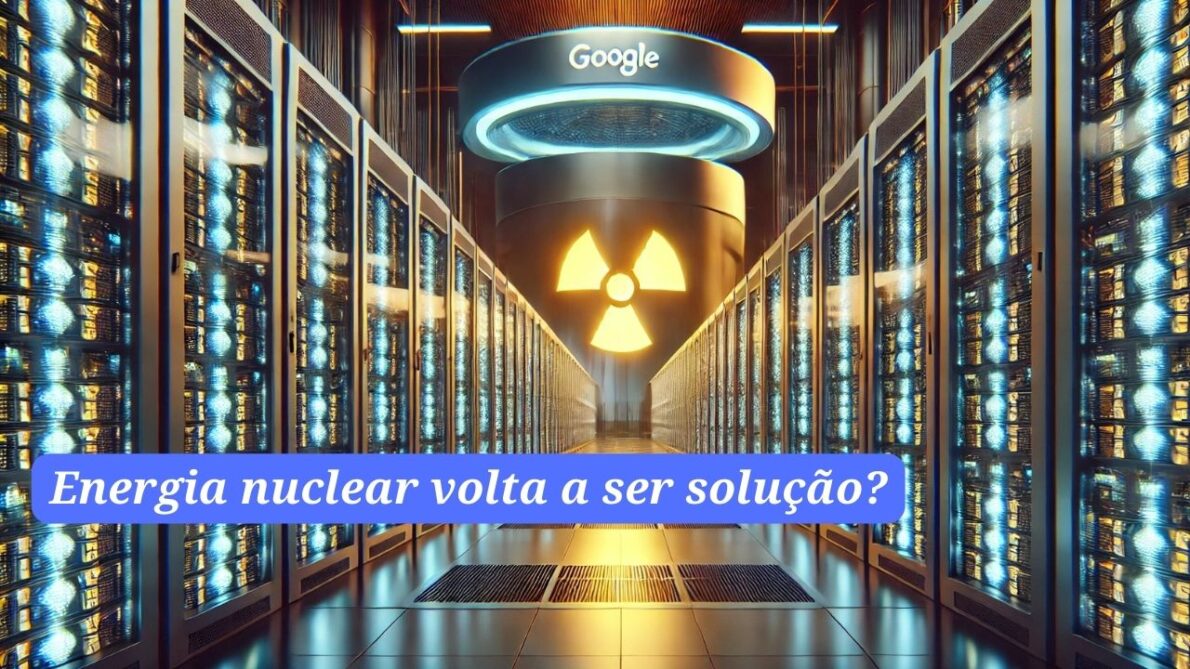
With the Rise of Artificial Intelligence, the Technology Sector Bets on Nuclear Energy as a Clean and Efficient Alternative to Meet the Growing Energy Demand in Data Centers. Will This Be the Trend of the Future?
Nuclear energy, which seemed like a thing of the past, is making a strong comeback, and this time, the technology sector may be the main driver of this return. Amid the explosive increase in energy consumption by artificial intelligence (AI) data centers, tech giants like Google and Microsoft are eyeing this energy source to sustain their operations.
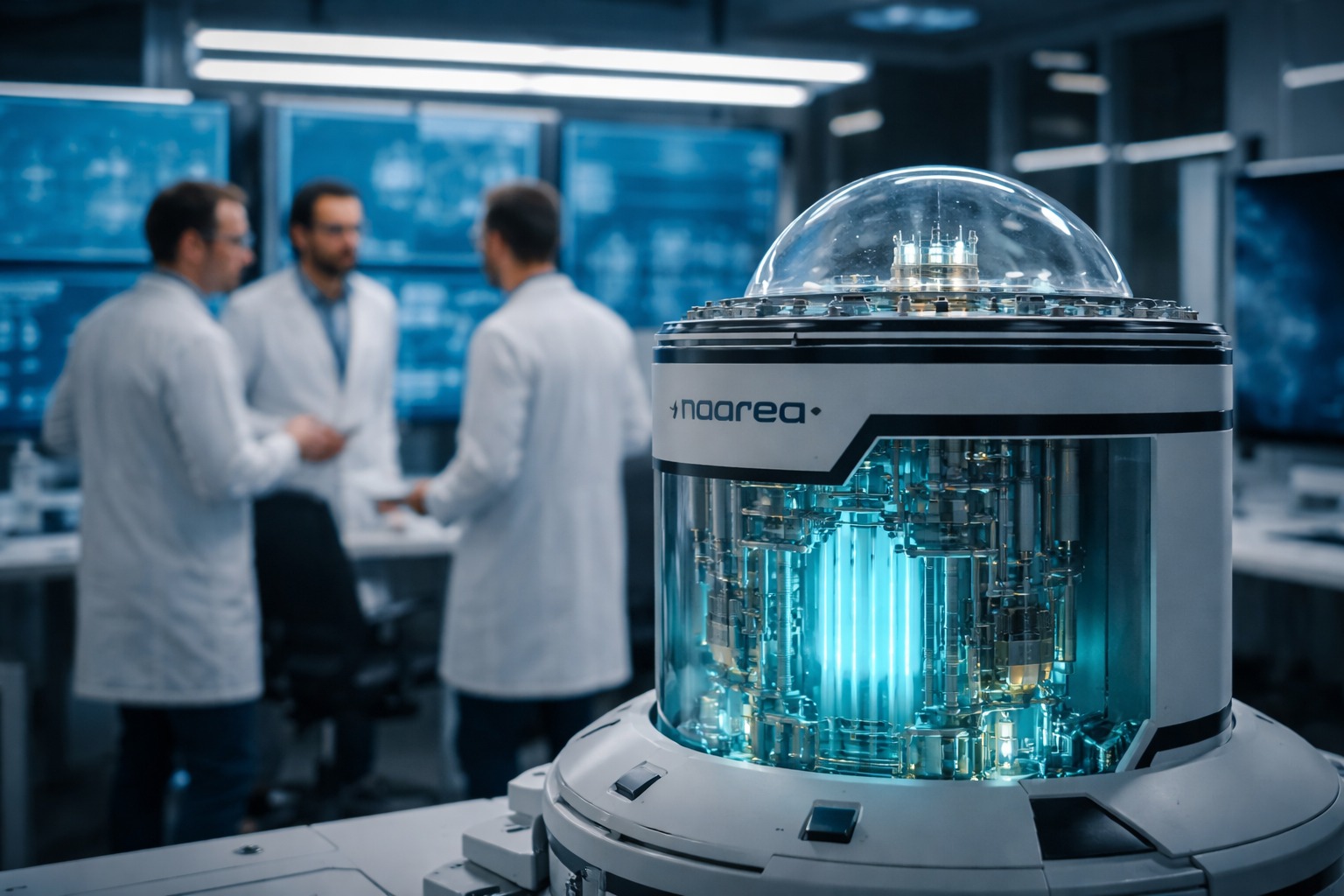
Google, for example, announced an innovative partnership with Kairos Power to develop small nuclear reactors. These reactors, known as SMRs (Small Modular Reactors), promise to provide clean, safe, and reliable energy for the AI-processing data centers, whose energy demands can be nearly three times greater than conventional centers. According to the company, the first reactor is expected to be deployed within this decade, with new projects by 2035.
Does the Technology Sector Embrace Nuclear Energy as a Viable Solution?
This movement from Google is not isolated. Microsoft is also seeking similar solutions, entering into an agreement to reactivate the Three Mile Island nuclear plant, a facility that was the site of a historic nuclear accident in 1979. Amazon, in turn, announced the acquisition of a data center in Pennsylvania powered by nuclear energy. The technology sector is clearly eyeing the potential of nuclear energy to keep its massive AI operations running.
-
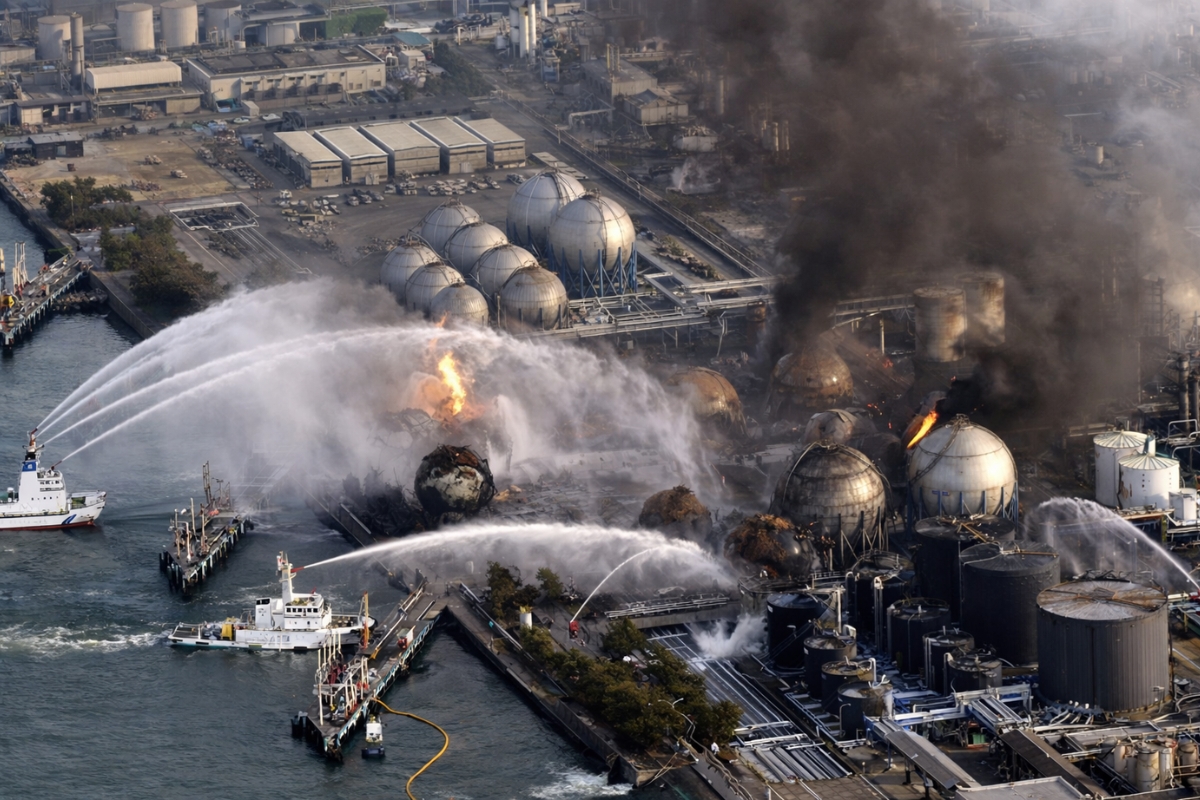
Fukushima Marks A Turning Point In Japan’s Energy Policy: After The Disaster, The Country Shut Down Its 54 Nuclear Reactors And, 15 Years Later, Only A Small Portion Have Returned To Operation
-
How Japan Overcame The Nuclear Bomb And Now Houses Millions In Hiroshima, While Ukraine Lost Chernobyl?

-
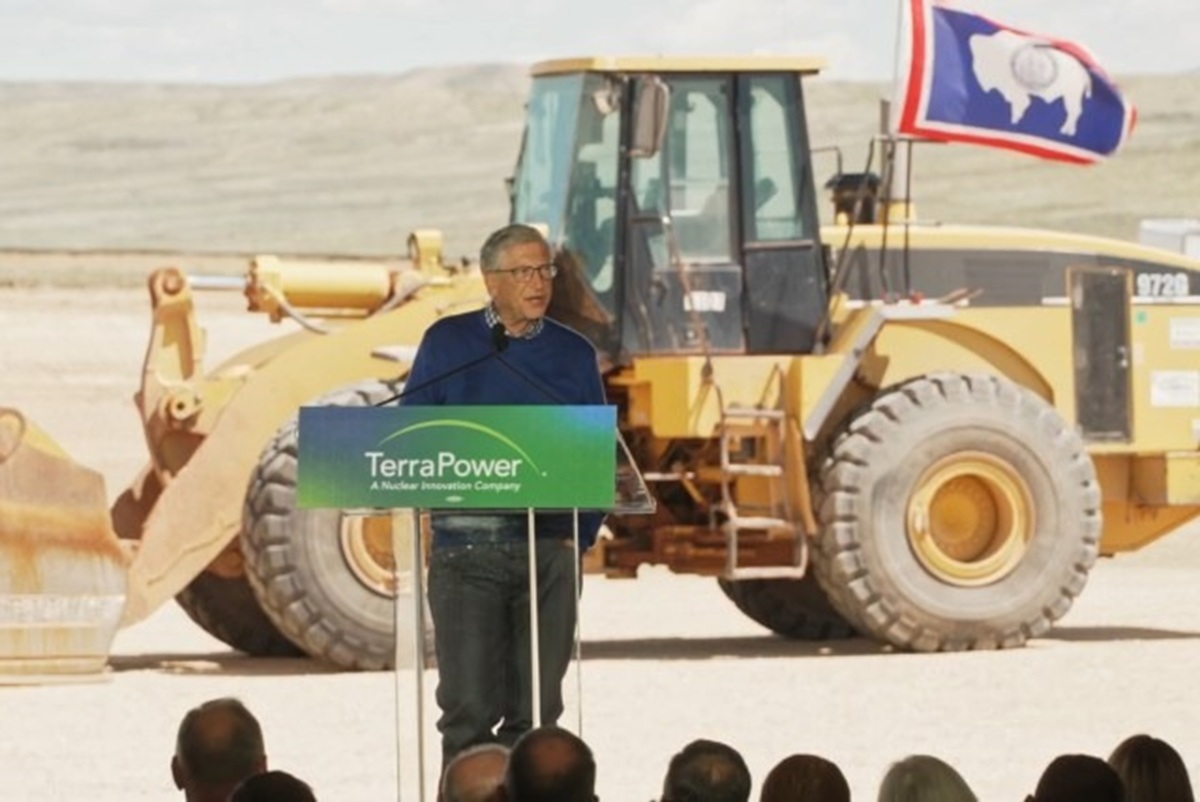
Bill Gates Receives Historic Approval to Build Giant 345 MW Nuclear Plant in the U.S. and Promises to Generate Up to 500 MW of Energy with Innovative Technology
-
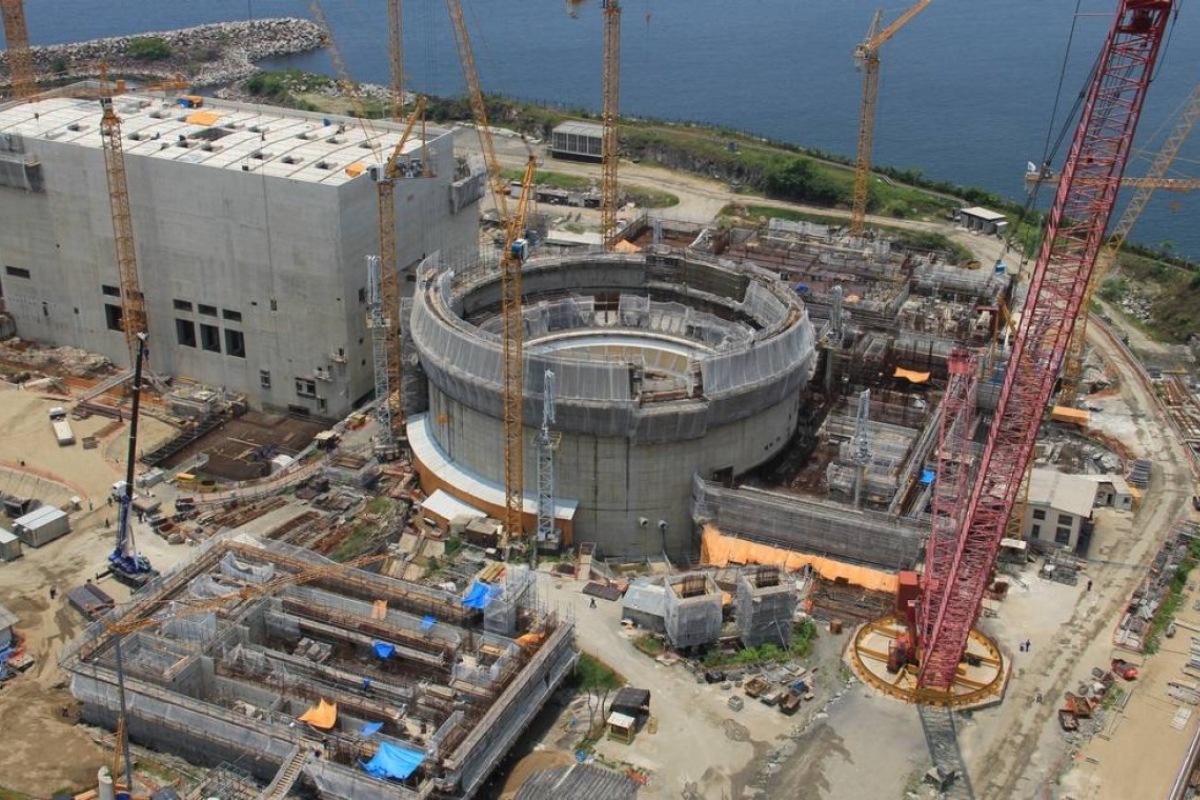
India Opens Nuclear Energy to Private Capital to Accelerate Projects and Attract Billions, While Brazil Remains Stalled at Angra 3 and Discusses Who Will Foot the Bill for Completion

Common data centers already consume approximately 32 megawatts, but those dedicated to AI processing can reach an incredible 80 megawatts! This makes nuclear energy one of the few options capable of reliably meeting this demand without compromising environmental sustainability.
Criticisms and Concerns About the Return of Nuclear Energy
However, not everything is rosy. Environmental groups like Greenpeace have raised concerns. For critics, nuclear energy still poses a significant risk, both due to the high implementation costs and the potential dangers of accidents and radioactive waste. They argue that renewable sources, such as solar and wind, are safer and more economical options in the long run.
Even though SMRs (Small Modular Reactors) are being developed with a focus on safety and efficiency, the technology sector will have to face public and environmental resistance to solidify this trend. Currently, some universities are already using these small reactors for educational purposes, but there are still no large-scale operational units for commercial purposes.
The Future of the Technology Sector
With the AI industry growing at a rapid pace, the search for sustainable energy solutions has never been more urgent. The technology sector is betting on nuclear energy to support this new era of large-scale processing, but the lingering question is: will this technology gain public trust and overcome the challenges it faces?
And you, do you believe that nuclear energy will be the future of data centers? Or do you think that renewable energies are still the best solution? Share your thoughts in the comments!








Seja o primeiro a reagir!