Portuguese
  Spanish


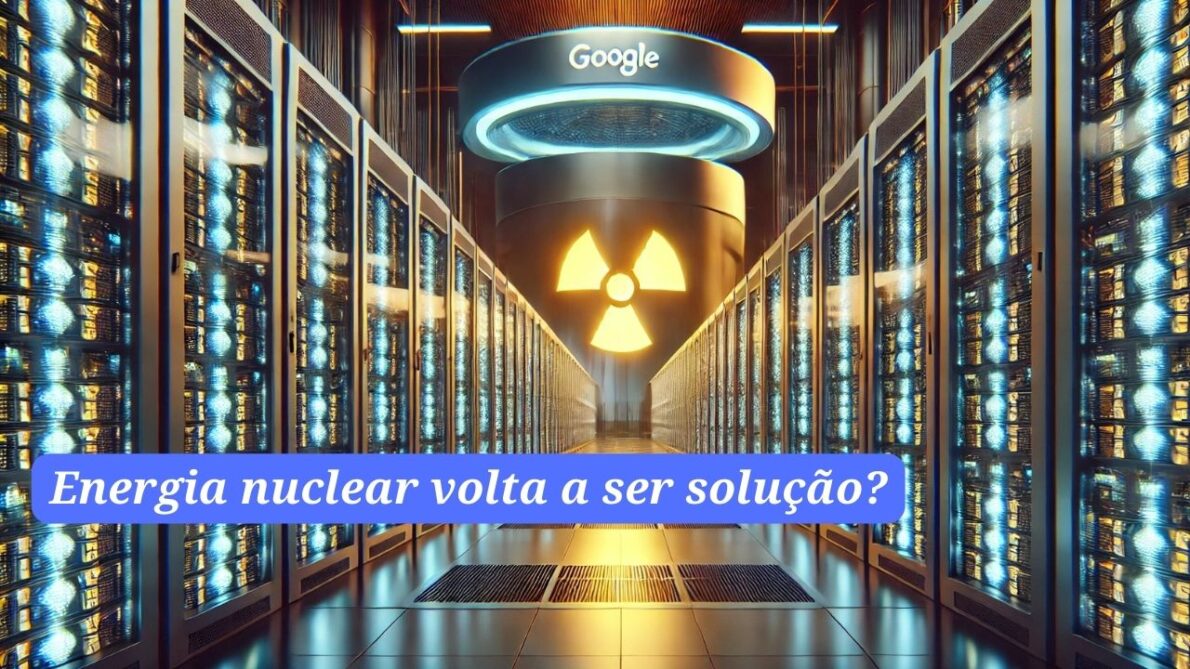

With the Rise of Artificial Intelligence, the Technology Sector Bets on Nuclear Energy as a Clean and Efficient Alternative to Meet the Growing Energy Demand in Data Centers. Will This Be the Trend of the Future?
Nuclear energy, which seemed like a thing of the past, is making a strong comeback, and this time, the technology sector may be the main driver of this return. Amid the explosive increase in energy consumption by artificial intelligence (AI) data centers, tech giants like Google and Microsoft are eyeing this energy source to sustain their operations.
Google, for example, announced an innovative partnership with Kairos Power to develop small nuclear reactors. These reactors, known as SMRs (Small Modular Reactors), promise to provide clean, safe, and reliable energy for the AI-processing data centers, whose energy demands can be nearly three times greater than conventional centers. According to the company, the first reactor is expected to be deployed within this decade, with new projects by 2035.
Does the Technology Sector Embrace Nuclear Energy as a Viable Solution?
This movement from Google is not isolated. Microsoft is also seeking similar solutions, entering into an agreement to reactivate the Three Mile Island nuclear plant, a facility that was the site of a historic nuclear accident in 1979. Amazon, in turn, announced the acquisition of a data center in Pennsylvania powered by nuclear energy. The technology sector is clearly eyeing the potential of nuclear energy to keep its massive AI operations running.
-
Brazil’s Angra 3 Nuclear Plant Reaches 66% Completion; Government Faces 2026 Deadline to Decide on $24 Billion Project’s Future

-
American company drills a 1,830-meter hole in Kansas using oil well technology, places a nuclear reactor inside, and claims it will generate electricity without any cooling tower.
-
Canada invests more than 2 billion dollars to upgrade an old nuclear laboratory and try to rival the world’s major atomic energy powers.
-
Nuclear company backed by Bill Gates partners with Hyundai for next-generation 345 MW nuclear reactor


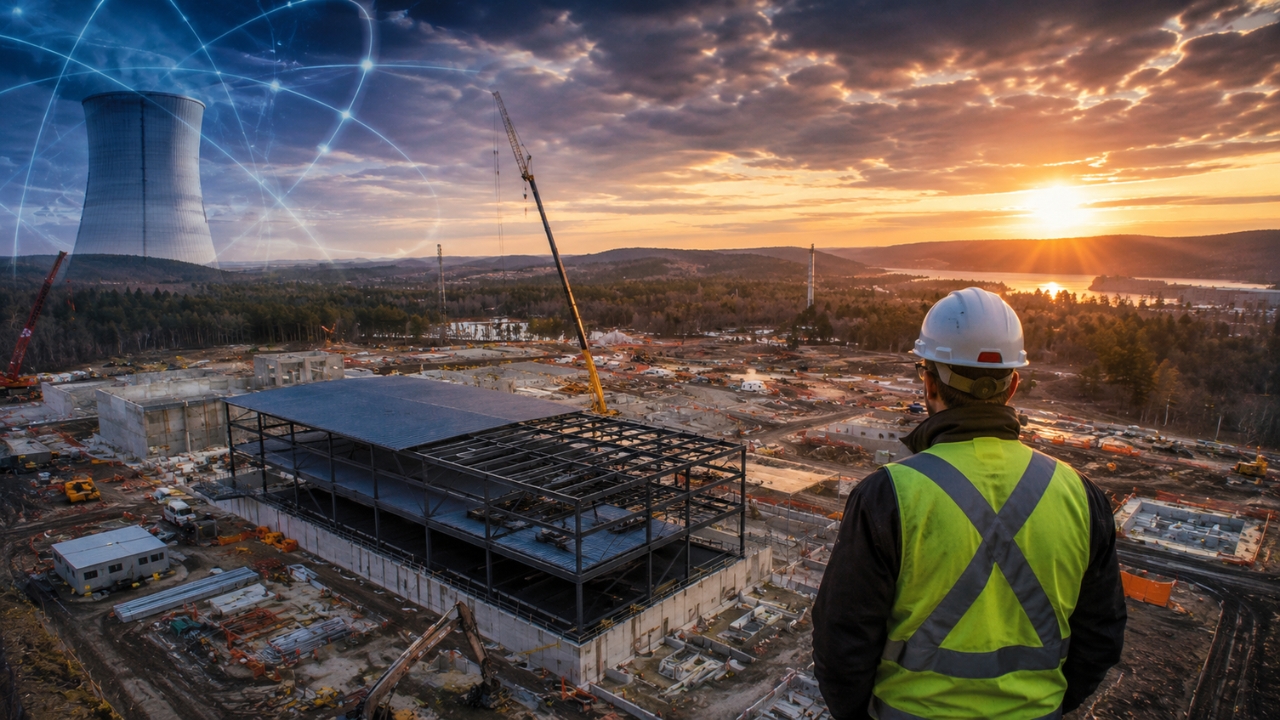

Common data centers already consume approximately 32 megawatts, but those dedicated to AI processing can reach an incredible 80 megawatts! This makes nuclear energy one of the few options capable of reliably meeting this demand without compromising environmental sustainability.
Criticisms and Concerns About the Return of Nuclear Energy
However, not everything is rosy. Environmental groups like Greenpeace have raised concerns. For critics, nuclear energy still poses a significant risk, both due to the high implementation costs and the potential dangers of accidents and radioactive waste. They argue that renewable sources, such as solar and wind, are safer and more economical options in the long run.
Even though SMRs (Small Modular Reactors) are being developed with a focus on safety and efficiency, the technology sector will have to face public and environmental resistance to solidify this trend. Currently, some universities are already using these small reactors for educational purposes, but there are still no large-scale operational units for commercial purposes.
The Future of the Technology Sector
With the AI industry growing at a rapid pace, the search for sustainable energy solutions has never been more urgent. The technology sector is betting on nuclear energy to support this new era of large-scale processing, but the lingering question is: will this technology gain public trust and overcome the challenges it faces?
And you, do you believe that nuclear energy will be the future of data centers? Or do you think that renewable energies are still the best solution? Share your thoughts in the comments!