





 English
  Francês
  Alemão
  Italiano
  Japonês
  Norueguês
  Portuguese
  Spanish
  3 min of reading


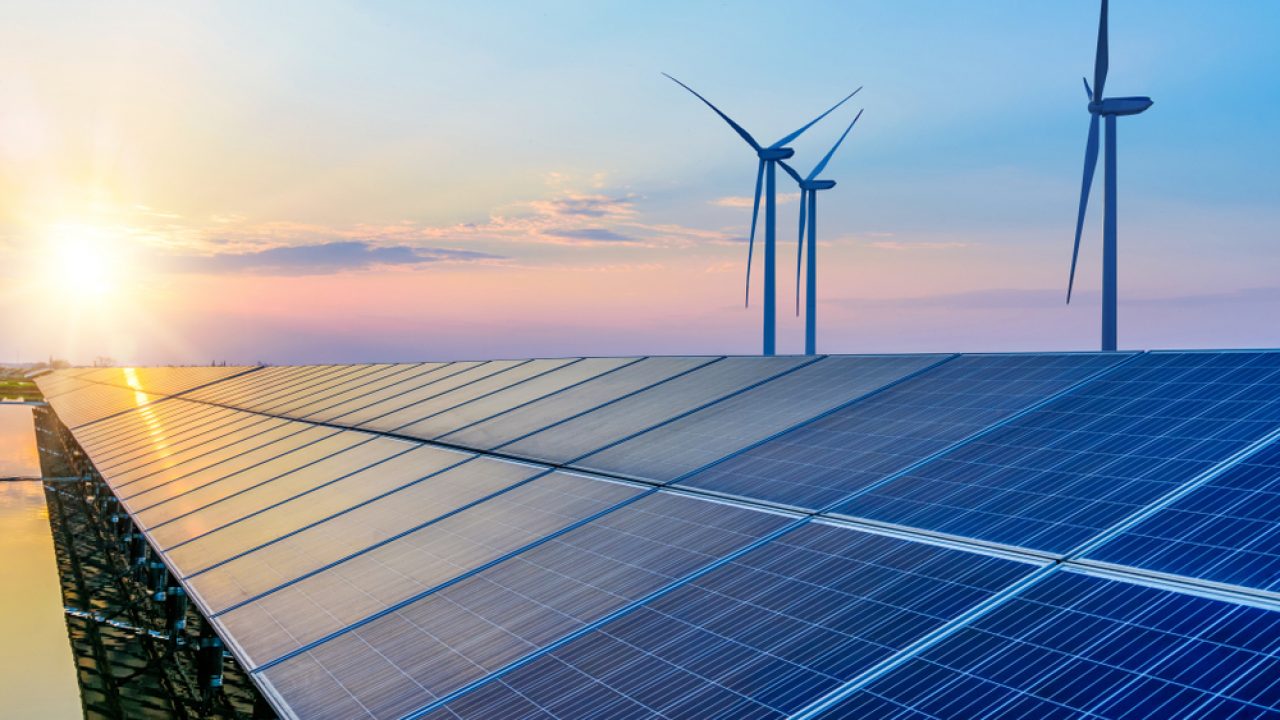
In Order for Energy Transition and Renewable Energy to Become a Reality in the Global Matrix, Trillion-Dollar Investment is Necessary by 2030
On Tuesday, March 29, the International Renewable Energy Agency (IRENA) launched the latest version of the report “World Energy Transitions Outlook,” which outlines priority actions for the next 8 years, until 2030, in order to preserve the goal of limiting global warming to 1.5°C. As the IRENA document shows, investments of US$ 5.7 trillion annually will be needed by 2030 for the global energy transition, in addition to redirecting US$ 700 billion per year that would go to fossil fuels, avoiding idle assets. Thus, worldwide additions of renewable energy per year would grow threefold by 2030, following the recommendation of the Intergovernmental Panel on Climate Change (IPCC).
Thus, as reported in the original article by the news outlet PetroNotícias, IRENA’s Director-General, Francesco La Camera, stated that “the energy transition is far from being on the right track and any less radical action in the coming years will reduce, if not eliminate, our chances of meeting our climate goals.” Furthermore, IRENA’s Director-General added: “Today, governments face various challenges of energy security, economic recovery, and energy affordability for households and businesses. Many answers lie in accelerated transition. But it is a political choice to implement policies that fulfill the Paris Agreement and the Sustainable Development Agenda. Investing in new fossil fuel infrastructure will only block uneconomic practices, perpetuate existing risks, and increase the threats of climate change.”
Additionally, the International Renewable Energy Agency (IRENA) believes that investing in the energy transition to renewable sources would bring significant socioeconomic and well-being advantages. From the energy transition, 85 million jobs will emerge worldwide across different sectors of renewable energy – such as solar, which has been receiving a lot of attention from large institutions – and other technologies linked to the energy transition, between now and 2030. This significant volume of jobs represents a much greater gain compared to the loss of 12 million jobs in the fossil fuel industries. Therefore, overall, many nations would experience more significant benefits from the energy transition trajectory than from traditional business transactions. You can check the full report on the International Renewable Energy Agency (IRENA) website, available here at this link.
-
With 160,000 m² of collectors, an area larger than 20 football fields, Silkeborg, in Denmark, hosts a solar thermal plant that heats 19,500 homes and could become the largest solar heating plant in the world.

-
A study reveals the expansion of renewable energy procurement in Brazil and shows how companies are taking advantage of opportunities to reduce expenses, ensure energy efficiency, and strengthen strategic environmental commitments.

-
Mato Grosso do Sul excels in the sugar-energy sector: the state reaches a milestone of 22 operating mills and accelerates the production of clean energy in MS with a focus on sustainability.

-
National energy dilemma: Brazilians support clean energy but reject increases in tariff costs to finance the sustainable transition.

About IRENA
Formally established in 2009 during the Bonn Conference, the Agency is headquartered in Abu Dhabi and currently has the presence of 154 Member States, in addition to 26 States in the process of integration.
IRENA’s main function is to assist and support nations in the energy transition to a sustainable matrix, that is, with renewable energy sources, serving as a repository and disseminator of knowledge and good practices, dialogue platform, and provider of services, technical tools, analyses, and cooperation projects in the field of renewable energy.
Concentrated Solar Power: CESP Launches Pioneering Plant in the National Context, Capable of Supplying More Than 300 Residences
The São Paulo Electric Company (CESP) inaugurated the first concentrated solar power plant in Brazil during the week of March 20, located in the municipality of Rosana, in São Paulo. In development for approximately 5 years, since 2017, now, with the start of operations, the country receives a new milestone for energy generation. In partnership with Lactec, Eudora Energia, MRTS Consulting, and MFAP Consulting, the plant project was created as part of the Research and Development Program for the Electric Sector, regulated by the National Electric Energy Agency (Aneel). To learn more about innovations in renewable energy, click here to read the full article.






Seja o primeiro a reagir!