Portuguese
  Spanish



In Search Of Contributing To The Transition To Clean And Renewable Sources, Santander Will Double Its Loan For Solar Energy
Santander bank plans to double the amount of credit allocated to solar energy in 2022 compared to last year’s value. The institution also intends to offer credit of around 10 billion reais exclusively for financing the purchase of equipment and for the installation of solar energy production systems on a residential and business scale.
For Santander, the main goal of this measure is to assist in the distribution of solar energy throughout the country, as it is a clean and sustainable energy source, but it is not widely accessible. Last year, the bank made available around R$ 5.3 billion to the solar energy sector.
According to Santander, which closed a partnership with ENEL to encourage the transition to clean energy, to achieve this goal the institution has been using a strategy that involves offering plans with payments that match the monthly cost of a conventional electricity bill, thus making the payment lower.
-
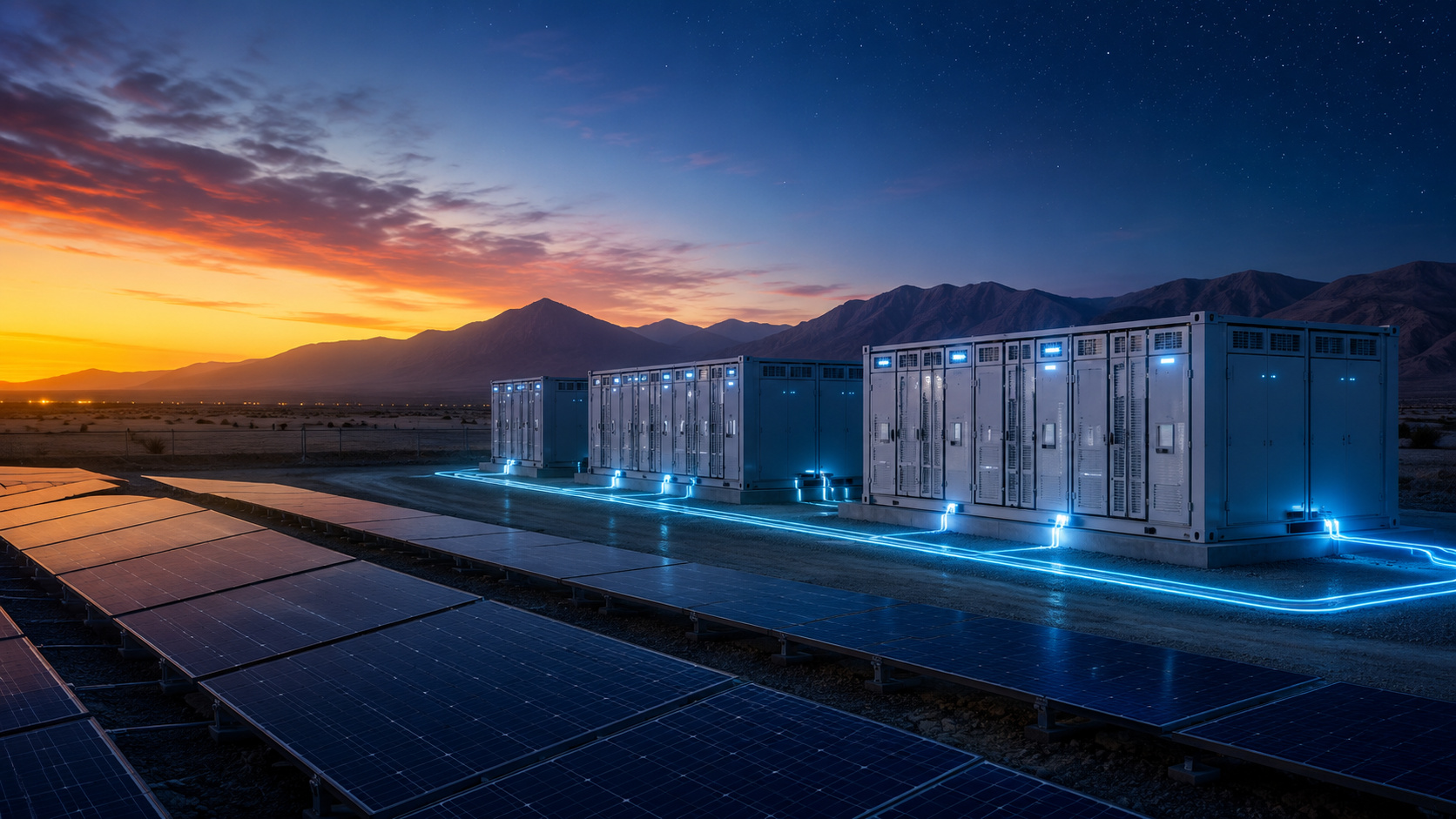
Giant Batteries Take Center Stage in Chile Auction as Company Offers 960 GWh of Solar Energy for Nighttime Use, Aiming to Stabilize Solar Power Supply

-
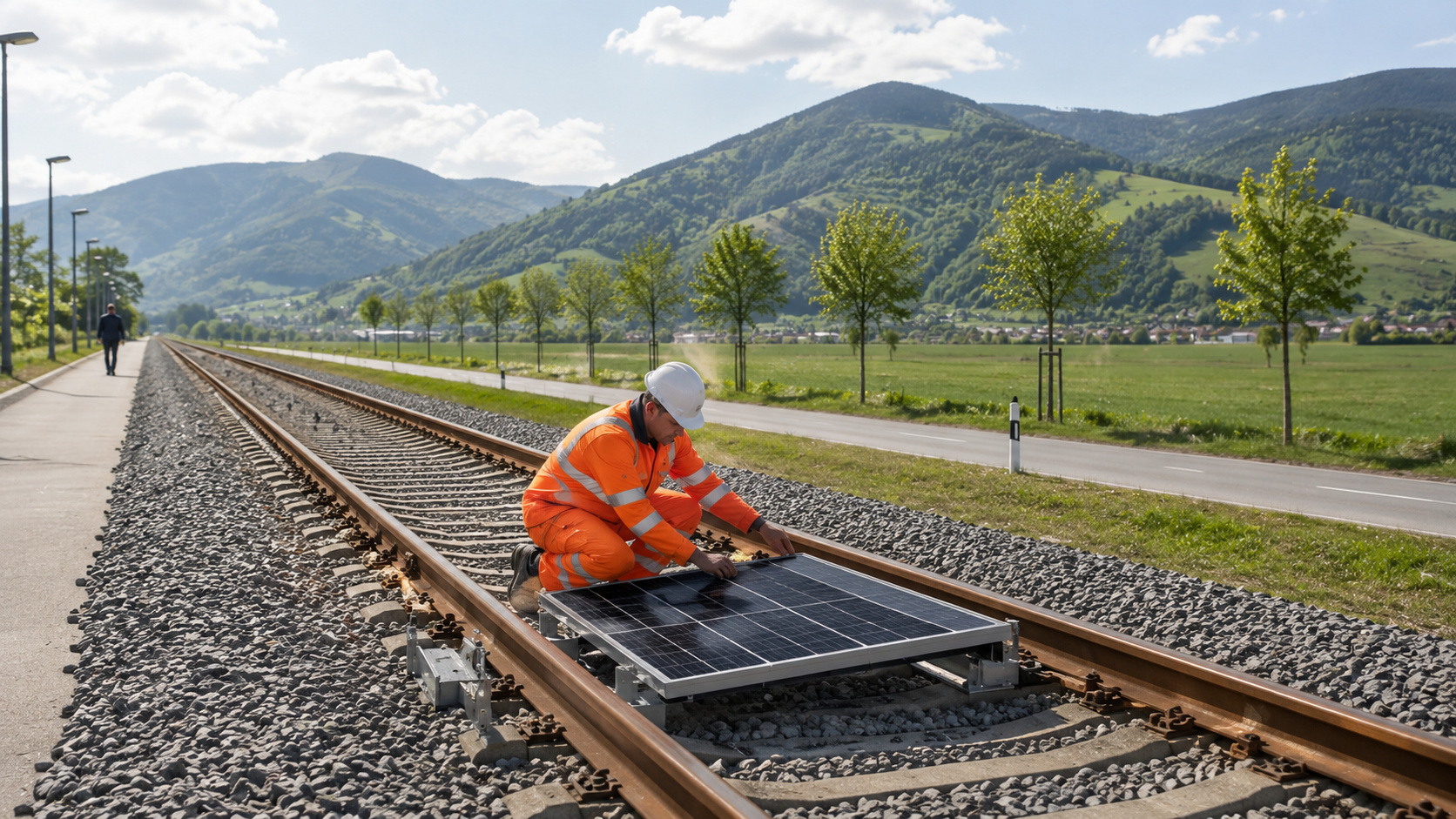
After a Year of Success in Switzerland, Solar Railway Attracts Italy’s Interest for Clean Energy Transformation
-
Robots Clean Solar Panels in Desert Power Plants Without Water, Preventing Energy Losses
-
Brazil’s Offshore Wind Energy Potential Worth $1 Trillion Stalled by Long-Delayed Agreement



Democratization of Solar Energy
Marcio Giovannini, executive superintendent of Goods and Services at Santander Financiamentos, analyzes: “The demand is driven, mainly, by the ease of credit for acquiring the photovoltaic system and its installation. The bank’s effort to democratize the generation of clean energy in the country also helps to drive down equipment prices.”
However, as Giovannini states, the financial compensation for customers who replace their traditional electricity bills with financing payments is not the only incentive for solar energy generation – a sector that, in fact, has been receiving technological investments. In this sense, the Santander executive emphasizes that there are other factors that encourage the pursuit of sustainable energy generation in the country.
One of these factors is the knowledge that the market has been acquiring about the advantages of this alternative energy production model, especially among consumers who are genuinely concerned about environmental issues. Giovannini adds: “Environmental motivation ends up being decisive for companies and households to choose to switch.”
Currently, Banco Santander is responsible for about 35% of the total financing for solar energy projects aimed at residences and businesses in the Brazilian market. Compared to 2019, last year Santander Financiamentos, Santander’s financial institution, tripled the number of commercial partner companies within the national territory. Santander has been providing credit lines for funding in sustainability since early 2017, approximately 5 years ago.
Watch the following video from Banco Santander, which advocates for the sustainability of renewable sources:


Banco Santander Opens 50,000 Slots for Free Technology Courses
Banco Santander opened registrations on March 24 for a free course in Full Stack and Mobile (Kotlin) Web Development. The course will be conducted through the DIO platform and will be completely online and free. No prior knowledge in technology or requirement for a degree is necessary. Candidates must only be over 18 years old and interested in learning about technology.
According to Exame, the executive superintendent of Santander Universities, Nicolás Vergara, states that the idea of the Bootcamp is to insert more people into the technology universe, as the demand in the field is high and the market is requesting professionals aligned with best practices in the information technology field. In addition to Santander’s concern for renewable energy, it is also directing its attention to the technology sector through investments and free courses. To learn more, click here to read the full article from CPG.