





 Portuguese
  English
  Spanish
 3 min of reading


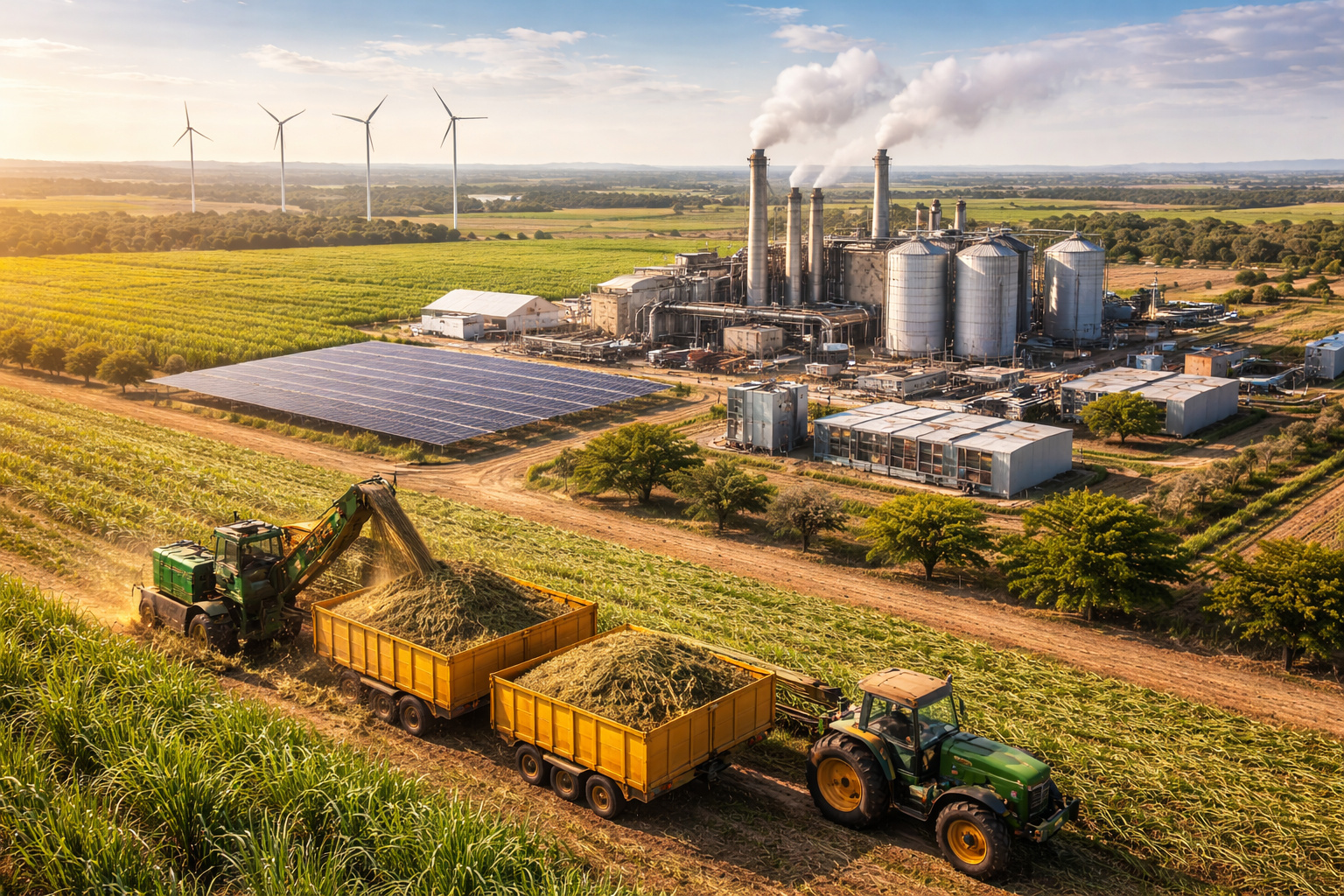
The State of São Paulo established, in 2025, a prominent position in the Brazilian energy transition. According to the State Energy Balance of 2025, published this Tuesday (30), 59% of the state’s gross internal energy supply comes from renewable sources. This percentage places São Paulo above the national average, which is 50%, according to data released by the Ministry of Mines and Energy.
This result does not occur in isolation. On the contrary, it reflects a historical trajectory of investments in biofuels, energy efficiency, and matrix diversification. Over the past few decades, São Paulo has built a solid foundation in renewable sources, particularly ethanol, which has resumed its central role in meeting the state’s energy needs.
Ethanol as a Differential of the São Paulo Matrix
According to the energy balance, ethanol was responsible for a greater energy supply than gasoline in the state. This data reinforces the relevance of biofuels in mobility and São Paulo’s energy security.
-
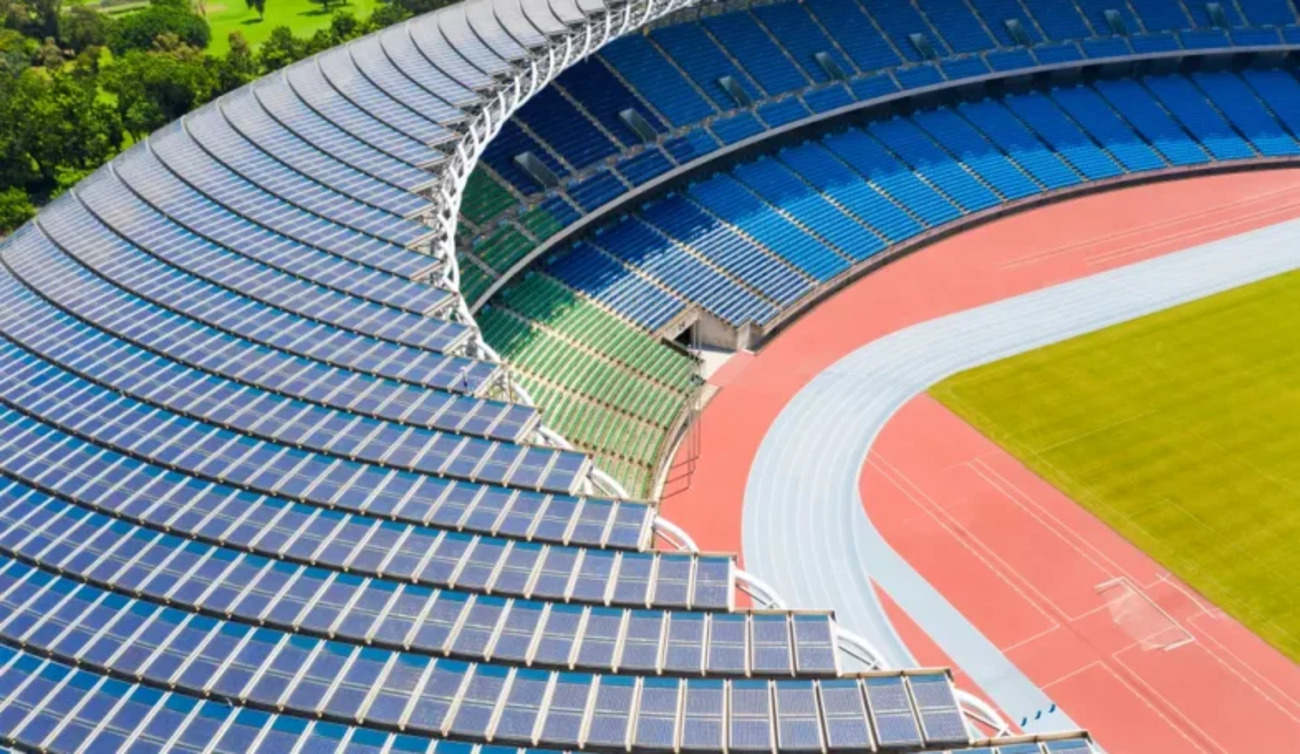
How green infrastructure and renewable energy at the World Cup transform the logistics of the largest sporting event on the planet in North America.
-
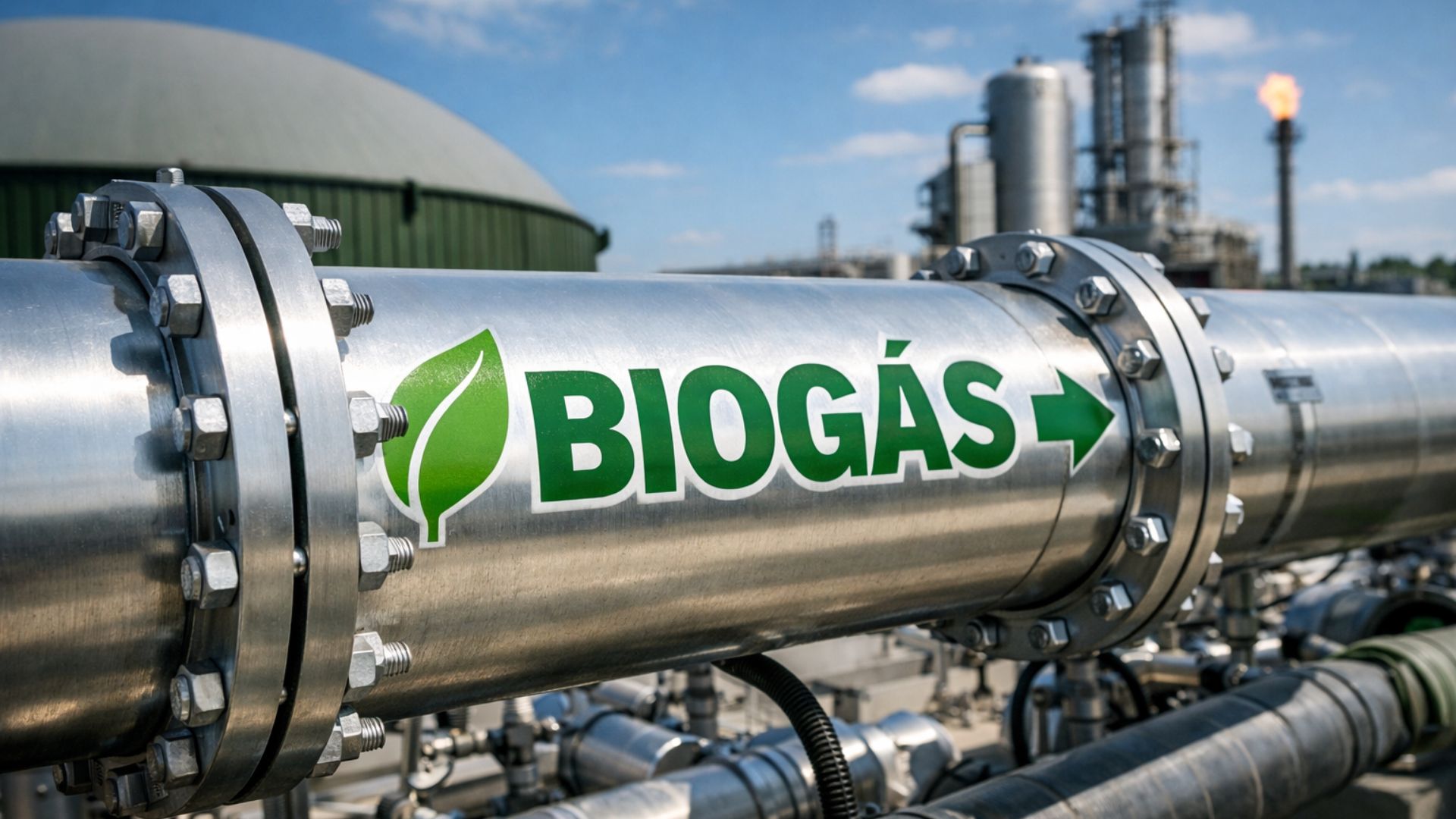
The Cagece and UFC project advances in sustainable innovation with biogas by converting waste into renewable energy, reducing environmental impacts, and increasing sanitation efficiency with concrete and measurable results.
-
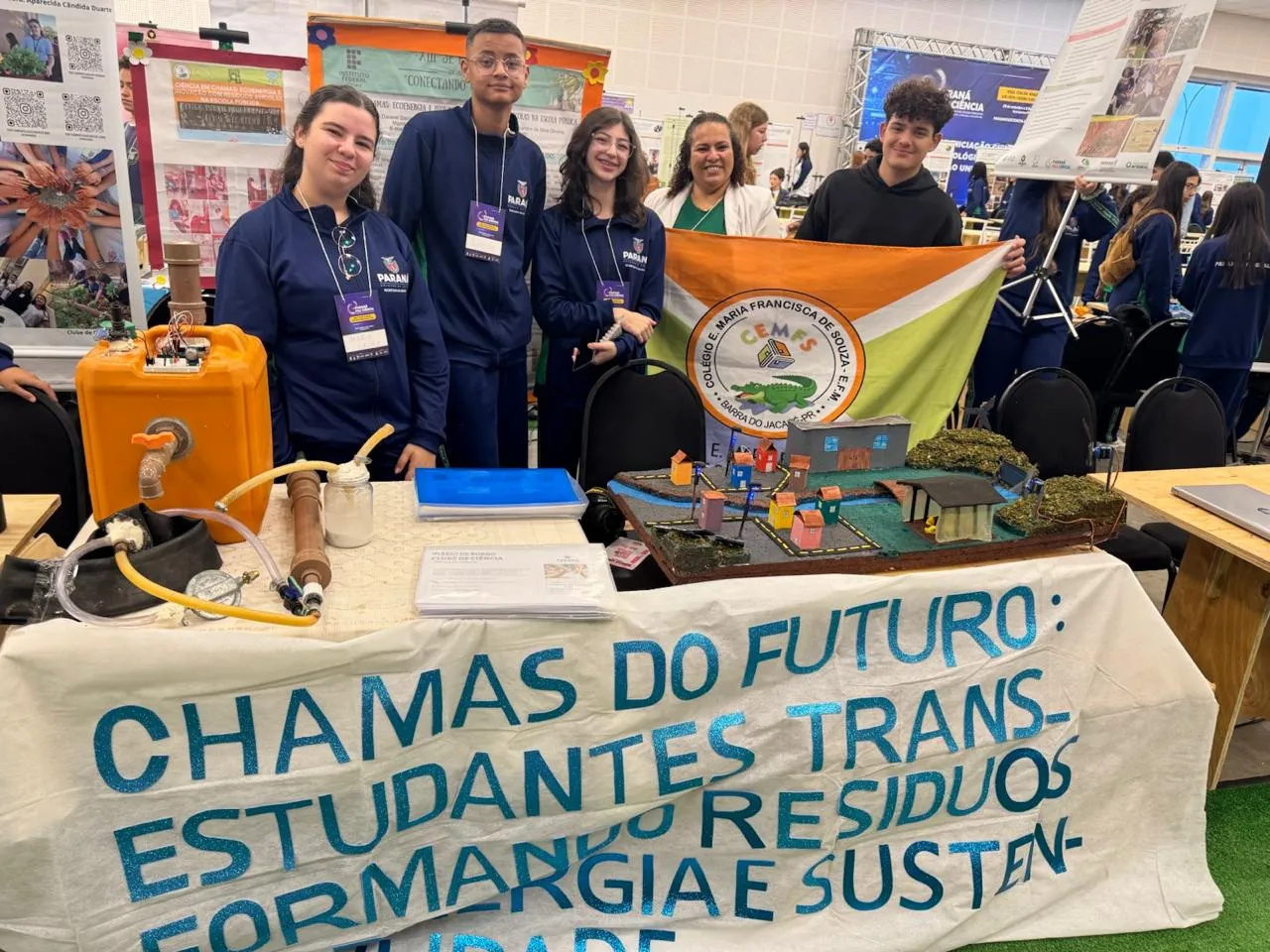
Paranaense students develop a system that transforms farm waste into clean energy and revolutionizes sustainable agribusiness.
-
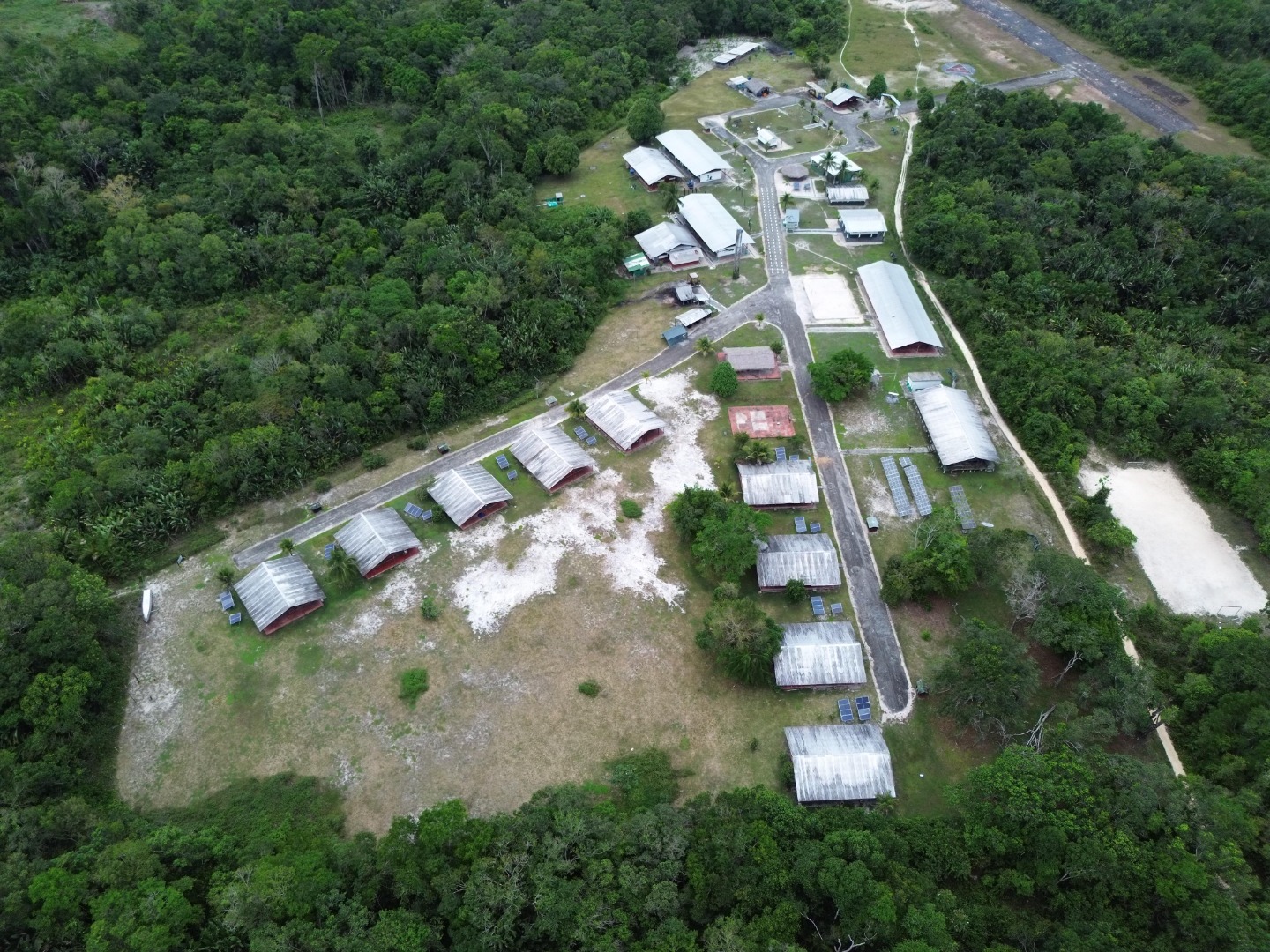
The Ministry of Defense installs a giant photovoltaic plant and ensures a stable supply of clean energy in Maturacá, in the Amazon.
Historically, São Paulo leads national ethanol production from sugarcane. Since the creation of the National Alcohol Program (Proálcool) in the 1970s, the state has structured a robust production chain, capable of integrating agriculture, industry, and energy distribution.
Thus, even with the advancement of new technologies, ethanol maintains economic competitiveness and environmental relevance. Furthermore, the expanded use of the biofuel contributes to the reduction of greenhouse gas emissions, especially in the transportation sector, which is one of the largest emitters in the country.
Renewables Above the National Average
When compared to the Brazilian scenario, São Paulo’s performance becomes even more relevant. According to the Ministry of Mines and Energy, the national average participation of renewable sources in the gross internal energy supply is 50%. Therefore, the 59% index achieved by São Paulo demonstrates a significant structural advance.
This result is primarily due to the strong presence of biofuels, cogeneration of energy from sugarcane bagasse, and the gradual growth of sources such as solar and wind. Additionally, state public policies and private investments have helped consolidate a favorable environment for clean energy.
In this way, the state not only keeps pace but anticipates trends in the national energy transition.
Energy, Economy, and Sustainability
The high participation of renewable sources in São Paulo’s energy matrix also generates positive economic impacts. The ethanol chain, for example, drives thousands of direct and indirect jobs, in addition to stimulating technological innovation and productivity gains in the field.
At the same time, the greater presence of renewable energy reduces the state’s exposure to the volatility of international fossil fuel prices. This strengthens energy security and creates greater predictability for consumers and businesses.
From an environmental perspective, the advancement of renewables contributes to meeting climate goals and reducing the carbon footprint of the São Paulo economy. Thus, clean energy, economic development, and sustainability move forward in an integrated manner.
A Long-Term Indicator
The state energy balance reflects not only a one-time result. It indicates a trend built over time. By prioritizing renewable sources, São Paulo consolidates a more resilient, diversified energy model that aligns with the demands of the 21st century.
Moreover, São Paulo’s performance serves as a reference for other federative units. In a country with great renewable potential, successful experiences help guide public policies and investment decisions.
Therefore, the 59% of renewable energy in the São Paulo matrix does not just represent a number, but rather the confirmation of a long-term strategy that combines tradition, innovation, and commitment to sustainability.






Seja o primeiro a reagir!