





 Portuguese
  English
  Spanish
  5 min of reading
  0 comments


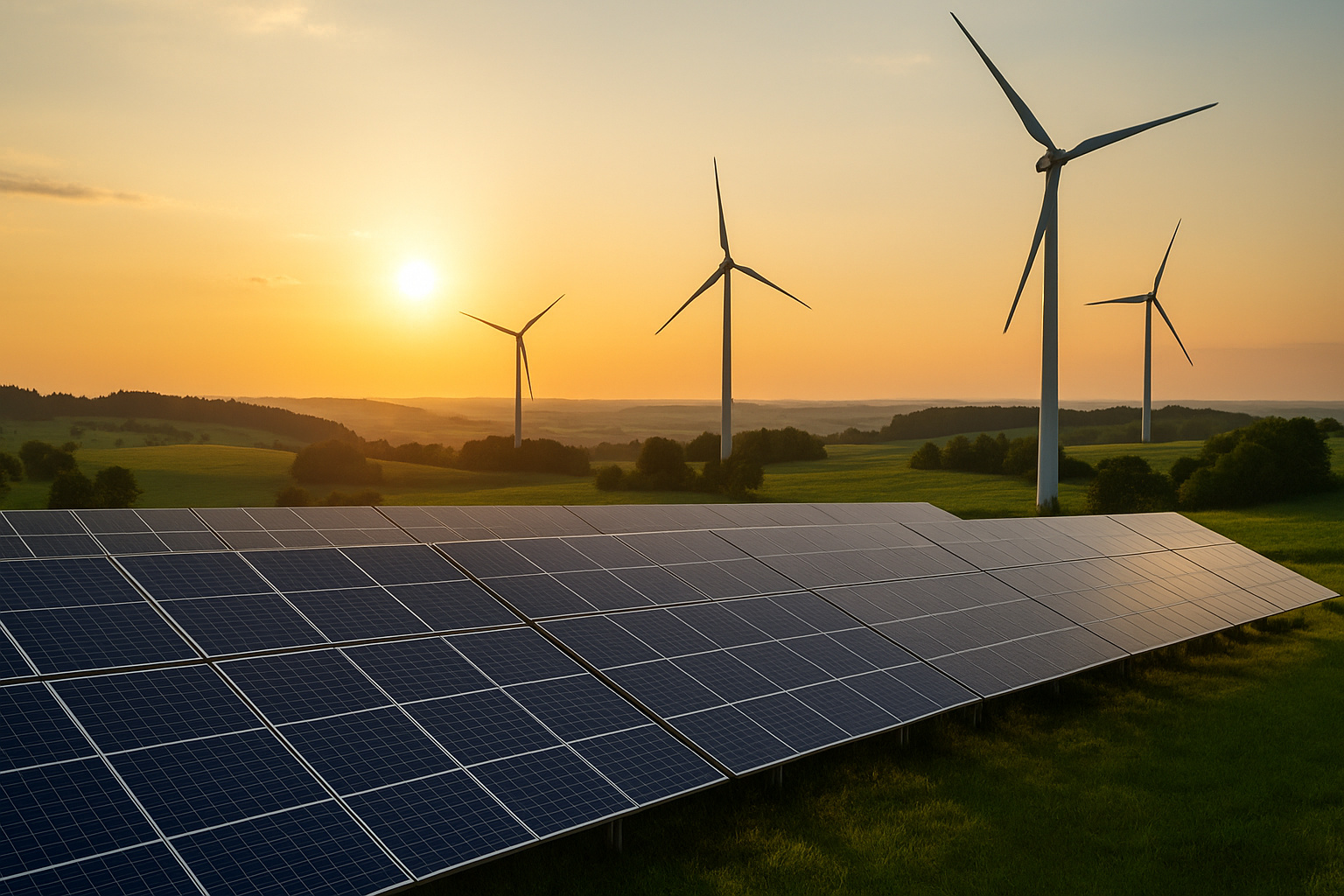
Discover How Renewable Energy Transforms the Present and the Future with Its Environmental, Economic, and Social Advantages.
Since the dawn of civilization, humanity has sought ways to produce and utilize energy to facilitate daily life.
As historian Vaclav Smil highlights in his book Energy and Civilization (2017), the first forms of energy used were fire and muscle power, which gave way to hydraulic and wind energy in ancient cultures.
However, it was only with the Industrial Revolution, which began in the 18th century, that the intense use of fossil fuels like coal gained momentum.
-
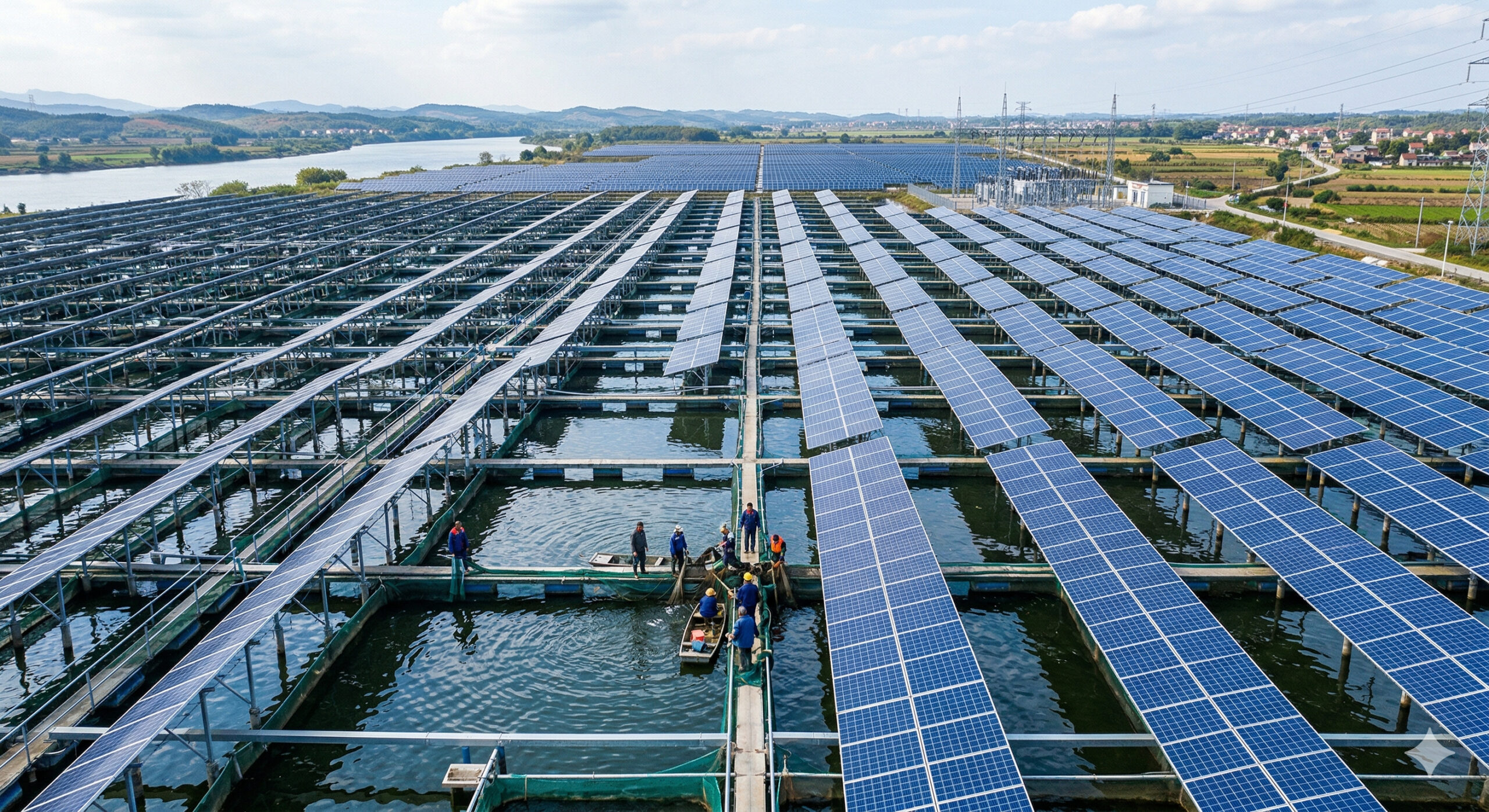
China bets on the Fishery-PV model and transforms fish farms into giant solar plants, covering ponds with panels that generate energy while utilizing the same space for large-scale aquaculture production.
-
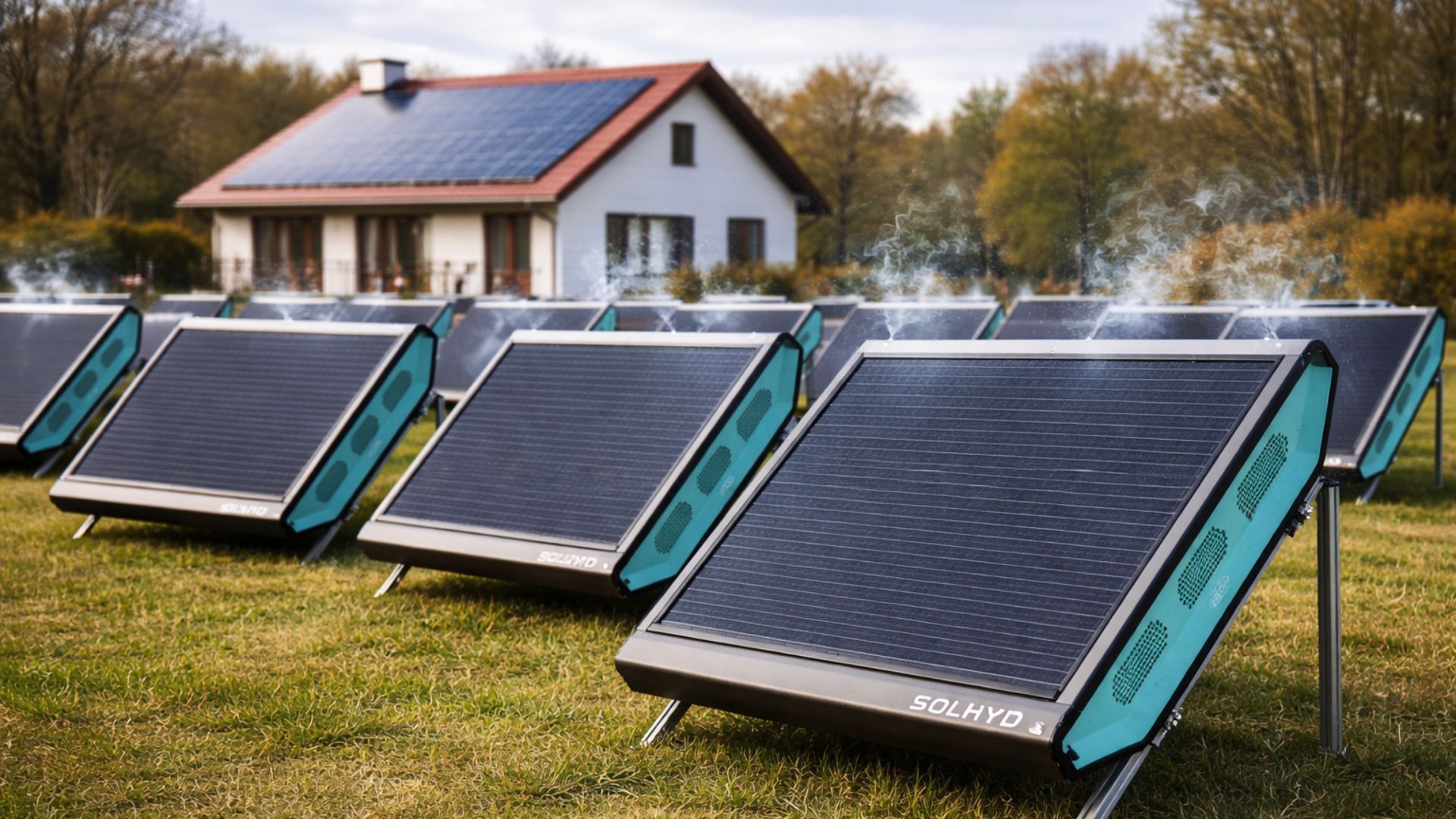
Green hydrogen at home: Belgium launches new technology that makes solar panels produce fuel from the moisture in the air, which could boost the energy transition.
-
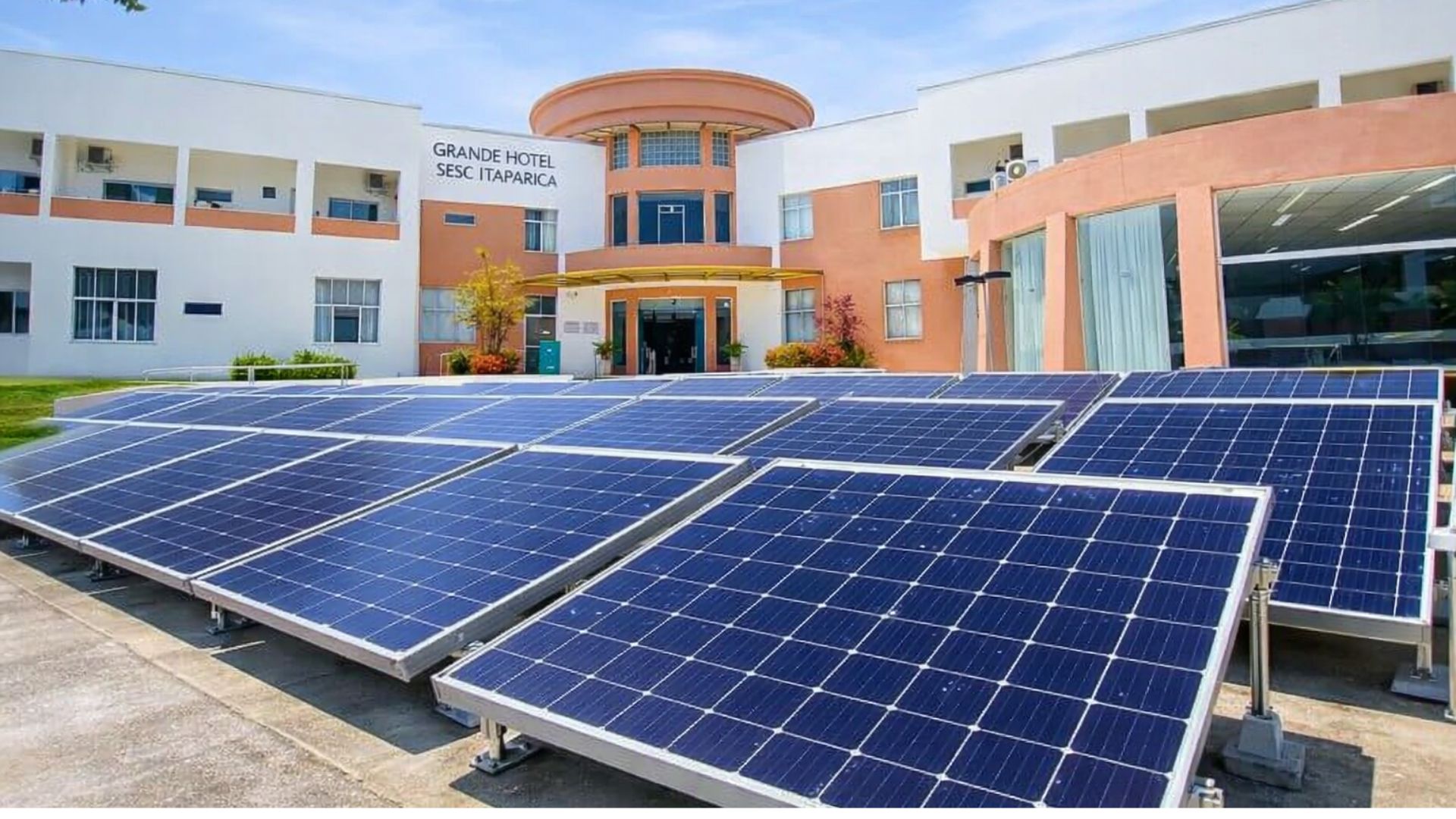
Sesc-BA bets on renewable energy with the support of EDP and drives the energy transition with a direct impact on cost reduction and the sustainability of its operations in Bahia.
-
Technology giant breaks global sustainability records: How Amazon’s leadership in renewable energy procurement transformed the global energy market in the past year.


According to the report by the International Energy Agency (IEA, 2023), this period marked the exponential increase in energy consumption, which, despite driving economic development, caused severe environmental impacts.
Over time, it became clear that fossil reserves are not infinite and that their combustion exacerbates problems like global warming. Thus, the search for alternative sources emerged, giving rise to the concept of renewable energy and its many advantages, which are now essential for sustainable development.
Renewable energy comes from natural sources that are constantly replenished, such as the sun, wind, water, and biomass.
Unlike fossil fuels, which take millions of years to form, these sources renew in short cycles and offer a clean and sustainable alternative.
According to the IEA report of 2023, renewable energies accounted for about 30% of global electricity generation that year, highlighting a continuous growth in the adoption of these sources.
The Historical Trajectory of Renewable Energy
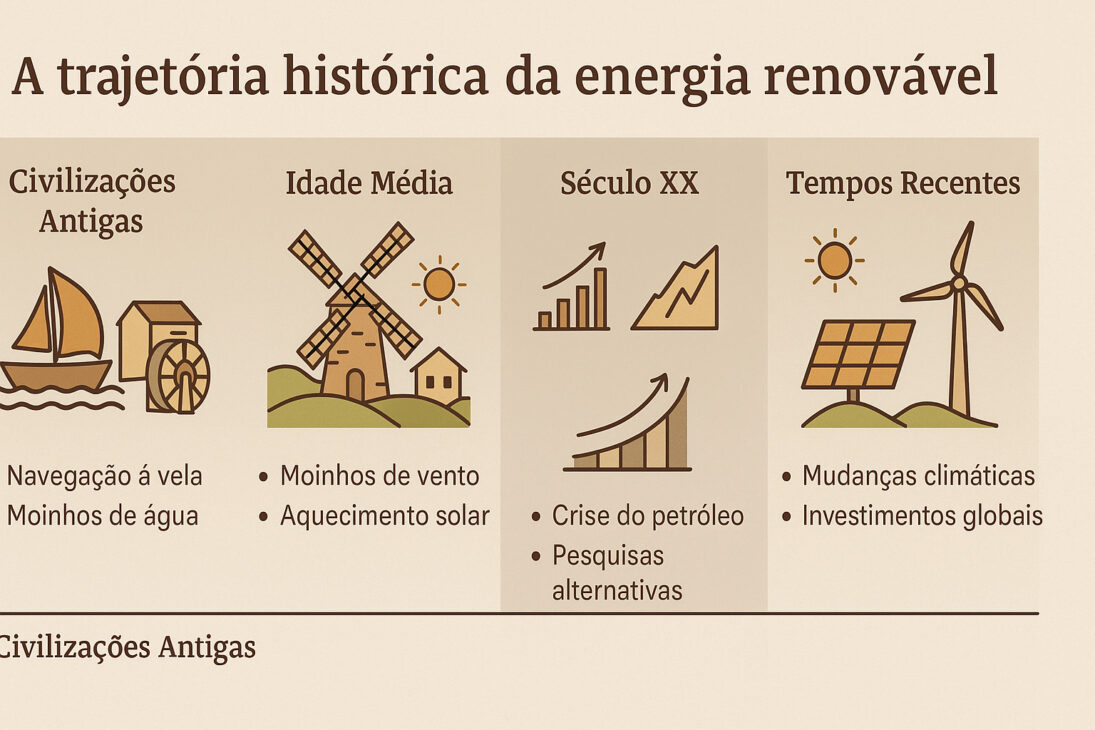
The use of renewable energy dates back to ancient civilizations. For example, Greece and Rome already harnessed the wind for navigation and water resources to power mills.
Historian Joseph Needham, in Science and Civilisation in China (1954), notes that in ancient China, as early as the 1st century AD, simple solar heating systems were used for family comfort.
In the Middle Ages, Europe began utilizing windmills and water wheels, technologies that boosted agriculture and small industries.
These examples show that humanity has always adapted natural resources to meet its needs.
However, starting in the 20th century, renewable energy gained global prominence.
The oil crisis of 1973, for example, exposed the vulnerability of countries dependent on imported fossil fuels, accelerating research into alternatives.
Furthermore, the increasing scientific evidence regarding climate change, gathered by the Intergovernmental Panel on Climate Change (IPCC) since 1988, pressured governments and institutions to seek cleaner sources.
The United Nations Environment Programme (UNEP) reported in 2022 that global investments in renewable energy surpassed $500 billion, reinforcing the global commitment to sustainability.
Main Environmental and Economic Advantages
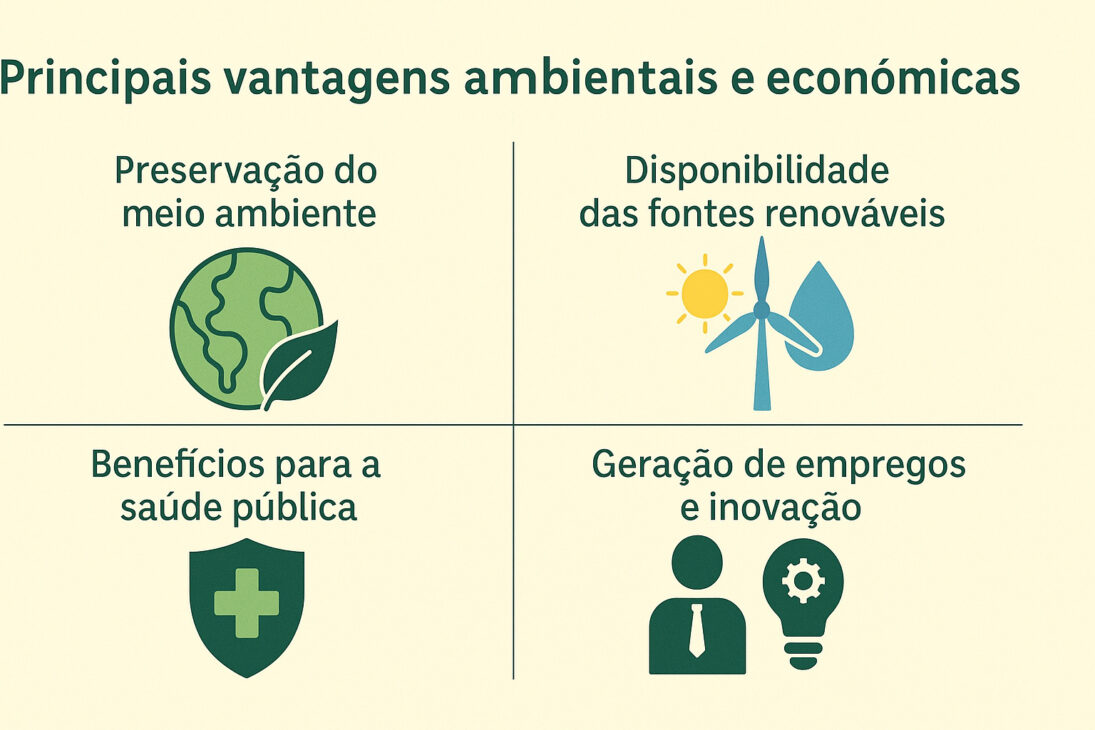
The main advantage of renewable energy lies in environmental preservation.
As the IPCC explains in its 2022 report, burning fossil fuels releases large amounts of carbon dioxide (CO₂) and other greenhouse gases, responsible for global warming.
On the other hand, renewable sources generate energy with no significant emissions. Thus, they directly contribute to reducing the greenhouse effect, helping to mitigate climate impacts.
Additionally, air pollution caused by coal and oil leads to respiratory and cardiovascular diseases.
According to the World Health Organization (WHO), air pollution kills about 7 million people each year, especially in urban areas.
The switch to clean energy represents, therefore, a direct benefit to public health.
Another important advantage is the abundance and availability of renewable sources.
The sun, wind, and water are present in almost all regions, decentralizing energy production and strengthening the autonomy of communities.
Moreover, this decentralization facilitates energy access in remote locations where conventional grids do not easily reach.
From an economic standpoint, renewable energy stimulates technological innovation and job creation.
According to the International Labour Organization (ILO), the clean energy sector generated over 13 million jobs worldwide in 2023, and this trend is expected to grow.
This growth creates opportunities for small and medium enterprises, strengthening the local economy and promoting sustainable entrepreneurship.
Finally, renewable energy enhances energy security for countries.
According to data from Brazil’s Ministry of Mines and Energy (2024), by reducing dependence on imported fuels, nations become less vulnerable to geopolitical crises and price fluctuations.
Discover the Main Types of Renewable Energy
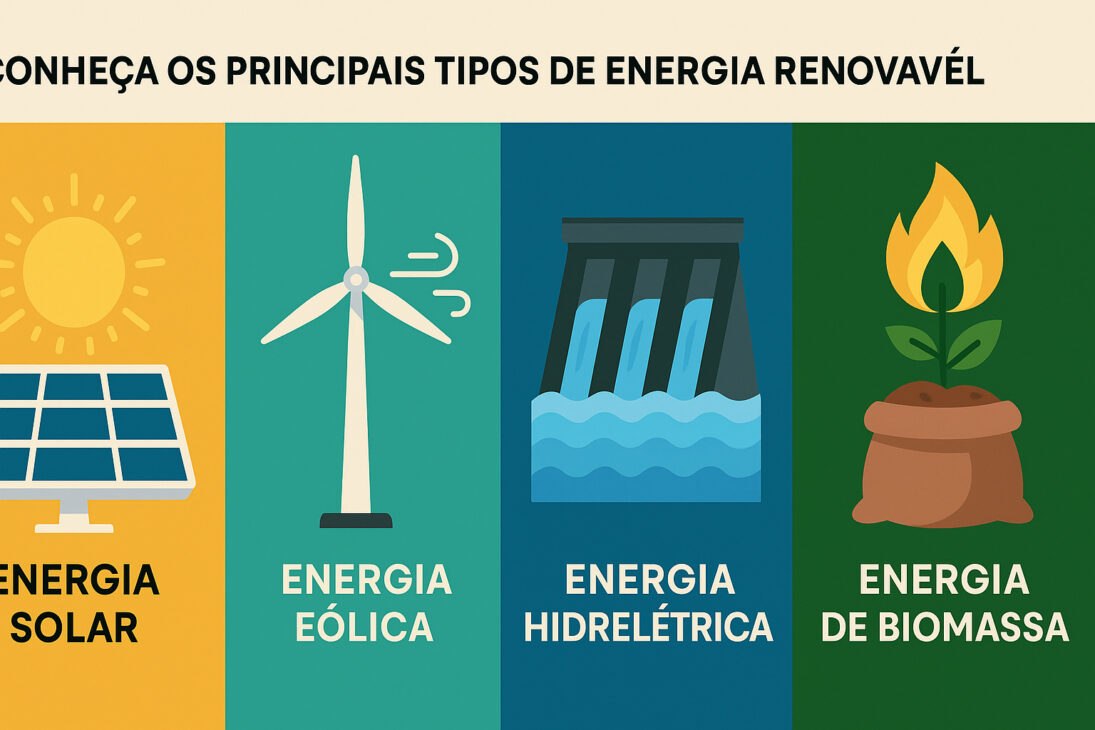
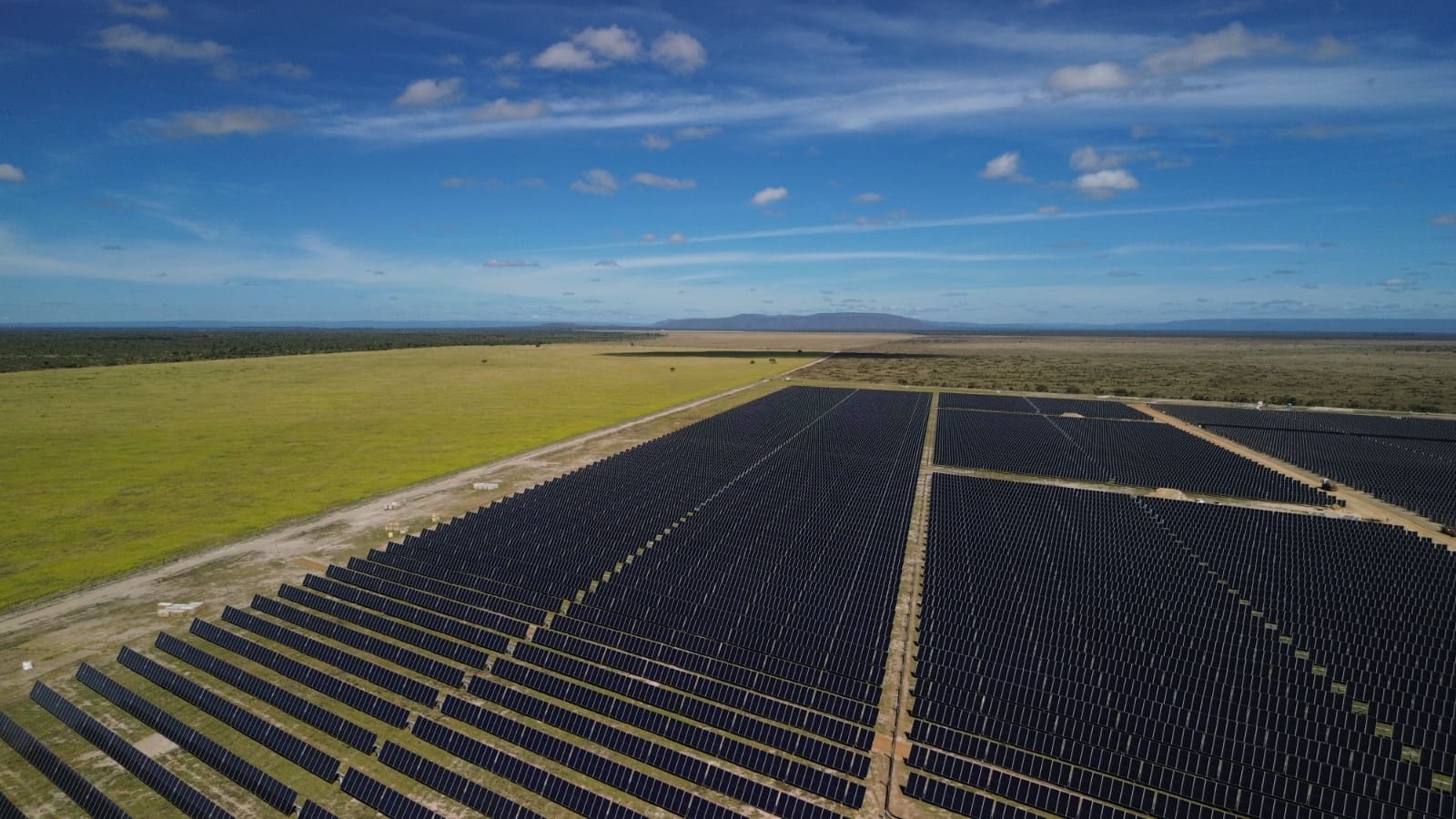
Among the most utilized sources today, solar energy stands out for directly capturing sunlight through photovoltaic panels.
According to the Brazilian Photovoltaic Solar Energy Association (ABSOLAR, 2023), Brazil surpassed the mark of 12 gigawatts installed, benefiting residences, industries, and large power plants.
Wind energy uses the force of the winds to move generating turbines. Countries like Denmark, the United States, and Brazil lead investments in this sector.
According to Brazil’s Ministry of Mines and Energy (2024), wind energy accounts for approximately 15% of the national electric matrix, having grown significantly over the past decade.
Hydroelectric energy, traditionally strong in Brazil, uses the flow of rivers to generate electricity.
However, the construction of large dams requires attention to minimize social and environmental impacts.
Fortunately, recent projects invest in smaller power plants and more sustainable systems, reducing damage to local fauna and flora.
Biomass, made from organic waste, is also a relevant source. When burned, it generates heat and energy while promoting a circular economy by repurposing waste.
Finally, sources like geothermal energy, which explores the Earth’s heat, and tidal energy, which harnesses the movement of the oceans, are less widespread but indicate paths for the future of the global energy matrix.
Current Challenges and Future Perspectives
Despite its clear advantages, renewable energy still faces challenges.
According to the IEA (2023), the initial cost of installing technologies, although decreasing, can still be a barrier for some regions.
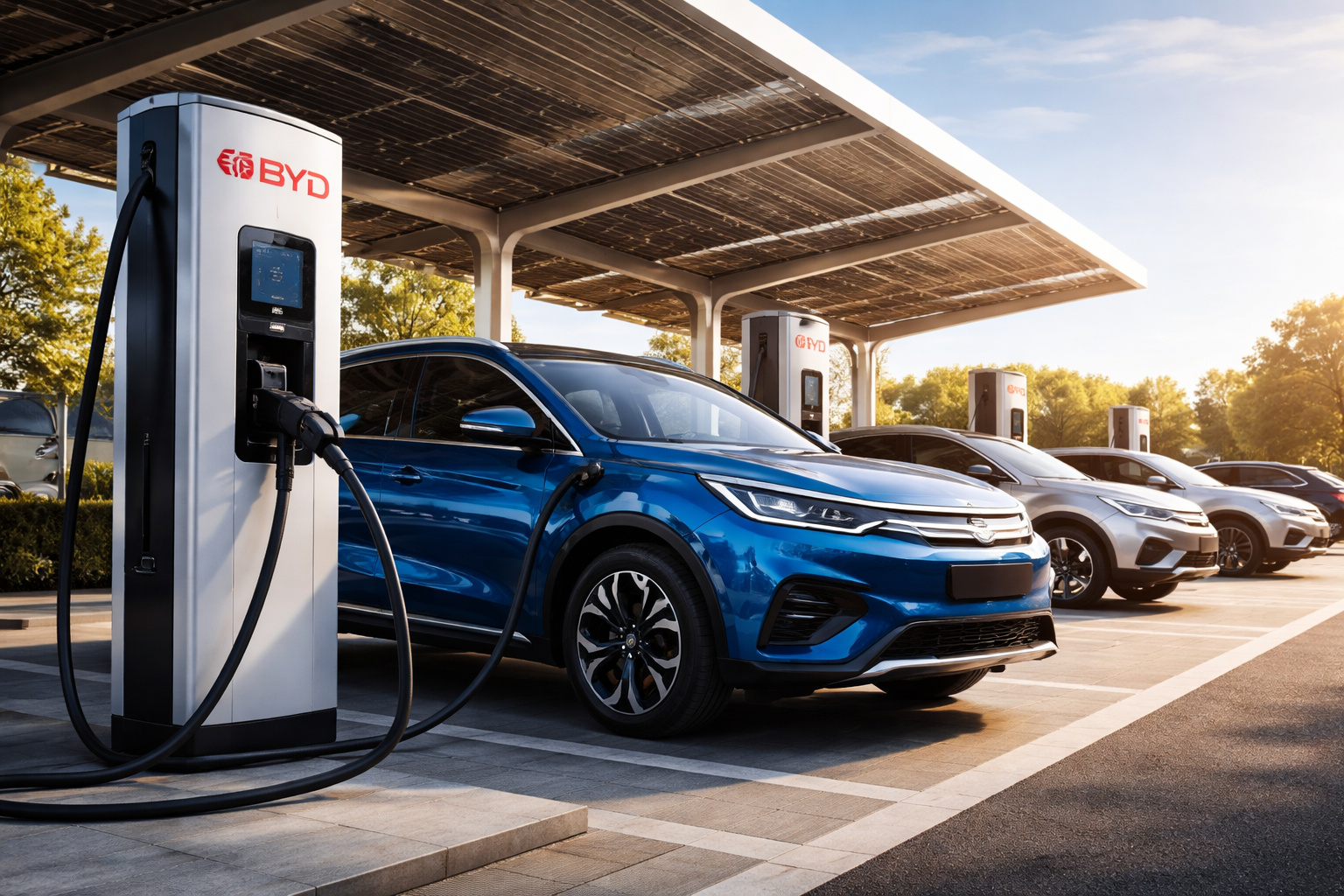
Additionally, the intermittency of sun and wind requires efficient storage systems, such as batteries, to ensure continuous supply.
Another challenge lies in integrating these sources into traditional electrical grids. This requires investments in infrastructure and technical planning to maintain system stability.
However, countries that invest in technological innovation are overcoming these barriers and leading the energy transition.
According to UNEP (2022), the growth of clean energies is accelerating, thanks to public policies, scientific advances, and greater societal awareness.
The energy of the future is already present. The sooner we understand the importance and advantages of renewable energy, the better prepared we will be to build a better world.








-

-

3 pessoas reagiram a isso.