





 Portuguese
  English
  Spanish
 4 min of reading
  0 comments


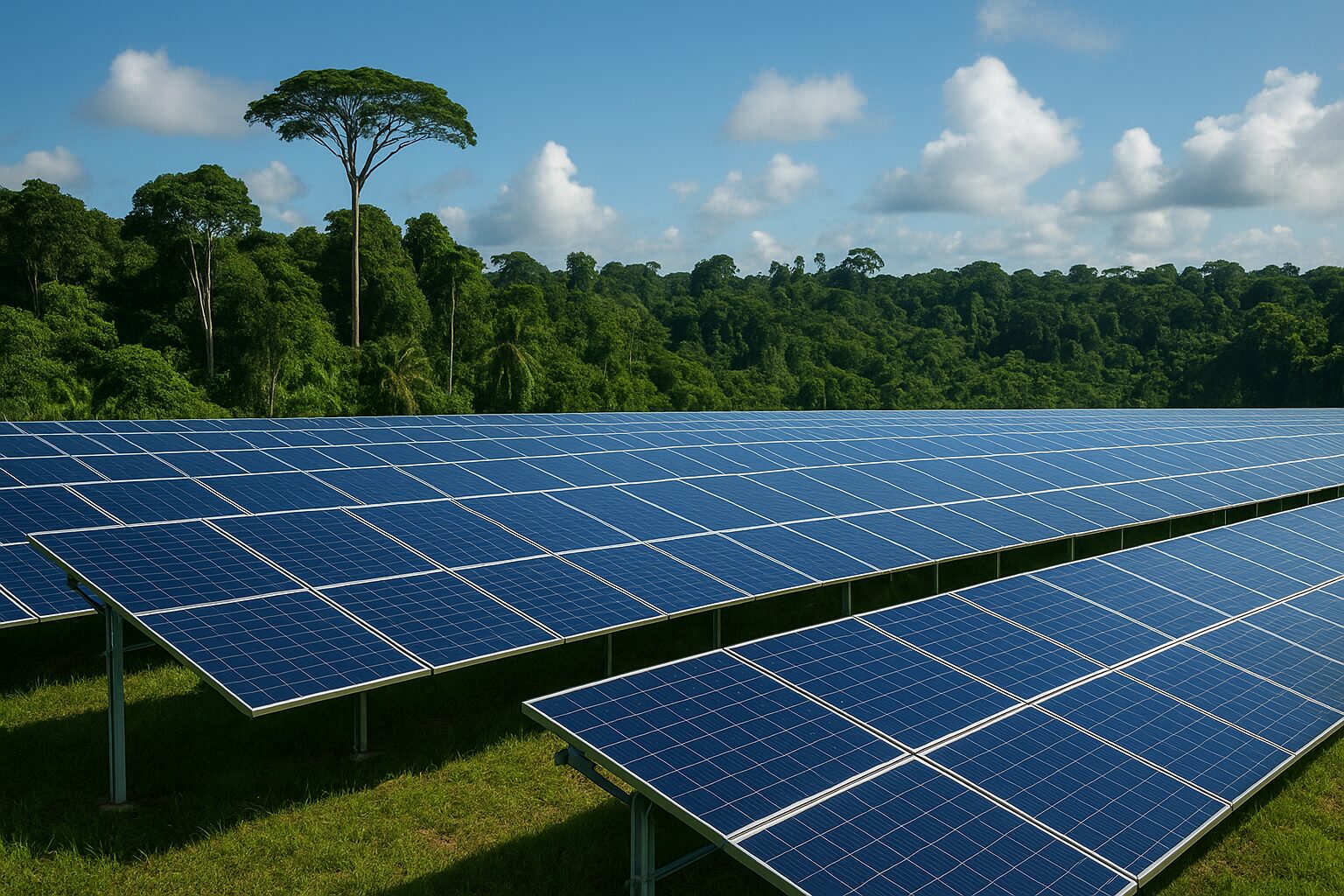
With a 528% Increase in Just Three Years, Solar Energy Gains Strength in Amazonas and Transforms the State’s Interior with New Investments, Jobs, and Sustainable Solutions
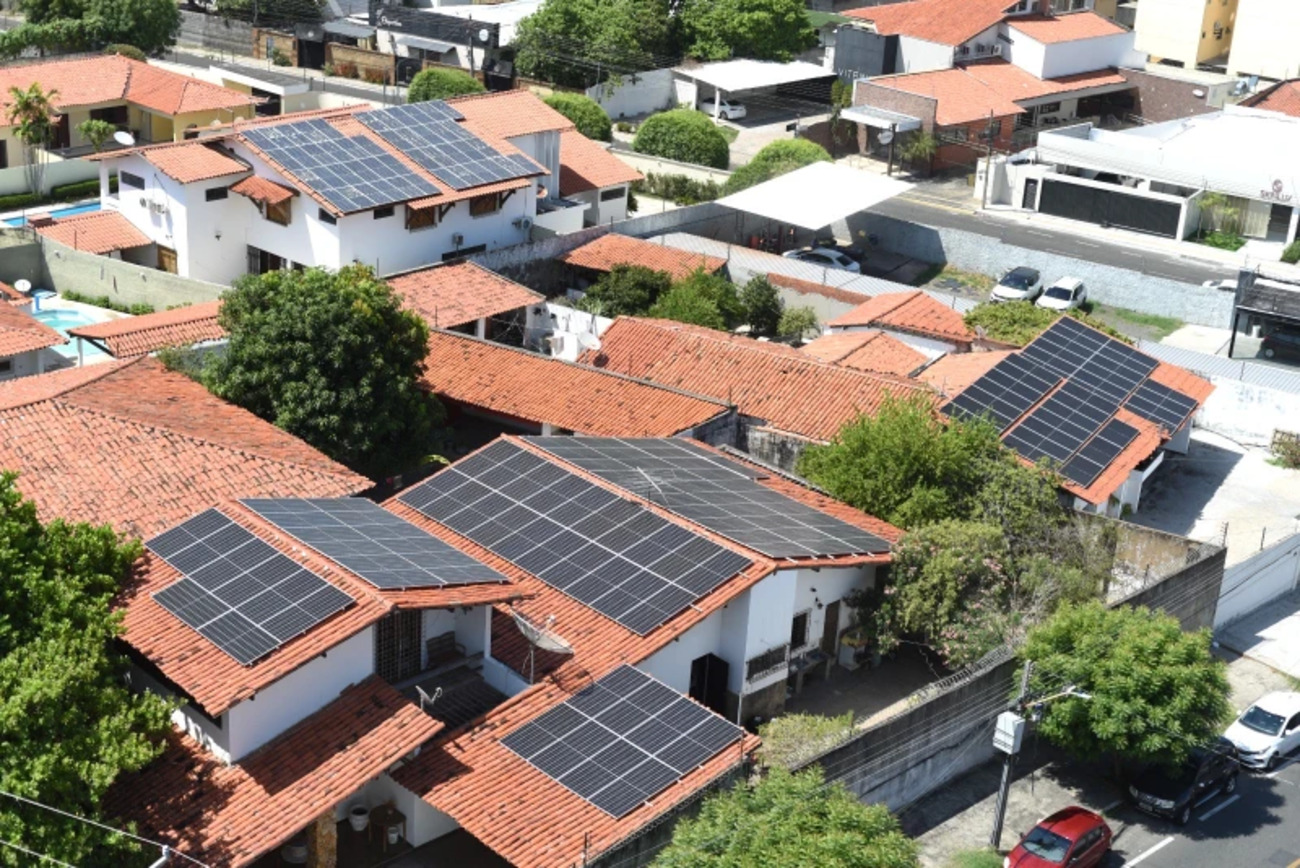
Solar energy is changing the energy landscape of Amazonas. Between 2021 and 2024, the state recorded an impressive growth of 528% in the installation of photovoltaic systems. The data comes from the National Electric Energy Agency (Aneel), which reports an increase from 36.8 megawatts in 2021 to 231 megawatts in 2024. Homes, businesses, and rural properties have increasingly adopted this alternative.
Currently, Amazonas has 10,024 installed solar plants. The expectation for 2025 is that Brazil will invest R$ 39 billion in the sector, with around R$ 200 million applied solely in the interior of Amazonas.
In Manaus, the sector has also heated up the job market. The number of companies operating in the installation of these systems has more than doubled in the last two years. According to the Econodata platform, today there are 93 active companies in the state.
-
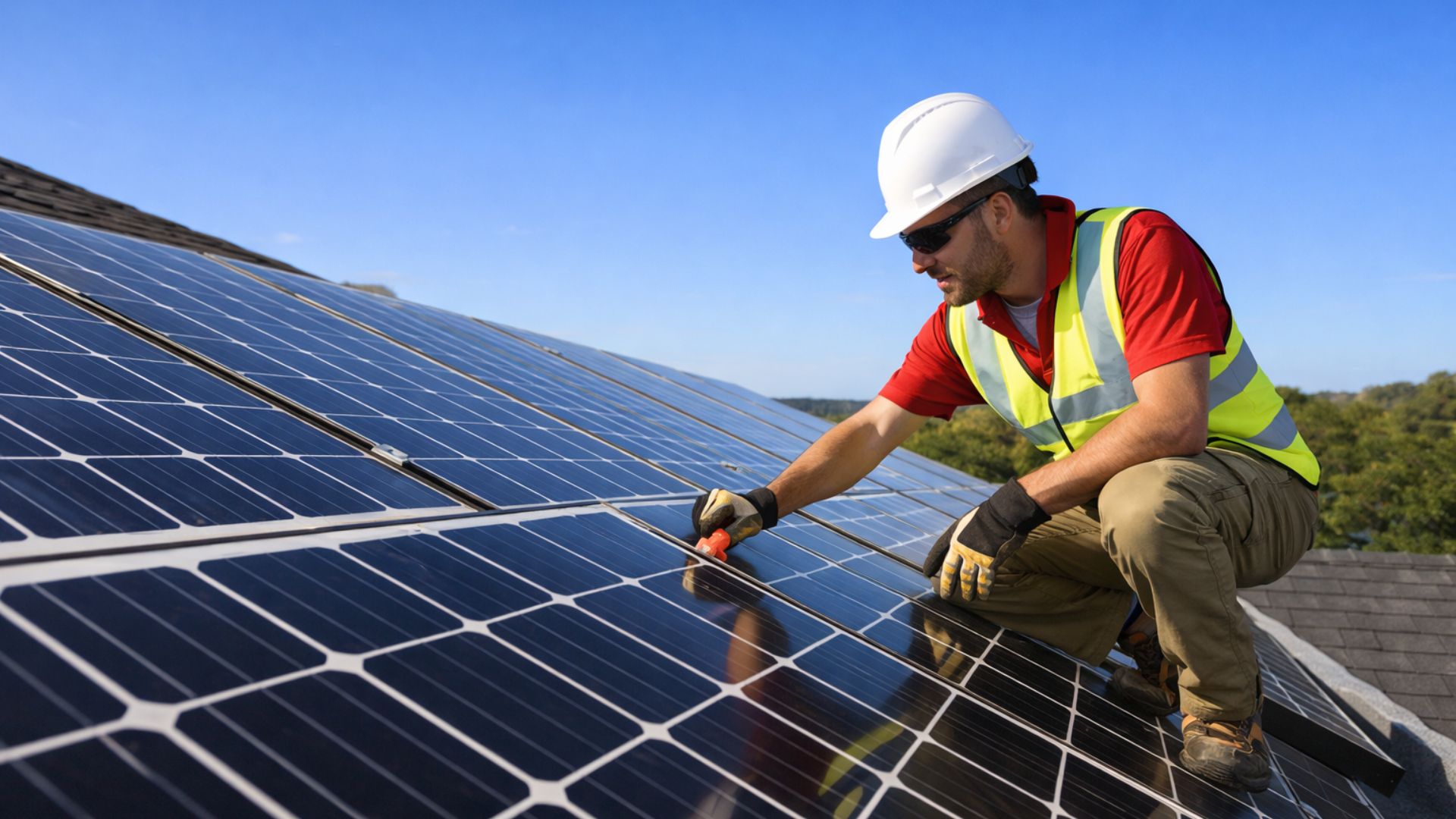
Seagri’s headquarters invests in solar energy with Neoenergia Coelba and promises to cut electricity costs, highlighting a strategic advance in sustainability and energy efficiency within state public administration.
-
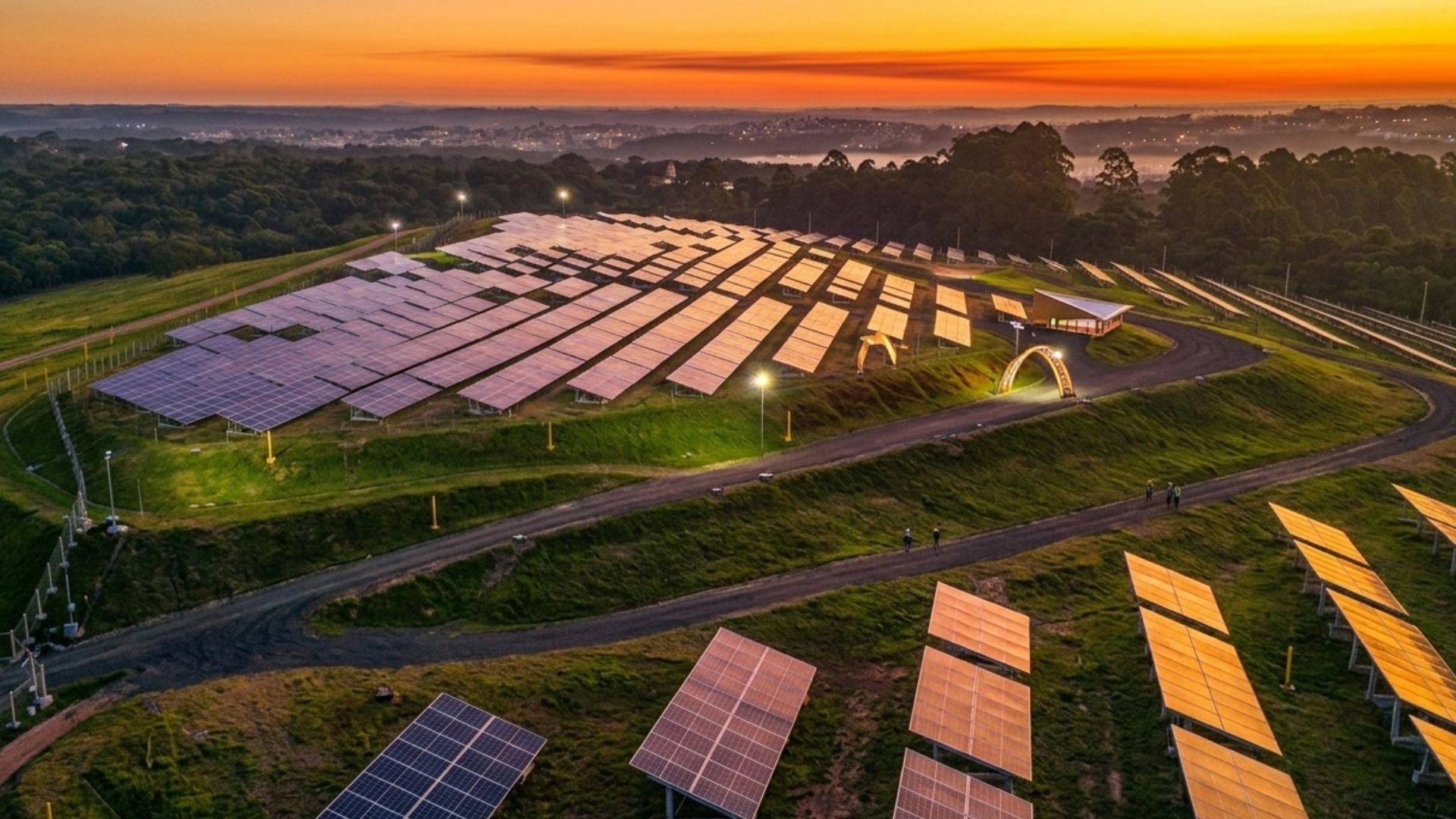
Solar Pyramid draws attention by converting solar energy into million-dollar savings and repositioning the City Hall of Curitiba as an example of innovation, sustainability, and intelligent use of public resources.
-
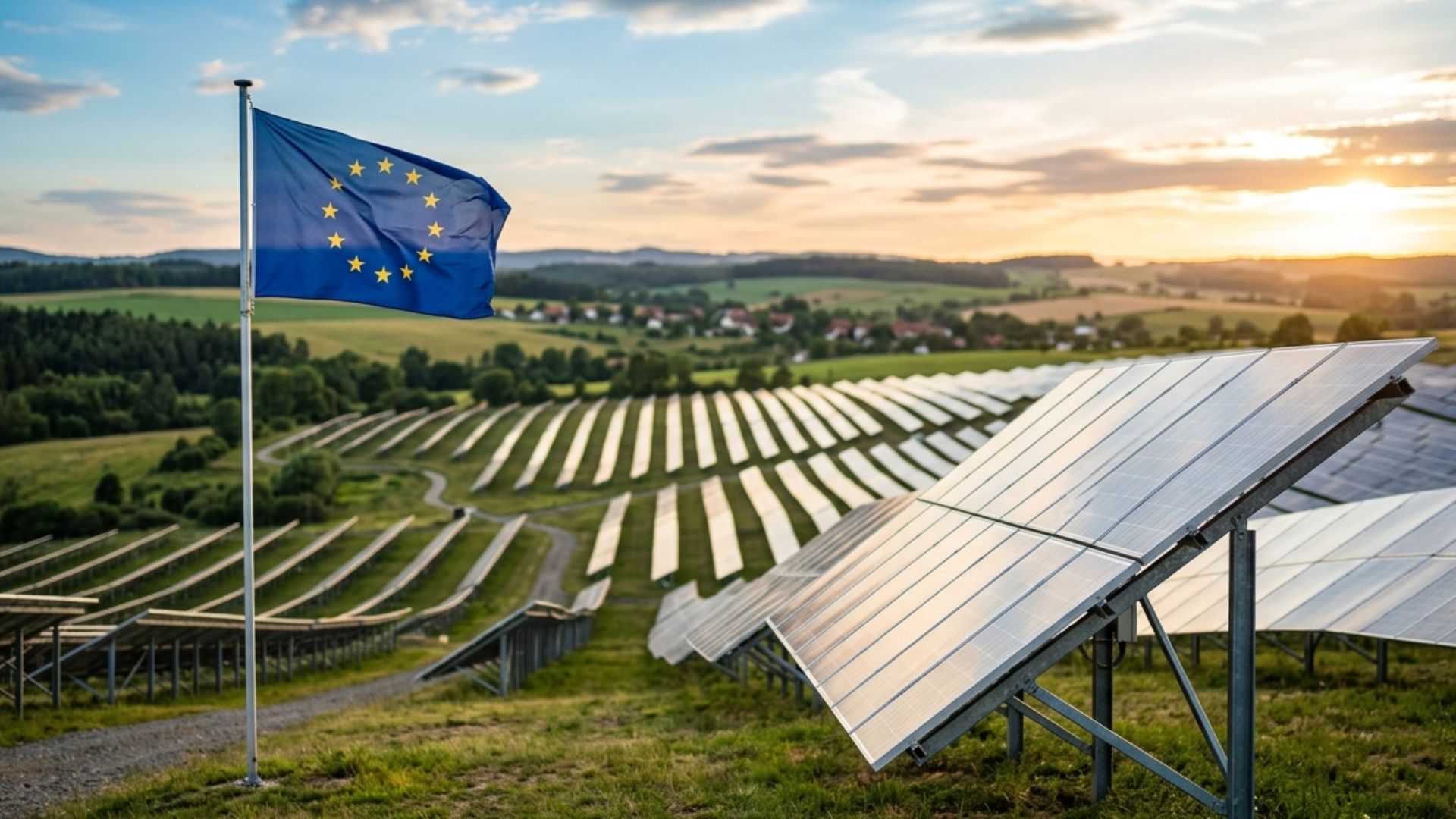
Europe records strong euro economy with solar energy in March and sparks curiosity about which country leads growth that redefines the energy market and reduces costs.
-
Piauí reaches a historic milestone in energy transition: State records nearly 160,000 households powered by solar energy and leads growth in the Northeast.

Interior Municipalities Keep Up with the Expansion
The expansion is not limited to the capital. Municipalities such as Itacoatiara, Manacapuru, and Parintins have also been keeping up with this progress. Businessman Gustavo Lucena, for example, founded Gimper Engenharia in June 2022 and saw demand grow rapidly.
With the growing demand, Lucena decided to expand operations and acquired a franchise specialized in system maintenance. “Gimper Engenharia began its activities with the purpose of meeting a growing need in the solar energy market, especially in Northern Brazil. We observed a significant lack of qualified professionals and companies that offered complete and quality solutions in this sector,” he explained.
According to him, the location of the company was strategic due to the abundance of natural resources and the economic and sustainable potential of the region. “Solar energy has solidified as one of the main energy alternatives in Brazil, and Amazonas has followed this movement very positively,” he stated.
Reasons That Explain the Growth
Lucena points out that the main factors explaining the growth of the sector are increased environmental awareness, tax incentives such as the ICMS exemption, and rising traditional electricity tariffs.
In addition, the drop in equipment prices and technological advancements have boosted consumer confidence.
“Sustainability has ceased to be a trend and has become a necessity, and we are prepared to lead this transition,” he declared.
Experiences of Those Who Adopted Solar Energy
Advertiser Dany Lima is an example of the change in consumption. A resident of Manaus, she installed solar panels at home to reduce her electricity bill.
“The main motivation was the intense heat here. We use a lot of air conditioning and fans, so the bill was always high. With so much sun all year round, it made a lot of sense to invest in solar energy,” she said. She also emphasized that the system has low maintenance needs.
Civil engineer Matheus Arruda also invested in solar energy. He implemented the system in his construction company and says that, in addition to sustainability, cost savings are a major benefit. According to Arruda, the results were quick.
Solar Energy: Brazil Projects National Leap in 2025
At the national level, the solar energy sector is preparing for a leap in 2025. The expectation is that installed capacity will increase by more than 25%, reaching around 64.7 gigawatts (GW).
According to the Brazilian Association of Photovoltaic Solar Energy (Absolar), more than 13.2 GW of new capacity will be added. This represents an investment of R$ 39.4 billion and the creation of approximately 396,500 jobs in various regions.
Legal and Technological Initiatives Drive the Sector
The advancement is supported by public policies such as Law 14.300 and Regulatory Resolution 1000 from Aneel. Both encourage distributed generation and facilitate the adoption of solar systems by residences, companies, and rural properties.
The trend is also driven by the growth of the Free Energy Market, which allows greater consumption control.
Brazil has been establishing itself as a global leader in the sector, favored by its wealth of natural resources and the decline in equipment costs. The integration of technologies such as battery storage promises to bring more efficiency and flexibility to energy management.
Challenges Remain, but the Future is Promising
Despite the promising scenario, there are still challenges. Modernizing the electrical infrastructure is necessary to meet the expansion of distributed generation. Another obstacle is the rise in Import Tax on photovoltaic modules, which could increase project costs.
Even with these hurdles, the outlook is positive. Solar energy is on track to become one of the main foundations of the country’s energy future.
With information from A Crítica.








Seja o primeiro a reagir!