





 Portuguese
  English
  Spanish
 3 min of reading
  0 comments


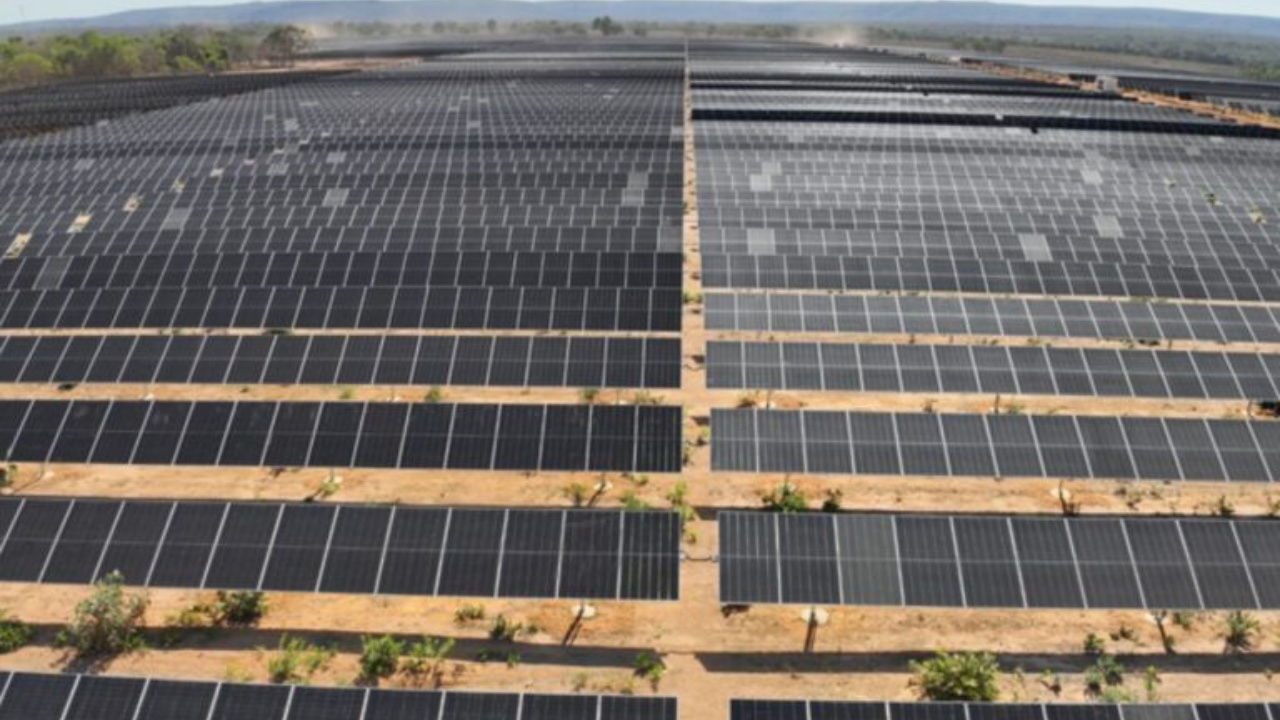
Solar Power Complex in Northern Minas Receives Authorization from Aneel, Totaling 80 MW of Installed Capacity and Begins Commercial Operations in the Free Market.
Solar energy has gained prominence again in the Brazilian electrical sector with the authorization for commercial operation of one of the largest photovoltaic projects in Northern Minas. The Grande Sertão GSII Photovoltaic Complex, located in the municipality of Várzea da Palma, has received the green light from the National Electric Energy Agency (Aneel) and will start supplying electricity immediately.
The project comprises three solar plants and represents an investment of R$ 388 million. Together, the units total 80 megawatts (MW) of installed capacity, reinforcing the region’s role as a strategic hub for solar generation in the country.
Aneel Approval Marks Final Stage of the Project
The authorization granted by Aneel was published in the Official Gazette on Friday, the 26th. Therefore, the complex concludes the last regulatory phase needed to begin full commercial operations.
-
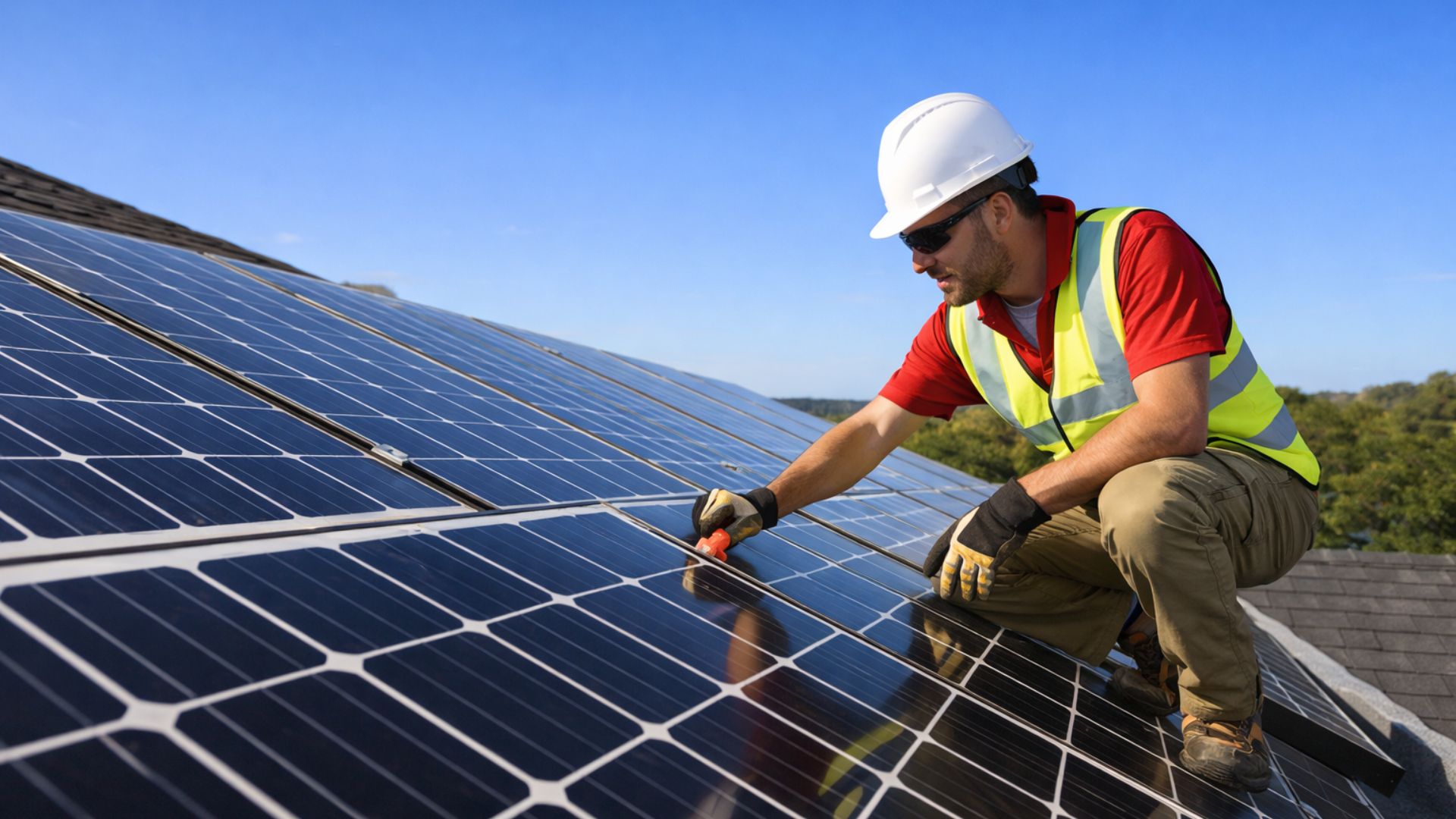
Seagri’s headquarters invests in solar energy with Neoenergia Coelba and promises to cut electricity costs, highlighting a strategic advance in sustainability and energy efficiency within state public administration.
-
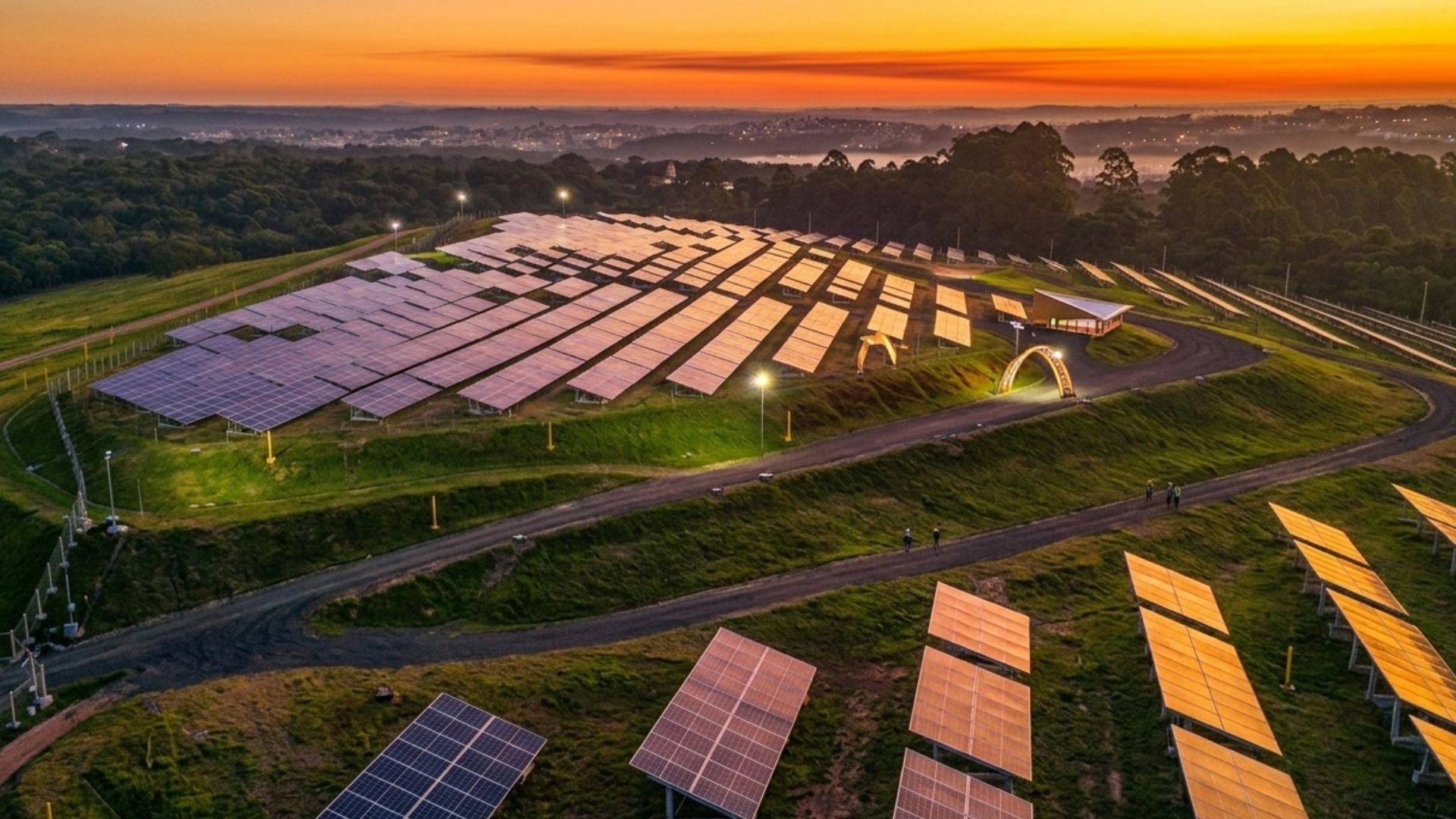
Solar Pyramid draws attention by converting solar energy into million-dollar savings and repositioning the City Hall of Curitiba as an example of innovation, sustainability, and intelligent use of public resources.
-
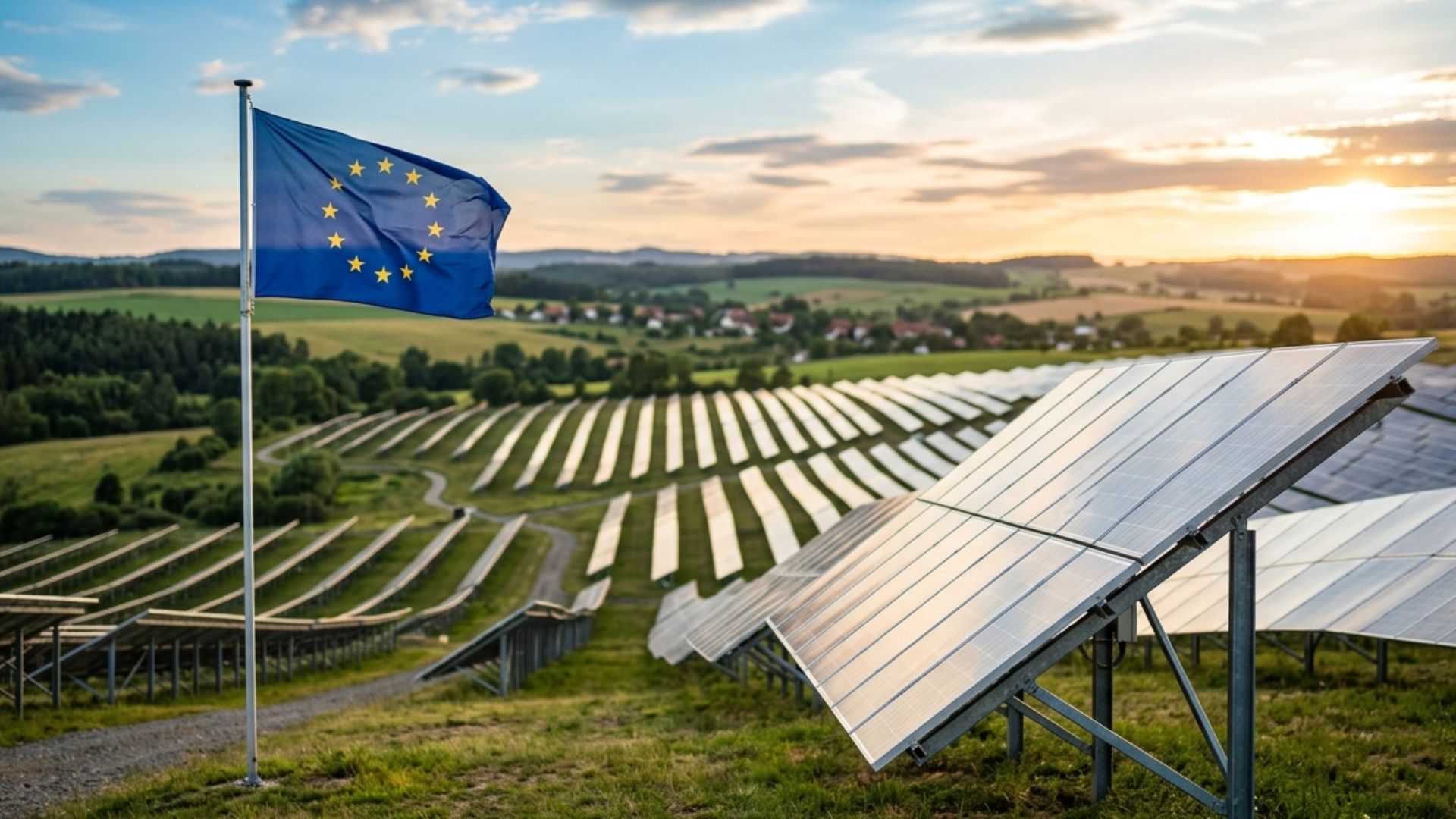
Europe records strong euro economy with solar energy in March and sparks curiosity about which country leads growth that redefines the energy market and reduces costs.
-
Piauí reaches a historic milestone in energy transition: State records nearly 160,000 households powered by solar energy and leads growth in the Northeast.

Before the final approval, the GSII Solar 1, GSII Solar 2, and GSII Solar 3 plants underwent a testing period, which began on December 5th. During this stage, the performance of the equipment, protection systems, and energy measurement mechanisms were evaluated.
The commercial release indicates that all structures comply with technical requirements, safety standards, and current legislation in the electrical sector.
Structure of the Plants Reinforces the Complex’s Capacity
In terms of infrastructure, the complex features a diverse configuration. The first two plants each have 90 generating modules, reaching 25 MW of power per unit. The third plant has 116 modules, with a maximum injection power of 30 MW into the system.
This combination ensures operational flexibility and greater efficiency in delivering the solar energy produced. The set reinforces the trend of large-scale projects aimed at centralized generation.
Production Will Be Supplied to the Free Energy Market
All the energy generated by the Grande Sertão GSII Photovoltaic Complex will be sold in the Free Contracting Environment (ACL). In this model, generators and large consumers negotiate contracts directly, without intermediaries from traditional distributors.
The free market has been gaining ground in Brazil, especially among companies seeking cost predictability and access to renewable sources. The entry of new solar energy projects increases supply and enhances competitiveness in this segment.
Jobs and Regional Impact During Implementation
Besides the energy contribution, the project also had a significant impact on the local economy. During the implementation phase, around 3,600 direct and indirect jobs were generated in the Várzea da Palma region.
The mobilization involved local labor, specialized services, logistics, and supply of inputs, strengthening the regional production chain associated with solar energy.
Environmental Licensing Ensures Compliance
The complex also holds the Operating License issued by the State Secretary for the Environment and Sustainable Development of Minas Gerais (Semad). This document ensures that the project meets the environmental requirements necessary for energy activities in the state.
The licensing, combined with federal authorization, reinforces the legal security of the project and enables its definitive integration into the national electrical system.
Solar Energy Establishes Prominence in the Electrical Sector
With the operation of the GSII complex, solar energy expands its presence in the Brazilian energy mix. Projects of this scale demonstrate the maturity of the sector and the ability to attract robust investments, while also meeting the growing demand for clean electricity in the free market.
The advancement of the project in Northern Minas confirms the region as a strategic area for photovoltaic expansion, boosting generation, jobs, and new businesses tied to the energy transition in the country.








-

Uma pessoa reagiu a isso.