





 Português
  Inglês
  Espanhol
  3 min de leitura


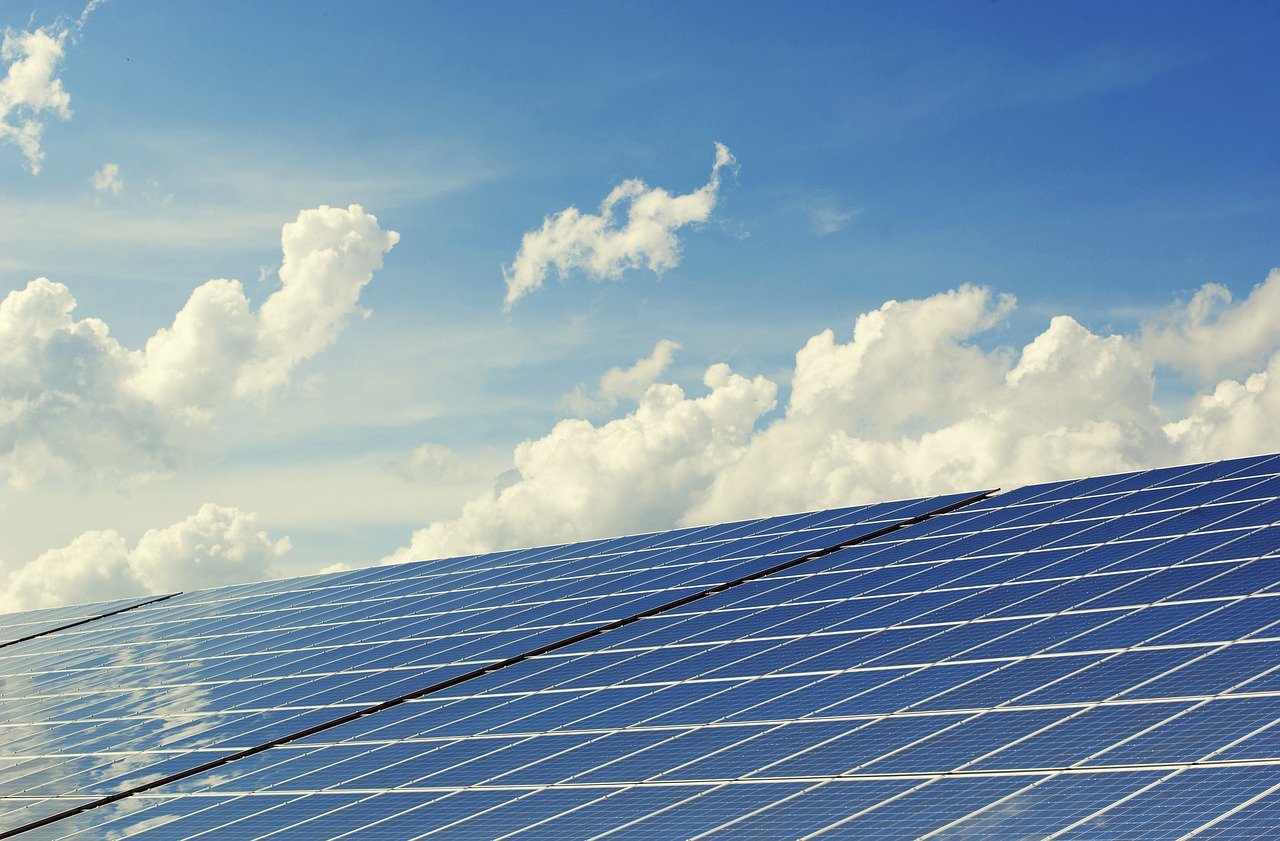
Even Though Its Capacity Has Doubled Worldwide in Recent Years, Solar Energy Is Still Fifth in the Energy Matrix of Brazil
Solar energy has become, this May, the second most used energy source worldwide, only losing to hydropower.
The achievement of the solar sector is due to accelerated growth: over the last three years, the global solar energy capacity has doubled, according to the report “Global Market Outlook for Solar Power 2022-2026”, produced by SolarPower Europe – the European association for the solar sector.
Now, the pace is expected to remain rapid. The installed solar energy capacity has reached the milestone of one terawatt, and it is forecasted that this number will double again in the next four years. Thus, the new level would be equivalent to more than the combined consumption of Germany and France, two of the largest economies in Europe.
-
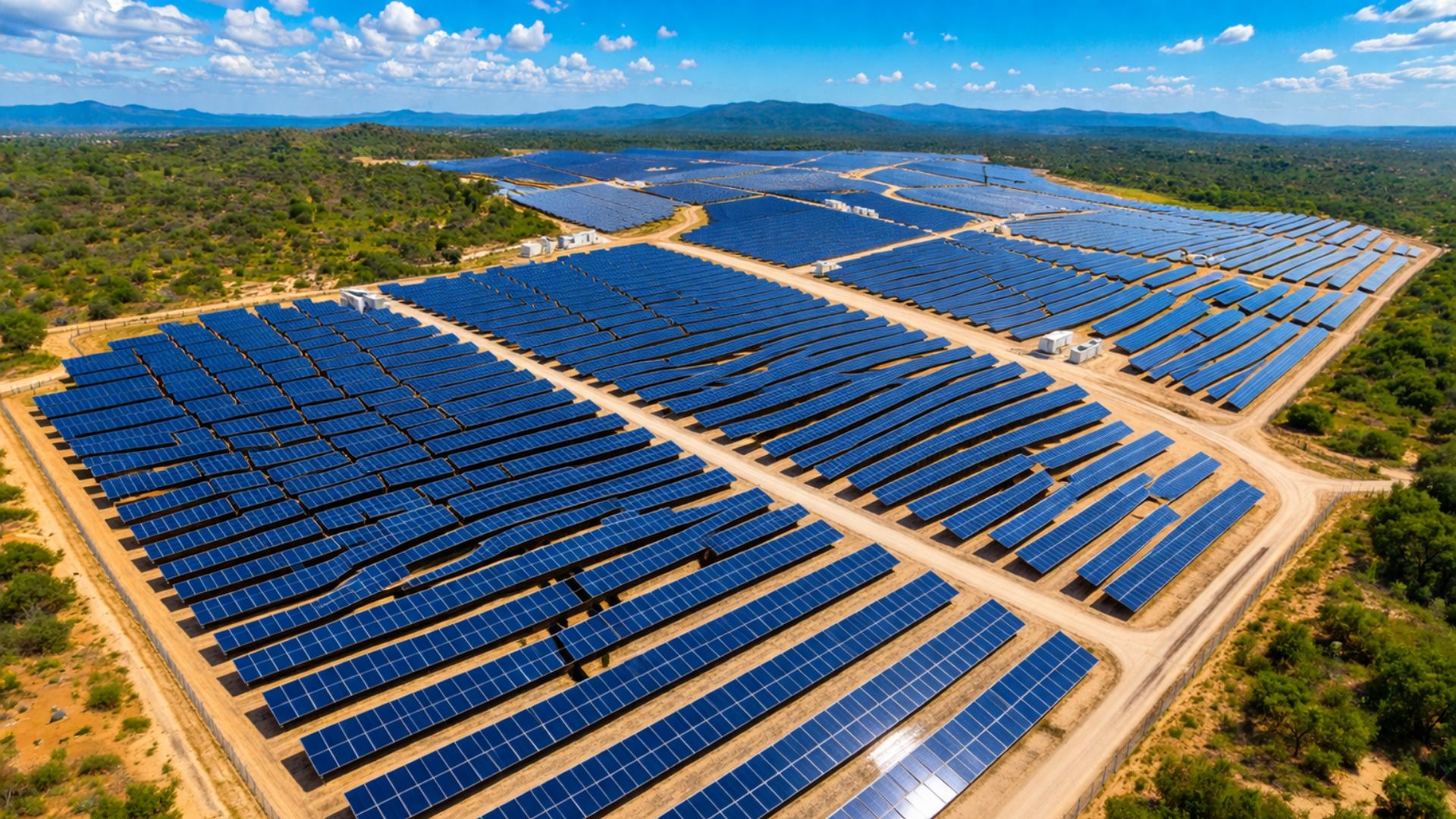
The Sol do Agreste Photovoltaic Complex begins operations in Pernambuco and accelerates the expansion of solar energy in Brazil, directly impacting the reduction of emissions and strengthening the sustainable energy matrix.
-
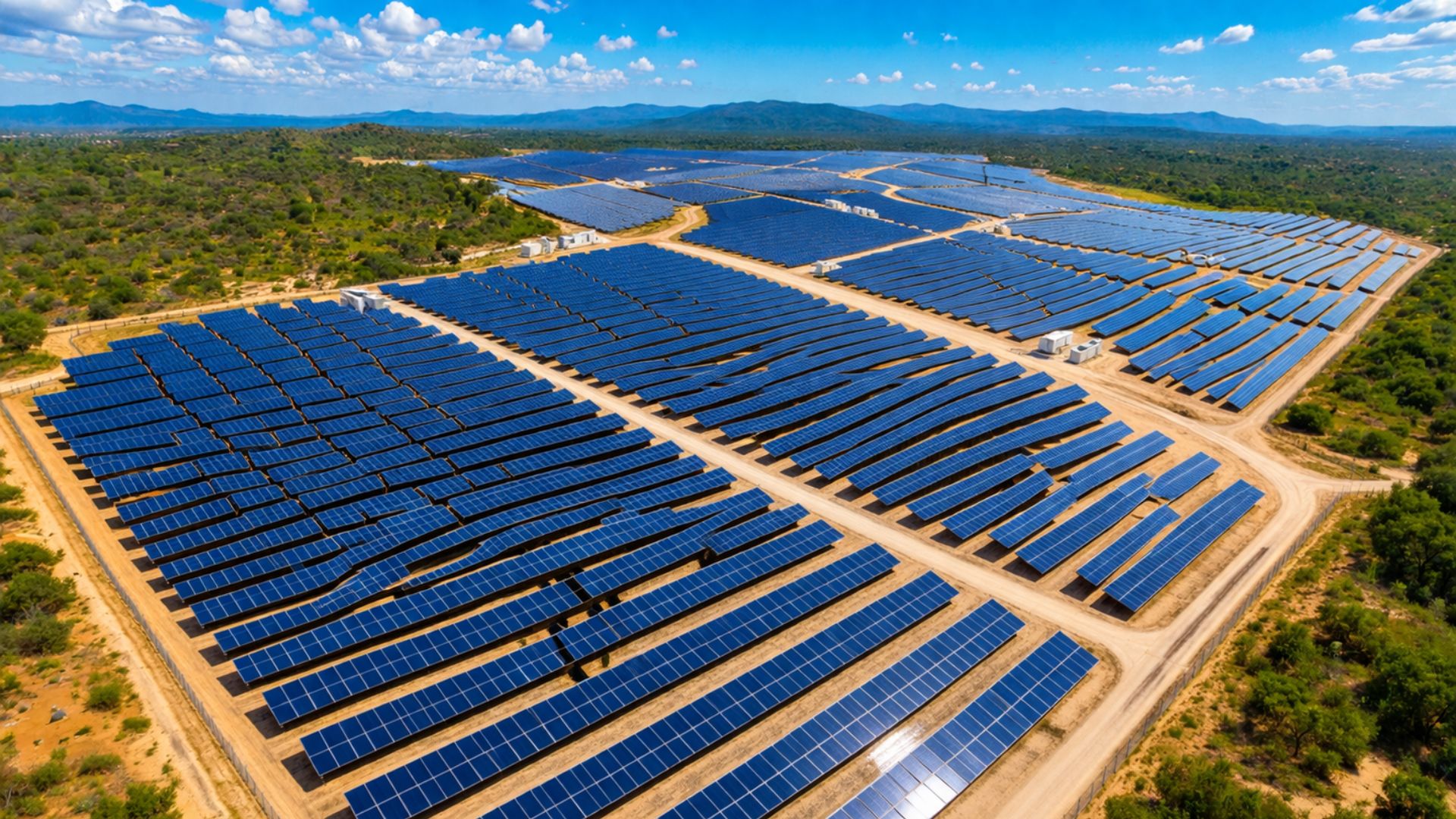
The Sol do Agreste Photovoltaic Complex begins operations in Pernambuco and accelerates the expansion of solar energy in Brazil, directly impacting the reduction of emissions and strengthening the sustainable energy matrix.
-
Renewable energy advances over protected areas in Brazil, and a survey by the Energy Transition Observatory reveals silent impacts that challenge environmental conservation and pressure sensitive traditional territories.

-
Rio Grande do Sul accelerates energy transition: State invests in renewable technologies and consolidates decarbonization strategies and pathways to attract billions in new industrial investments.


In Brazil, on the other hand, the landscape is different, as despite continuing to grow rapidly, solar energy is only the fifth in the energy matrix and third among the renewable sources, having only a 2.8% share, according to data from the National Electric System Operator (ONS).
Ronaldo Koloszuk Advocates for the Spread of Solar Energy in Brazil and Accuses Aneel of Not Prioritizing It in Its Auctions
In this context, Ronaldo Koloszuk – chairman of the board of Absolar – highlights that solar energy has the advantage of being the cheapest compared to other sources and can be implemented more quickly than the others. However, in his analysis, what is lacking for Brazil to make greater progress in this energy segment is that it be favored in the electricity auctions held by Aneel.
According to Koloszuk, solar energy has a cost 10 times lower than thermal sources and has been growing exponentially. He declares that, in a short time, the solar sector will surpass biomass, and within less than five years, solar energy will occupy the second position in Brazil’s energy matrix. Furthermore, the chairman of the board of Absolar added that, according to Bloomberg projections, in 20 years, solar energy will be the primary source of the country’s matrix, as it is the fastest-growing energy source in the world.
Brazil Reaches One Million Installed Systems for Self-Produced Solar Energy on Roofs and Small Lots
The presented data, however, does not consider the self-produced solar energy on roofs and small lots distributed throughout Brazil. In May, the milestone of one million installed systems was reached, according to a survey conducted by the Brazilian Association of Photovoltaic Solar Energy (Absolar) in association with the National Electricity Agency (Aneel).
Koloszuk believes that the first million installed systems should be celebrated, but he thinks the number is still modest given the dimensions of the energy sector in Brazil, which is the 13th largest solar producer in the world, in a ranking led by China.
The chairman of the board of Absolar states that it is very common for a system to be installed in one or two days on rooftops, although distributors often take three to four months to connect them to the grids, which represents a widespread problem. He believes it is essential for Aneel to take action and enforce the law so that these systems can soon generate clean energy and all parties involved can benefit.









Seja o primeiro a reagir!