Portuguese
  Spanish


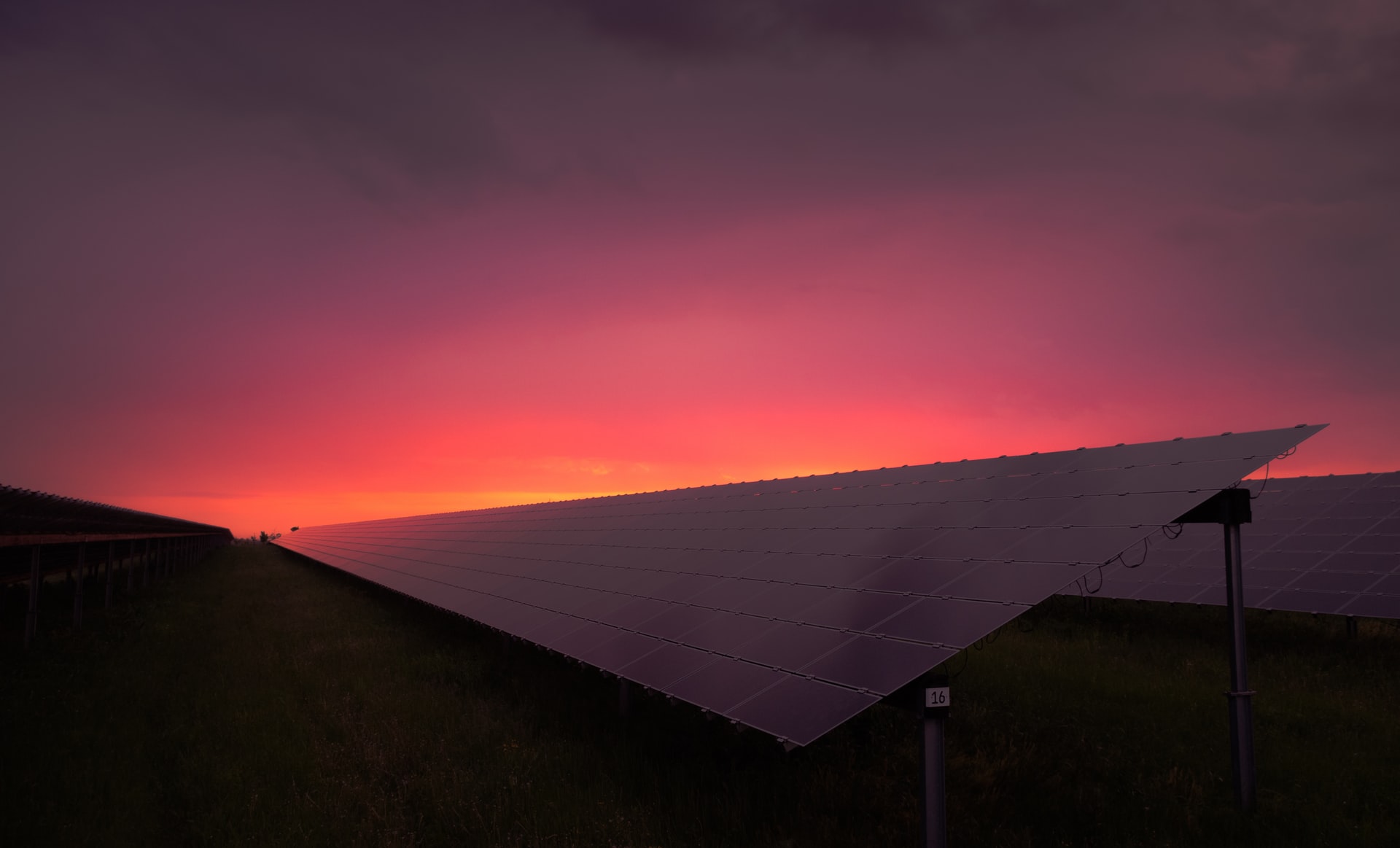

Brazil May Have 54 GW Solar By 2026, According to International Study
The study Global Market Outlook For Solar Power 2022-2026, a global report by Solar Power Europe released this month in Munich, Germany, shows that solar power has just surpassed the historic mark of 1 TW of installed capacity.
According to the research, Brazil, a leader in implementing the source in Latin America, is set to become one of the major global markets in the coming years, with the potential to reach 54 GW of total capacity by 2026. Currently, there are 15.3 GW available in the national generation matrix.
The report indicates that despite the unprecedented impacts caused by the pandemic worldwide, solar capacity has doubled over the past three years. As a result, in April, the sector surpassed the milestone of 1 TW of solar systems operating globally.
-
Fired during apartheid and with a little borrowed money, an electrician started with a borrowed truck and transformed electrical services into a group connected to energy, real estate, and infrastructure in South Africa.

-
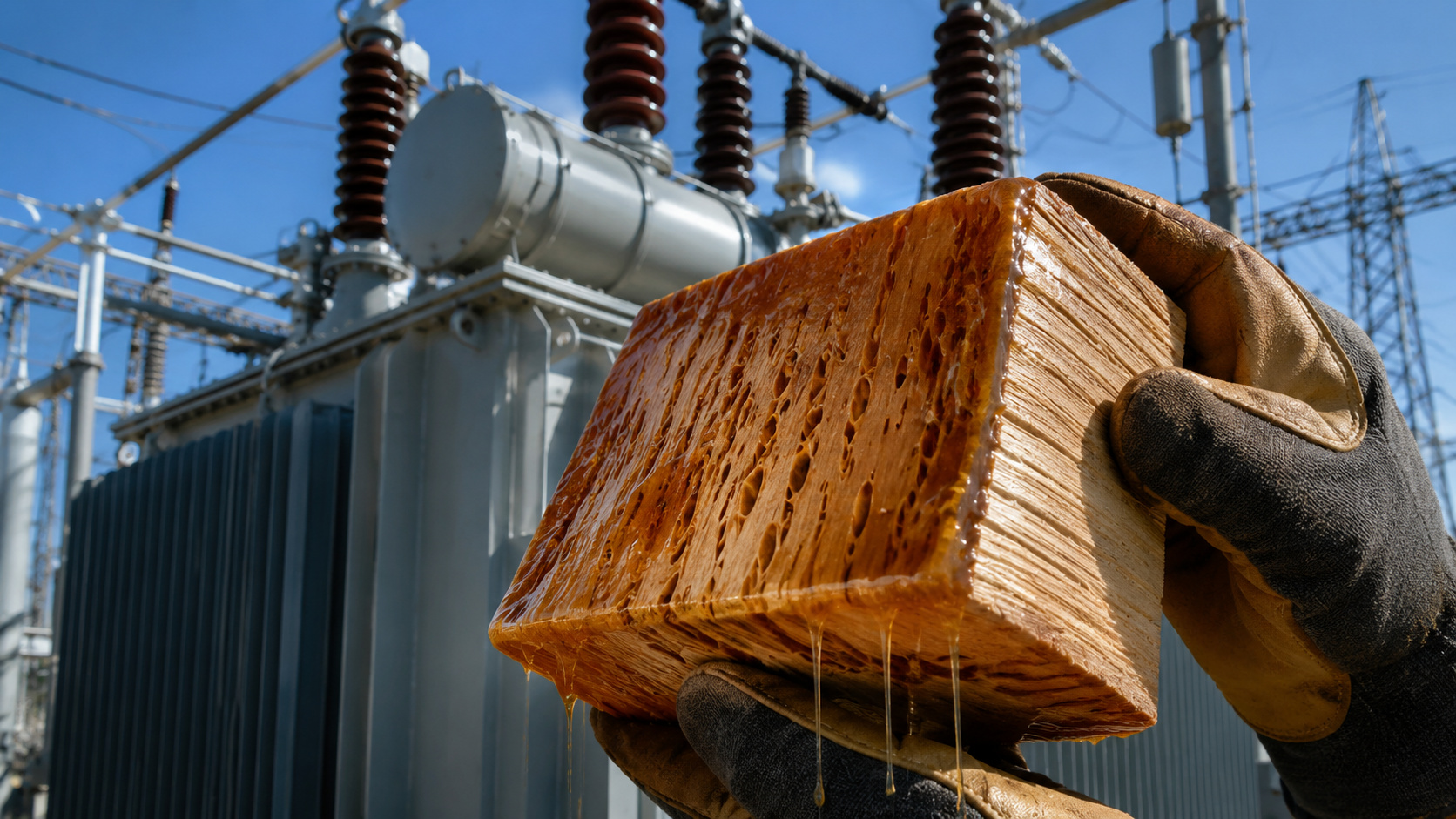
Wood has ceased to be just a construction material in Yale research and has become insulation for electrical transformers that face intense heat, aging, and increasing pressure from the renewable energy-powered grid.
-
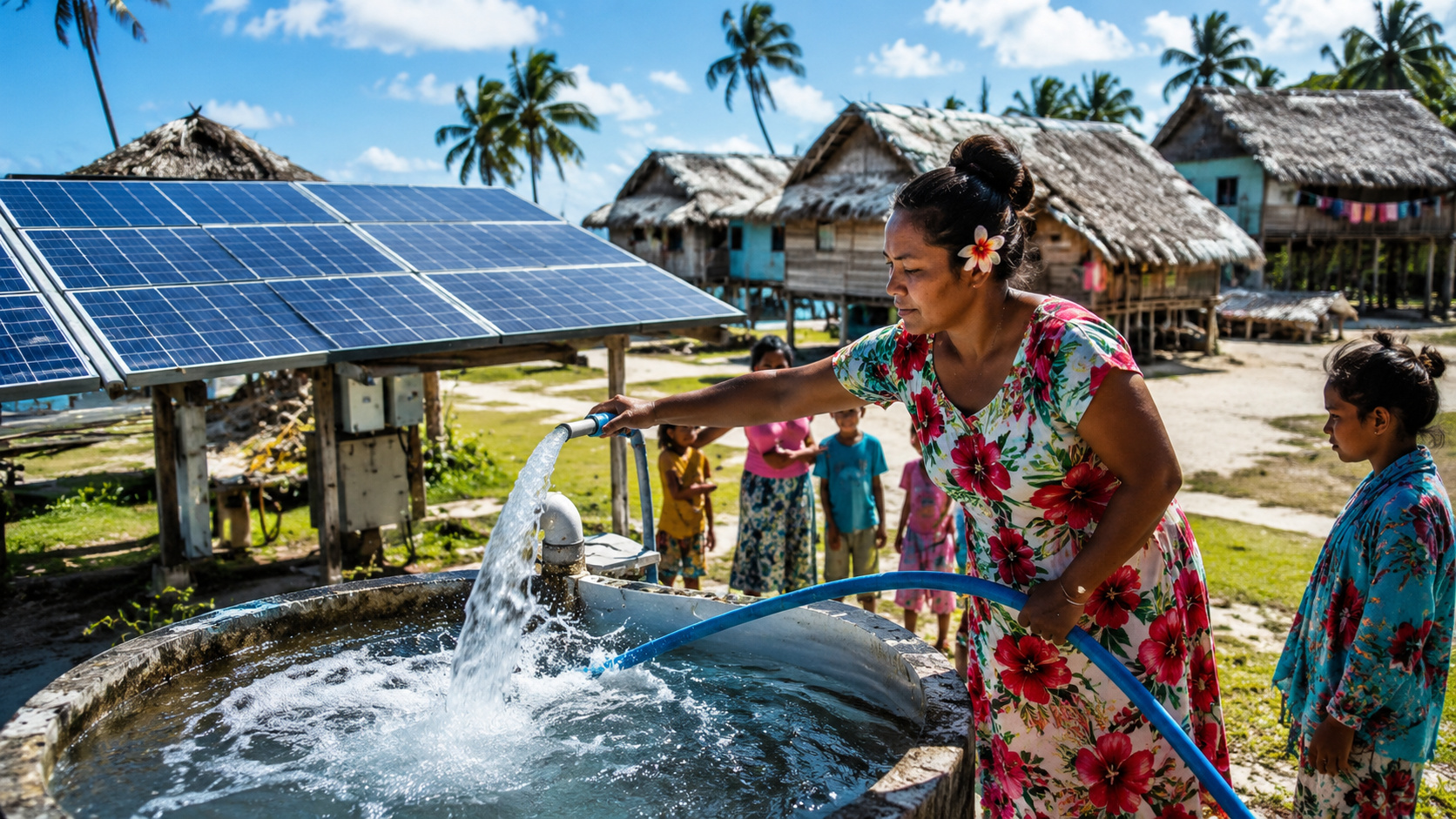
More than 1,000 residents of a remote island in Kiribati now have clean water and electricity with solar systems operated by the community itself.
-
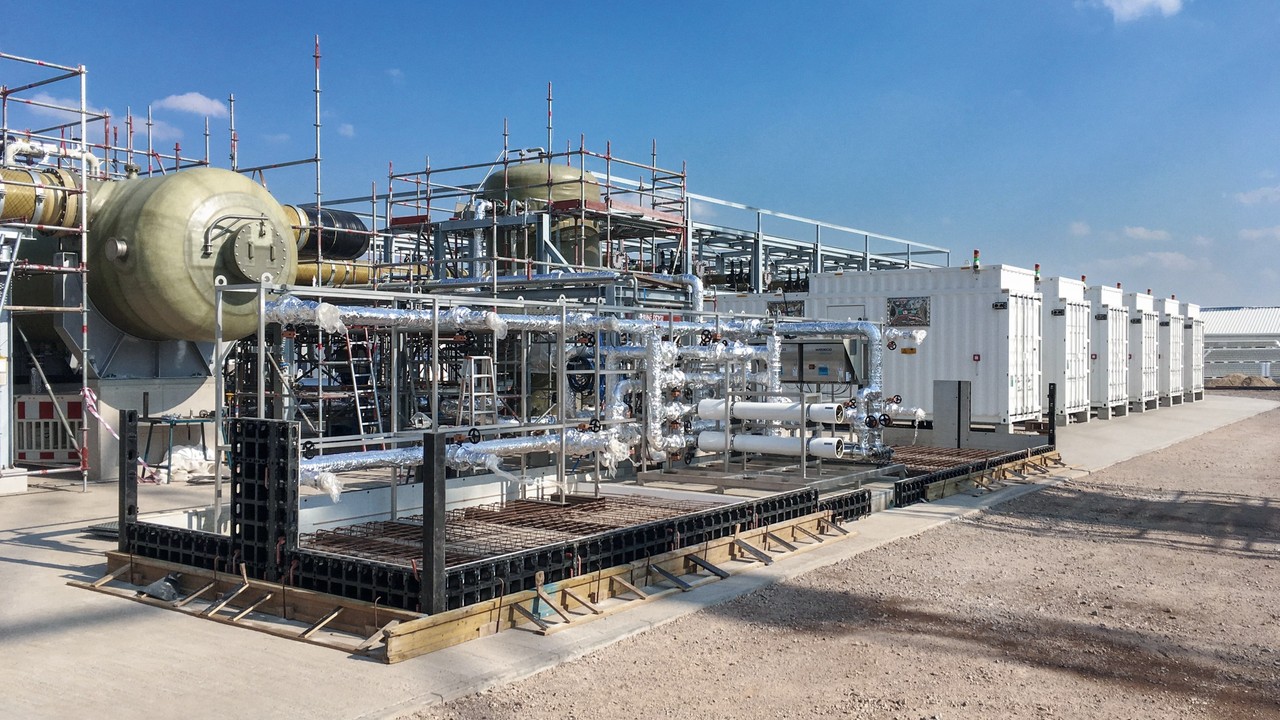
Ceará brings together 7 giants and R$ 66 billion to transform Pecém into the largest green hydrogen hub in Brazil, with final decisions expected by the end of 2026.


The projection is that the technology will continue to accelerate its growth, surpassing the 2 TW mark in less than four years, which will represent double the electricity generation capacity of France and Germany combined.
The survey was coordinated by SolarPower Europe, a European association of the solar sector, with participation and co-authorship from the Brazilian Solar Photovoltaic Association (Absolar). The entity was responsible for two chapters of the document: one presenting the landscape and prospects of the source in Latin America and another specifically dedicated to the market in Brazil.
Advantages of Solar Energy
“Understanding the advantages of solar energy concerning both the economy and sustainability and respect for the environment is crucial for society. This is the energy source that creates the most jobs worldwide, in addition to being one of the most strategic energy sources to accelerate the sustainable development of our country,” highlights the CEO of Elétron Energy, André Cavalcanti. The company, based in Pernambuco and with branches in several Brazilian capitals, plans to invest R$ 1.6 billion in new solar generation parks in the coming years.
The company is located in the most promising region of Brazil for photovoltaic energy. The Federal Government, through the Ministry of Mines and Energy (MME) and the Energy Planning and Development Secretariat (SPE), released a technical report at the end of February demonstrating the advancement of wind and solar sources in the Northeast of the country.
According to the report, wind and solar energy accounted for 45.5% of the generation matrix in 2020 and, for the first time, transformed the region from an importer to a net exporter of electric energy. The new configuration of generation in Brazil changed the exchanges between states and regions, providing greater diversity of supply solutions.
Large-scale solar plants are the sixth largest source of energy generation in Brazil and their generation is up to ten times cheaper than electric sources, especially considering the constant tariff increases. Together, wind and solar energies are the lowest-cost sources of electricity, compared to electricity production from other resources.
Source: Eletron Energy