





 Portuguese
  English
  Spanish
  3 min of reading
  0 comments


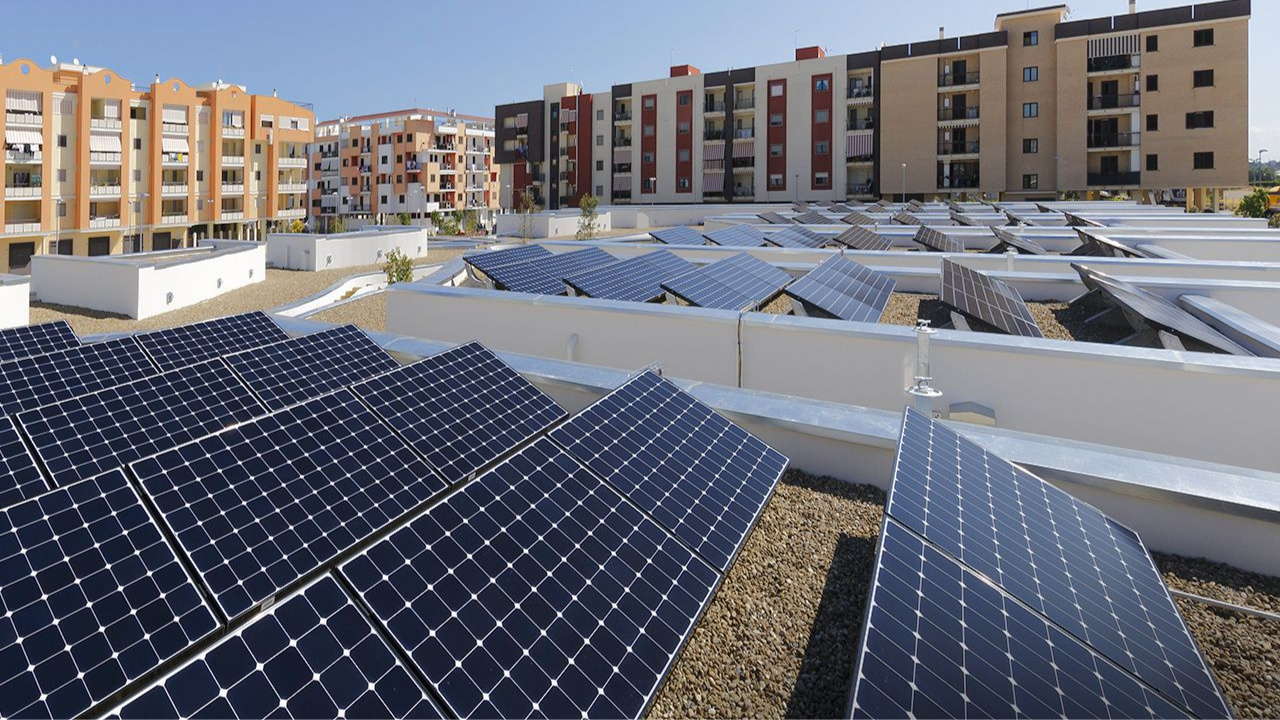
Solar Energy In Condominiums Promises Savings Of Up To 95% On Electricity Bills, But Also Raises Questions, Conflicts, And Challenges For Managers And Residents.
The search for alternatives to reduce expenses has never been so urgent. In times of ever-increasing electricity bills, many condominiums are looking up, literally, for a solution. Solar energy has ceased to be a luxury and has come to be seen as a real way to ease the monthly budget. Still, not everyone agrees with this change.
While some see savings and sustainability, others see headaches, risks, and internal disputes.
At the same time, buildings concentrate hundreds, sometimes thousands, of people, using elevators, automatic gates, water pumps, lighting, and security systems.
-
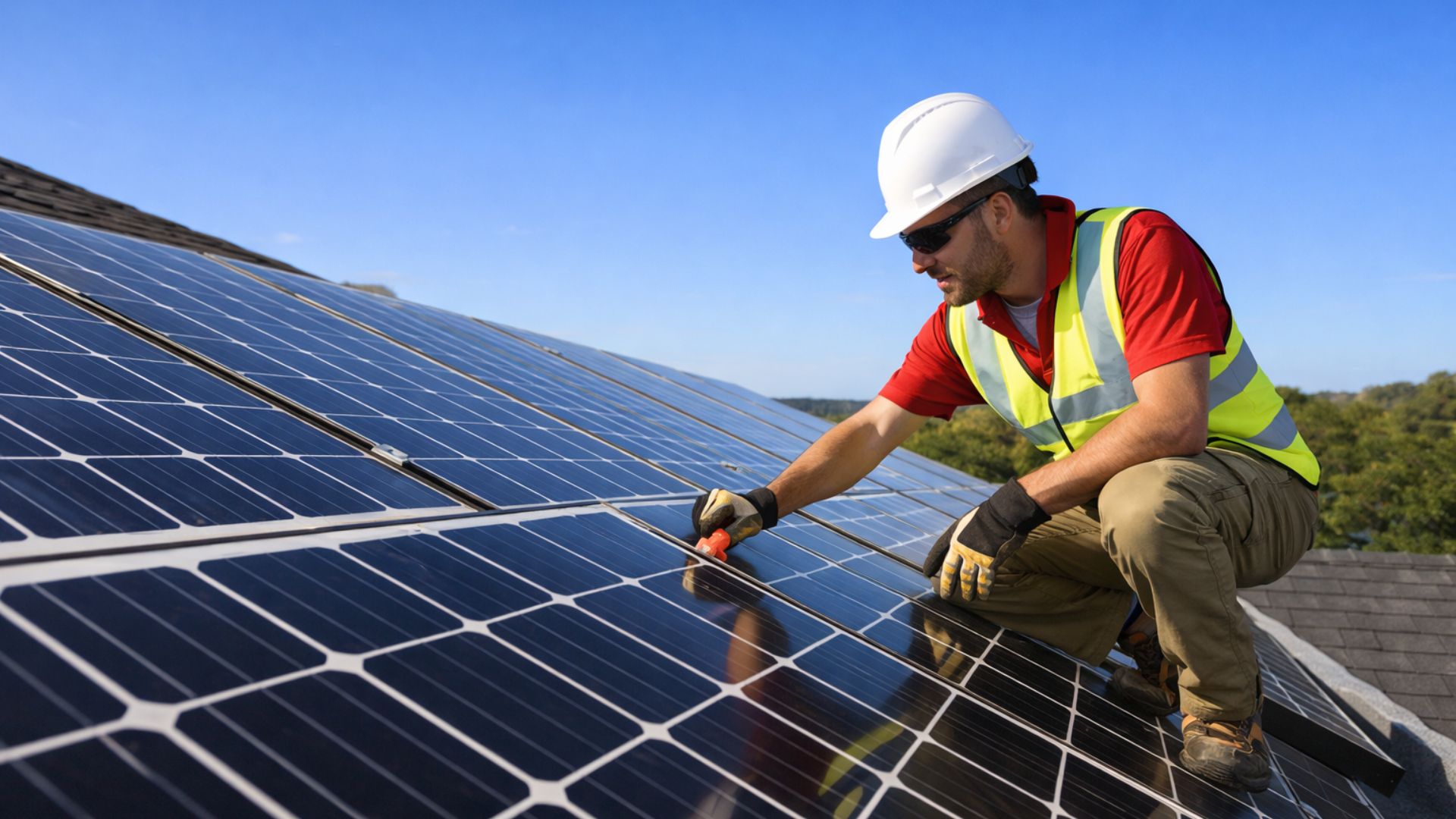
Seagri’s headquarters invests in solar energy with Neoenergia Coelba and promises to cut electricity costs, highlighting a strategic advance in sustainability and energy efficiency within state public administration.
-
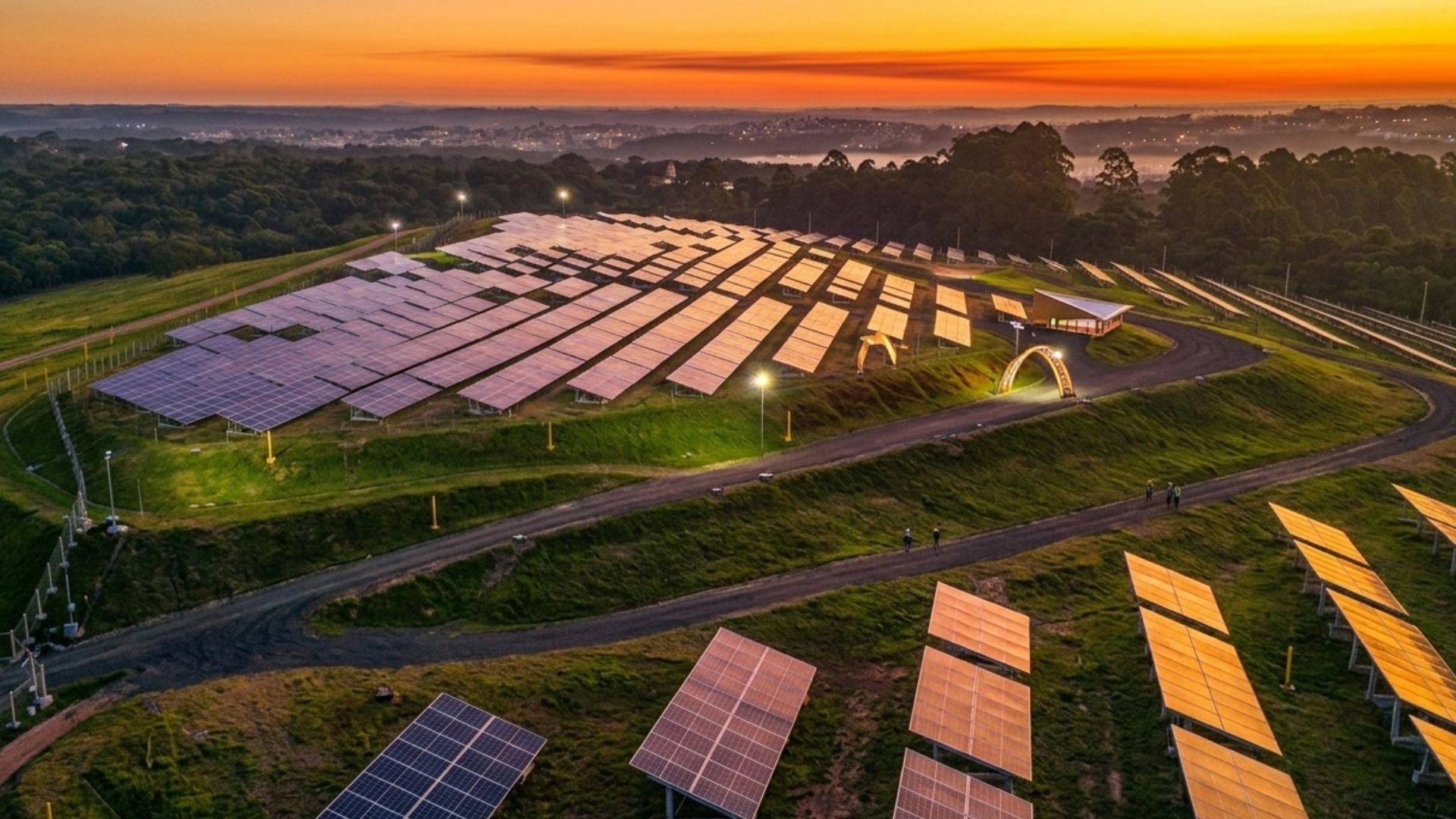
Solar Pyramid draws attention by converting solar energy into million-dollar savings and repositioning the City Hall of Curitiba as an example of innovation, sustainability, and intelligent use of public resources.
-
Europe records strong euro economy with solar energy in March and sparks curiosity about which country leads growth that redefines the energy market and reduces costs.

-
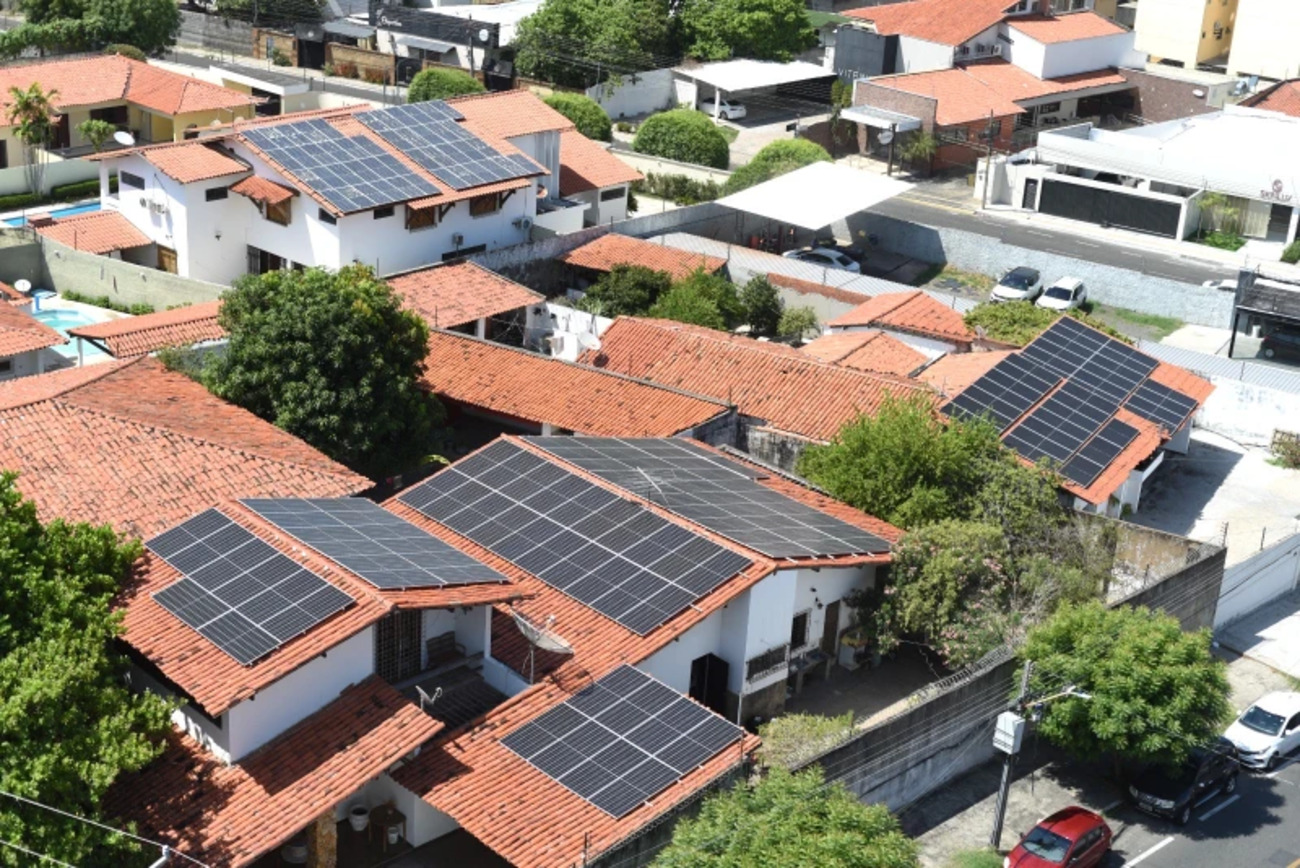
Piauí reaches a historic milestone in energy transition: State records nearly 160,000 households powered by solar energy and leads growth in the Northeast.

All of this consumes energy daily. Therefore, when the possibility of drastically reducing this cost arises, the discussion becomes inevitable.
Why Are Condominiums Betting On Solar Energy?
First of all, it is important to understand the weight of the electricity bill in the budget. In many buildings, it ranks among the three largest monthly expenses. Therefore, any solution that promises to cut this amount attracts attention.
Solar energy enters this scenario as a clean, renewable, and, importantly, cheaper alternative in the long run. The logic is simple: if the building has a roof with good sunlight exposure, why not convert that sunlight into real savings?

Moreover, the appreciation of the property also counts. Buildings that adopt sustainable systems tend to attract more interest in the market, which can directly influence the value of the apartments.
Three Models Of Solar Energy For Condominiums
Currently, there are three main formats for a condominium to utilize solar energy.
The first is the most known: the building buys the panels and installs them on the roof or covering. After a technical study, the system begins to generate energy, which converts into credit with the utility company. In practice, the bill is nearly zero, leaving only mandatory fees. In many cases, the reduction exceeds 95%.

The second model operates through leasing a solar farm. That is, the condominium does not install anything on the building but rents an area where the panels are installed. The generated energy also becomes credit and is deducted from the monthly bill. It’s an alternative for those who lack adequate physical space.
The third format is the simplest and least profitable. In this case, a company sells solar energy through the utility company, offering an average discount of 20%. It does not require investment, but it also doesn’t deliver significant results.
The Most Controversial Model: Panels On The Roof
Among all the options, direct installation on the building generates the most debates. On one hand, it offers the greatest savings. On the other, it raises fear, distrust, and conflicts.
The first question tends to be about the weight. Many residents fear the structure won’t hold. However, experts explain that the panels are lightweight and that buildings undergo technical analyses before installation. There are no records of structural collapse for this reason.
Another sensitive point is maintenance. Contrary to what many imagine, the annual cost is usually low, often equivalent to around two minimum wages. Divided among all residents, the amount becomes small.
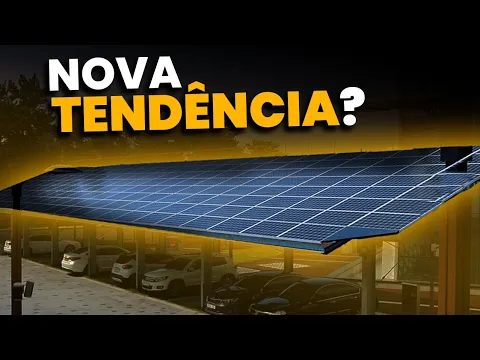
As for durability, the systems can continue generating energy for over 25 years, even with a gradual loss of efficiency. That is, it is a long-term investment.
Despite all the advantages, the installation of solar energy cannot be carried out by the individual decision of the manager. Legislation requires approval in assembly. This is because it involves investment, structural changes, and direct impact on the collective budget.
This is precisely when conflicts arise. Some residents want to save at any cost. Others prefer not to take risks. There are still those who distrust the supplying companies or fear future problems.
Thus, what starts as a financial solution can end up becoming a coexistence problem.
Do You Think Solar Energy Is An Intelligent Solution To Reduce Costs Or Could It Become A Headache In Condominiums?









-

-

3 pessoas reagiram a isso.