





 Portuguese
  English
  Spanish
  5 min of reading
  0 comments


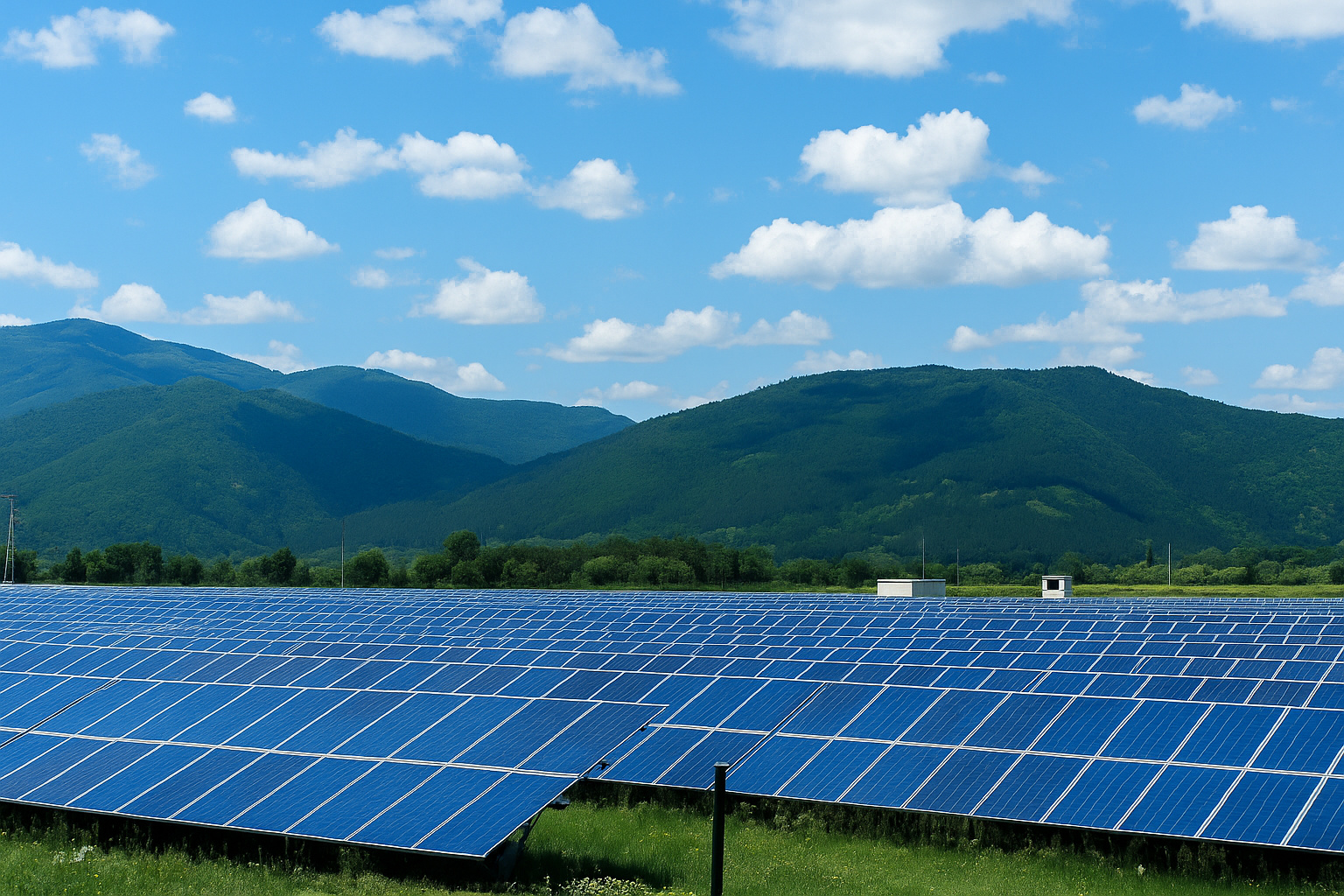
Discover How Solar Energy Is Gaining Prominence in Brazil, Benefiting Over 5 Million Consumers and Boosting Sustainability and Economy in the Country.
Solar energy is gaining prominence in Brazil in an increasingly significant way.
This is due to technological advancements, cost reductions, and greater awareness of sustainability.
Furthermore, the country establishes itself as a leader in the global energy transition, reflecting the search for clean and efficient energy sources.
Indeed, this trajectory is not recent and is deeply linked to historical events that shaped the global energy landscape.
At the end of the 20th century, the world faced the effects of oil crises, such as the one in 1973, which impacted the global economy.
Thus, the scarcity of fossil fuels highlighted the need to seek more sustainable alternatives.
-
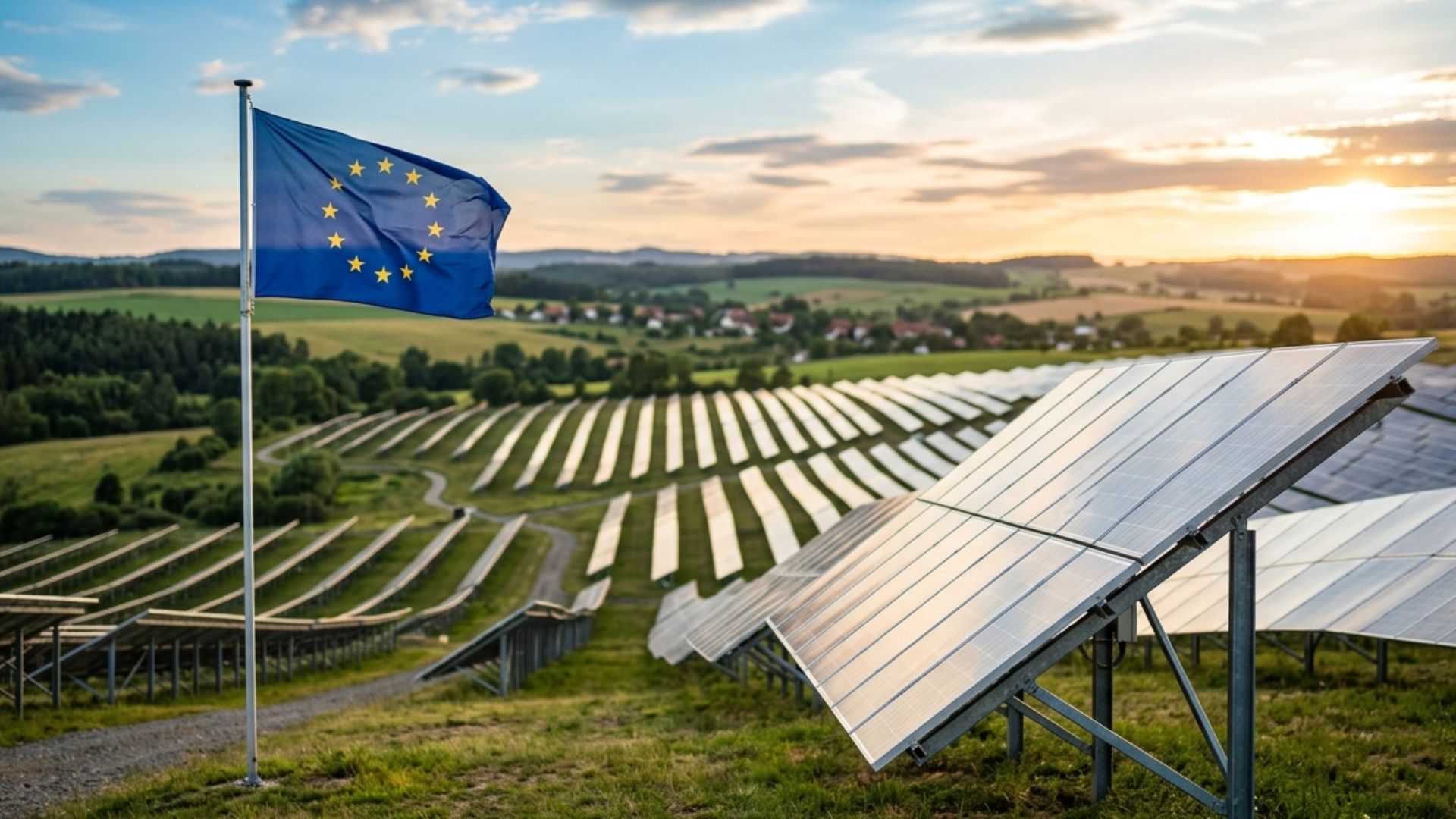
Europe records strong euro economy with solar energy in March and sparks curiosity about which country leads growth that redefines the energy market and reduces costs.
-
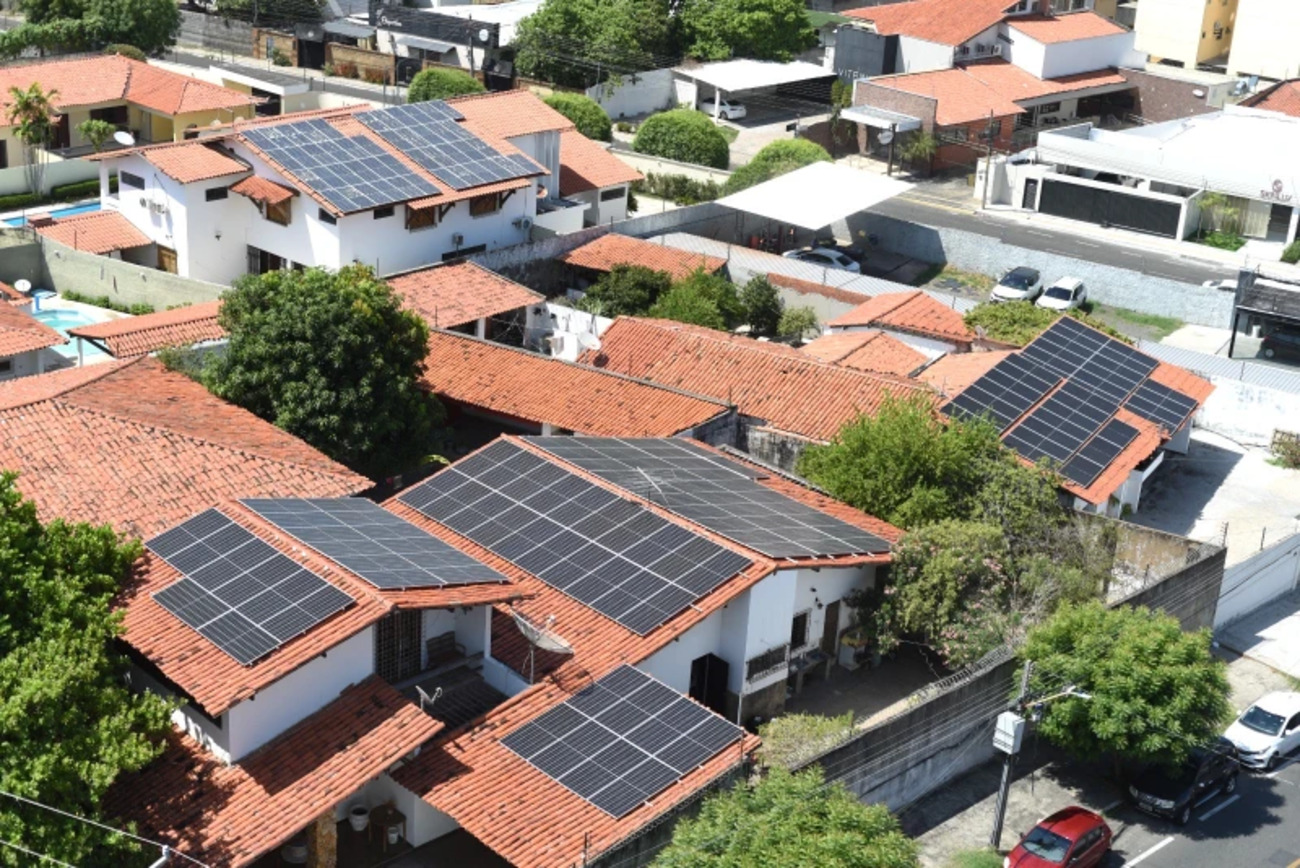
Piauí reaches a historic milestone in energy transition: State records nearly 160,000 households powered by solar energy and leads growth in the Northeast.
-
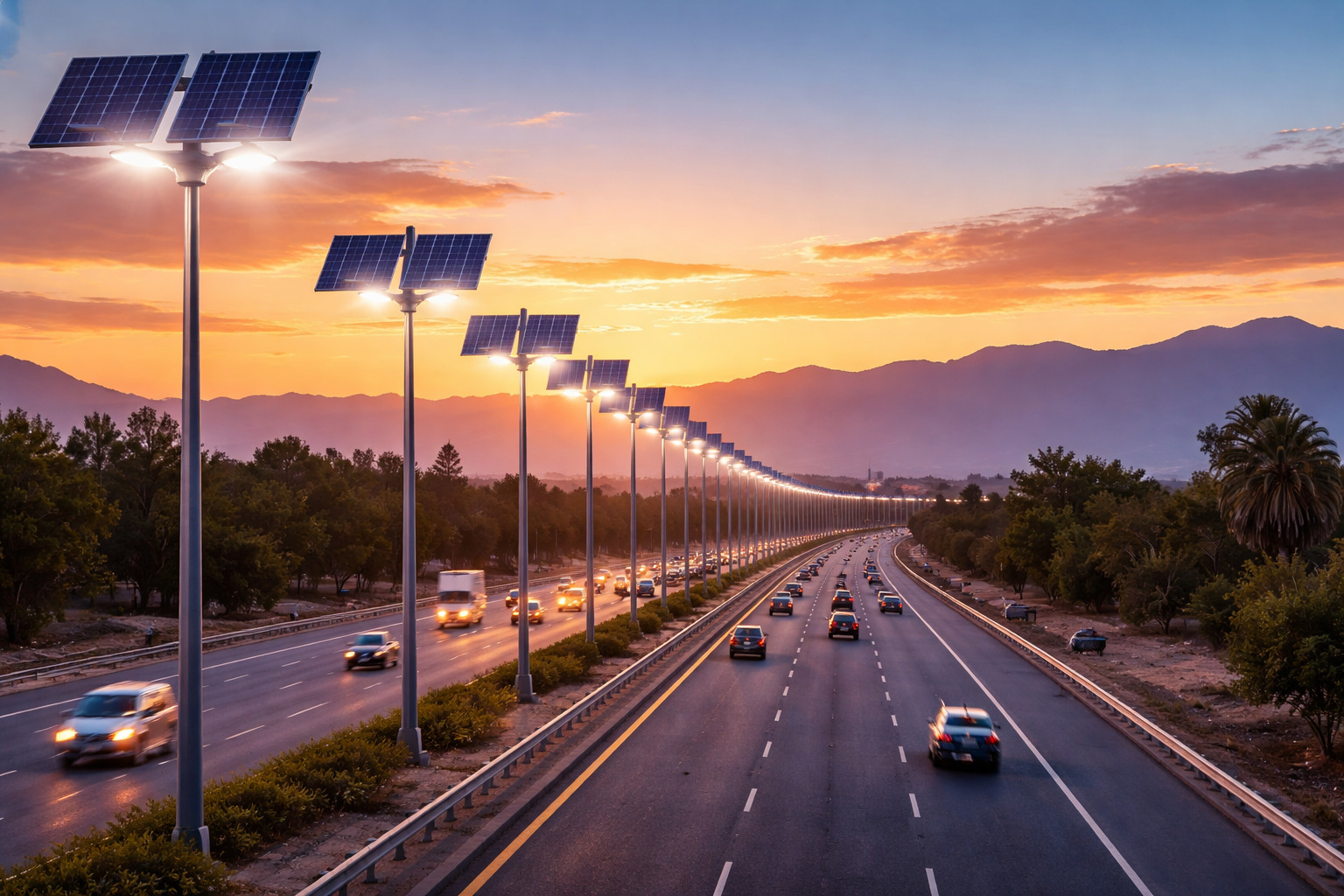
Argentina debuts its first 100% solar-powered highway and transforms an entire road into a showcase of clean energy.
-
Minas Gerais reaches a historic record and surpasses the power of Itaipu, but network costs generate debate: Understand why solar energy in MG impacts the electricity bill of those without panels.
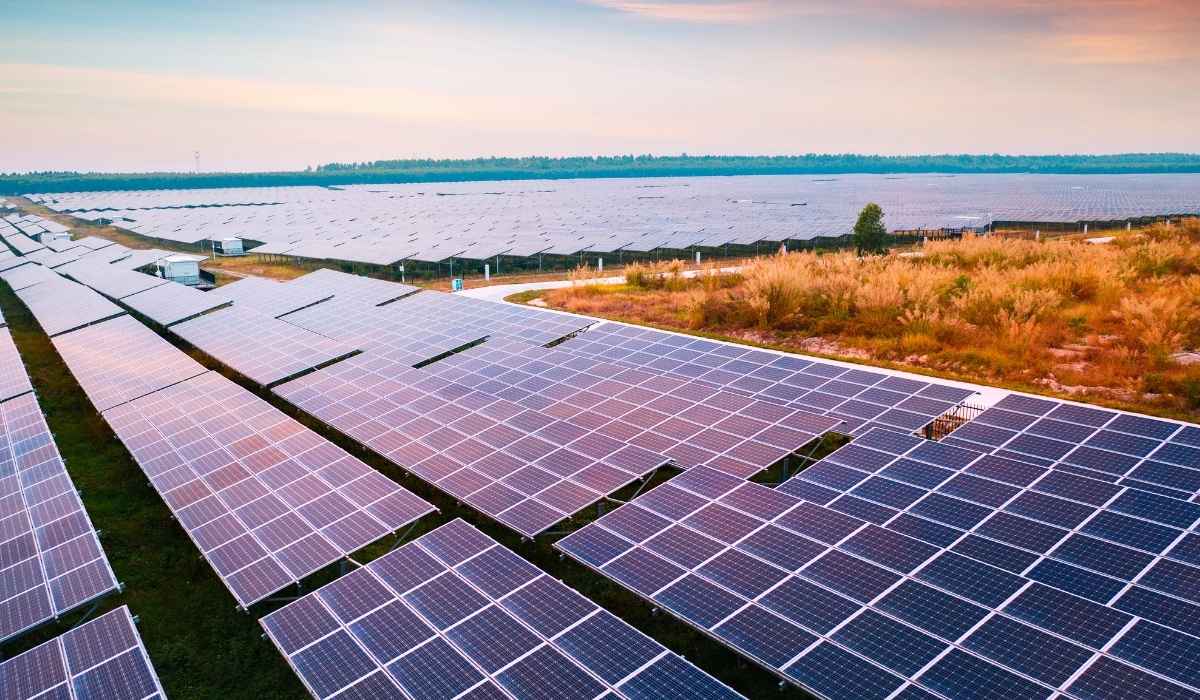

In addition, the Kyoto Protocol, signed in 1997, brought an international commitment to reducing greenhouse gas emissions.
It encouraged the adoption of renewable energy sources, including solar, wind, hydroelectric, and biomass.
Thus, the energy transition consists of the gradual replacement of fossil sources with renewable energies.
This process aims to make the global energy matrix more sustainable, efficient, and accessible.
Moreover, it reduces carbon emissions and ensures energy security for future generations.
In this context, Brazil stands out by having a relatively clean energy matrix, with a strong presence of renewable sources.
Therefore, solar energy, in particular, has emerged as one of the leaders of this movement.
Historically, the country has been investing in hydropower and other clean energy sources; however, it was only with the popularization of photovoltaic systems that solar energy gained prominence in Brazil in a truly massive way.
Indeed, the growth occurred thanks to government incentives and research and development programs, which reduced installation and maintenance costs of the equipment.
Growth of Solar Energy and Distributed Generation
According to data from the Brazilian Photovoltaic Solar Energy Association (Absolar), solar energy is gaining prominence in Brazil as the second largest source of energy in the country, currently representing 22.2% of the entire energy matrix.
This results from incentives for distributed generation, favorable public policies, and the growing interest of residential, commercial, and industrial consumers.
Moreover, distributed generation, a model that allows consumers to produce their own electricity, drives the advancement of solar energy.
With over 5 million consumers benefiting, Brazil establishes itself as a global example in this type of production.
Consequently, the National Electric Energy Agency (Aneel) confirms the existence of 3.3 million installed systems, with 37.5 GW of operational capacity.
The largest volume of adoption comes from the residential sector, with 3.4 million units, followed by commercial, rural, and industrial installations.
The growth of solar energy in the country is not limited to the number of consumers.
For instance, in 2025, the Brazilian market installed 148,000 new systems, supplying 233,000 consumer units and totaling 1.6 GW of installed capacity as of March.
Therefore, this advancement demonstrates that solar energy is not just an environmentally responsible alternative, but also an economic one.
By generating electricity in a decentralized manner, consumers can reduce costs, have greater financial predictability, and minimize impacts from tariff instability in some regions of Brazil.
Furthermore, the solar energy sector proves resilient in the face of economic crises, maintaining continuous growth.
Thus, the expectation is that technological advancement and cost reduction will continue to attract investors, consumers, and companies interested in leveraging the benefits of distributed generation.
Economic and Environmental Benefits
Besides the economic benefits, solar energy is gaining prominence in Brazil for its positive environmental impact.
By replacing part of the electricity generation based on fossil fuels, solar energy reduces carbon emissions and preserves natural resources.
This effect is particularly relevant in a country of continental dimensions like Brazil, where environmental preservation and conscious energy use are essential for sustainable development.
On the other hand, the expansion of solar energy creates opportunities for new business models.
Some installations go beyond self-consumption and allow for the commercialization of energy.
Thus, companies sell solar panels and technical equipment or perform energy credit compensation associated with distributed generation.
Therefore, this movement strengthens the local economy, encourages entrepreneurship, and fosters technological innovation in the energy sector.
Historically, the trajectory of solar energy in Brazil shows a growing commitment to sustainability.
In recent years, public policies and tax incentives have popularized the installation of photovoltaic systems in residences, businesses, and industries.
Thus, this democratization of solar energy not only benefits the individual consumer but also contributes to a more balanced, diversified, and resilient national energy matrix.
Moreover, solar energy promotes significant social gains.
The adoption of technology allows for electrification of rural areas and remote regions, providing energy to communities that previously depended solely on fossil fuels or had limited access.
In this way, solar energy promotes sustainability and social inclusion.
Projections and Future Expansion
Projections from Absolar indicate that, by 2025, solar energy in Brazil is expected to grow by approximately 13.2 GW of installed capacity.
Of this total, 8.5 GW refers to distributed generation, while 4.6 GW correspond to centralized generation from large-scale plants.
Therefore, this growth reinforces that solar energy is a consolidated trend, capable of meeting energy demand efficiently and sustainably.
Brazil’s prominence in solar energy also results from its geographic position.
The country receives high solar radiation, favoring electricity generation from photovoltaic panels.
Furthermore, this natural condition, combined with incentive policies and societal engagement, has made solar energy a viable alternative for millions of consumers in densely populated urban areas and rural properties in remote regions.
The growth of solar energy also contributes to energy autonomy.
By enabling residences and businesses to produce their own electricity, Brazil reduces reliance on large plants and imported fossil fuels.
Thus, this autonomy strengthens the country’s energy security and offers greater control over energy costs, benefiting consumers and the productive sector.
Solar Energy as a Global Trend
The expansion of solar energy also aligns with global sustainability trends.
Thus, the energy transition is inevitable for countries seeking to reduce their environmental footprint, meet emission targets, and invest in clean technologies.
In this context, Brazil positions itself as an example of a country that combines economic growth with environmental responsibility, showing that it is possible to reconcile development and sustainability.
Finally, solar energy represents more than just an energy solution: it symbolizes the transformation of the Brazilian electrical matrix and the construction of a sustainable future.
With over 5 million consumers, distributed generation demonstrates that solar energy is gaining prominence in Brazil not only as a source of electricity but as a driver of innovation, economy, and environmental awareness.
As technology advances and costs continue to decline, it is likely that solar energy will become even more accessible and popular, consolidating its central role in the Brazilian energy matrix.
Therefore, the country is heading towards an efficient, clean, and resilient energy system, capable of meeting current and future demands while contributing to a more sustainable planet.










Seja o primeiro a reagir!