





 Portuguese
  English
  Spanish
 4 min of reading
  0 comments


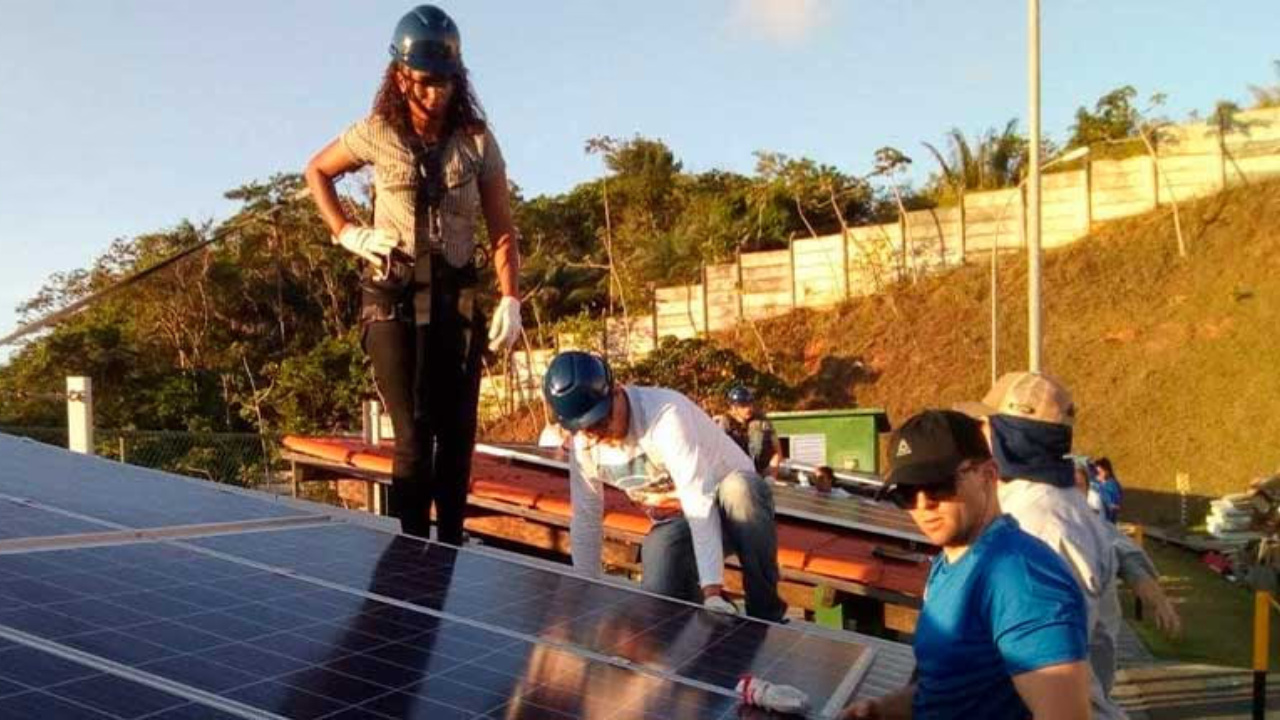
Solar Energy Reaches Young People from the Inner Region of Rio Grande do Norte with a Senai-RN Project that Combines Professional Training, Sustainability, and Educational Plants.
The expansion of solar energy in Brazil is beginning to generate impacts that go beyond the energy matrix. In Rio Grande do Norte, a new project focuses on training young people from the public network as a strategy to stimulate local development and increase access to clean technologies.
This is the Youth Solar: Turning the Sun into Opportunity initiative, from the National Service of Industrial Learning of RN (Senai-RN), which was selected in a national call from Statkraft Brazil aimed at socio-environmental projects.
With a focus on professional training and education for sustainability, the project will serve students from municipalities in the interior, connecting technical training, field practice, and environmental awareness.
-
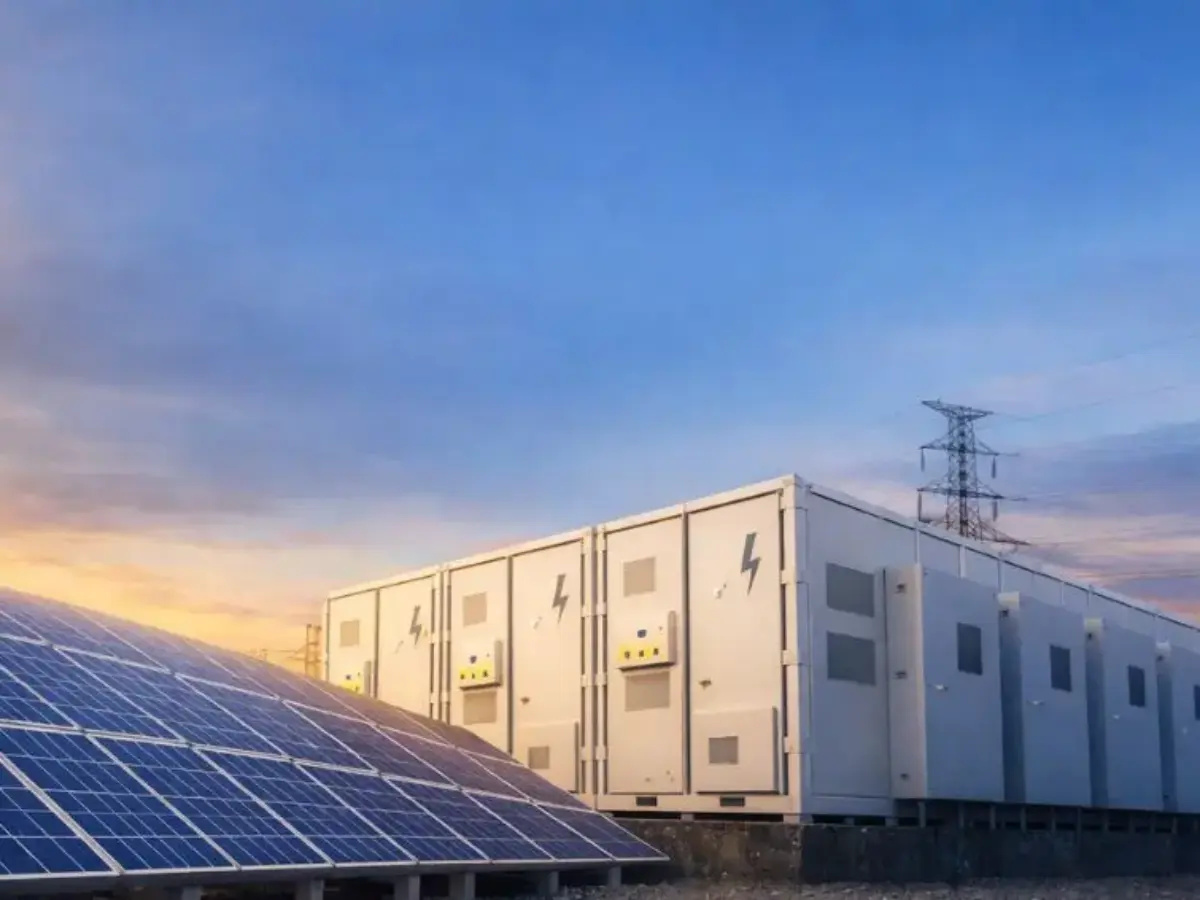
Revolution in the electric sector: ANEEL approves the operation of the first BESS project co-located with a solar plant in Brazil to stabilize the grid and optimize renewable generation in 2026.
-
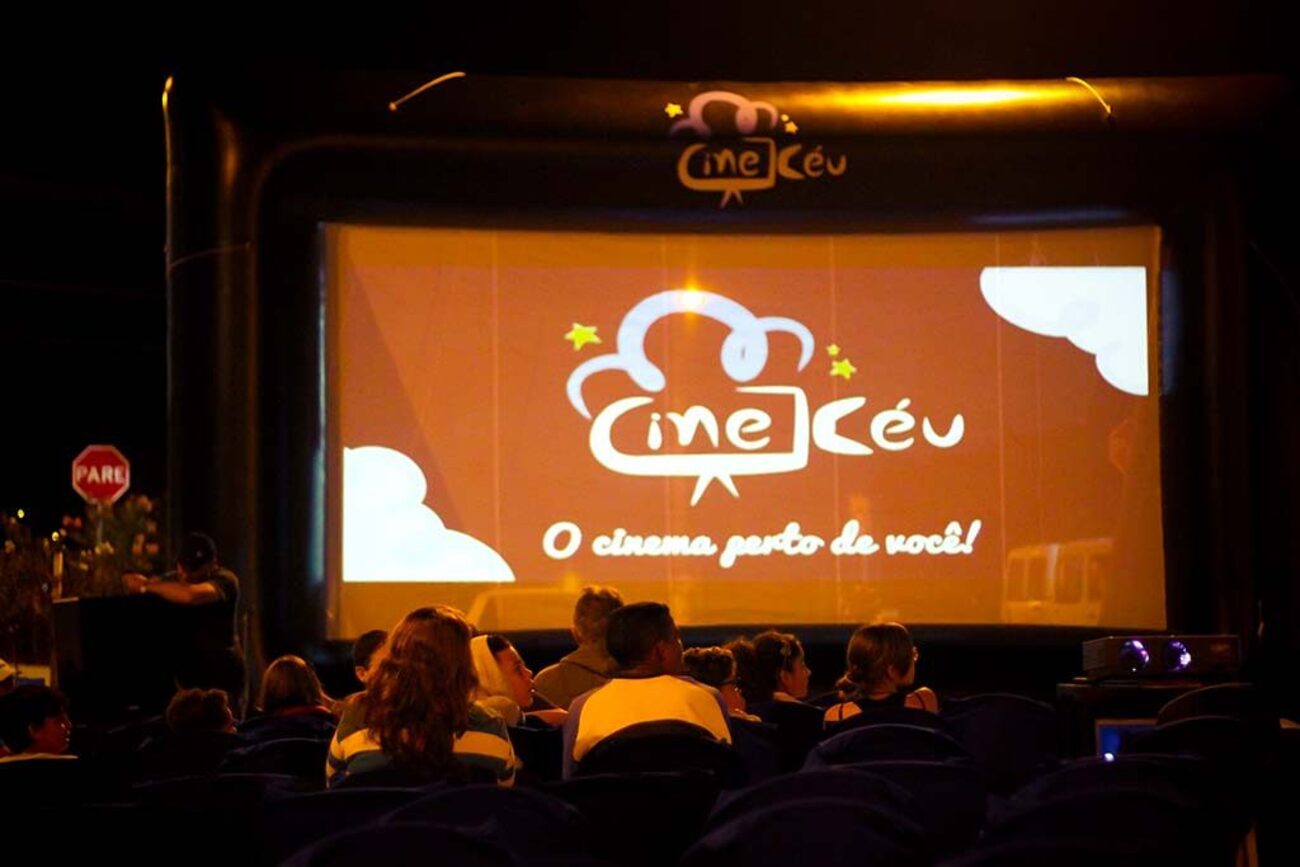
Sustainable culture in motion: Cine Céu travels through Brazilian cities and promotes free and clean entertainment through the use of solar-powered cinema.
-
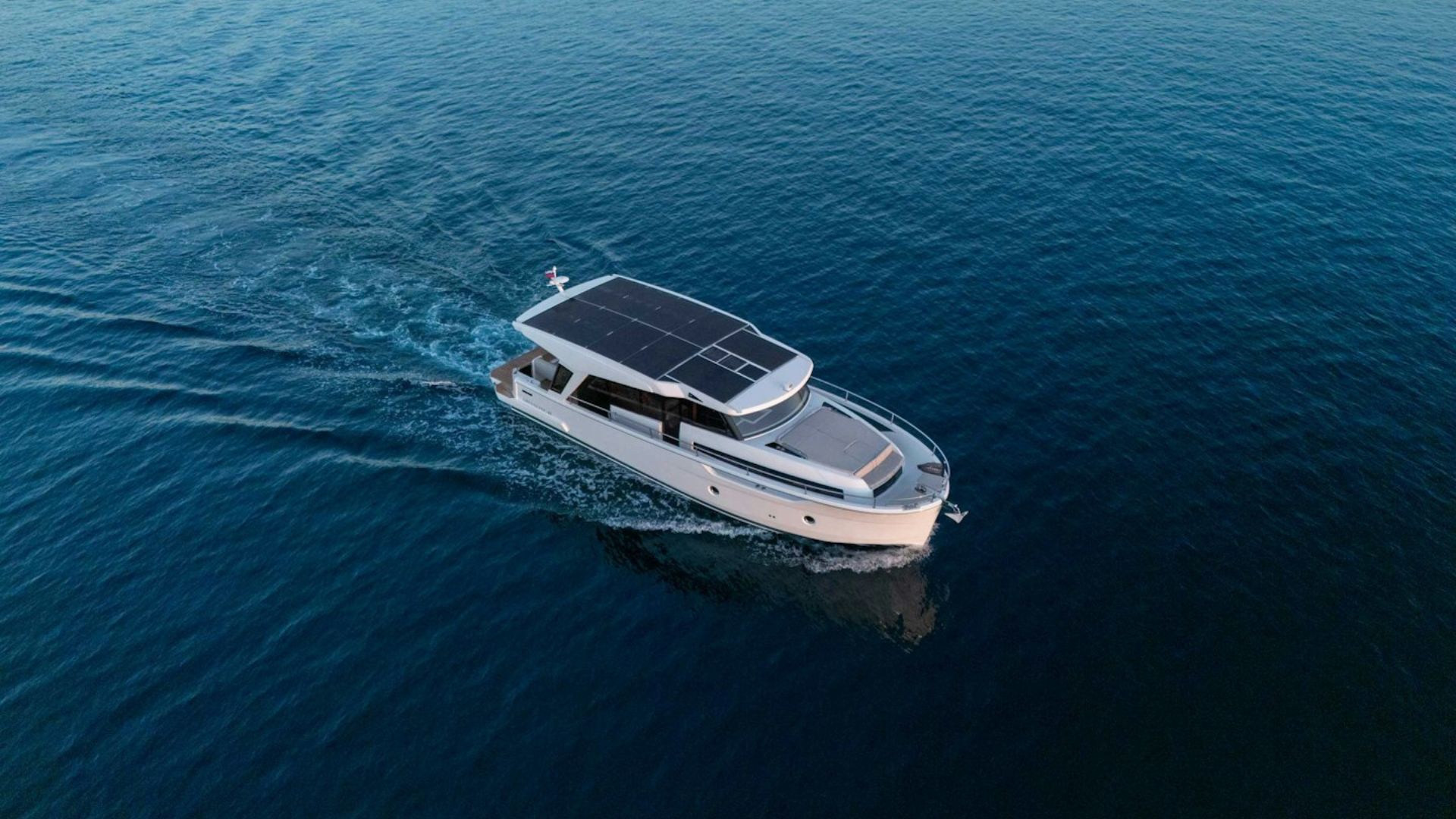
New boat with hybrid technology and solar energy stands out by increasing autonomy at sea and reducing consumption, consolidating the innovative proposal of Greenline Yachts in the nautical sector.
-
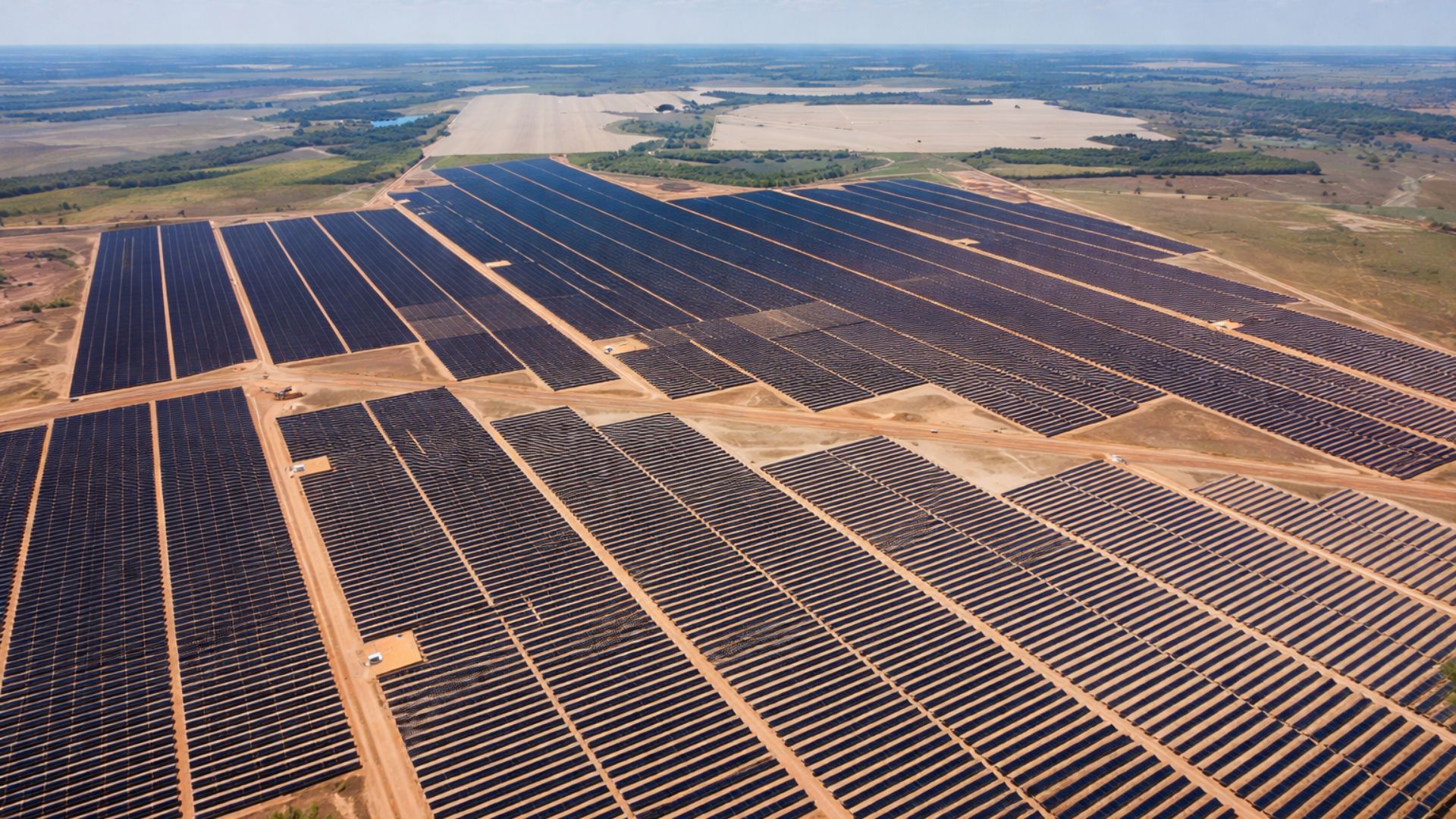
Solar energy gains strength with the Barro Alto solar complex, which increases renewable energy production in Brazil, creates jobs, strengthens the clean matrix, and transforms the electric sector with innovation and sustainability.
Tax Incentive Resources Enable Educational Actions
The selection in the call for Tax Incentives for Socio-environmental Projects 2025-2026 secured approximately R$ 275,000 in investments for the project.
The resources come from the Childhood and Adolescence Fund (FIA), an instrument linked to the Ministry of Human Rights and Citizenship.
This amount will be directed towards professional education and infrastructure actions in the municipalities of Lajes and São Bento do Norte.
The two cities are located in regions where Statkraft has investments in renewable energies, reinforcing the integration between local training and sector demands.
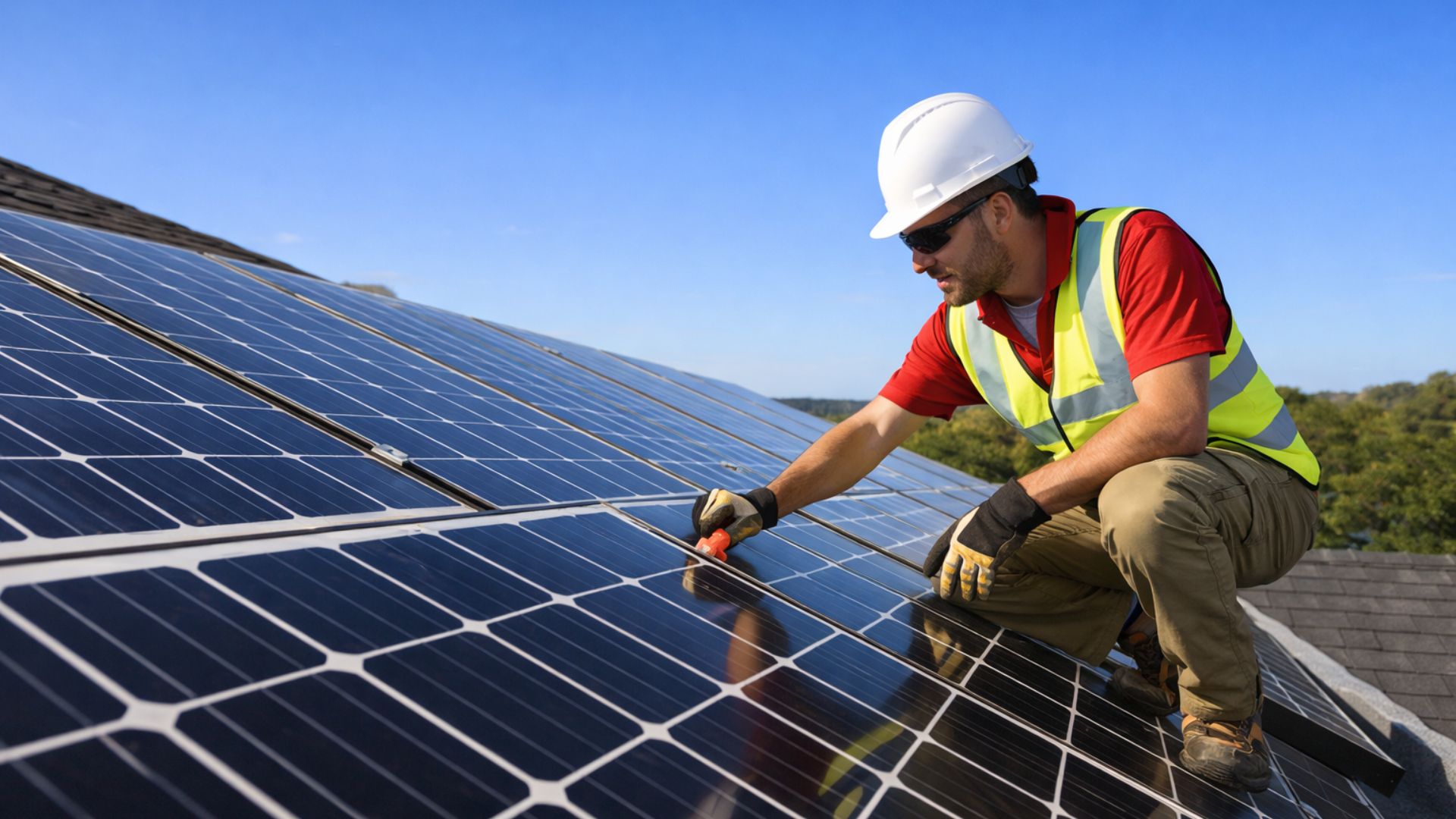
The proposal anticipates the training of 75 public school students in the installation course of photovoltaic systems. The training will target young people aged 18 to 19 who are finishing or have already completed high school.
The course will be completely free and is scheduled to begin in the first semester of 2026. Before the opening of registrations, teams from Senai-RN are expected to visit the involved municipalities. The aim is to establish partnerships with local government and mobilize potential participants.
In addition to the technical content, the project includes modules focused on sustainability and the functioning of solar energy, expanding students’ understanding of the sector and its opportunities.
Educational Solar Plants Expand Practical Learning
One of the key features of the initiative is the implementation of educational solar plants in Lajes and São Bento do Norte.
These photovoltaic systems will be used as living laboratories, allowing students to have direct contact with real equipment during classes and practical activities.
Additionally, the plants will also serve as a pedagogical tool for the school community. Lectures and awareness actions about solar energy and sustainability are planned in public schools in the served municipalities.
This practical approach strengthens learning and brings young people closer to the technologies that are already transforming the Brazilian electric sector.
According to the director of the Gas and Renewable Energy Technologies Center (CTGAS-ER) of Senai-RN, Amora Vieira, the initiative goes beyond the one-time training of labor.
“This is one of the first SENAI-RN projects linked to a fiscal fund call. What distinguishes it is the connection with the community, with investment in plants for schools, lectures for the population, and training for public school students, paving the way for a broader engagement in training and the first contact with renewable energy technologies,” says Vieira.
The expectation is that the project will be completed by the end of 2027, leaving permanent structures and technical knowledge as a legacy for the municipalities.
Another relevant point of the proposal is the inclusion of content focused on entrepreneurship. The idea is to show participants that the solar energy sector offers pathways that go beyond formal employment in specialized companies.
“The idea is to provide broader knowledge about the potential of the municipality itself, showing that technological training is a possible and accessible path,” says Amora Vieira.
In this sense, students will come into contact with business alternatives related to installation, maintenance, and services associated with photovoltaic generation, strengthening the local economy.
National Selection Reinforces Impact and Alignment with the SDGs
Youth Solar is among only seven initiatives selected by Statkraft Brazil from a pool of over 240 proposals submitted to the call. The selected projects will be implemented in 14 municipalities across three Brazilian states.
The selection considered criteria such as collective impact, technical quality, financial viability, capacity for continuity, and alignment with the United Nations Sustainable Development Goals (SDGs). The initiatives cover areas such as education, culture, sports, social inclusion, and sustainability.
The resources from the call are distributed through different mechanisms of tax incentives, including the Culture Incentive Law, the Childhood and Adolescence Fund, the Elderly Fund, and the Sports Incentive Law.
Created in 1991, the National Fund for Children and Adolescents finances actions across the country with resources sourced from, among other sources, income tax deductions from individuals and legal entities. The management is conducted by the National Council for the Rights of Children and Adolescents (Conanda).
With this, initiatives like Youth Solar manage to unite solar energy, education, and social development, expanding the reach of public and private policies aimed at the energy transition in Brazil.






Seja o primeiro a reagir!