





 Portuguese
  English
  Spanish
  3 min of reading


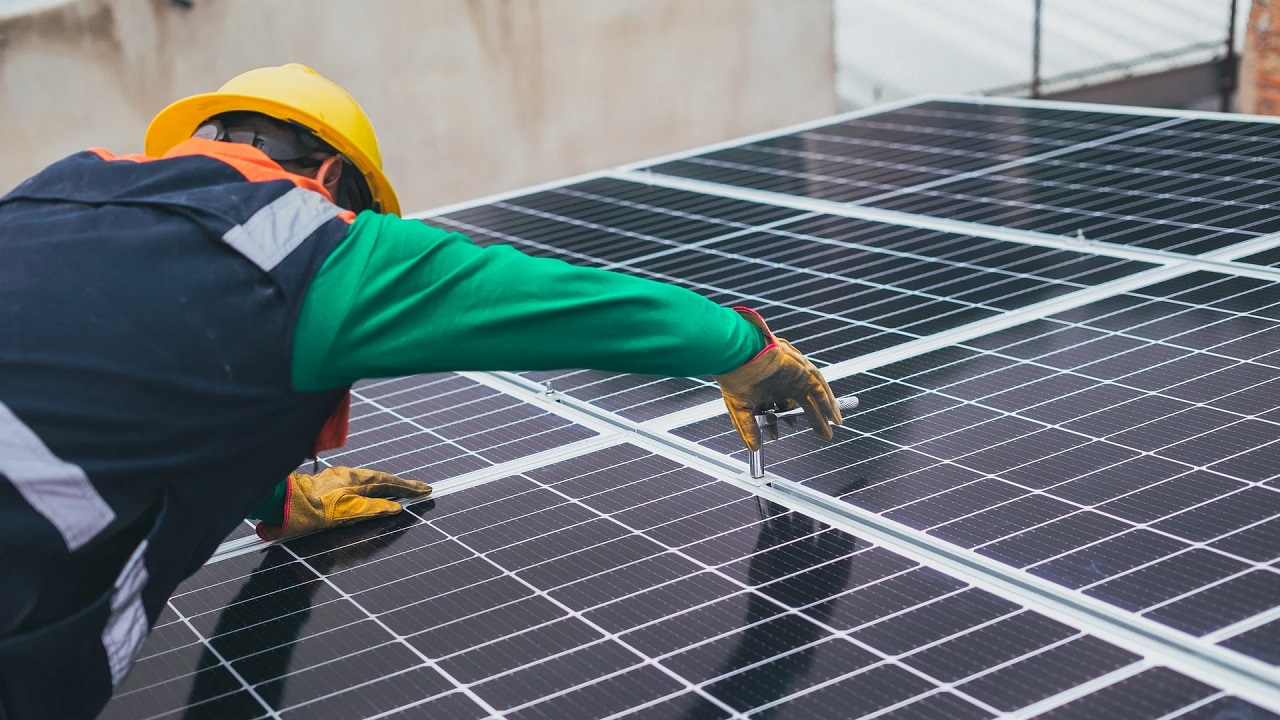
Deputy Beto Pereira Introduced a New Bill Aiming to Promote the Generation of Solar Energy Without Taxation for Consumers. This Project is in Compliance with the New Legal Framework Established in the Country in January of This Year.
The Legislative Decree Project (PDL) No. 65/2023, from Federal Deputy Beto Pereira, from PSDB-MS, seeks to argue for the suspension of parts of the resolution from the National Electric Energy Agency (Aneel) in the Chamber of Deputies regarding tax rules related to the generation of personal solar energy. Therefore, this new project aims to bring tax-free solar energy to consumers.
With this initiative, the deputy seeks to encourage the use of solar energy as a clean and renewable energy source, in addition to reducing costs for consumers who choose this alternative. The tax exemption could make the technology more accessible and popular, contributing to the reduction of greenhouse gas emissions and the preservation of the environment.
Solar Energy Without Taxes Seeks to Benefit Consumers
The taxation of solar energy equipment came into effect in January 2023; however, according to what the project defends, the way it is being applied generates a negative impact for the entire energy generation sector and for consumers.
-
Researchers discover a possible hydrogen deposit of up to 46 million tons beneath an ancient coal basin, and the volume could exceed half of the entire global production.

-
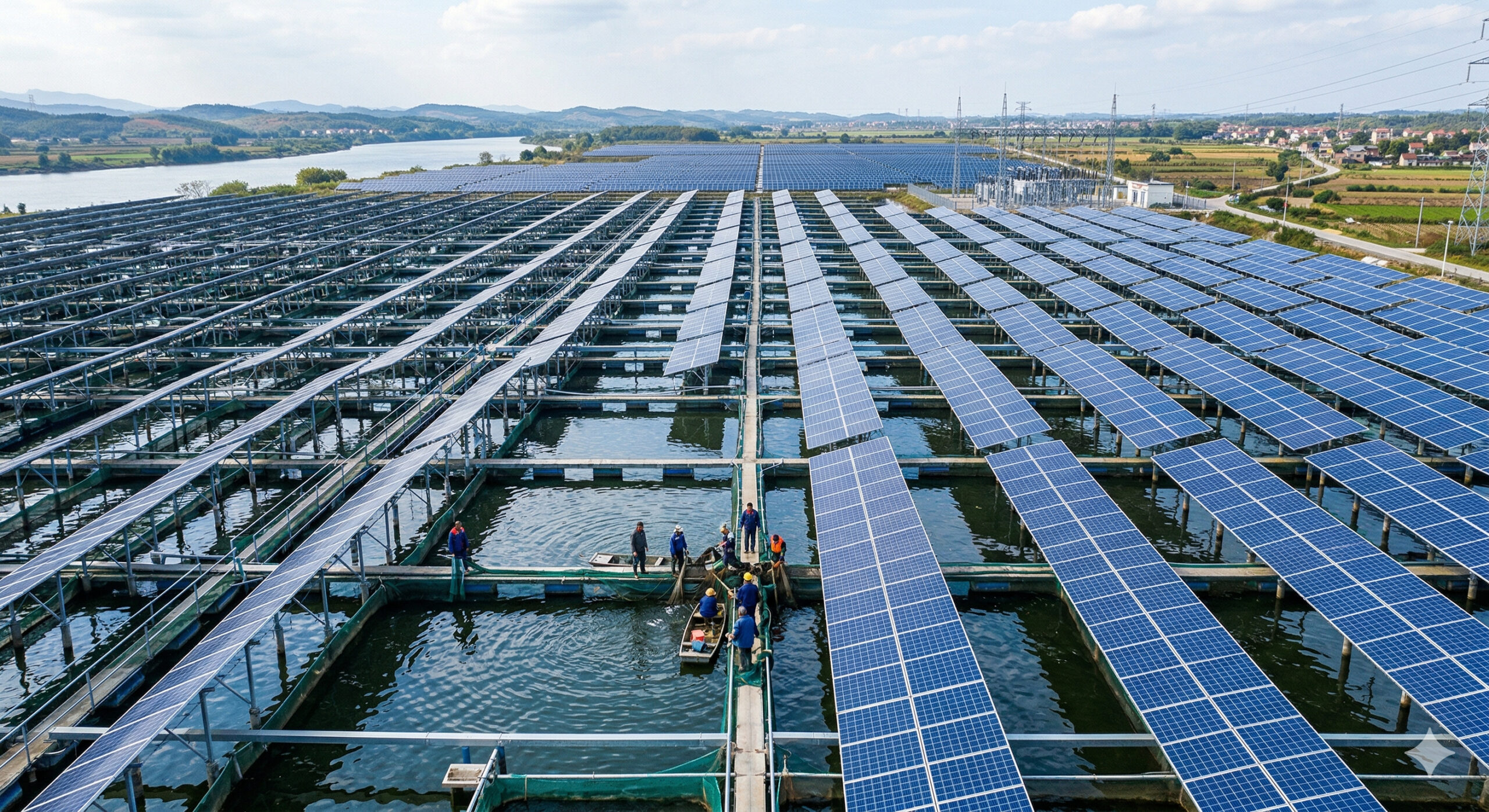
China bets on the Fishery-PV model and transforms fish farms into giant solar plants, covering ponds with panels that generate energy while utilizing the same space for large-scale aquaculture production.
-
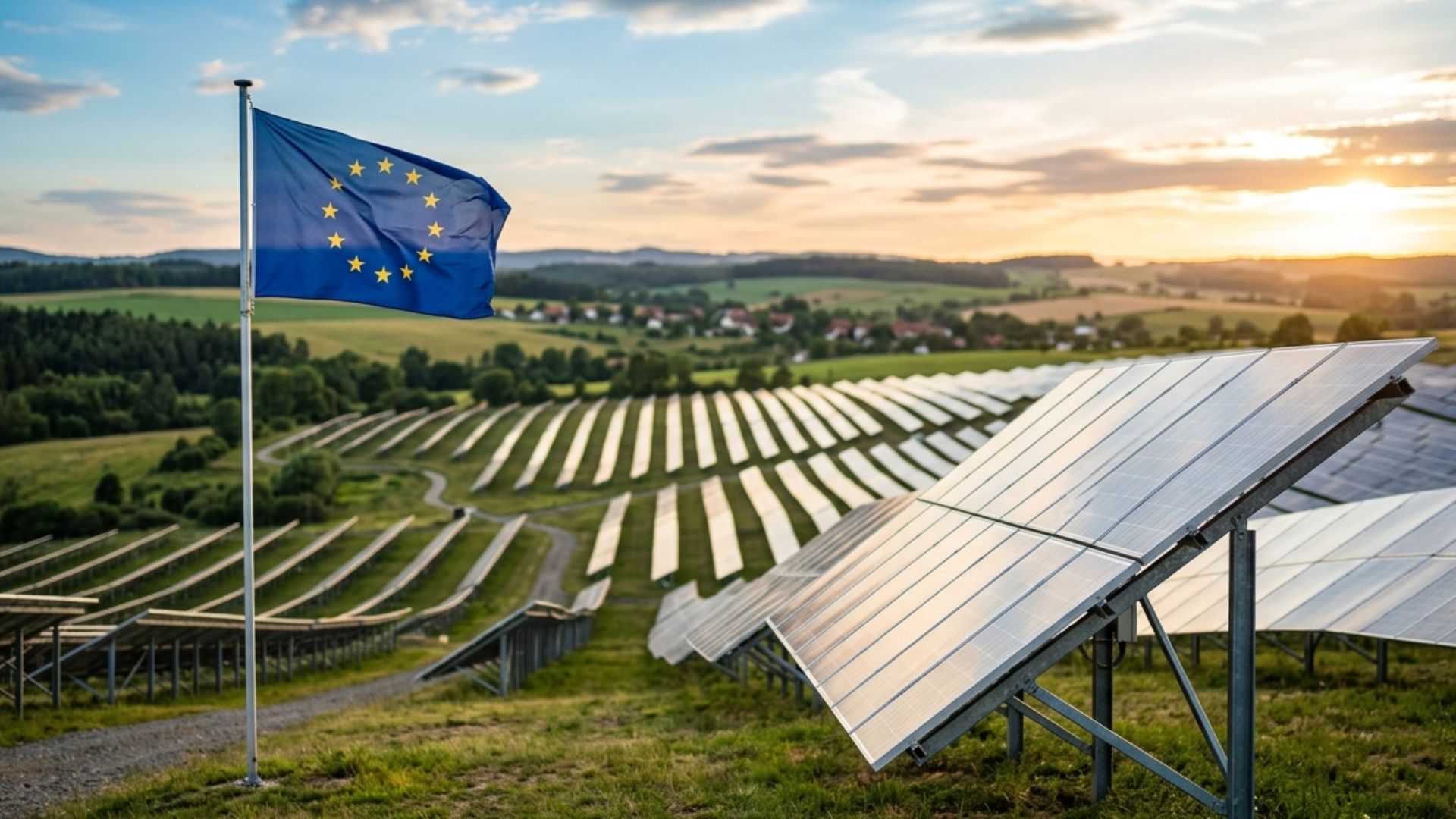
Europe records strong euro economy with solar energy in March and sparks curiosity about which country leads growth that redefines the energy market and reduces costs.
-
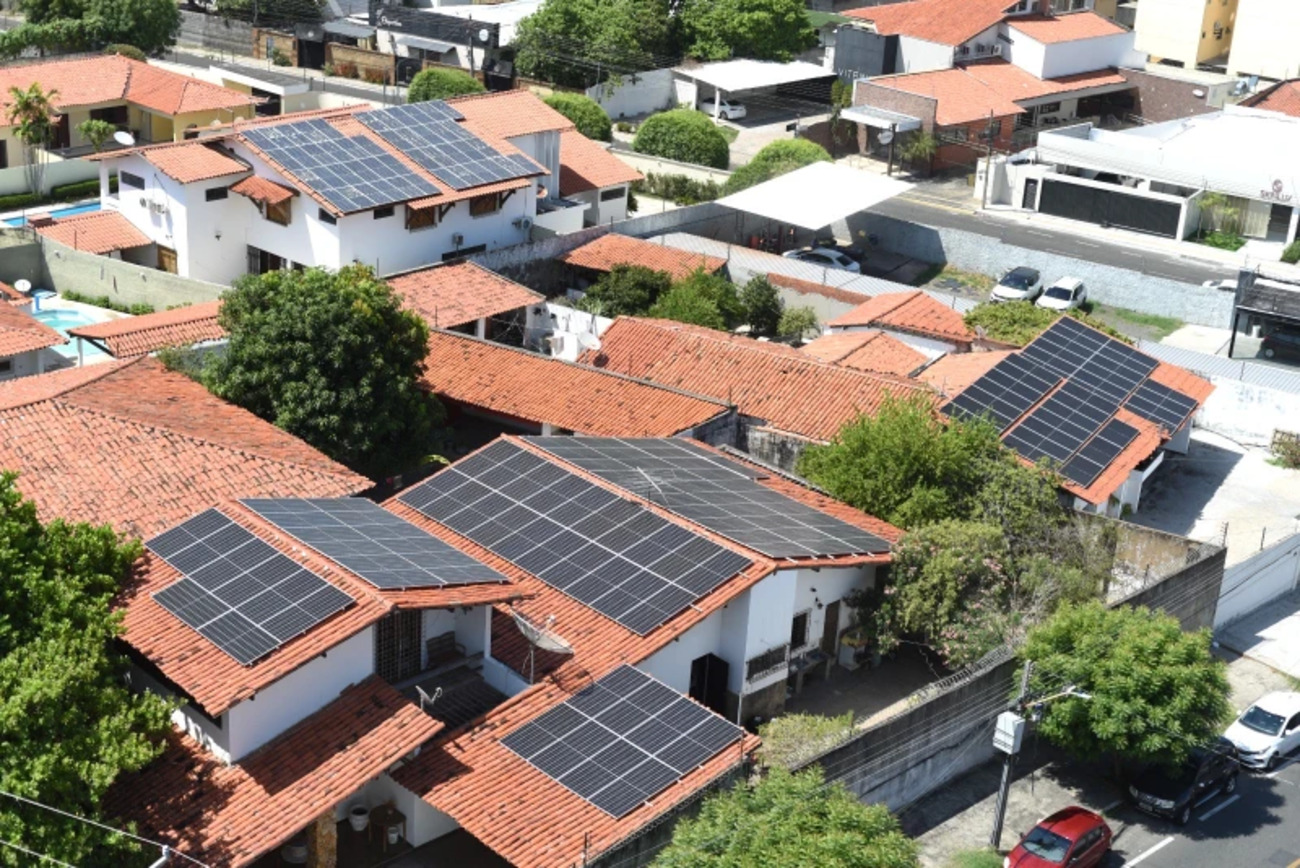
Piauí reaches a historic milestone in energy transition: State records nearly 160,000 households powered by solar energy and leads growth in the Northeast.

It is estimated that the suspension will be voted on this Tuesday (18). The taxation is part of the implementation of Law No. 14,300 from last year, the legal framework for personal generation.
According to the law, projects for energy generated by solar panels installed from January 7, 2023, onward would be taxed. The taxation occurs annually, gradually, until 2028. Those who registered their systems by January 6 of this year secured their solar energy without taxes until 2045.
However, Beto Pereira argues in his project that the use of this tax law harms consumer units and further delays the growth of the segment by establishing additional charges on consumers with mini and microgeneration.
According to the deputy’s PDL text, the proposal aims to prevent specific regulatory requirements made by the National Electric Energy Agency (Aneel) from generating further negative impacts on more than 2.1 million consumer units participating in the Electric Energy Compensation System (SCEE), resulting from private investments in sustainable energy generation.
Delay in the Legal Framework Also Generates Losses
The project aims to prevent the Aneel from discouraging the remaining 88 million consumer units in the country from participating in the SCEE through infralegal action, a strategic solution aimed at reducing high energy costs and aligned with Brazil’s sustainable development goals.
In his argument, Pereira also emphasizes that the delay in applying the legal framework has already caused losses. The law was published and sanctioned in early 2022, and Aneel had an initial six months to resolve the regulation, which was not fulfilled.
In November of the same year, another bill was presented, requesting a six-month advance in the start of taxation. The text made it to the agenda the following month; however, it was removed from the agenda and was not voted on before the parliamentary recess. Thus, in January, the taxation began to take effect more than a year after the publication of the legal framework.
Taxes Are a Direct Affront to the Legal Framework of Personal Generation, Says Deputy
According to the deputy, it is well-known among parliamentarians, many of whom are the targets of legitimate questions from citizens, small entrepreneurs, rural producers, and the press in the states they represent in this legislative house, that such a delay has caused severe damage and losses, both to the development of this sector in Brazil and to consumers interested in distributed generation.
Finally, Pereira highlights that the taxation as it is applied to the solar energy sector is a direct affront to the legal framework of personal generation.
Moreover, the innovations are not intended or even foreseen by the legislator; they run counter to the guiding principle of this legal framework: to enable the personal generation of clean energy for all consumers in the country, especially those of smaller scale.








Seja o primeiro a reagir!