Portuguese
  Spanish


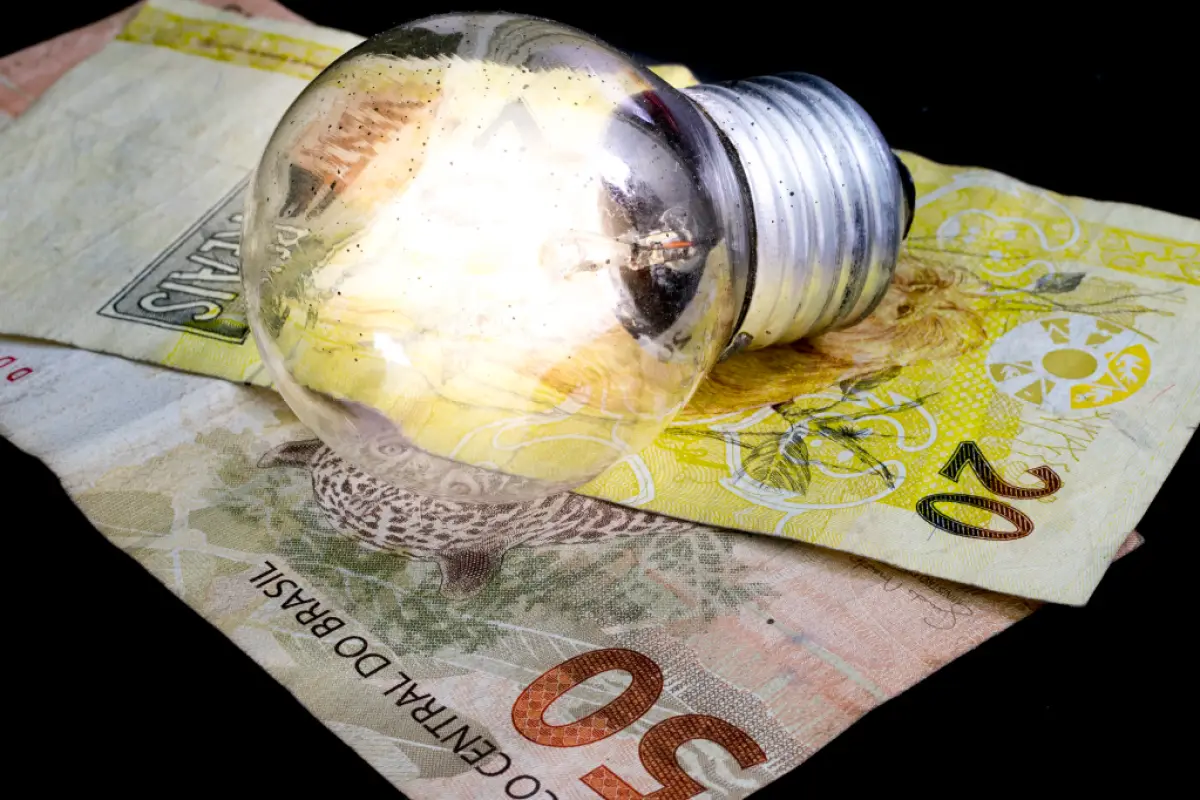

The Green Symbol of the Energy Bill Means Exemption from Additional Charges and May Persist Until 2024, According to Aneel.
Hélvio Guerra, head of the regulatory agency, revealed that the abundant rains, which significantly increased the level of the hydroelectric reservoirs, the main source of energy in the country, make this possible.
The maintenance of the green flag was attributed to the growth of energy supply this year, with emphasis on renewable sources, as he states. He also predicted that this trend would continue uninterrupted until 2023.
Learn More About Charges on the Electricity Bill in the Coming Months
According to Luiz Carlos Ciocchi, General Director of the National Electric System Operator (ONS), in a recent interview with Reuters, there are no indications of additional costs on Brazilians’ energy bills this year. “The ONS is very attentive to the environment and is comfortable for 2023 and 2024. All of our reservoirs are full and it continues to rain, which gives us that comfort,” Guerra told Reuters. More than 60 percent of Brazil’s electricity comes from hydroelectric plants.
-
Brazil to Issue “Panda Bonds” in China, Aiming to Raise Up to 5 Billion Yuan at Lower Interest Rates Than Dollar Debt
-
NATO Faces Internal Tensions as U.S. Pushes for Increased Defense Spending, Targeting 5% of GDP by 2035, with Warnings for Countries Near 2% Level

-
Brazil to Introduce B16 Diesel with Increased Soybean Oil Content for Trucks by 2026
-
Brazil’s July Bolsa Família Payments May Include Extra $150 and $50 for Families with Children, Pregnant Women, and Updated CadÚnico Registration


“If everything goes well, we will have a green flag until the end of this year and possibly in 2024,” the mayor added. It is expected that hydroelectric reservoirs will finish their rainy season in April, reaching their highest storage levels since 2007.
In the Southeast and Central-West regions, where the hydroelectric plants with the largest reservoirs are located, the reservoirs will be at 85% capacity by the end of March, according to the ONS. Estimates for a dry period starting in April are also positive, with the reservoirs likely reaching their highest levels in 16 years in August, according to the ONS.
The arrival of the new rainy season in November this year will help ease the transition from 2023 to 2024. During the water crisis of 2021, red flags were triggered several times, and the additional charge amounts on the electricity bill were also adjusted. The government also created a special token, then known as the water scarcity token, to cover the extra costs of ensuring energy supply by starting up more expensive thermal plants.
When the red or yellow flags are applied, the bill increases from R$ 2,989 to R$ 9,795 for every 100 kilowatt-hours (kWh) consumed. When the water scarcity signal is in effect, from September 2021 to April 15, 2022, the consumer will pay an additional R$ 14.20 for every 100 kWh. The head of Aneel stated that the outlook now is that these more expensive cogeneration plants will not be dispatched, only those considered inflexible will be activated.
Higher Supply
In addition to favorable hydrological conditions, the director of Aneel emphasized that the supply of renewable energy generation will increase this year.
Wind power already has about 25.6 GW of installed capacity in the country, while solar power has 27 GW of plants (plus self-generation and distributed generation). According to the Absolar Association, the country is expected to add 10.1 GW of solar generation alone in 2023, of which 5.5 GW is from distributed generation (rooftops and small lots).