





 Portuguese
  English
  Spanish
  6 min of reading
  0 comments


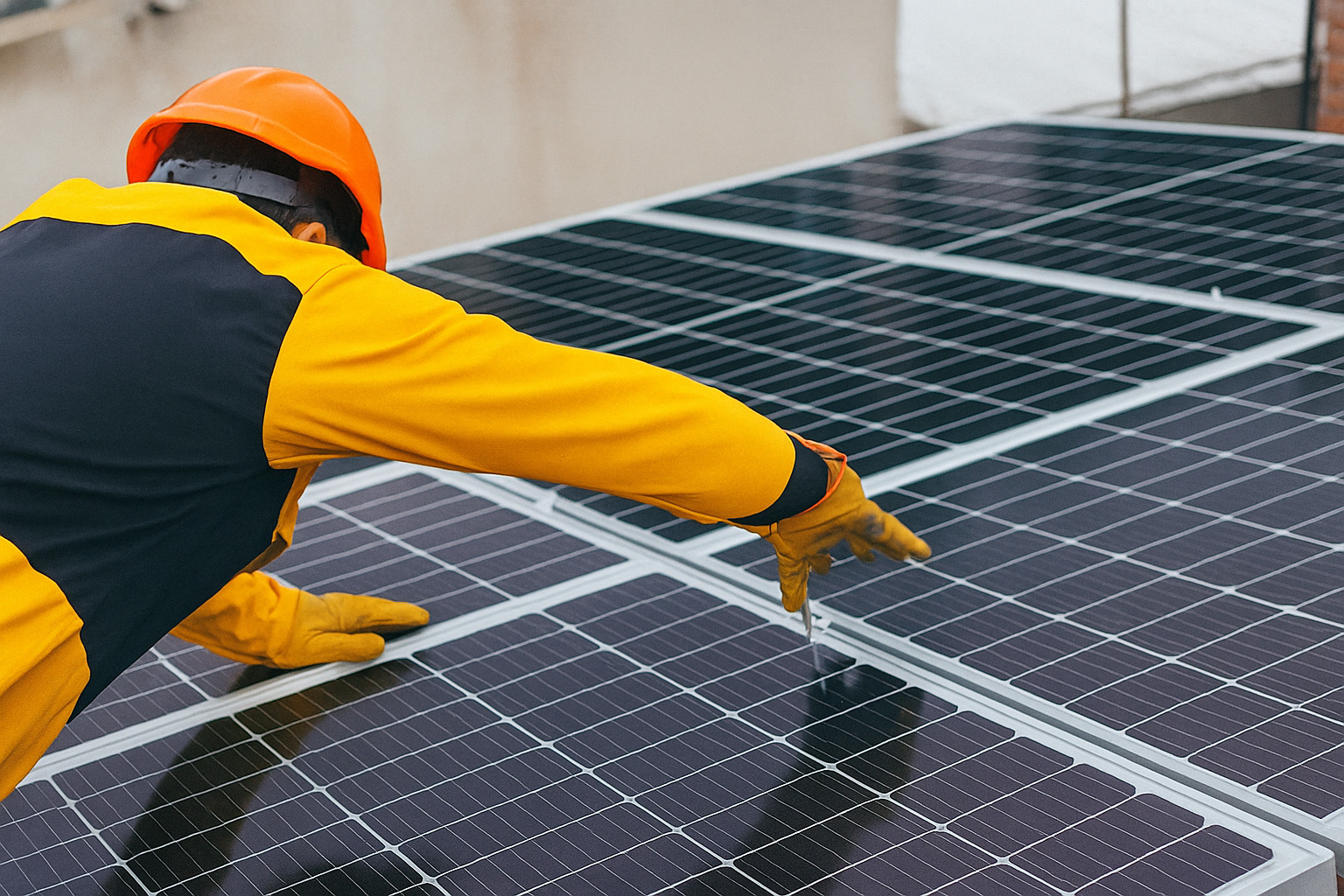
Understand How Chinese Policies Should Make Solar Energy More Expensive, Increasing the Costs of Modules and Storage Systems Globally.
In recent years, solar energy has become one of the world’s most competitive and promising sources of electricity.
Moreover, the global expansion of photovoltaic energy has allowed developers, companies, and even residential consumers to access more efficient and economical systems.
However, a new scenario is beginning to take shape, indicating that more expensive solar energy may become a reality in the coming years.
Indeed, the main reason for this change involves political decisions from China, the world’s largest producer of solar equipment and storage systems.
Historically, China has played a decisive role in democratizing solar energy.
Between 2010 and 2024, the country heavily invested in the production of photovoltaic modules and batteries, significantly expanding installed capacity.
-
Jacareí advances with a photovoltaic plant and bets on sustainability to transform public management with clean solar energy, reducing operational costs and strengthening energy efficiency in essential services.
-
Maricá transforms Risca-Faca into Leonel Brizola Neighborhood with solar energy and promises to reduce costs for families while promoting dignity, urbanization, and social development in a historically vulnerable community.

-
The future of the electrical grid: How Virtual Power Plants (VPPs) are revolutionizing the monetization of solar energy and creating new income sources for consumers in 2026.

-
Revolution in the electric sector: ANEEL approves the operation of the first BESS project co-located with a solar plant in Brazil to stabilize the grid and optimize renewable generation in 2026.
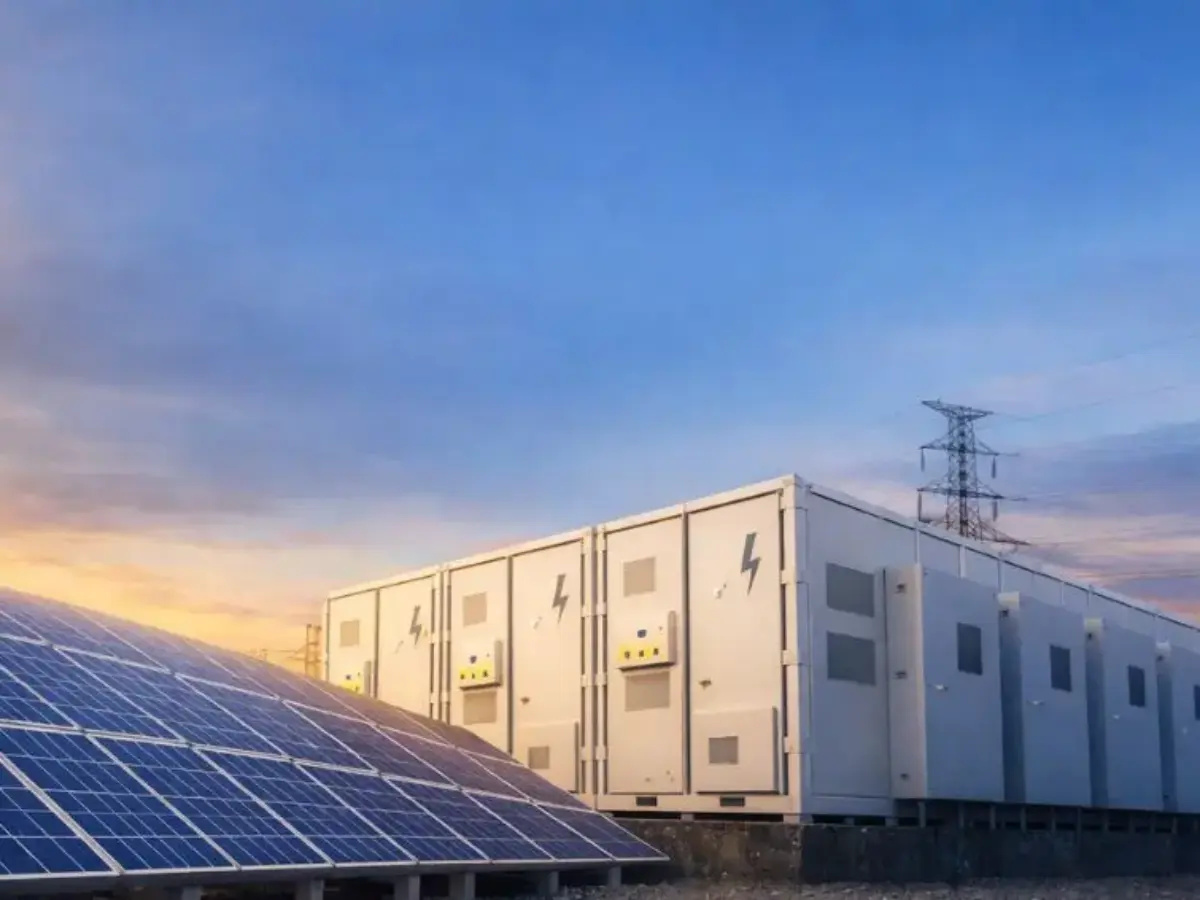
As a result, global prices for these equipment have dropped drastically, benefiting projects on nearly every continent.
Consequently, this period of low prices allowed solar energy to become accessible to large investors and ordinary consumers. This, in turn, accelerated the transition to clean energy sources.
However, recent reports from consulting firm Wood Mackenzie indicate that this era of historically low prices is coming to an end.
Furthermore, changes in Chinese policy, combined with adjustments in production and the fiscal sector, are expected to significantly raise the costs of solar modules and storage systems.
Therefore, the impact will hit global markets, as China produces over 80% of solar modules and around 90% of lithium iron phosphate batteries.
Moreover, the growing international demand for clean energy further pressures prices.
For example, countries that have adopted ambitious decarbonization goals are expanding investments in solar parks and storage solutions, overloading the global supply chain.
Thus, the combination of these factors creates a scenario in which more expensive solar energy becomes inevitable, forcing the sector to adapt quickly.
Industry Consolidation and Silicon Price Increase
One of the main reasons for the price increase is the consolidation of the silicon industry, an essential material in the manufacturing of photovoltaic cells.
In recent years, China rapidly expanded its silicon production capacity, creating oversupply and, consequently, a price war among manufacturers.
Thus, this scenario drastically reduced margins and, in some cases, caused financial losses.
To stabilize the sector, the Chinese government limited capacity expansion and reduced factory utilization rates, raising silicon prices by nearly 50% in just one month of 2025.
Therefore, this structural adjustment indicates that the rise in more expensive solar energy does not represent a temporary event, but rather a necessary correction to maintain market sustainability.
Another element putting pressure on prices is the reduction in the production of solar and storage equipment.
Additionally, China has decommissioned older production lines, especially for PERC cells, and limited the operation of older factories to about 55-70% capacity.
Thus, this reduction affects the entire value chain, from silicon to complete modules, and directly contributes to the increase in costs.
Moreover, the dependence on specific technologies for batteries and modules creates additional challenges.
For example, producing modern equipment requires high investments in research and development, which reflects in final prices.
Consequently, developers who planned projects based on reduced prices will now need to revise their strategies and budgets.
Fiscal Impact and Global Cost Increase
Fiscal changes are also influencing the upward trend.
Indeed, starting from the fourth quarter of 2025, the Chinese government will eliminate the reimbursement of 13% of the Value Added Tax (VAT) on exports of solar modules and storage systems.
Historically, this tax incentive allowed Chinese manufacturers to offer highly competitive prices in the international market.
Without the reimbursement, acquisition costs for equipment will increase significantly for importing countries.
Therefore, in the United States and other regions that heavily rely on Chinese products, solar projects will have to absorb these additional expenses, further elevating the perception of more expensive solar energy.
Although these factors present challenges, experts emphasize that the scenario also brings opportunities for the sector.
Indeed, the price correction allows manufacturers to reinvest in innovation and technology, ensuring greater quality and efficiency in the produced equipment.
For developers, the change requires more careful planning and contract negotiations, but it also strengthens the long-term sustainability of the industry.
Moreover, the price increase may encourage research into new storage solutions, such as flow batteries and hybrid technologies.
These solutions help reduce costs and improve system durability.
Thus, this type of innovation will be essential for maintaining the sector’s competitiveness in the face of structural and regulatory challenges.
Therefore, in the end, the trend is that solar energy will continue to grow in a structured way, even if with higher costs in the short term.
Historical Context and Price Cycles
The history of solar energy shows that prices do not remain static for long periods.
Since the first commercial modules in the 1970s, the industry has gone through cycles of highs and lows, always influenced by technological advances, government policies, and supply and demand dynamics.
Thus, the current price increase reflects a moment of structural adjustment, similar to what occurred in other historical phases, when the sector needed to reorganize to continue growing healthily.
Moreover, the concentration of production in a single country highlights the importance of diversification in supply chains.
In this way, countries and companies that rely solely on Chinese products become more vulnerable to political and economic changes.
Consequently, this scenario reinforces the need to invest in local solutions, strategic partnerships, and alternative technologies, making the market more resilient and competitive.
Additionally, the upward trend encourages governments and companies to consider policies that incentivize domestic production and the development of national technology.
This way, local renewable energy ecosystems are strengthened and vulnerability to international fluctuations is reduced.
Implications for New Projects and Long-Term Perspectives
In practice, the rise in more expensive solar energy will mainly affect new projects and contracts signed after the implementation of Chinese measures.
Additionally, developers who already have prior agreements may maintain lower prices, but those seeking equipment for future production will need to consider the impact of new tariffs and production limits.
Thus, this reality demands more rigorous financial planning, analysis of alternative suppliers, and constant attention to global market trends.
On the other hand, the long-term outlook remains positive.
Indeed, the demand for clean and renewable energy continues to grow consistently, driven by climate commitments, decarbonization goals, and technological advances.
Even with higher prices, solar energy remains one of the most viable options for reducing dependence on fossil fuels and mitigating environmental impacts.
Thus, the change in costs should be viewed as part of a maturation process in the sector, which seeks to balance growth, innovation, and economic sustainability.
Moreover, the increase in costs encourages the adoption of more efficient practices, such as using grid-integrated photovoltaic systems, smart storage, and maintenance optimization.
Thus, these adjustments allow projects to maintain profitability even in the face of rising costs of more expensive solar energy.
Structural Adjustment and Opportunities for the Sector
In conclusion, the rise in prices of solar modules and storage systems reflects a structural change in the global solar energy market.
Indeed, Chinese policies, industry consolidation, production cuts, and the withdrawal of tax incentives shape a new scenario in which more expensive solar energy will become inevitable.
Although this presents challenges for developers and investors, it also offers opportunities for innovation, strategic planning, and long-term strengthening of the industry.
In this way, understanding this historical and economic dynamic helps anyone involved in the clean energy sector to make informed and sustainable decisions.
Moreover, solar energy continues to be a vital source for the planet’s energy future.
The price increase, far from being a setback, signals maturity and necessary adjustments for the industry to thrive in a structured manner, ensuring that the coming years bring growth, innovation, and greater stability in the global supply of equipment and storage systems.










Seja o primeiro a reagir!