





 Portuguese
  English
  Spanish
  3 min of reading
  0 comments


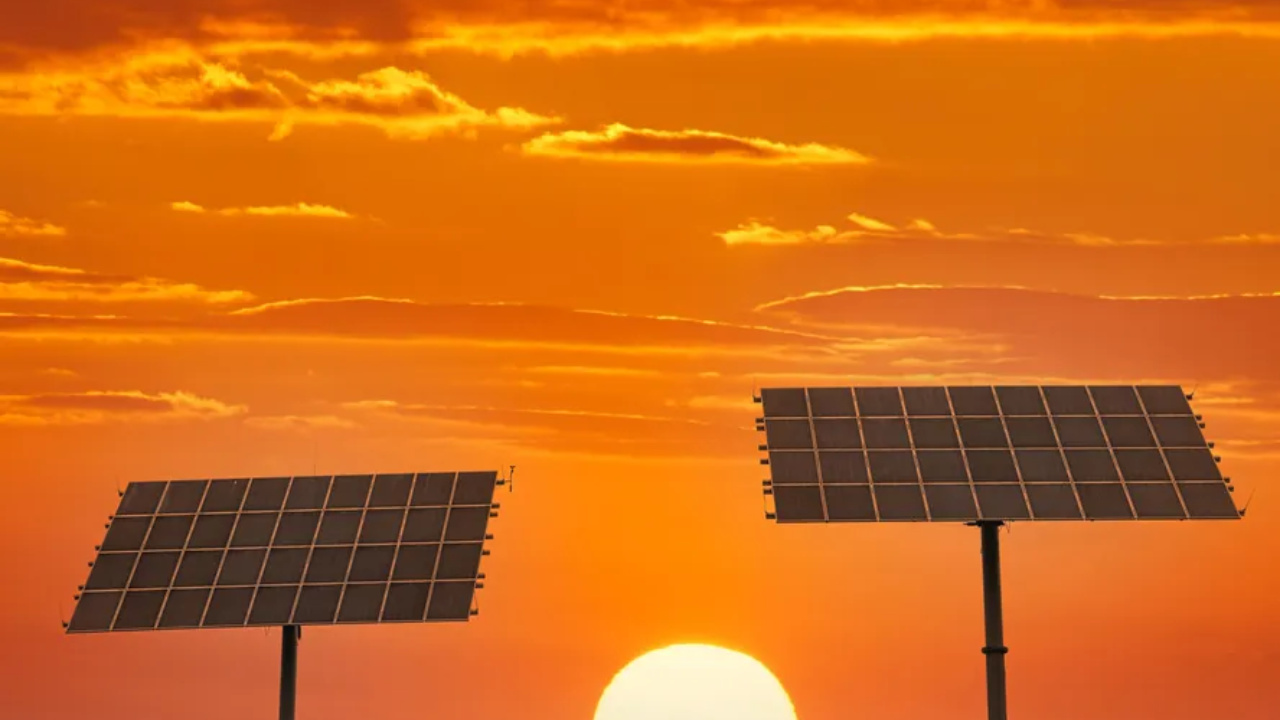
Solar Energy Registers Increase of 11.1% in Generation in November, According to CCEE, While Electricity Consumption Recedes with Milder Temperatures.
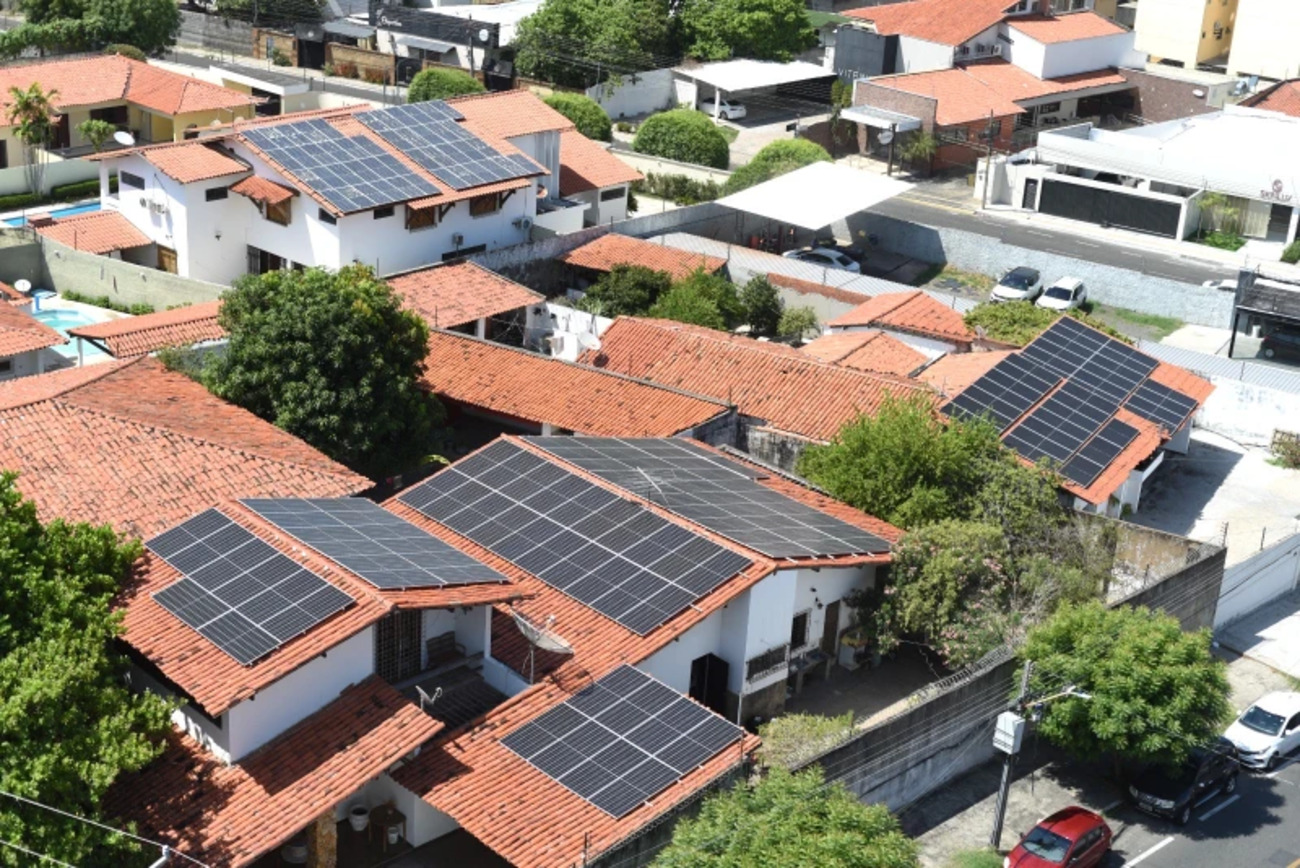
Solar energy continues to expand its participation in the Brazilian electricity matrix. In November, generation from the photovoltaic source grew by 11.1% compared to the same month in 2024, according to data released by the Electric Energy Commercialization Chamber (CCEE).
The positive performance reinforces the trend of expansion of the source in the country, even in a scenario of slowing electricity consumption.
According to the survey, solar plants produced 4,362 average megawatts (MWmed) during the period. In the same timeframe last year, generation had been 3,926 MWmed.
-
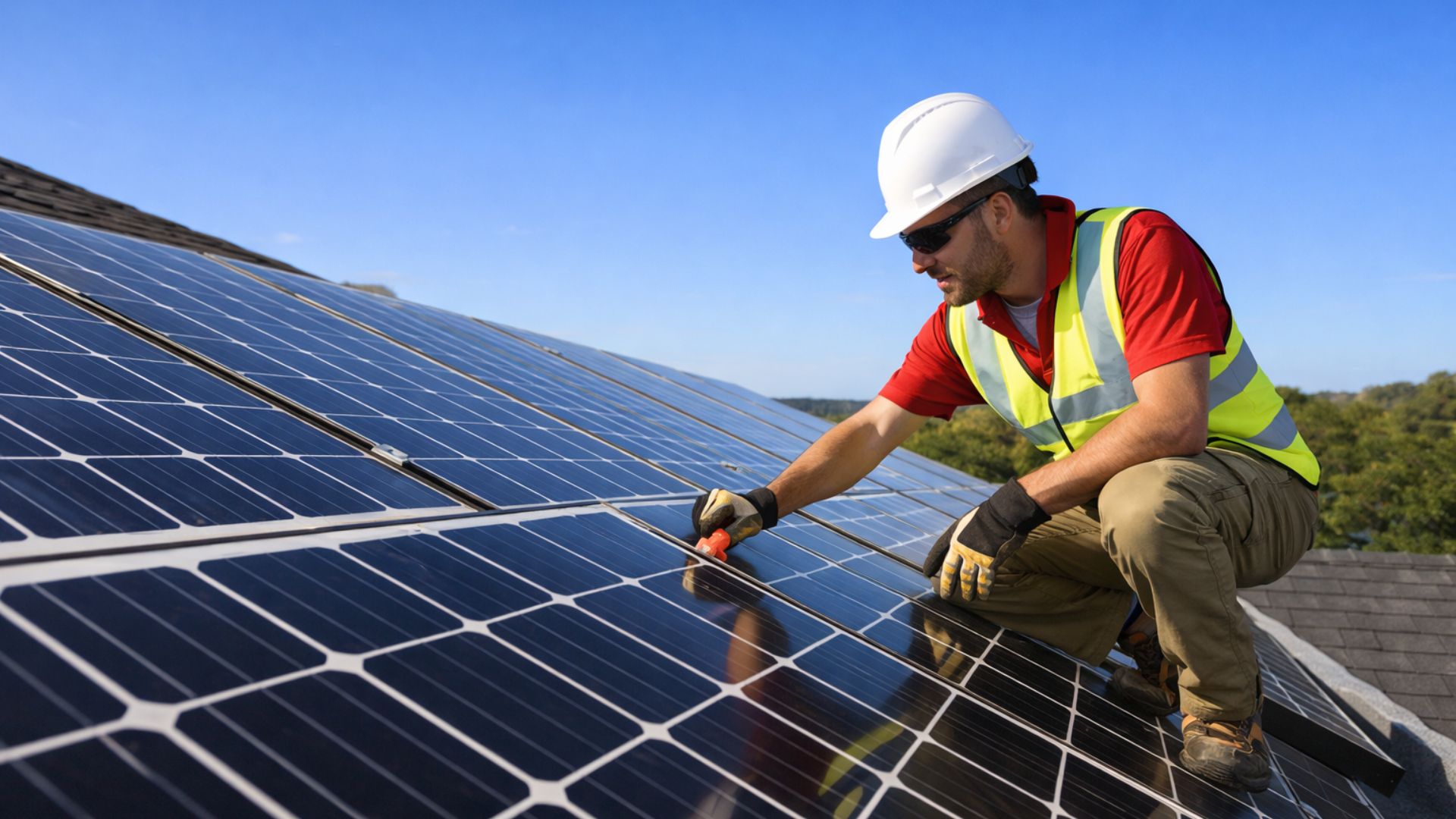
Seagri’s headquarters invests in solar energy with Neoenergia Coelba and promises to cut electricity costs, highlighting a strategic advance in sustainability and energy efficiency within state public administration.
-
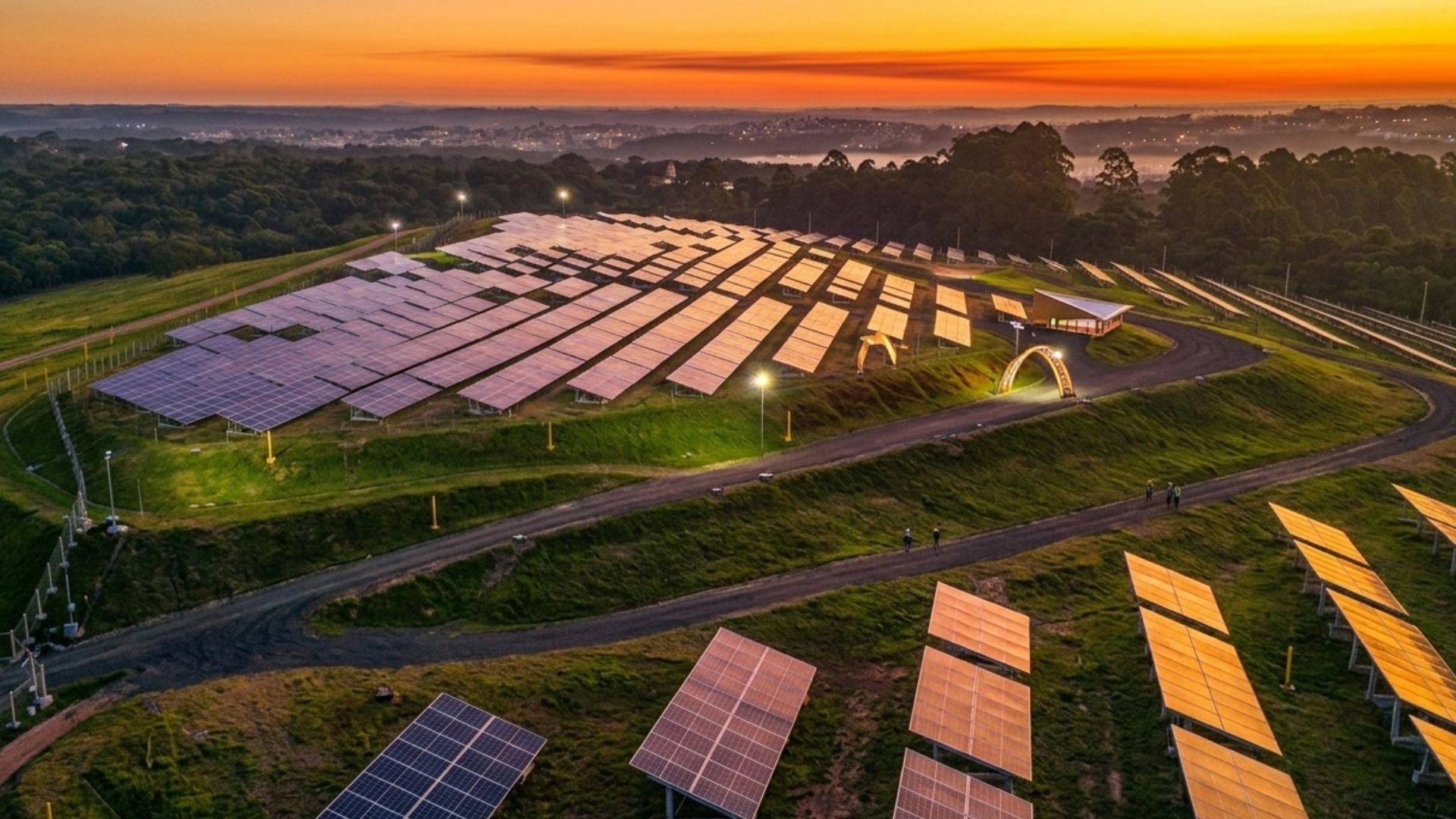
Solar Pyramid draws attention by converting solar energy into million-dollar savings and repositioning the City Hall of Curitiba as an example of innovation, sustainability, and intelligent use of public resources.
-
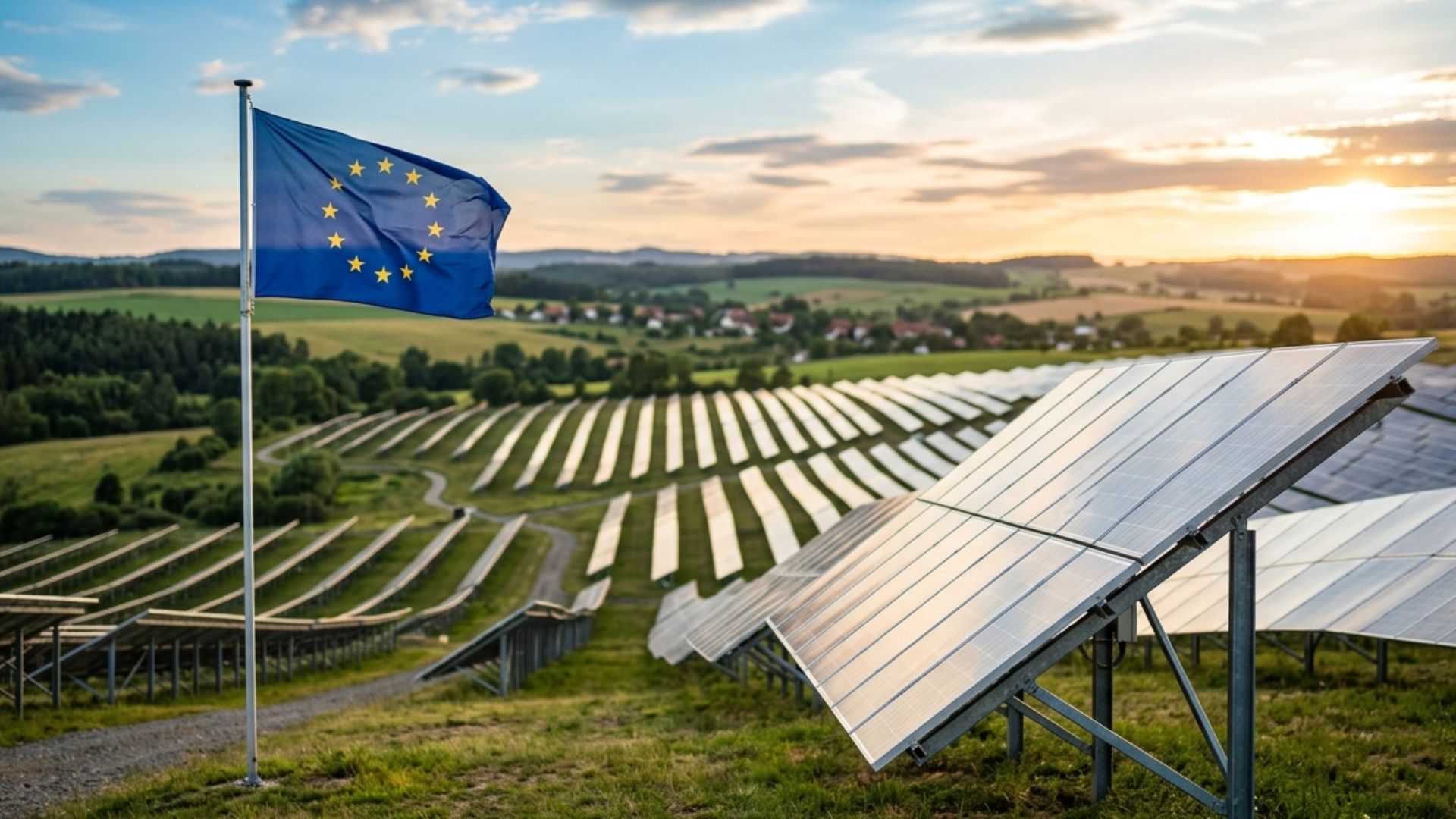
Europe records strong euro economy with solar energy in March and sparks curiosity about which country leads growth that redefines the energy market and reduces costs.
-
Piauí reaches a historic milestone in energy transition: State records nearly 160,000 households powered by solar energy and leads growth in the Northeast.

Renewable Sources Show Distinct Performances
In addition to solar energy, other sources also registered significant variations. Thermal plants saw a growth of 18.6% in generation, while wind production advanced by 8.1% in the same comparison base.
In contrast, hydropower plants experienced a drop of 10.1% in energy generation compared to October 2024. This decline helped to pressure the overall performance of the system, despite the advance of alternative sources.
According to CCEE’s bulletin, the total energy generation from the National Interconnected System (SIN) showed a reduction of 2.2% in the annual comparison. In total, 72,848 average MW were recorded as produced in November.
This result primarily reflects the lower contribution from hydropower plants, which remain sensitive to hydrological conditions. Still, the growth of solar energy helped cushion a sharper decline in the total volume of electricity generated.
The study also pointed out a decrease in electricity consumption in November. Influenced by milder maximum temperatures across much of the country, SIN consumption fell by 1.8% in the annual comparison.
In the Free Contracting Environment (ACL), the retraction was 2.7%. In the Regulated Contracting Environment (ACR), the recorded decline was 1.1%. This behavior reinforces the direct impact of climatic conditions on electricity demand.
States Show Distinct Consumption Behaviors
In the regional analysis, some states stood out with increases in consumption. Acre led the ranking with a growth of 16.6%, followed by Mato Grosso (8.7%), Pará (6.7%), the Federal District (5.8%), and Goiás (5.0%).
On the other hand, there were significant declines in other regions. Paraná showed a decrease of 10.0%, while Mato Grosso do Sul fell by 7.9%. Rio Grande do Sul (-7.7%), Santa Catarina (-7.3%), and Amapá (-6.0%) also ranked among the largest retractions.
In November, the second measurement for the ACR was recorded in the state of Roraima, with a consumption of 167 average MW. In the analysis by economic activity, most sectors showed a downward trend.
Services (-12.9%), vehicles (-11.2%), and wood, paper, and cellulose (-8.5%) registered the largest retractions. In contrast, extraction of metallic minerals (11.4%), transport (2.1%), and sanitation (1.6%) showed growth in consumption.
In this context, solar energy maintains an expansion trajectory and reinforces its strategic role in diversifying the Brazilian electricity matrix.







Seja o primeiro a reagir!