





 Portuguese
  English
  Spanish
  4 min of reading
  0 comments


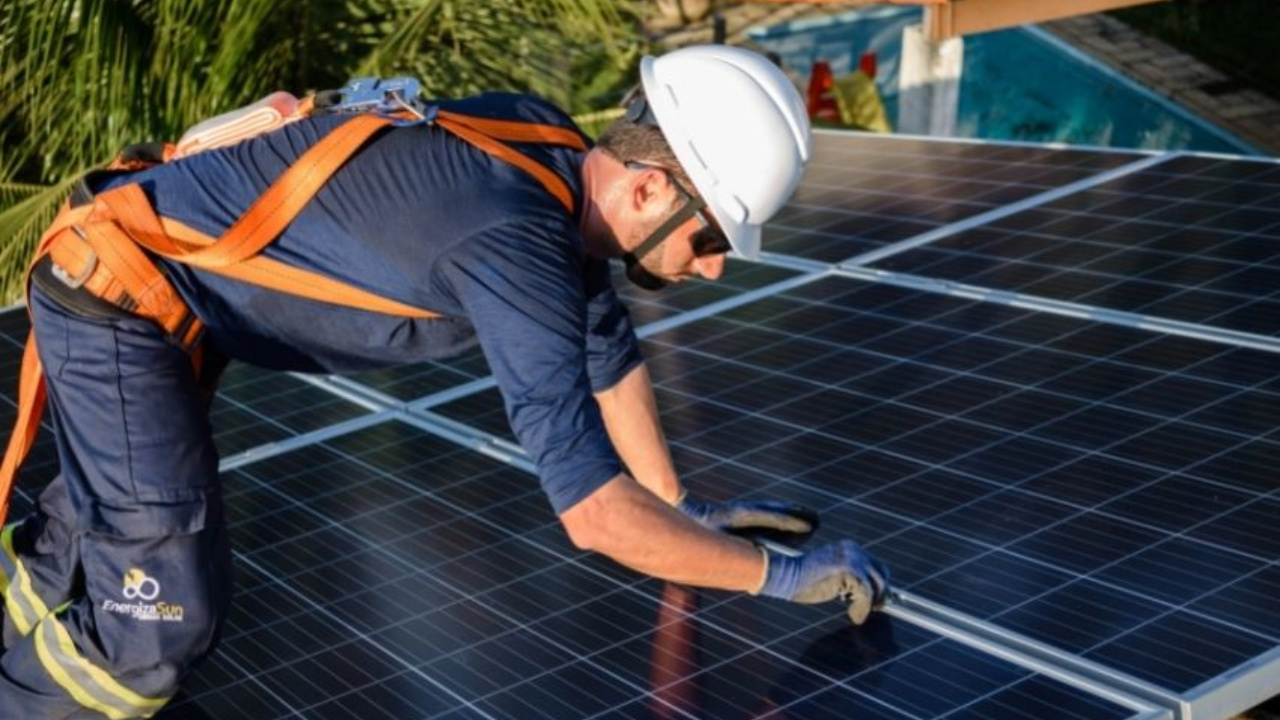
Solar energy drives the Brazilian economy with 500 thousand new jobs, US$ 57.5 billion in investments, and technological advancements that revolutionize installer management. See how the sector becomes a central piece of the energy transition in the country.
Solar energy continues to gain prominence in Brazil and is already positioning itself as one of the foundations of the green economy. In just one year, the sector reached an unprecedented milestone: 500 thousand new jobs and US$ 57.5 billion in investments, according to data from the Brazilian Photovoltaic Solar Energy Association (ABSOLAR). Thus, the segment accelerates income generation, attracts capital, and strengthens the energy transition at an accelerated pace.
Moreover, photovoltaic expansion had a direct impact on climate mitigation, avoiding the emission of 27 million tons of CO₂ in just the last year. The progress confirms that solar energy has become indispensable in the national decarbonization strategy.
Solar Energy Already Represents 22.2% of Electricity Consumed in Brazil
Although the country’s energy matrix still has a predominant hydropower component, accounting for 44.5% of generation, solar energy has already emerged as the second main source, with a 22.2% share. This leap results from a continuous process that began in the 1990s but gained momentum in the last decade.
-
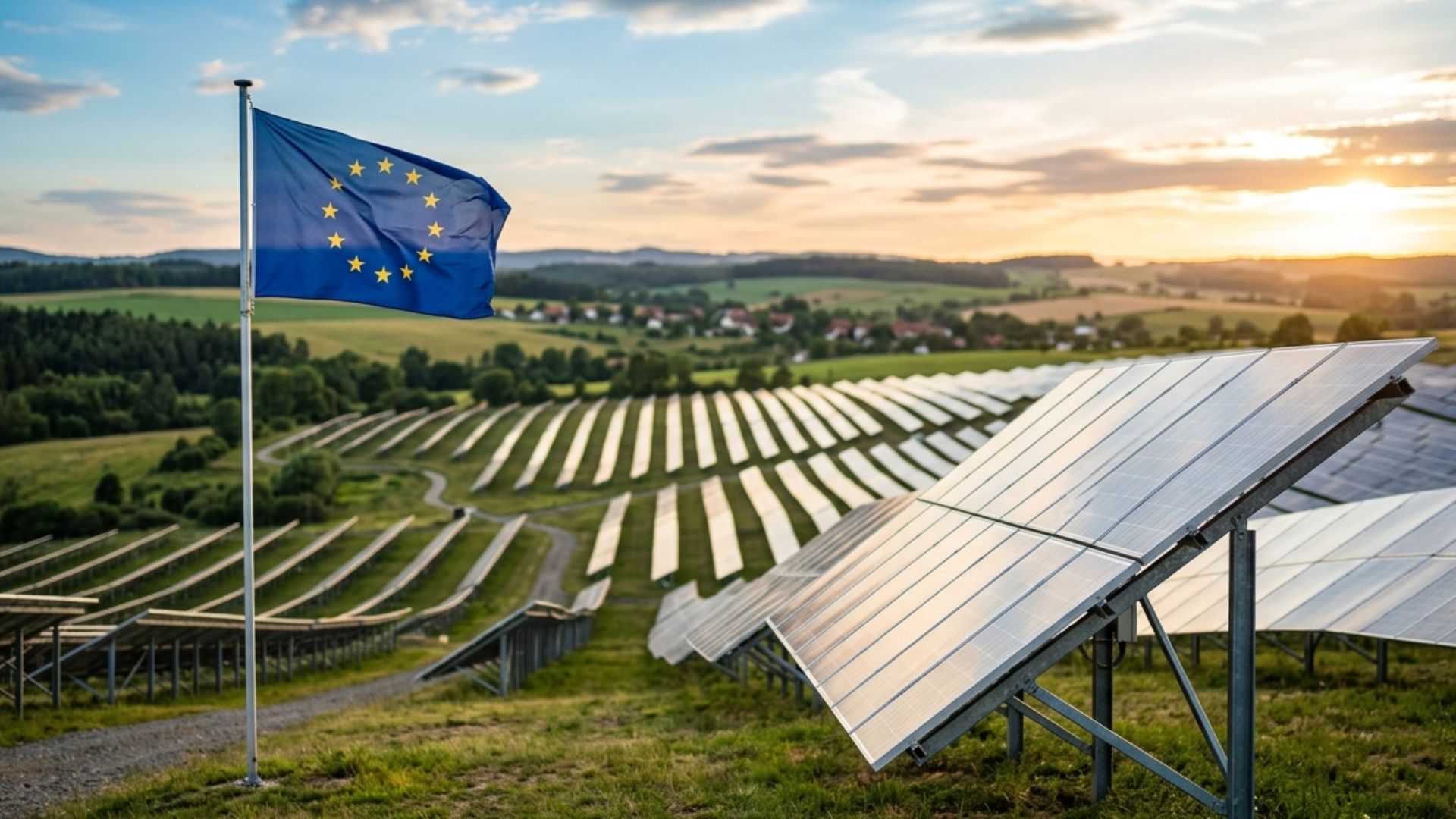
Europe records strong euro economy with solar energy in March and sparks curiosity about which country leads growth that redefines the energy market and reduces costs.
-
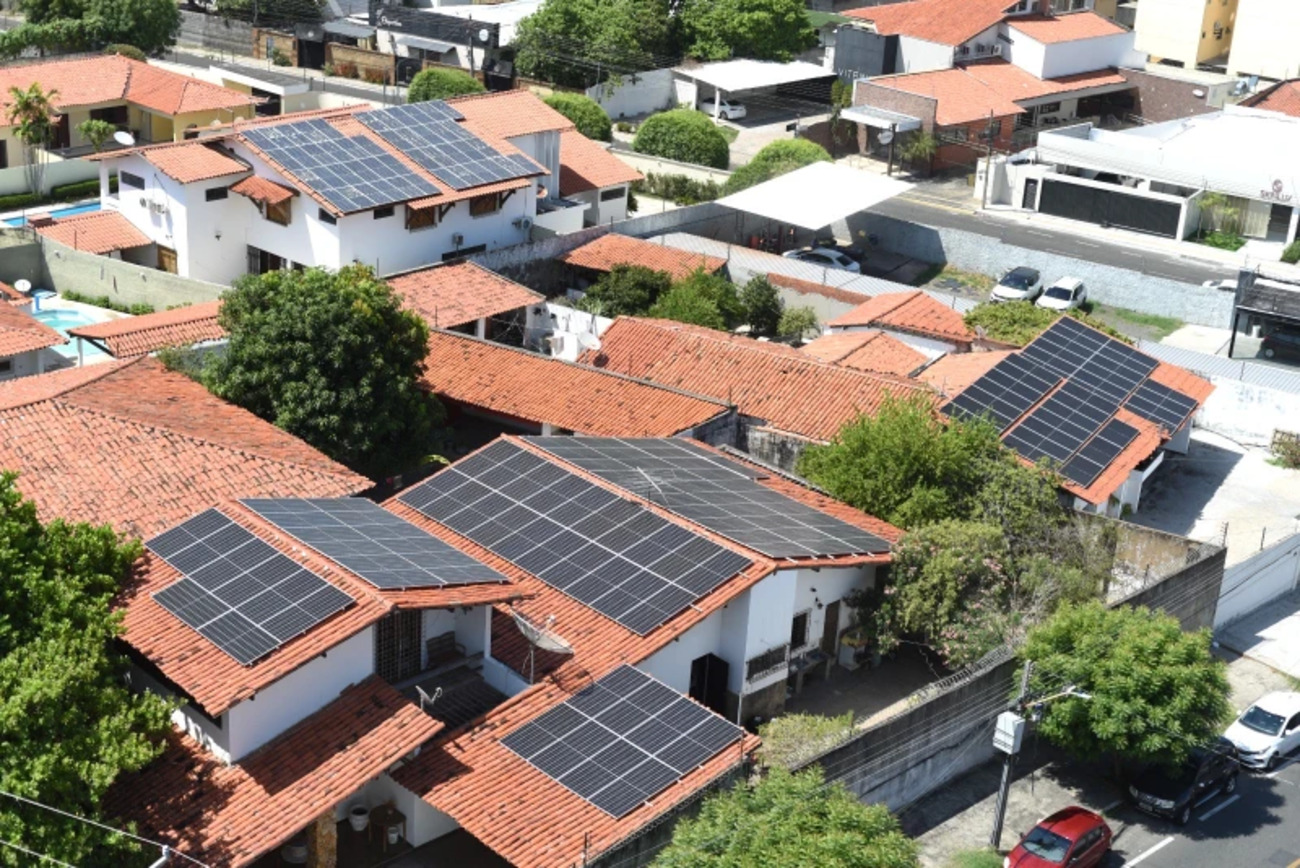
Piauí reaches a historic milestone in energy transition: State records nearly 160,000 households powered by solar energy and leads growth in the Northeast.
-
Argentina debuts its first 100% solar-powered highway and transforms an entire road into a showcase of clean energy.

-
Minas Gerais reaches a historic record and surpasses the power of Itaipu, but network costs generate debate: Understand why solar energy in MG impacts the electricity bill of those without panels.

Since then, the sector has mobilized US$ 250.9 billion, generated 1.6 million jobs, and collected US$ 78 billion in taxes. Thus, it has structured a robust industry, with a direct impact on thousands of municipalities, especially in regions suited for micro and mini distributed generation.
Projections Indicate Accelerated Expansion Until 2025, Driven by Self-Generation
According to projections from ABSOLAR, by the end of 2025, the installed solar energy capacity in Brazil should reach 64.7 gigawatts (GW). Of this total, 43 GW will come from systems installed in residences, businesses, public buildings, and rural properties. Meanwhile, 21.7 GW will come from large-scale solar plants.
The advancement is directly linked to the growing interest of consumers and companies seeking energy independence, lower costs, and, above all, access to a clean and inexhaustible source.
With Accelerated Growth, the Sector Requires Efficiency, Digitization, and Precise Management
As solar energy expands, the number of installers and integrators grows at an equally intense pace. As a result, scaling challenges arise, especially in team coordination, after-sales service, and maintenance.
According to a study by Instituto Ideal, each photovoltaic system requires between three and five technical visits — from inspection to installation and later maintenance. This flow demands rigorous planning, optimized routes, and end-to-end traceability.
For Augusto Lyra, CEO of Everflow, the current scenario demands more than hiring qualified professionals. It is essential to manage complex operations and ensure efficiency at every stage. He emphasizes:
“This is where digitization enters as a strategic ally. Field Service Management (FSM) software has become essential for installers seeking efficiency and scalability, centralizing schedules, routes, protocols, and technical reports.”
Brazilian ERP Specialized in Solar Energy Transforms Installer Management
Given these growing demands, Everflow developed the first ERP fully dedicated to the solar sector in Brazil. The platform integrates operations ranging from contracts and budgets to the financial closure of projects, becoming a central axis for companies of all sizes.
The system also organizes work orders, inventory, checklists, customer communication, and integrations with CRMs and applications like WhatsApp. The proposal, according to Lyra, is to offer a flexible solution:
“The advantage is that the tool adapts to the size of the company, serving from micro-installers to large solar plant integrators.”
In the field, technicians use an application that acts as a digital mirror of the project, recording photos, digital signatures, safety data, and real-time location. Thus, each stage is documented transparently.
Technology Becomes a Competitive Differential in the Solar Energy Market
With the market becoming more competitive and the volume of installations increasing, companies that adopt intelligent systems gain a strategic advantage. Everflow’s ERP, designed to integrate in-house or outsourced teams, multiple suppliers, and different financing models, directly addresses this need.
Lyra points out that the software adapts to businesses with few monthly projects or to integrators coordinating hundreds of installations across various states. For him, technology has become indispensable:
“In a sector that is growing exponentially and dealing with an essential good such as energy, technology is the engine that ensures sustainability, agility, and competitiveness.”








-

2 pessoas reagiram a isso.