





 Portuguese
  English
  Spanish
  3 min of reading
  0 comments



Project Approved in the Chamber Proposes Incentives for Solar Energy in New Developments, with Reduction of Urban Taxes and Incentives for Builders and Municipalities.
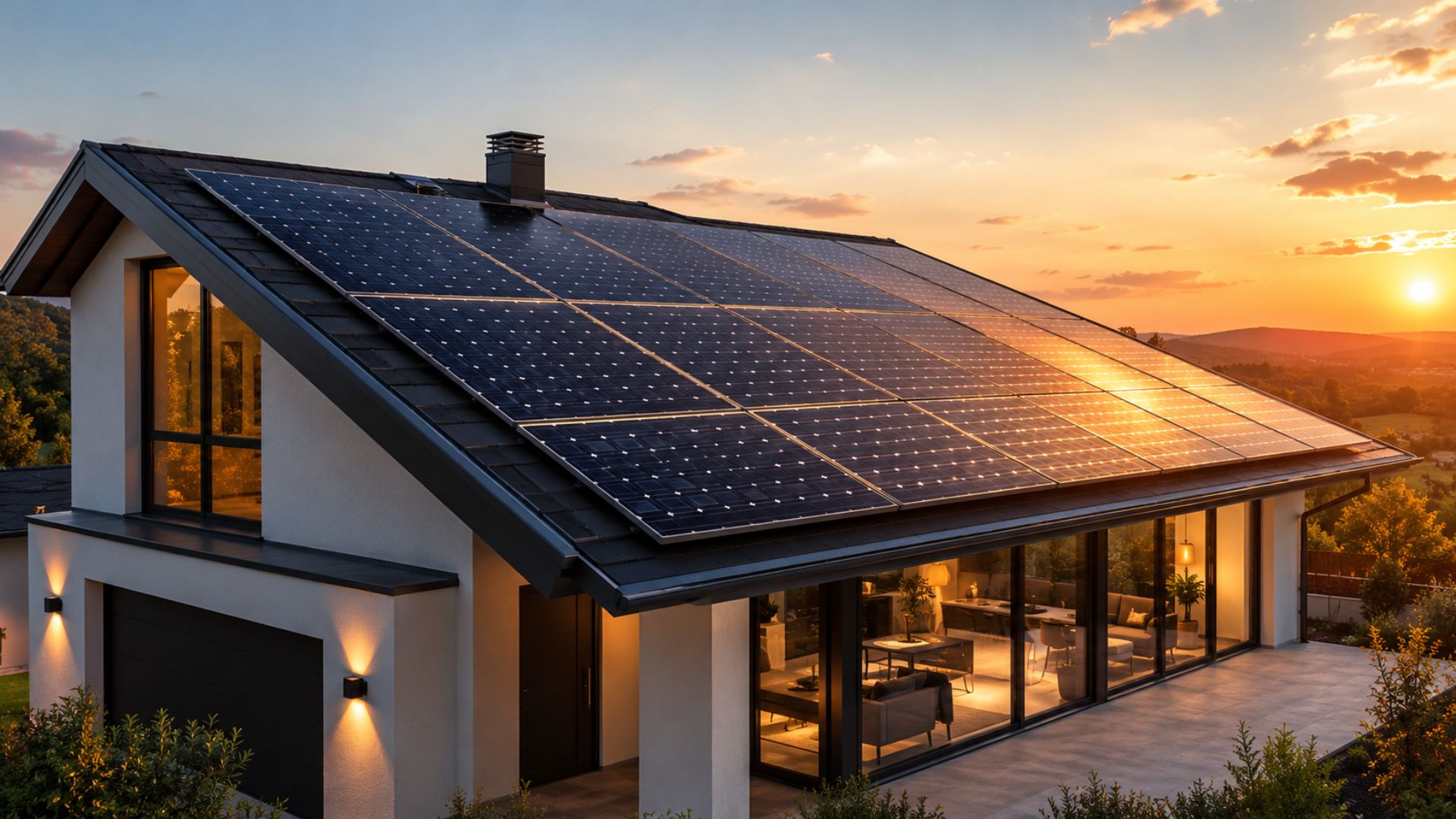
The expansion of solar energy use in urban areas has returned to the center of legislative debate. The Urban Development Commission of the Chamber of Deputies approved a proposal aimed at encouraging the adoption of renewable sources in new construction projects. The measure aims to integrate sustainable solutions into city planning, focusing on energy efficiency and reducing environmental impacts.
The approved text creates a more favorable environment for builders to incorporate solar energy systems into their projects. Additionally, the initiative aligns with broader urban sustainability goals by encouraging buildings in line with modern environmental practices.
Incentives for Builders Can Reduce Costs of New Developments
One of the main points of the proposal relates to the granting of urban incentives. If the project progresses in the National Congress and is sanctioned, builders who adopt sustainable solutions, such as solar energy, may receive a reduction in what is known as onerous transfer fees.
-
The era of solar panels attached to roofs is beginning to change with transparent glass that generates energy while keeping the view unobstructed, and perovskite photovoltaic windows already tested in offices in Japan promise to transform entire facades into invisible power plants without blocking light or altering the appearance of buildings.

-
The era of silicon alone in solar energy comes to an end with the arrival of perovskite, a material that captures a broader light spectrum, is applied as a thin film, and, together with silicon, reaches a theoretical limit of 45% efficiency in tandem modules.

-
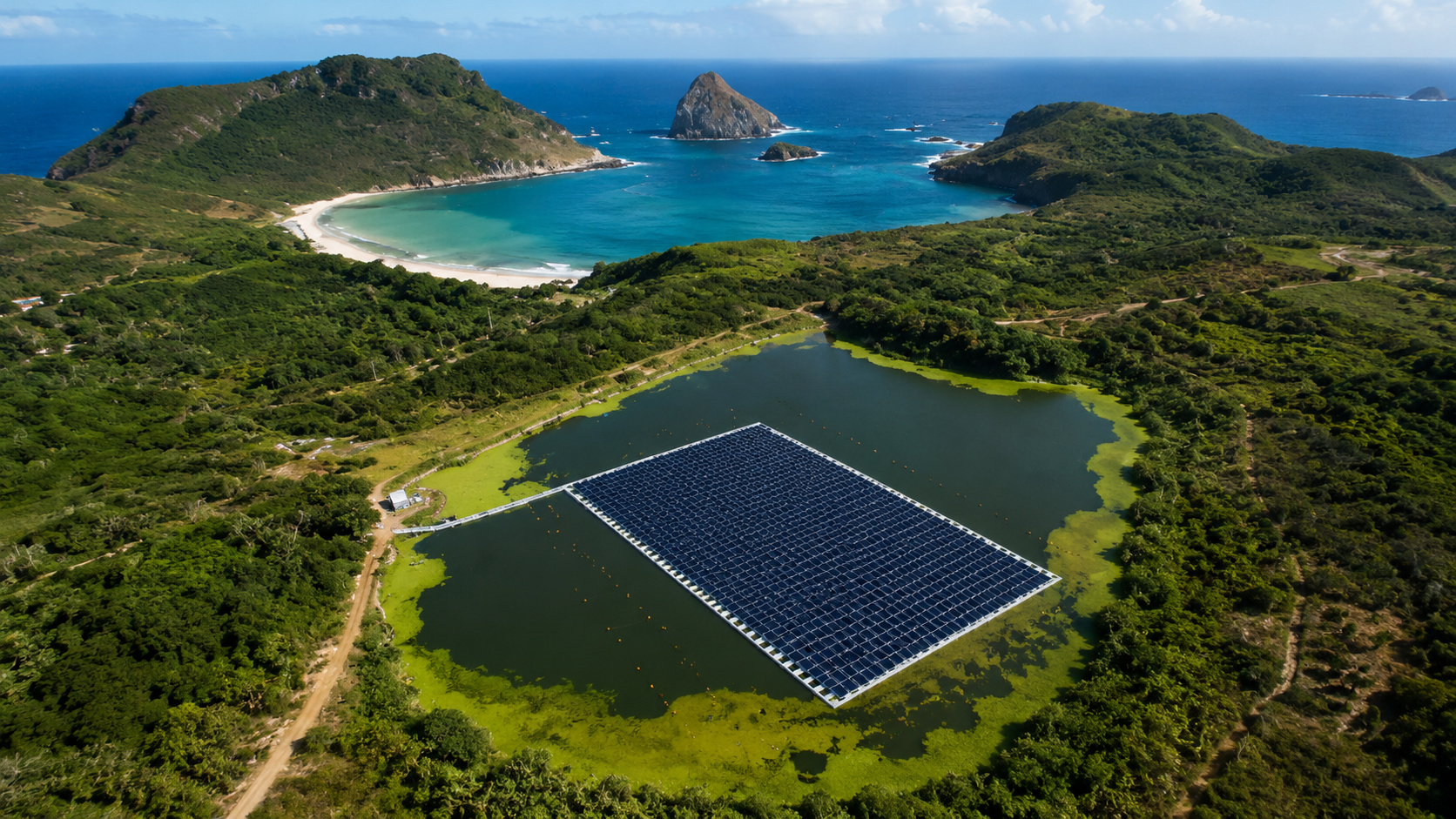
Fernando de Noronha begins unprecedented energy transformation with a R$ 350 million solar plant that promises to replace diesel generation and change the island’s sustainable future by 2027.
-
While Europe and the United States rush to save their own solar chains, China already dominates more than 80% of the global manufacturing of solar panels and has turned the sun into an industrial machine controlled by Beijing that is redefining the global energy transition.


This fee is charged by municipalities when there is authorization to build above the basic limits set in master plans. Thus, the adoption of renewable generation systems represents not only an environmental gain but also an economic advantage for the construction sector.
The expectation is that this mechanism will serve as a direct incentive for the dissemination of solar energy in residential, commercial, and institutional buildings, especially in expanding urban areas.
Project Amends the City Statute and Guides Municipalities
To make the incentives viable, the approved text proposes amendments to the City Statute. The change aims to guide municipalities to create specific mechanisms to encourage renewable energy generation in urban buildings.
With this, municipalities gain legal backing to include policies that incentivize solar energy in their urban planning instruments. Among these are master plans, building codes, and land use and occupation legislation.
In addition to renewable generation, the project also encourages the adoption of broader environmental solutions, promoting greater energy efficiency in cities and contributing to the modernization of the urban environment.
Report and Authors Reinforce Focus on Urban Sustainability
The approved proposal is a substitute presented by the rapporteur, Deputy Yury do Paredão (MDB-CE), to Bill 2,741/2024, authored by Deputy Flávia Morais (PDT-GO). The original text already provided for sustainability incentives in the construction sector, but the substitute broadened the scope of the measures by linking incentives to existing urban instruments.
According to the justification presented during the proceedings, incorporating solar energy into new buildings represents a strategic step towards aligning urban growth, technological innovation, and environmental responsibility.
Proceedings Continue to New Stages in the National Congress
After the approval in the Urban Development Commission, the matter now goes for analysis by the Commission of Constitution, Justice, and Citizenship. However, since there were divergent opinions during the proceedings, the project loses its conclusive nature.
As a result, the text will need to be considered by the Plenary of the Chamber of Deputies. If approved by lawmakers, it will still need to be analyzed by the Federal Senate before becoming law.
In the meantime, the debate on solar energy and incentives for sustainable construction is likely to gain traction among public managers, builders, and urban planning experts, given the growing demand for more efficient and environmentally responsible cities.








Be the first to react!