





 Portuguese
  English
  Spanish
 5 min of reading
  0 comments


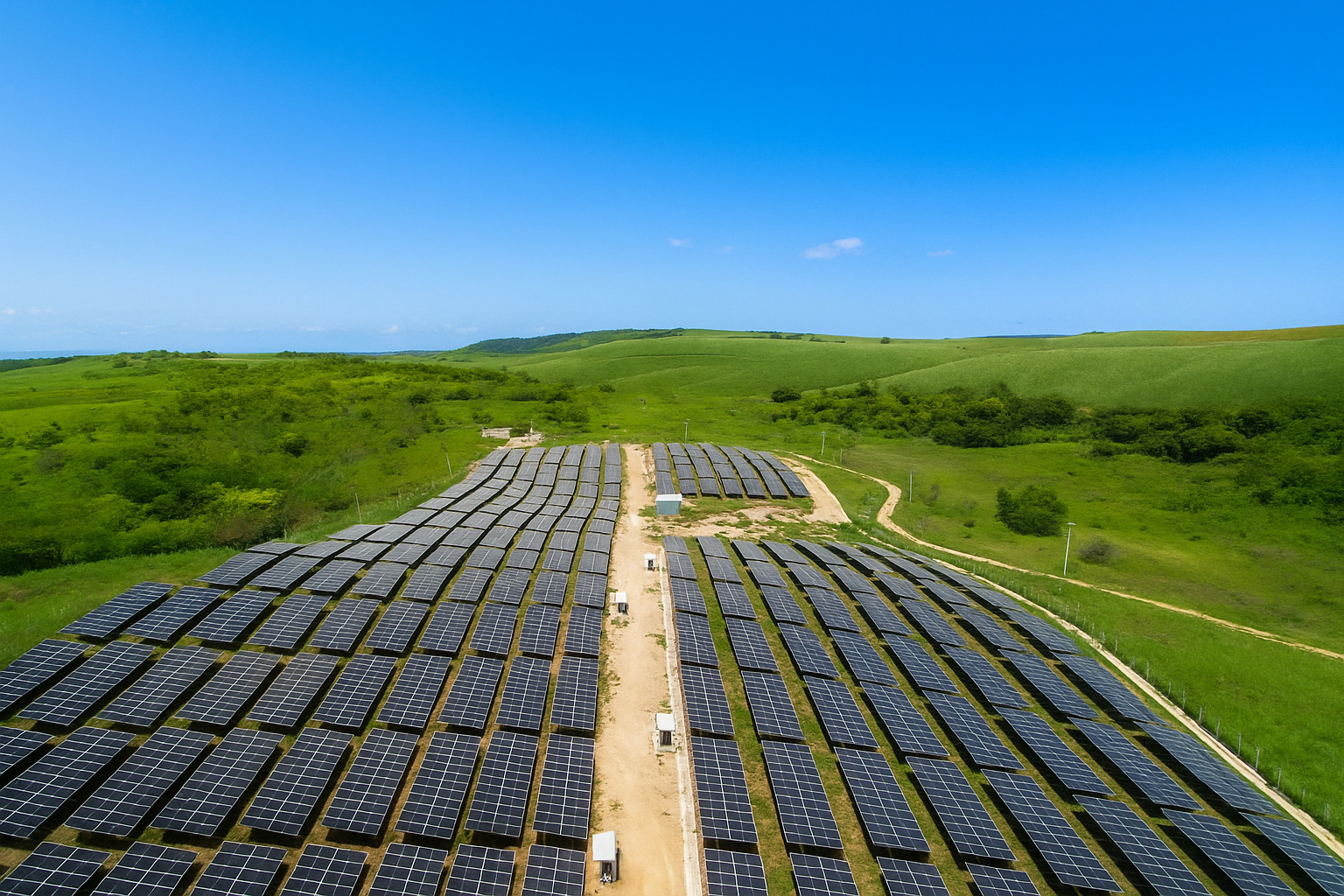
Lead: Kroma Invests R$ 4.7 Million in Ipu, Strengthening Solar Energy in Ceará and Expanding Clean Generation for 1,500 Residences with Innovation and Sustainability.
Solar energy in Ceará is growing consistently as one of the pillars of the state’s energy matrix. Recently, Kroma Energia announced an investment of R$ 4.7 million in the construction of the Ipu Photovoltaic Plant (UFV Ipu). Reinforcing the region’s role in the production of clean and renewable energy.
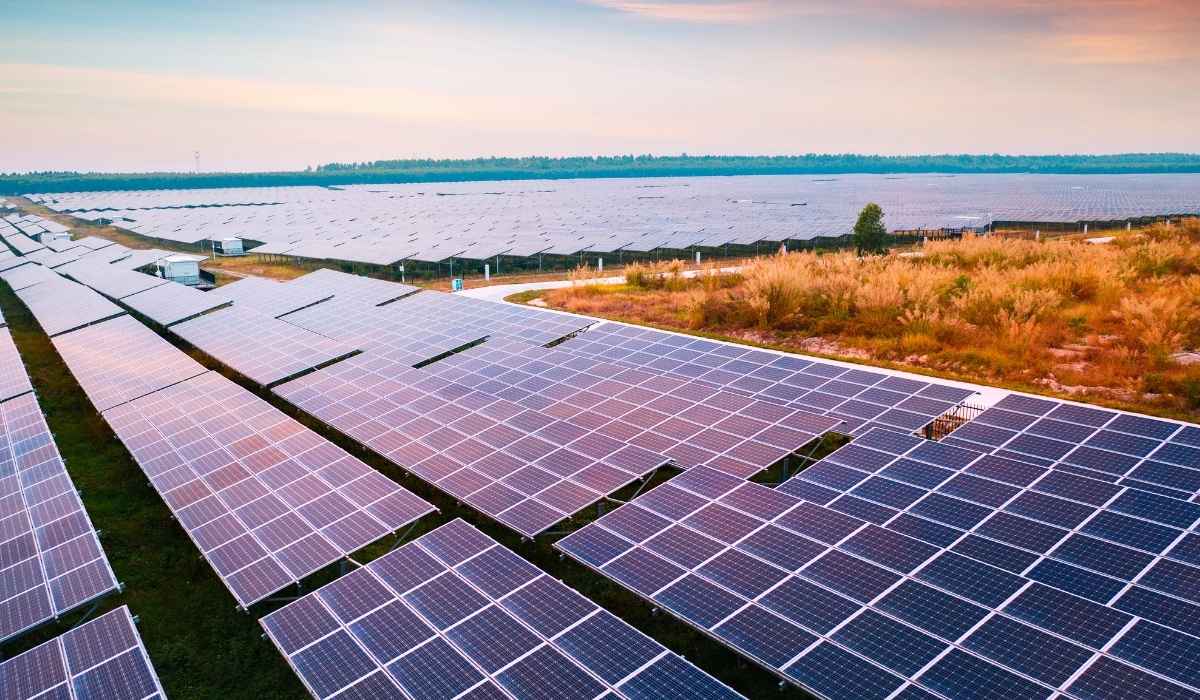
In addition, the new plant, located in the municipality of Ipu, will have a capacity of 1.30 MWp, enough to supply approximately 1,500 residences.
Indeed, Ceará has always shown great potential for solar energy due to its privileged geographical location. With high solar radiation incidence throughout the year.
-
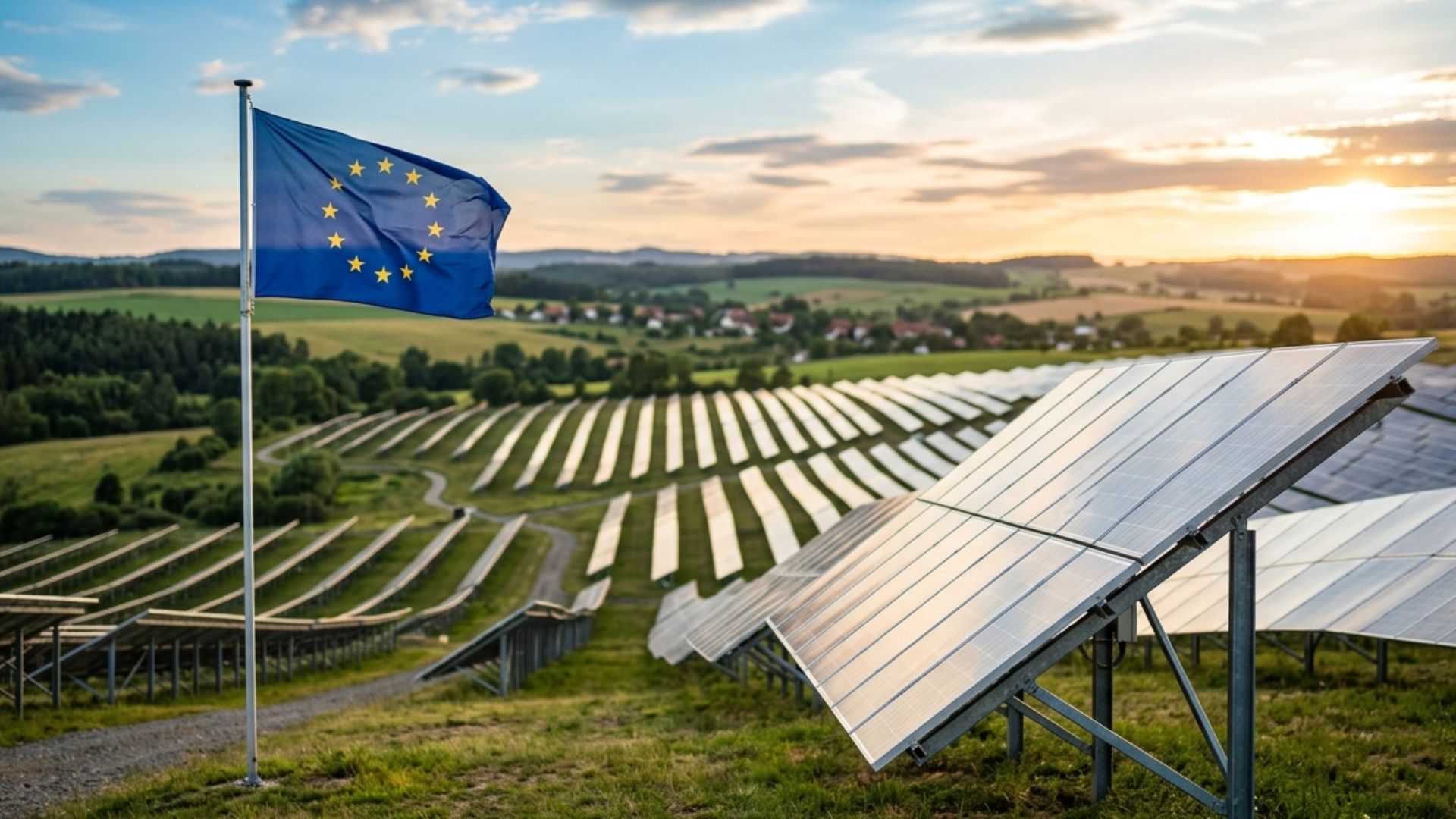
Europe records strong euro economy with solar energy in March and sparks curiosity about which country leads growth that redefines the energy market and reduces costs.
-
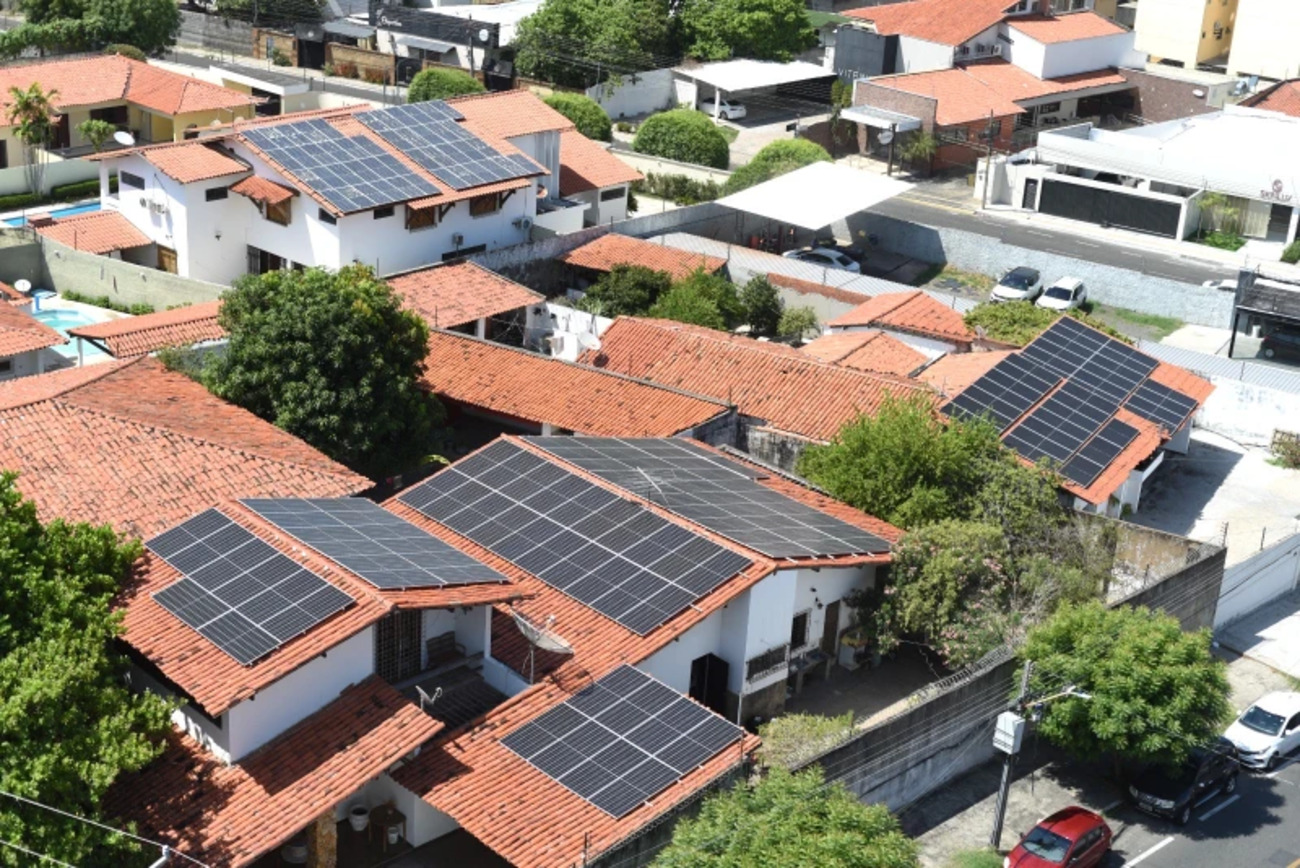
Piauí reaches a historic milestone in energy transition: State records nearly 160,000 households powered by solar energy and leads growth in the Northeast.
-
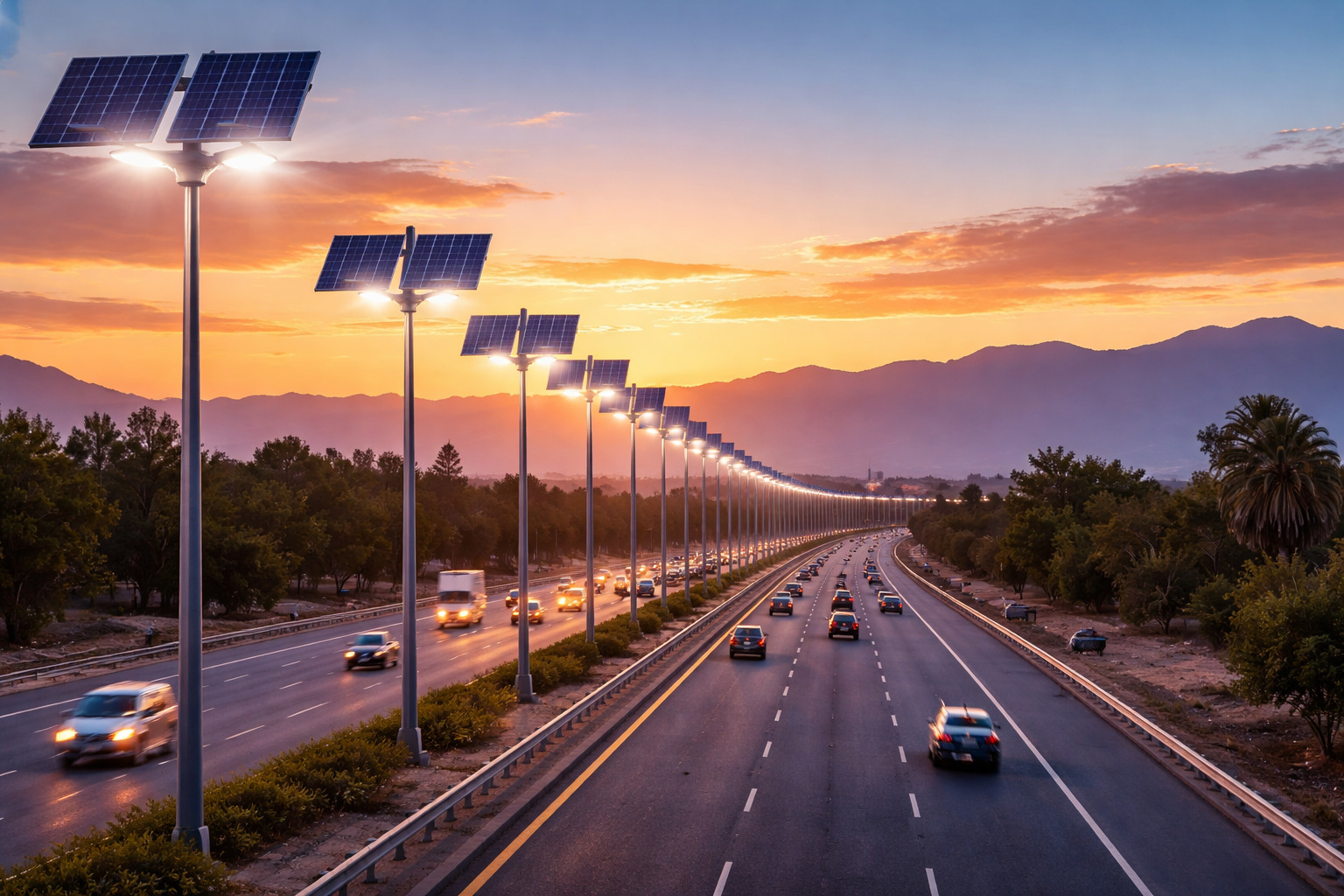
Argentina debuts its first 100% solar-powered highway and transforms an entire road into a showcase of clean energy.
-
Minas Gerais reaches a historic record and surpasses the power of Itaipu, but network costs generate debate: Understand why solar energy in MG impacts the electricity bill of those without panels.

This scenario has motivated companies and investors to expand photovoltaic generation projects, turning the state into a national reference in the renewable energy sector.
The Expansion of Solar Energy in Ceará
Since the 2000s, public and private initiatives have stimulated the implementation of solar plants, highlighting policies to encourage micro and mini-generation. Allowing households and small businesses to produce their own electricity.
Moreover, the solar potential of Ceará connects to a historical context of seeking energy autonomy. For years, the state relied heavily on hydroelectric sources, subject to climate variations and droughts.
Therefore, the adoption of solar energy emerges as a strategic solution, offering predictability and sustainability. In this sense, projects like UFV Ipu reinforce the idea that the region can turn its abundance of sunlight into competitive advantage and wealth generation.
UFV Ipu, whose groundbreaking was launched in September, will occupy an area of four hectares, equivalent to five football fields.
Additionally, the installation will feature 2,160 photovoltaic modules, high-tech inverters, and solar tracking systems. Ensuring energy efficiency and maximum light capture.
Thus, in addition to generating clean energy, the project reduces 80 tons of CO₂ per year, an impact equivalent to planting 560 trees.
Kroma Energia’s Experience and Previous Projects
Kroma Energia, founded in 2008, has built a solid experience in renewable generation, with over 5.7 GW in projects in Brazil.
In Ceará, the company participated in major ventures, such as the Apodi Complex. Inaugurated in 2018, in partnership with Equinor and Scatec, and the Beberibe PV Plant, completed in 2023.
Currently, the company leads the Arapuá Complex in Jaguaruana, which will have 247 MWp, reinforcing its presence and commitment to the energy transition.
Moreover, the expansion of solar energy in Ceará also promotes economic and social development, generating direct and indirect jobs during the construction and operation of the plants.
In the case of UFV Ipu, it is estimated that 100 jobs will be created, in addition to boosting local suppliers and companies involved in the production chain.
Therefore, this multiplier effect strengthens the regional economy and shows how clean energy acts as a vector for growth.
Besides the economic impacts, the project contributes to diversify the energy matrix of the state. Indeed, Ceará, which historically relied on hydroelectric and thermal sources, increasingly integrates renewable sources.
In this sense, the installation of medium-sized solar plants, like UFV Ipu, complements existing large complexes and brings energy production closer to local consumption. Thus increasing energy security and reducing transmission losses.
Additionally, the strengthening of solar energy positively influences tourism and agribusiness.
Regions with higher investment in clean energy offer reliable infrastructure, attracting companies and events that require constant electricity.
At the same time, small producers reduce operational costs with irrigation electrification and storage. Showing how solar energy in Ceará impacts various sectors of the economy.
Regulatory Framework and Incentives for Decentralized Generation
The advancement of solar energy in Ceará follows important regulatory milestones, such as Law 14.300/2022, which established rules for micro and mini-generation and implemented the credit compensation system.
Thus, the legislation paved the way for families, businesses, and communities to invest in photovoltaic systems, promoting decentralization and democratization of energy.
Moreover, it encourages companies like Kroma to develop larger scale projects, combining technological innovation and sustainability.
According to Écliton Ramos, director of Energy Solutions at Kroma, the company seeks to consolidate its presence in the state with projects that align clean energy and competitiveness.
For her part, Mariana Lucena, project manager, emphasizes that portfolio diversification reinforces the company’s role in the Brazilian energy transition, showing that the private sector plays a central role in advancing renewables.
Therefore, this movement reflects a historical context of transformation, in which Ceará positions itself as a protagonist in adopting sustainable energies.
Furthermore, the presence of local authorities, such as the mayor of Ipu, Milena Damasceno, and state deputy Bruno Pedrosa, president of the Parliamentary Front for Renewable Energies. At the groundbreaking ceremony, highlights that solar energy contributes directly to regional development.
Thus, projects like UFV Ipu demonstrate that investments in energy infrastructure generate tangible benefits, from reduced electricity costs to the creation of job opportunities.
The development of solar energy also promotes greater environmental awareness.
For example, schools, universities, and community centers engage with photovoltaic projects, creating educational programs that teach about sustainability, energy efficiency, and climate change.
In this context, this integration between energy generation and education strengthens the culture of innovation in the state, preparing future generations for an expanding sector.
Social and Economic Impact of Solar Energy
The impact of solar energy in Ceará goes beyond the installation of panels.
It symbolizes a new development model, where technology, sustainability, and economy walk together.
In this way, plants like UFV Ipu show that the state has favorable natural conditions and technical capability to transform its solar potential into competitive advantage.
Moreover, the combination of abundant radiation, public incentive policies, and private investments creates a favorable environment for the continuous growth of solar energy.
In addition to strengthening the energy matrix and generating jobs, the expansion of solar energy reduces greenhouse gas emissions, aligning the state with national and international sustainability commitments.
Thus, medium-sized projects, alongside large complexes, consolidate Ceará as a reference in renewable energy, offering a replicable model for other regions in the country.
The new plant from Kroma Energia demonstrates, therefore, how solar energy socially and economically transforms the state.
By investing in innovation, efficiency, and sustainability, the company reinforces its leadership in the sector and indicates that Ceará is positioned to become a national hub for clean energy.
UFV Ipu represents an important step in this trajectory, uniting cutting-edge technology, job generation, and stimulation of the local economy.
Consolidating Ceará as a Reference in Renewables
In summary, solar energy in Ceará acts as a driving force for regional development.
Thus, with investments like those from Kroma Energia, the state diversifies its matrix, promotes sustainability, creates jobs, and strengthens its position in the Brazilian energy landscape.
In this way, UFV Ipu is more than a plant: it is a symbol of how clean energy generates positive impact, consolidating Ceará as a national reference in renewable energies and showing that the future of energy is closely linked to sustainability and technological innovation.








Seja o primeiro a reagir!