





 Portuguese
  English
  Spanish
  4 min of reading
  1 comment


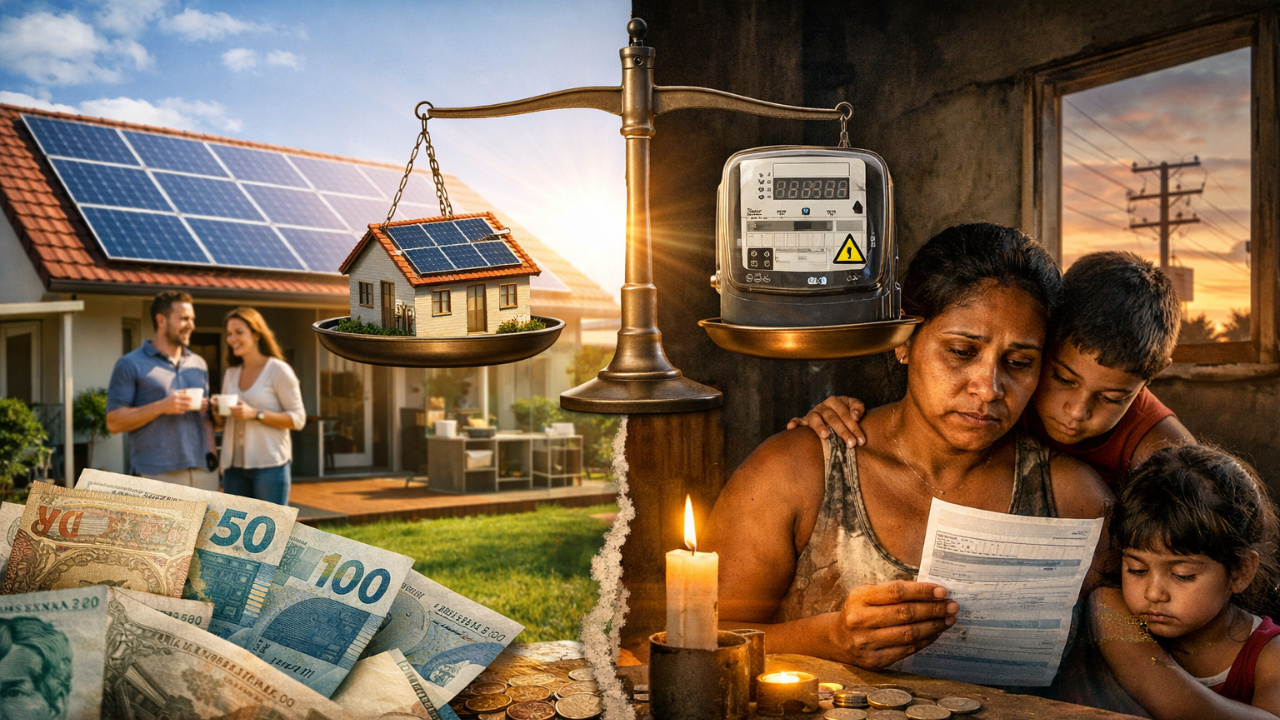


Solar Energy Enters Into Debate After Consumers Council Defends Changes In Subsidies And Expansion Of White Rate To Correct Distortions In Electricity Bill.
Solar energy is marketed as a symbol of savings, sustainability, and a clean future. However, behind the roofs covered with photovoltaic panels and the solar farms spread across the country, a new controversy is beginning to gain traction.
According to consumer representatives, the current subsidy model may be causing a deep distortion in the Brazilian electrical system, leading to the solar energy bill being indirectly paid by those who do not have the means to invest in this technology.
This criticism gained prominence during an official event of the National Electric Energy Agency (Aneel), where a change in the charging format for electricity was advocated, especially during peak consumption times.
-
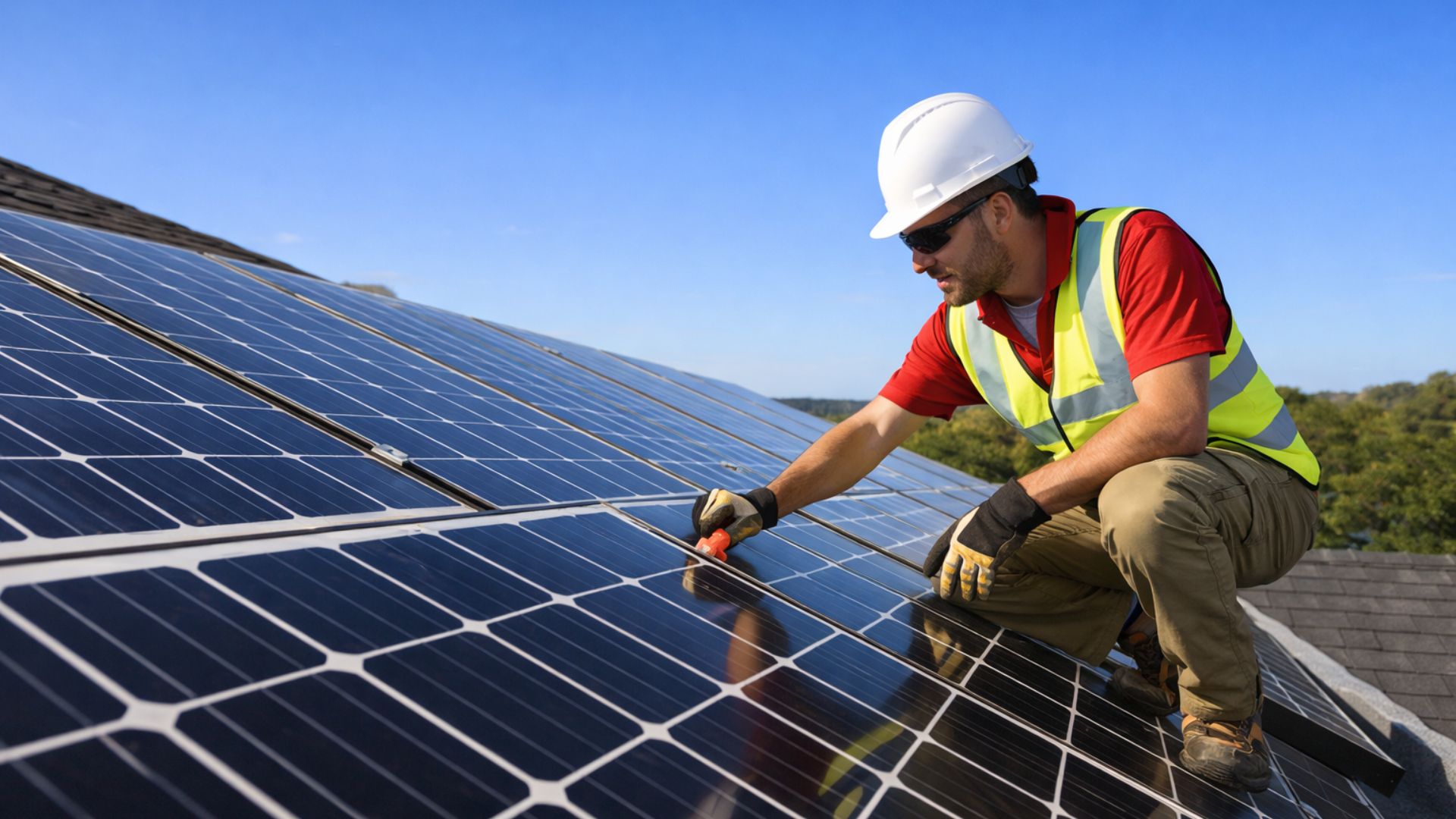
Seagri’s headquarters invests in solar energy with Neoenergia Coelba and promises to cut electricity costs, highlighting a strategic advance in sustainability and energy efficiency within state public administration.
-
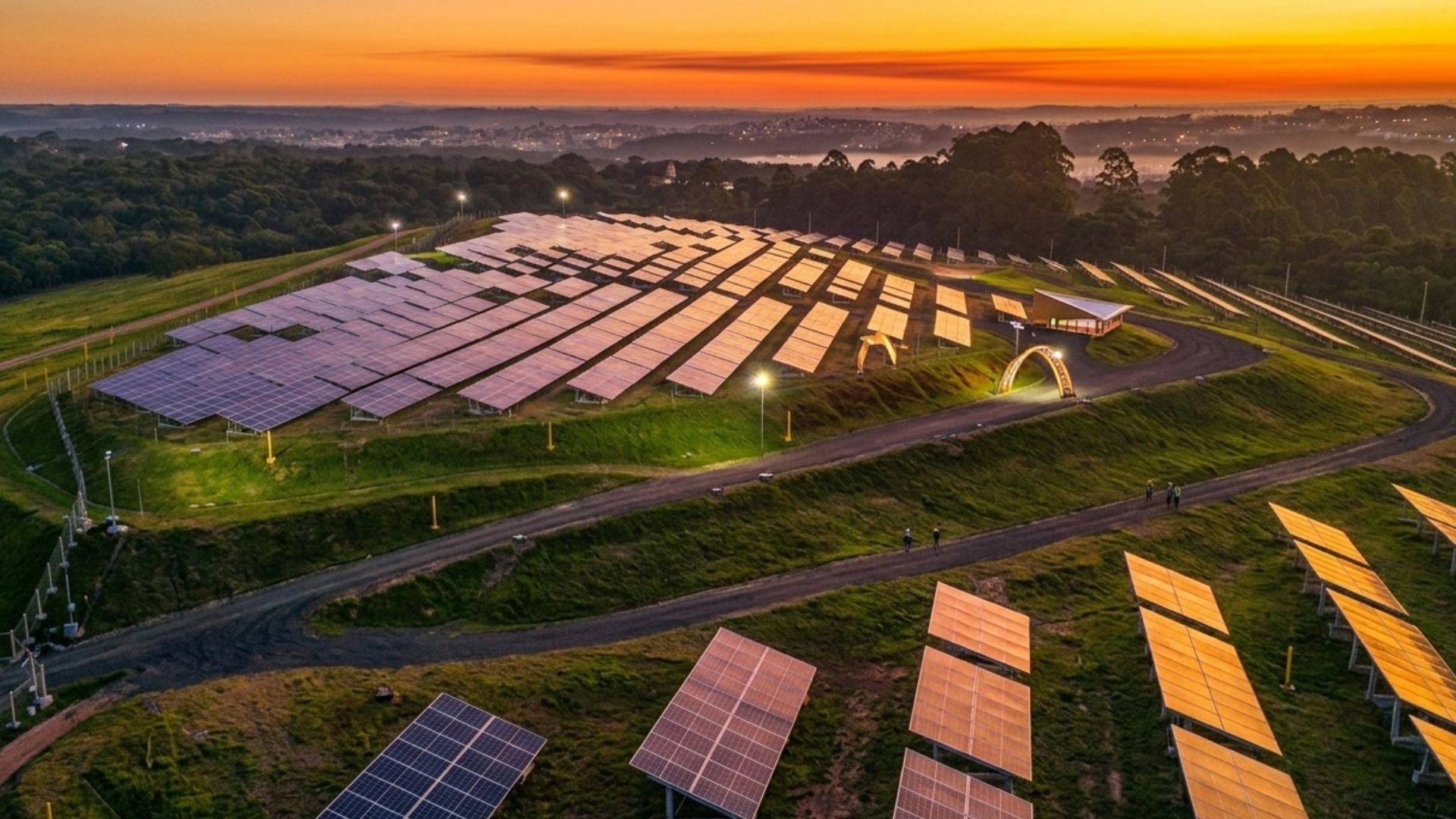
Solar Pyramid draws attention by converting solar energy into million-dollar savings and repositioning the City Hall of Curitiba as an example of innovation, sustainability, and intelligent use of public resources.
-
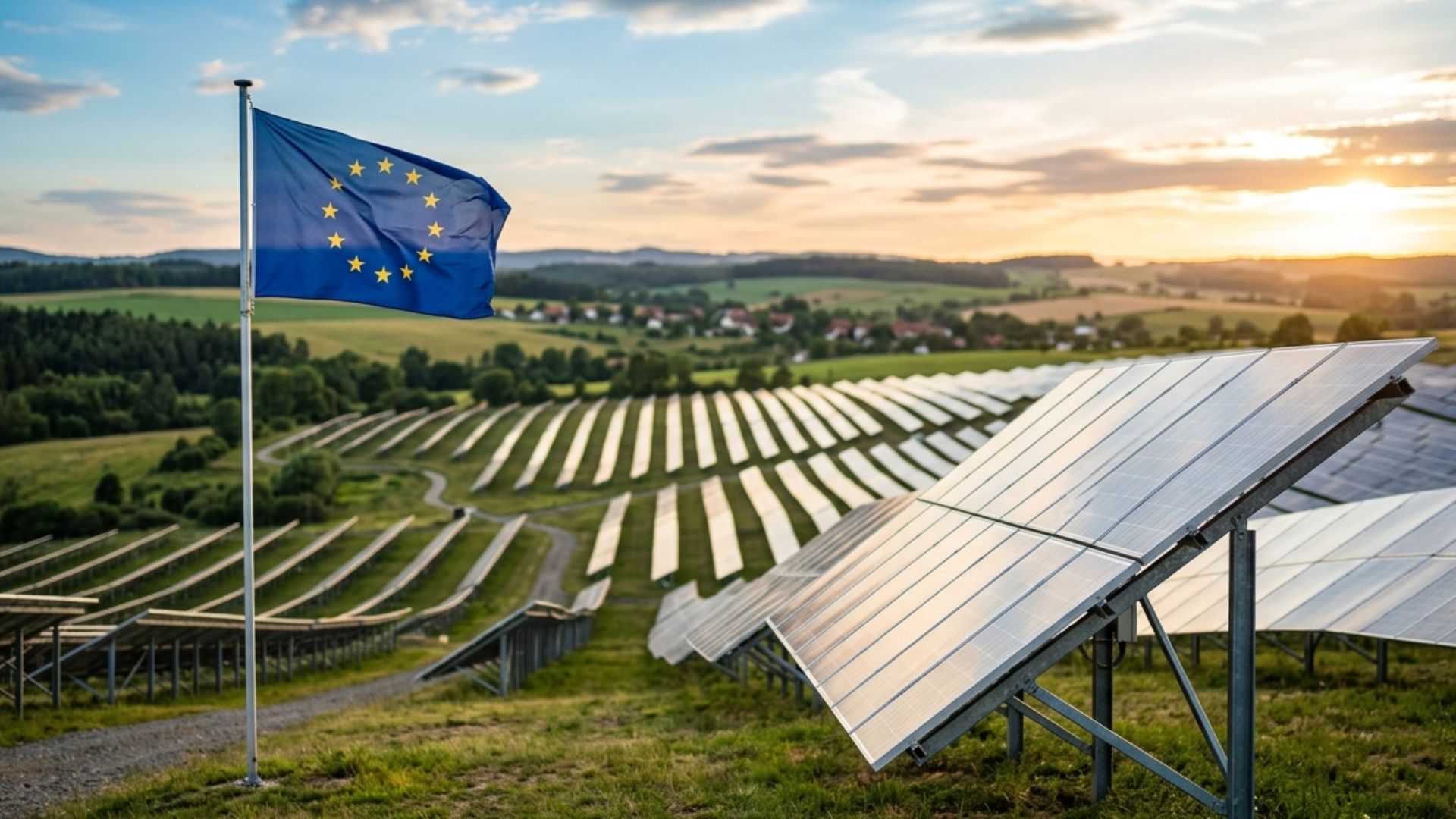
Europe records strong euro economy with solar energy in March and sparks curiosity about which country leads growth that redefines the energy market and reduces costs.
-
Piauí reaches a historic milestone in energy transition: State records nearly 160,000 households powered by solar energy and leads growth in the Northeast.
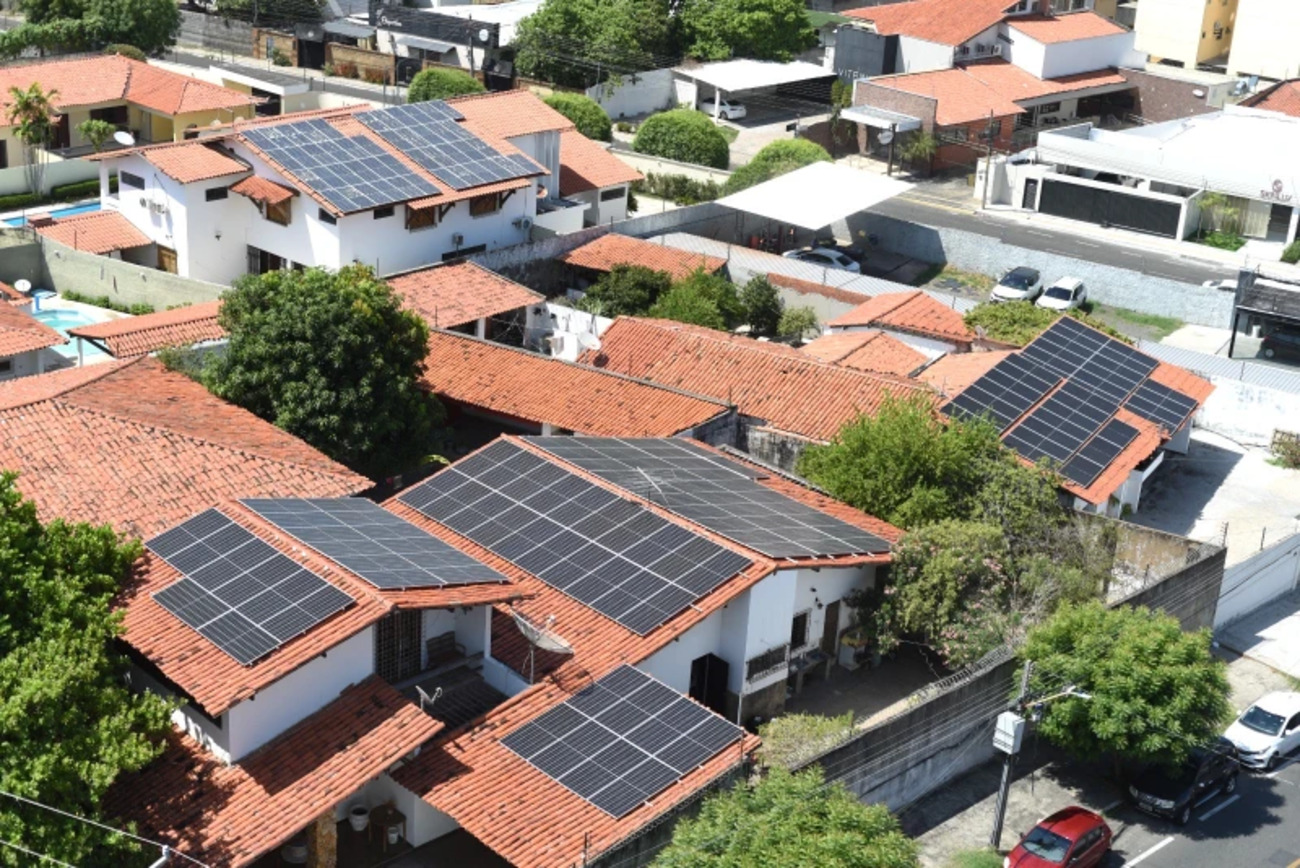
At the center of the discussion is the so-called white rate, which can radically change how electricity is charged and who actually bears the costs of solar energy in Brazil.
Subsidies Of Solar Energy And The Denunciation Of Tariff Injustice
During the second workshop of Aneel on the New White Rate, held on Wednesday morning (28), the president of the Consumers Council of Energisa Mato Grosso do Sul (Concen), Rosimeire Costa, made a statement that provoked reactions in the electrical sector.
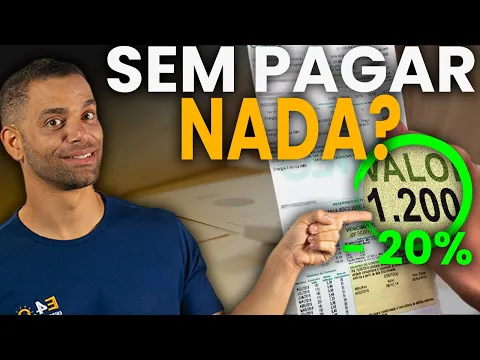

She stated that the subsidies granted to MMGD, the mini and micro distributed energy generators — mainly linked to solar energy — are not paid by those with panels on their roofs, but rather by low-income consumers who continue to depend on the traditional grid.
“This directly impacts the consumer who does not have a roof, who cannot afford this energy. It is common to hear that these people should take out loans from banks for installations, but who are we talking about? It is not the consumers from classes C and D who have access to these sources.”
According to Rosimeire, the narrative that everyone can invest in solar energy ignores the financial reality of the majority of the population, creating a system where the middle class and part of the wealthier receive benefits supported by those who can barely pay their own electricity bill.
Billions In Subsidies And An Increasingly Pressured System
The numbers presented by Aneel reinforce the magnitude of the problem. In 2024, subsidies granted for distributed solar generation reached around R$ 11.61 billion. In Mato Grosso do Sul, this model accounted for approximately 37.95% of the energy sold in the state.
At the same time, solar energy production does not align with peak demand times. During the day, especially at lunchtime, generation is surplus.
However, in the late afternoon and evening, when consumption spikes, solar panels cease production, and users become dependent on the conventional grid.

This mismatch generates costs that ultimately get redistributed to the entire consumer base, including those who have never had the means to invest in solar energy.
“This consumer who did not install solar panels, who did not make this investment because they could not afford it, is paying this bill. We need to balance this. In a subclass, I cannot have divergence. The middle class is subsidizing those who could pay. This is a distortion that needs to be equated,” Rosimeire stated.
White Rate Enters As A Possible Solution For Solar Energy
In light of this scenario, Concen has begun advocating for the expansion of the white rate as a way to reduce the distortions caused by solar energy subsidies.
The white rate is a model in which the price of electricity varies according to the time of consumption. Unlike the conventional rate, which has a single price throughout the day, this system divides the prices into three periods on weekdays:
- peak, with the highest rate;
- intermediate, with an average value;
- off-peak, with the lowest price.
On weekends and holidays, only the off-peak rate, which is cheaper, applies.
Aneel is discussing, through public consultation, making this model automatic for consumers who spend 1,000 kWh or more per month, which represents about 25% of low-voltage consumers in the country.
For Rosimeire, this mechanism can help balance the system and reduce the transfer of solar energy costs to those who do not have access to the technology.
“May Aneel be careful to consider all the prerogatives and that this benefit is for everyone. The White Rate should be a reality to reduce subsidies among consumers and ensure affordability for the majority of consumers.”
How Adherence To White Rate Works
Any consumer can request the migration to the white rate with Energisa. The process is carried out through the concessionaire’s digital channels, where a membership term is available.
Before changing, the customer needs to analyze their consumption profile, as those who use more energy during off-peak hours tend to save, while those who consume during peak periods may pay more.
It is also possible to return to the conventional model if the white rate is not advantageous. To adhere, it is necessary to install a new meter, approved by Inmetro, capable of registering consumption by hour.
Consumers from subgroups B1 (residential), B2 (rural), and B3 (commerce, industry, services, and public authorities) can apply for the white rate. This modality does not apply to the low-income residential class or public lighting.
If solar energy continues to be subsidized by those who cannot pay, do you think it’s fair to maintain this model, or does the electricity bill need to change for good?






Acaba com as ligações irregular das comunidades! Isso o governo não vai atrás