





 Portuguese
  English
  Spanish
 4 min of reading
  0 comments


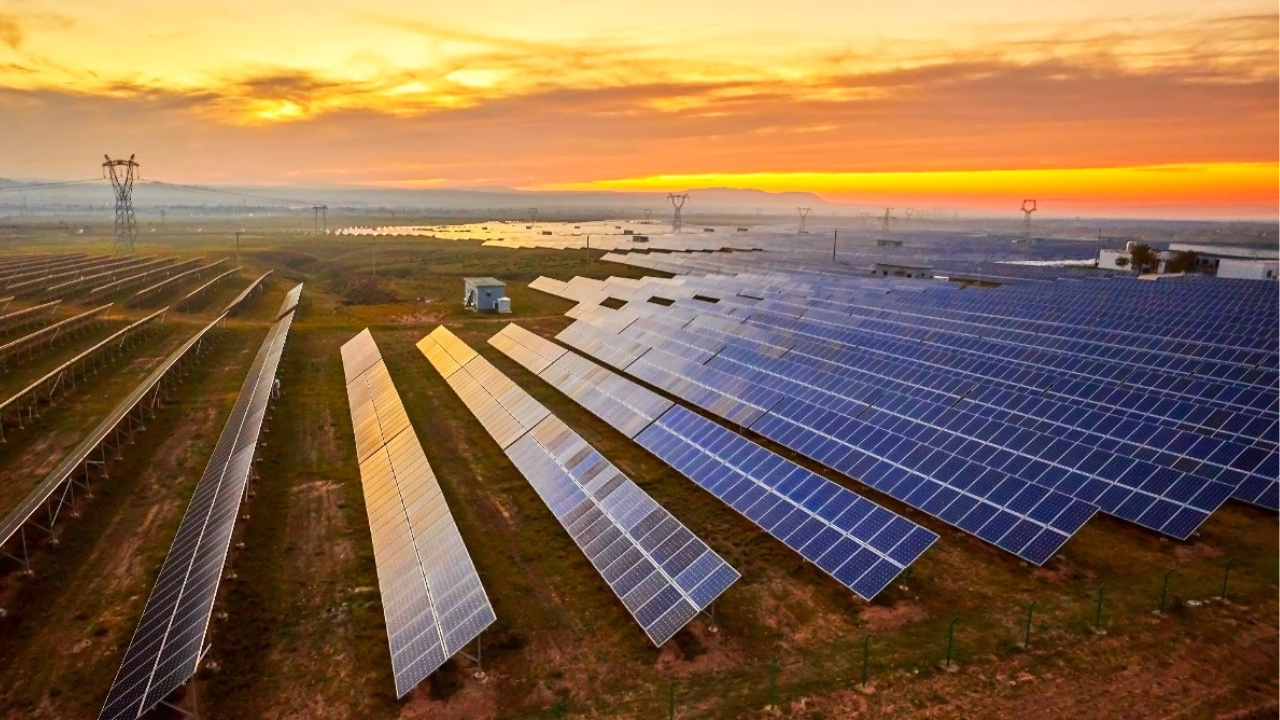
Solar Energy Registers Decline In New Installations In The 3rd Quarter Of 2025 In Rio Grande Do Norte, According To Sedec, Amid Regulatory Uncertainties And Debate Over Tariffs.
Solar energy in Rio Grande do Norte showed deceleration in new installations throughout the third quarter of 2025.
Data released by the State Secretary of Economic Development (Sedec) shows that, between July and September, 3,018 new distributed generation (GD) systems were installed, totaling 27.15 megawatts (MW) of power.
Despite the territorial advancement and consolidation of the source, the performance during this period was the weakest of the year so far.
-
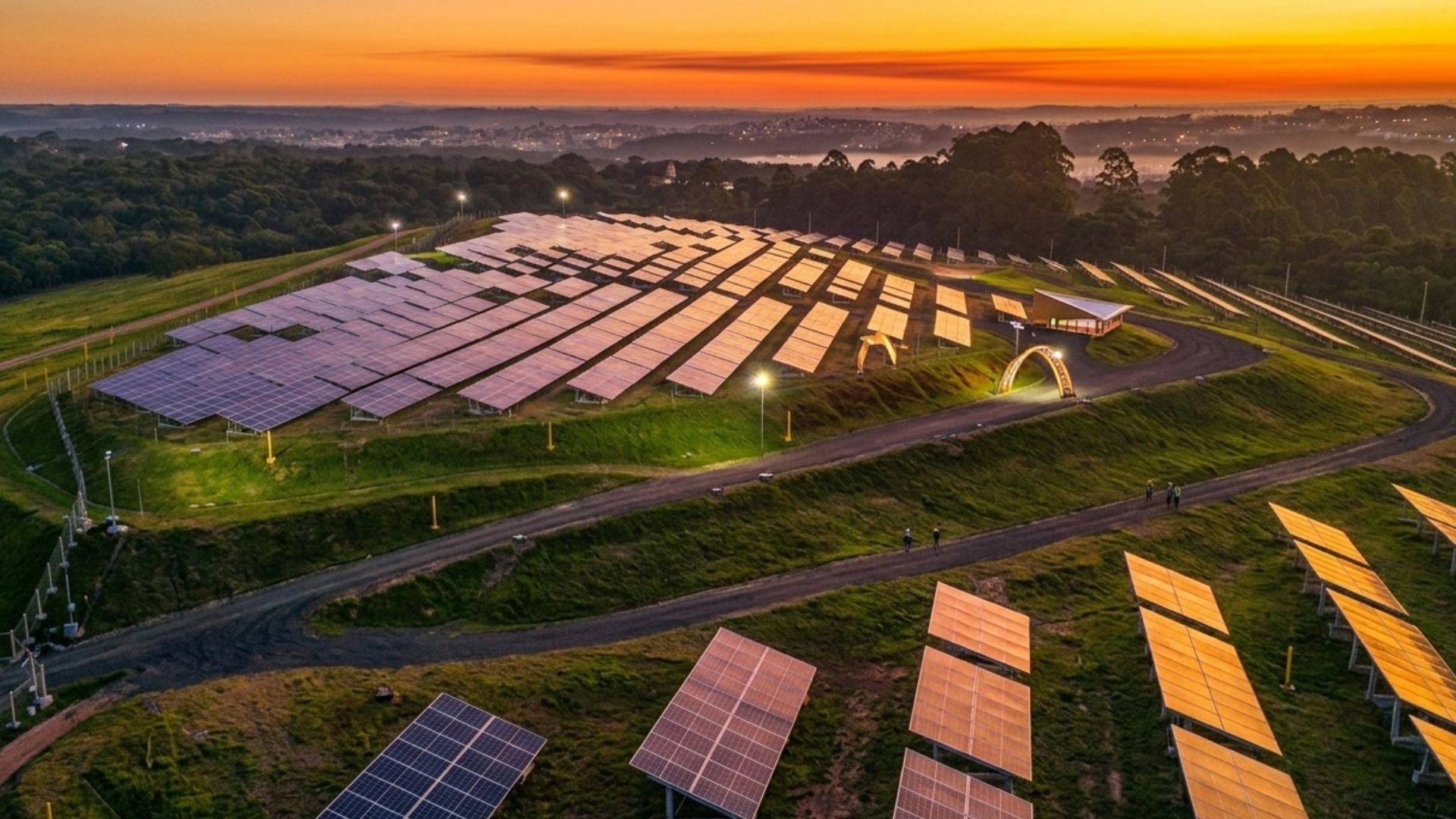
Solar Pyramid draws attention by converting solar energy into million-dollar savings and repositioning the City Hall of Curitiba as an example of innovation, sustainability, and intelligent use of public resources.
-
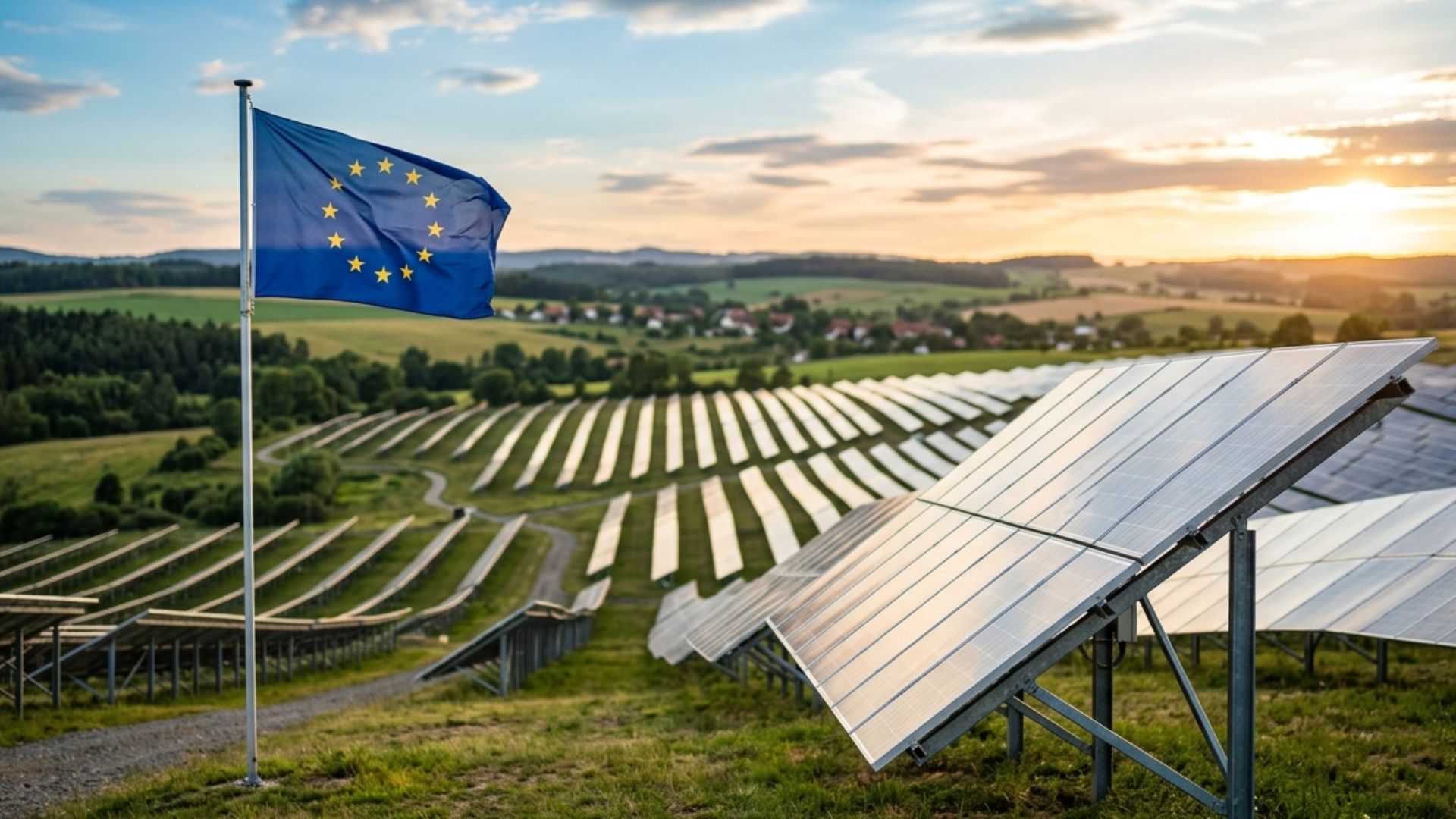
Europe records strong euro economy with solar energy in March and sparks curiosity about which country leads growth that redefines the energy market and reduces costs.
-
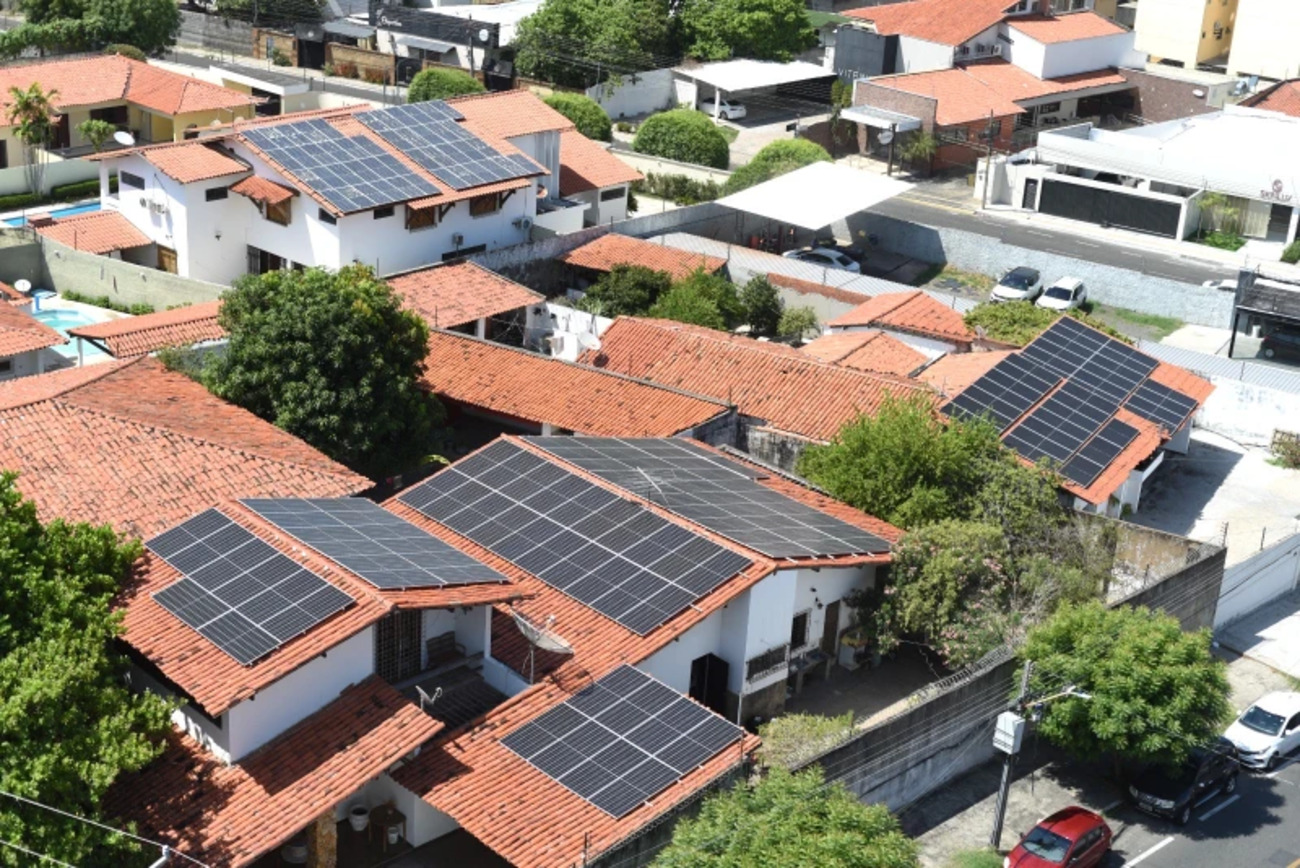
Piauí reaches a historic milestone in energy transition: State records nearly 160,000 households powered by solar energy and leads growth in the Northeast.
-
Argentina debuts its first 100% solar-powered highway and transforms an entire road into a showcase of clean energy.

Still, distributed generation with solar energy reached 163 of the 167 municipalities in Rio Grande do Norte. This data reinforces the high level of decentralization of the technology and highlights the capillarity of the photovoltaic market in the state.
Comparison Between Quarters Reveals Sharp Decline In Installations
When compared to the previous two quarters, the result of the third quarter stands out. In the first quarter of 2025, the state recorded 9,539 new solar energy systems, with 74.01 MW of installed power. In the second quarter, 8,048 systems and 64.90 MW were accounted for.
Thus, the reduction was 68.3% compared to the first quarter of the year. Compared to the second quarter, the decline was 62.5%. In the accumulated period of 2025 until September, the retraction in new installations reached 6.68% compared to the same period in 2024.
When observing the accumulated data until the third quarter of each year, the numbers reinforce the deceleration. In 2024, Rio Grande do Norte had recorded 22,082 new solar energy systems. In 2025, this number fell to 20,605.
Regarding installed power, the behavior was similar. By September 2025, 166.05 MW were accounted for. In the same period of 2024, the total had been 176.95 MW, representing a decline of 6.16%.
First Quarter Boosted The Solar Energy Market
Despite the recent retraction, the beginning of 2025 was marked by strong growth. According to Sedec, the first quarter showed an increase of 50.36% compared to the same period in 2024, when 6,344 systems were installed.
In the second quarter, even with a decline of 15.63% compared to the first three months of the year, the volume of new connections still exceeded the performance of 2024. In year-over-year comparison, there was a growth of 6.44%, as 7,561 installations were recorded in that same period last year.
The scenario changed more intensely in the third quarter. During this period, the number of new systems was 63.13% lower than in the same period of 2024, signaling greater caution in the market.
Regulatory Uncertainty Impacts Investment Decisions
According to Sedec, the fluctuation observed throughout the quarters reflects a phase of stability in the solar energy market in the state. One of the main factors indicated is the possibility of changes in the discounts of the Distribution System Usage Tariff (TUSD), discussed within the scope of Provisional Measure 1.304/2025.
Although changes have not been confirmed in the final approved text, the regulatory debate has generated uncertainties. According to Hugo Fonseca, deputy secretary of Sedec, this context helps explain the weaker performance in the third quarter.
“The local market remains heated, even with the retraction in the installation of new systems, which we consider mild, taking into account the accumulated results for each year [6.68%],” evaluates Hugo Fonseca.
The deputy secretary also highlighted that the discussion over tariffs and compensation rules brought temporary uncertainty. “This retraction was caused by regulatory uncertainties that were under discussion for a while, in addition to the tariff issues involving the TUSD. But we understand that we will close 2025 positively, with a stable scenario,” he added.
For industry representatives, the trend is that the market will regain traction as the regulatory environment becomes more predictable.
Installed Capacity Is Still Considered Low Compared To Potential
Currently, Rio Grande do Norte has 106,446 solar energy systems connected to the grid, totaling 957.88 MW of installed capacity. For Williman Oliveira, president of the Potiguar Association of Renewable Energies of RN (Aper), the numbers are still below the state’s potential.
“By a narrow margin, GD did not have a tariff that would have made the sector unviable, due to changes proposed by Law 14.300. As a result, distributed generation suffered significantly, culminating in the numbers from the third quarter of 2025. My expectation is that in 2026, given what was approved in the law, consumers will continue to understand the benefits of producing their own energy,” emphasizes Oliveira.
Mossoró And Natal Lead New Installations In The Quarter
In the municipal ranking of the third quarter, Mossoró returned to state leadership in installed power, a position it lost in the second quarter. The municipality accounted for about 15% of all installed power in the state, with 4,068 kW.
Natal follows closely, with 12.4% of the total and 3,374 kW installed. Campo Grande occupied third place, with 1,996 kW, surpassing municipalities that historically have higher installation volumes, such as Parnamirim, São Gonçalo do Amarante, Extremoz, and Macaíba.
In addition to power, Mossoró also led in the number of systems installed during the period. The municipality concentrated 15.8% of all solar energy systems connected in the state during the third quarter. Natal accounted for 14.1%, while Parnamirim had 8.1%.
The 15 municipalities with the highest number of installations were responsible for 62.4% of all systems deployed between July and September, reinforcing the regional concentration even in a deceleration scenario.








Seja o primeiro a reagir!